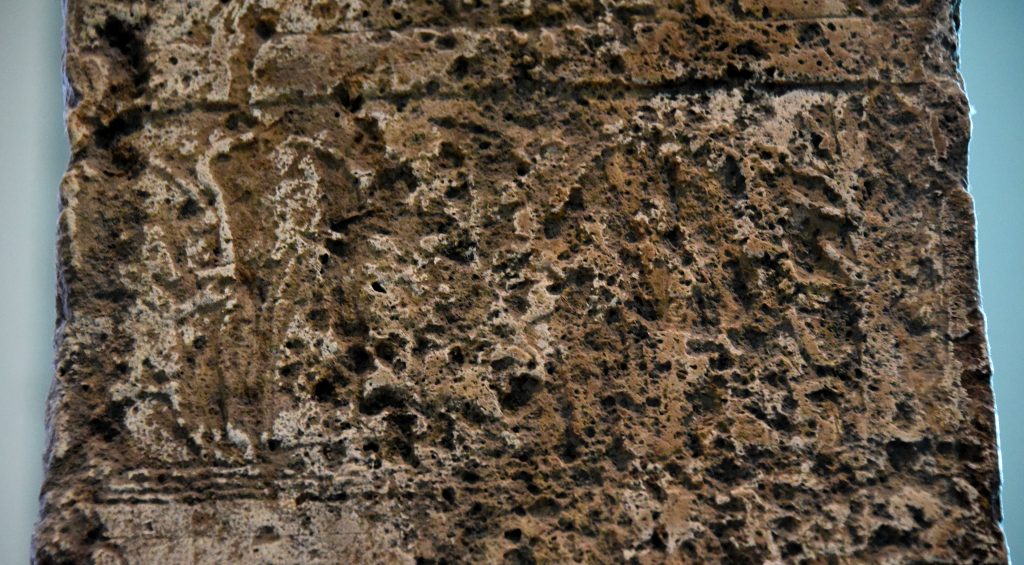
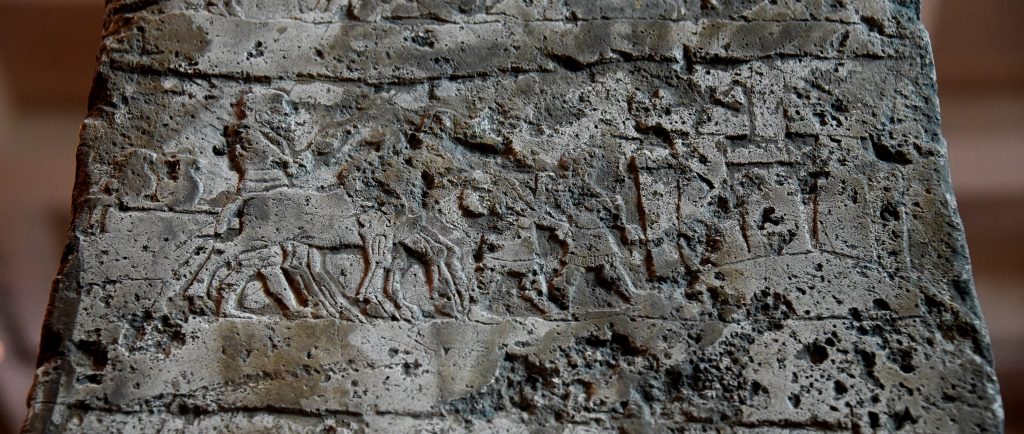
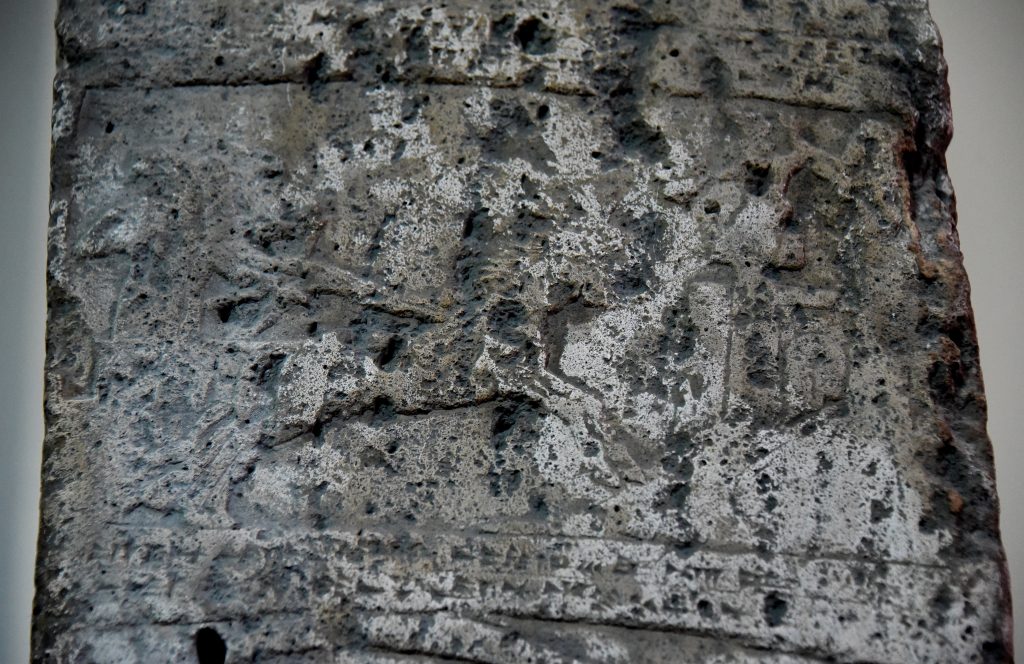
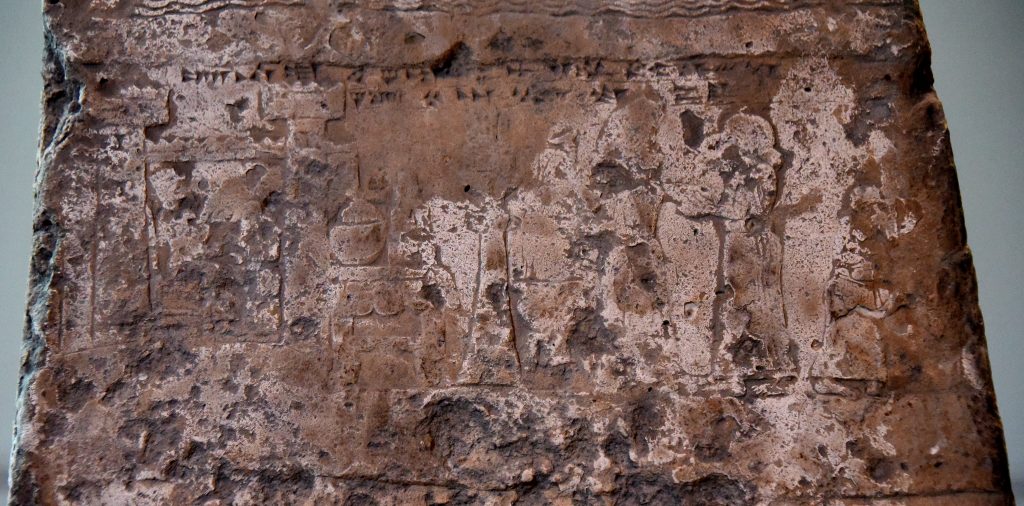
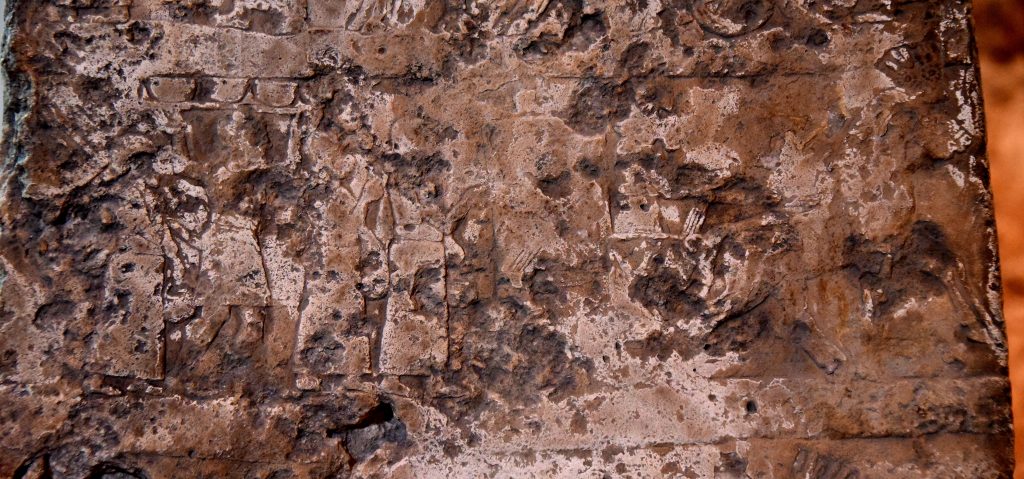
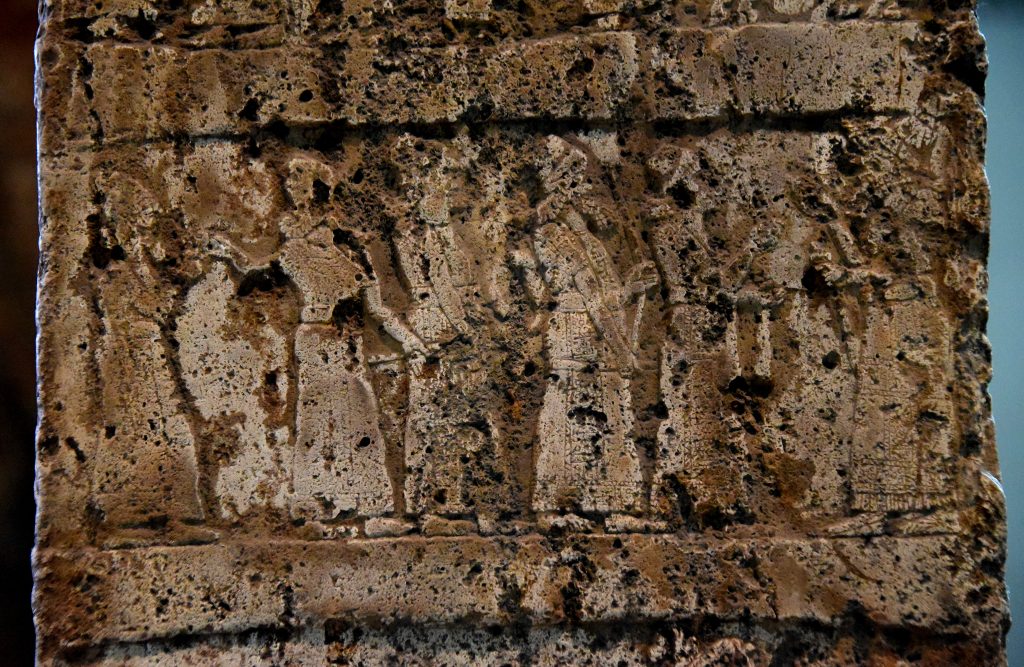
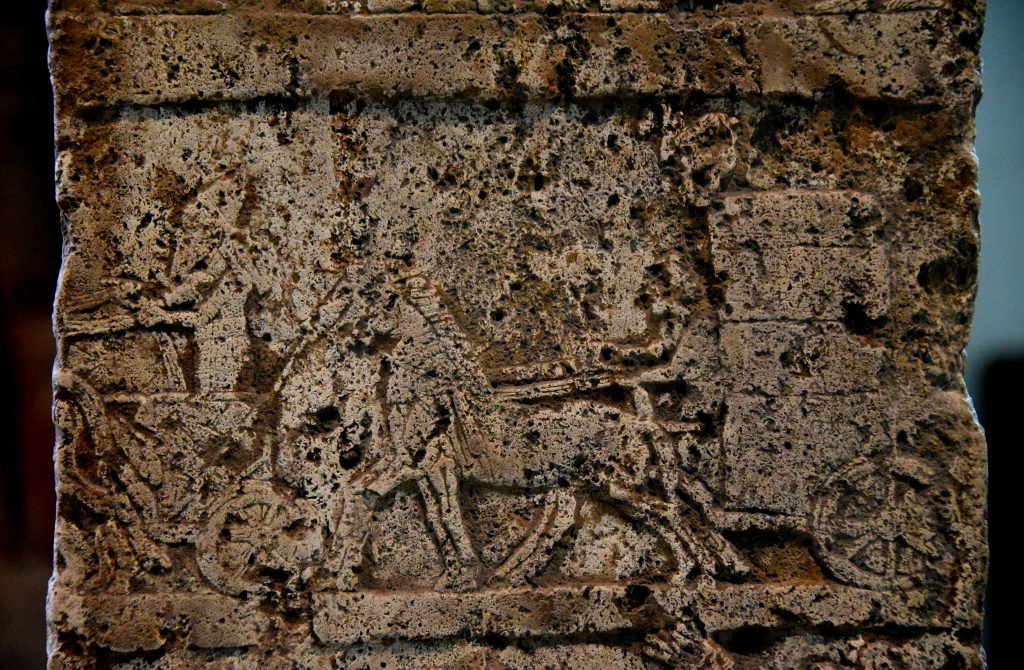
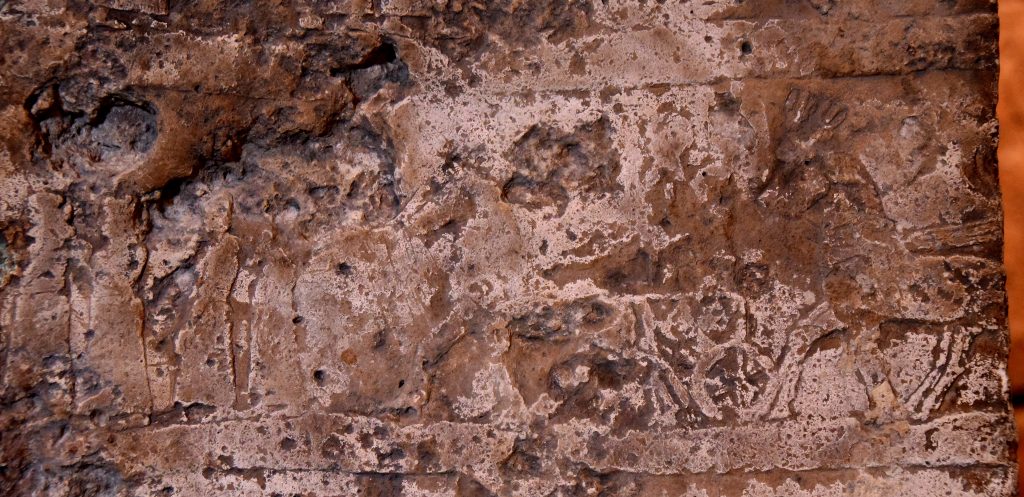
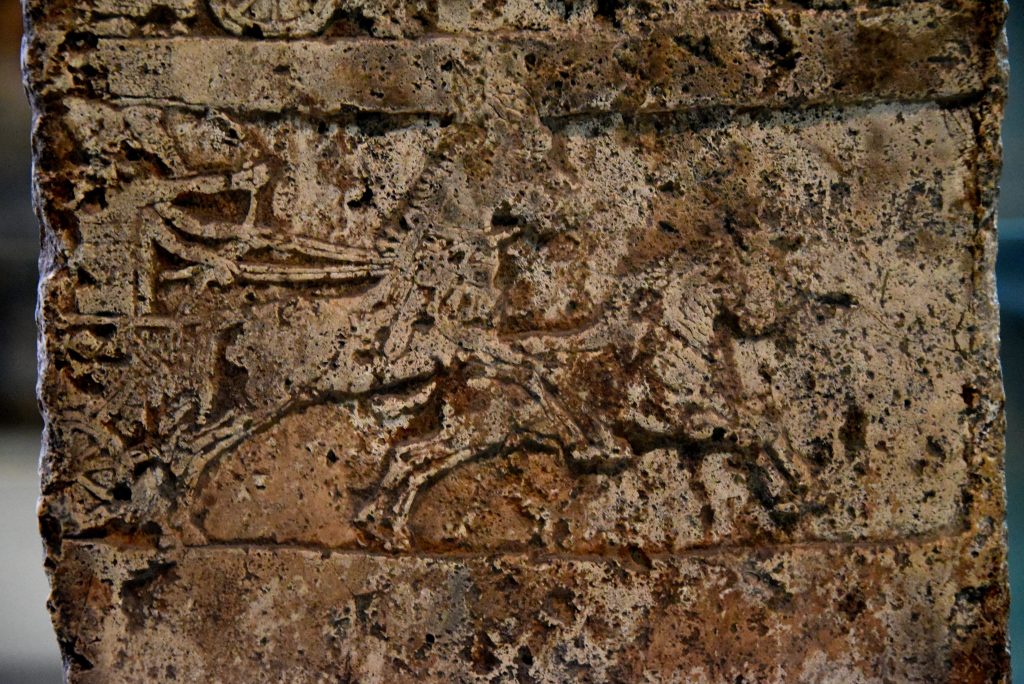
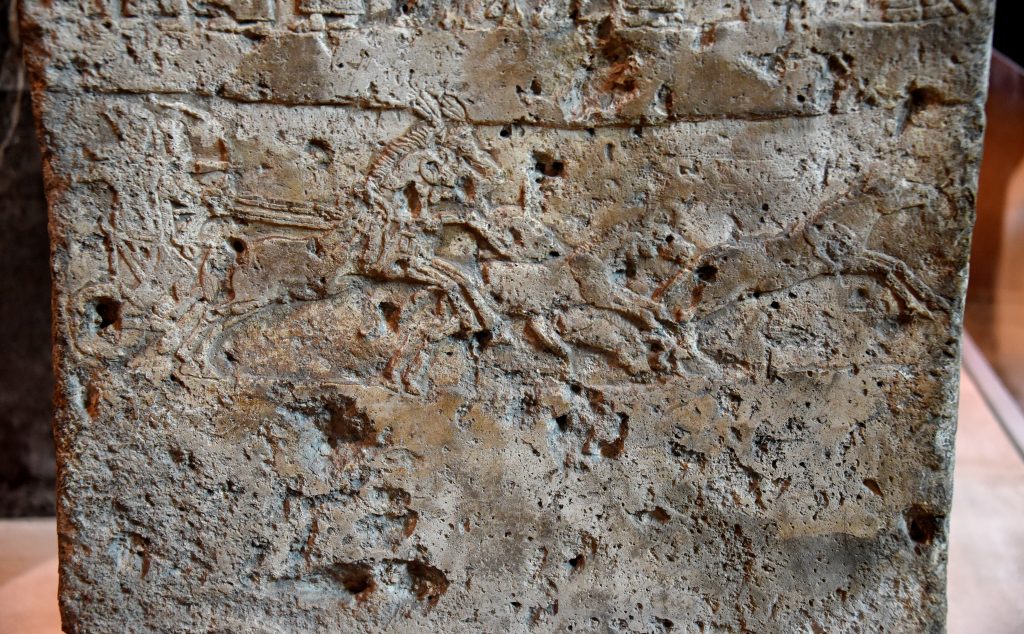
In July 1853, Hormuzd Rassam was excavating an area at the ruins of the mound of Kuyunjik (Nineveh, Mesopotamia, modern-day Mosul Governorate, Iraq), one of the most important cities in the heartland of the Assyrian Empire. The area was an open space between the outer court of the palace of the Assyrian King Sennacherib and the Ishtar Temple. About 200 feet northeast of the palace, Rassam dug a trench that went down about 15 feet from the surface of the mound. At this point, his workmen found a large, 4-sided, monolith pillar; it was an obelisk, somewhat whitish in colour. The obelisk was lying on it sides. An artist, C. D. Hodder, who accompanied Rassam on his expedition, made drawings of the 4 sides of the obelisk in situ. It is now known as the White Obelisk of Ashurnasirpal I and housed in the British Museum.
Rassam shipped the obelisk to modern-day Basra Governorate (on the Arabian/Persian Gulf), on the southern end of Iraq. In March 1854, the shipment reached Bombay, India, and from there, the obelisk was transferred to the United Kingdom. On a cold February day in 1855 the Obelisk arrived at London. The British Museum’s registration number was 1856,0909.58 but it is now BM/Big number 118807. The obelisk was cleaned by W. G. Langford, a conservation officer in the Department of Western Asiatic Antiquities, and photographed by the British Museum photographers while still wet.
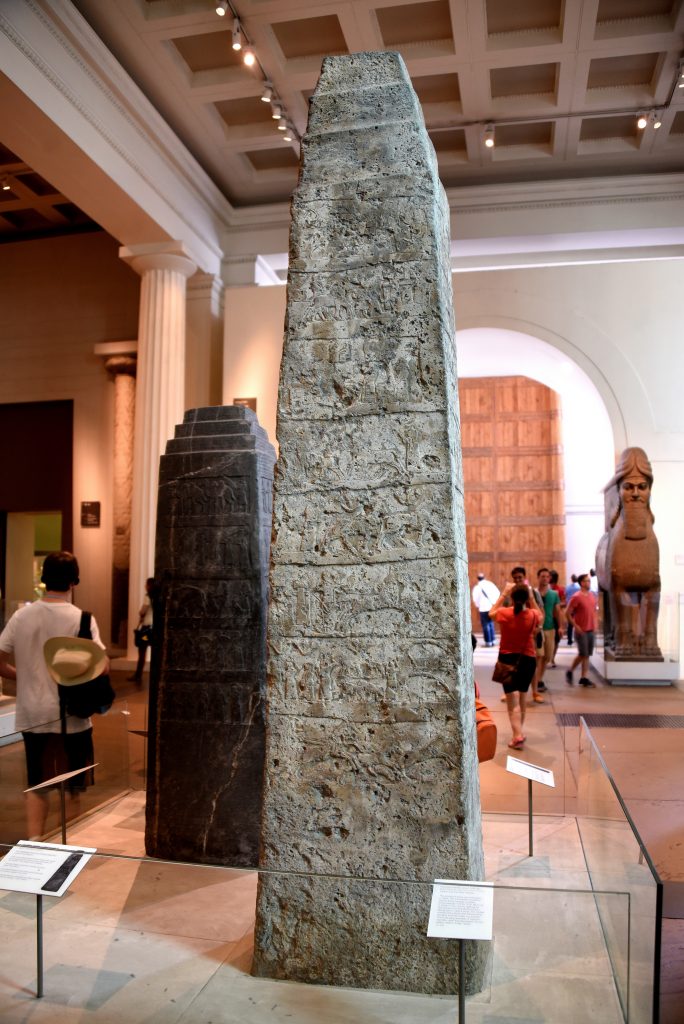
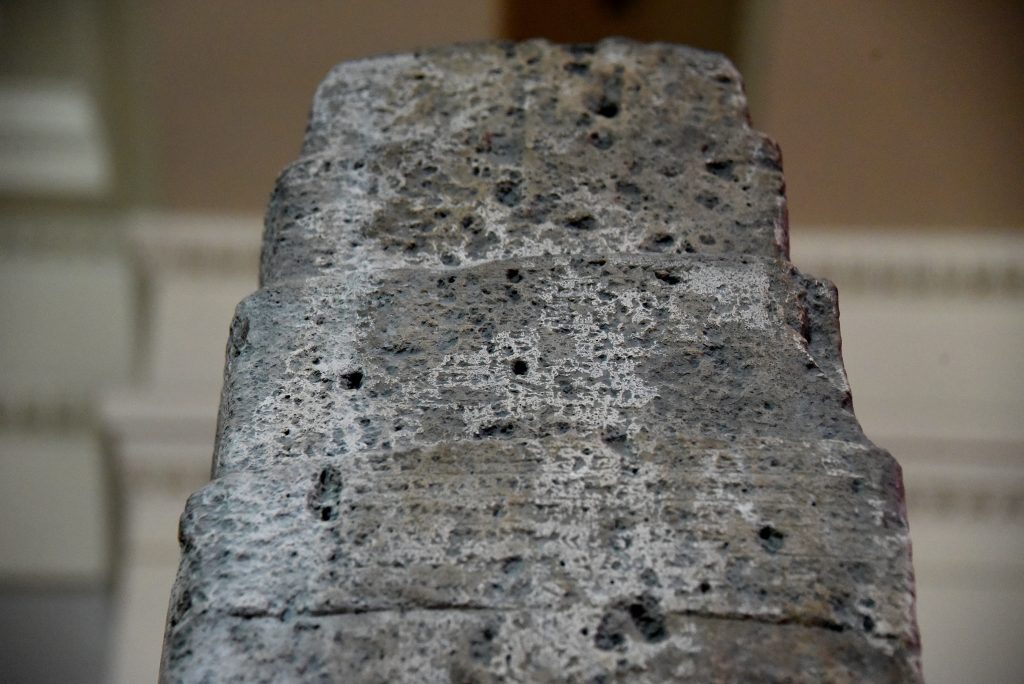
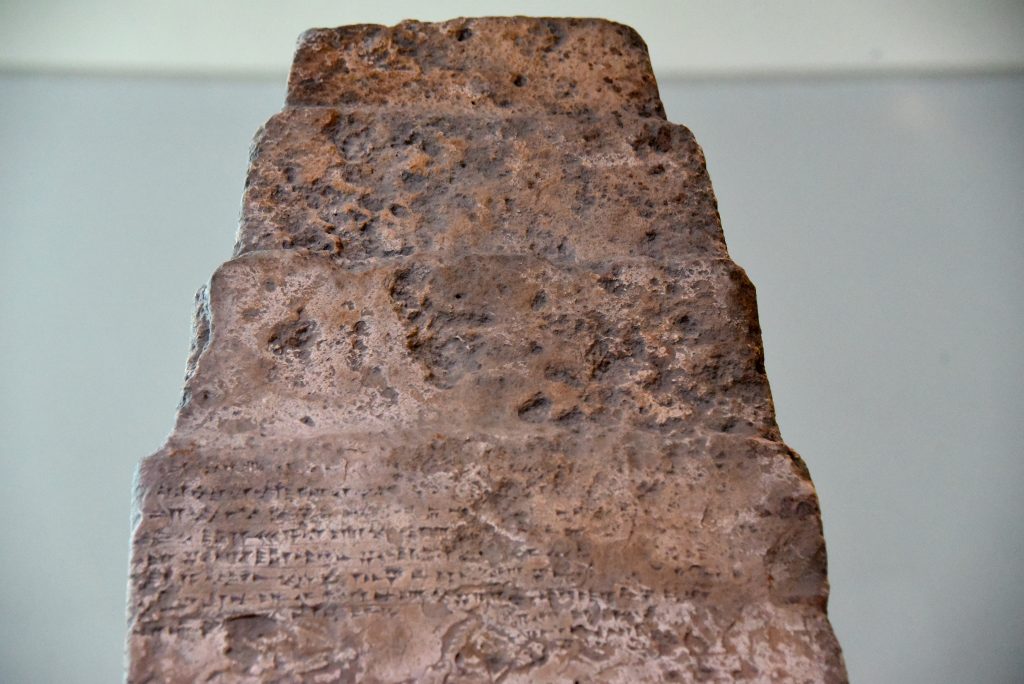
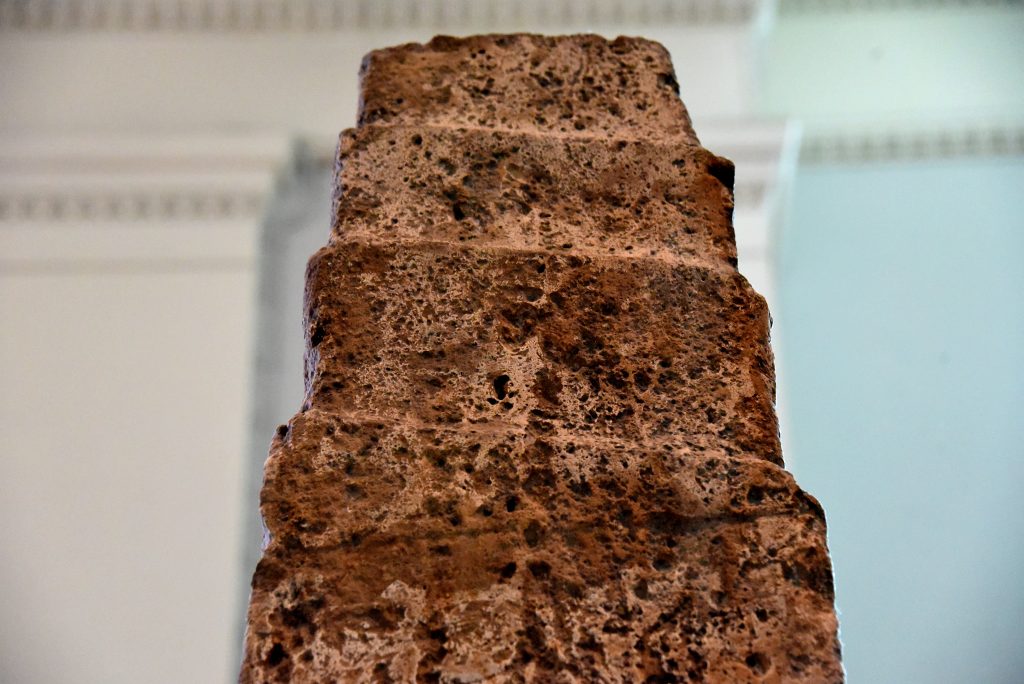
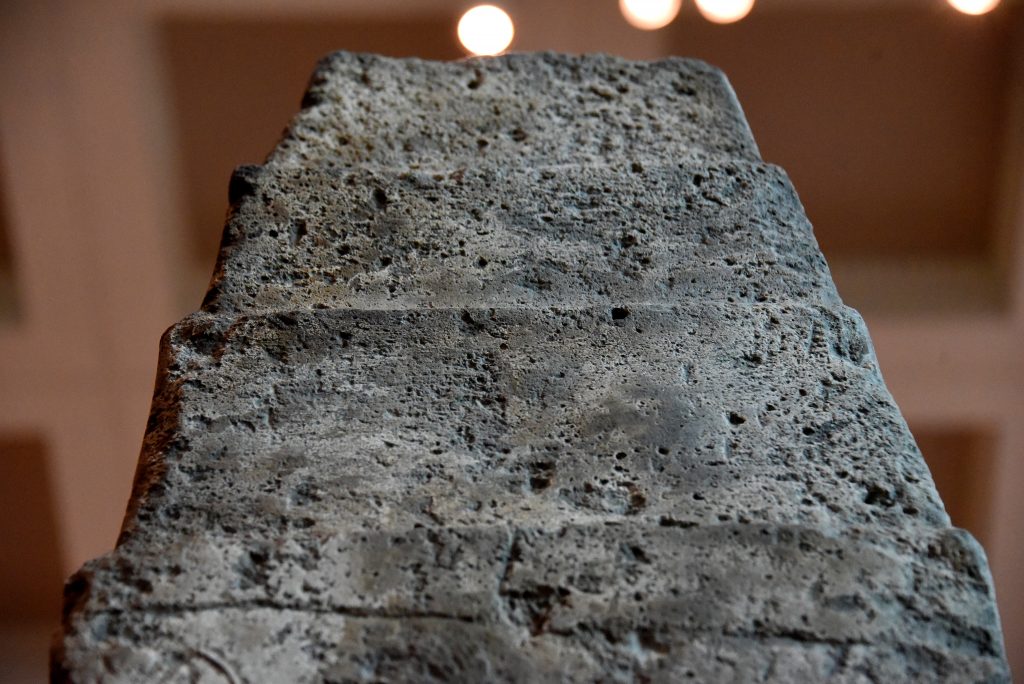
The obelisk was made of white limestone. It has a height of 285 centimetres, a width of 70.48 centimetres, and a depth of 42.54 centimetres. It is rectangular, with 4 sides. The obelisk tapers gradually from bottom to top; the latter has a ziggurat-like shape. Near the base, there are ancient saw marks. The lower 25-30 centimetres are devoid of any scene or inscriptions but are rough, unfinished, and seemed to be inserted into a pedestal, originally.
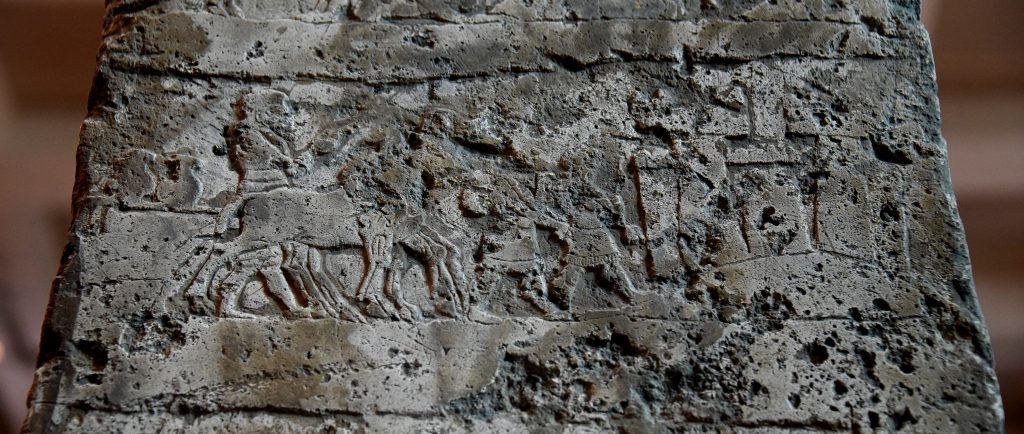
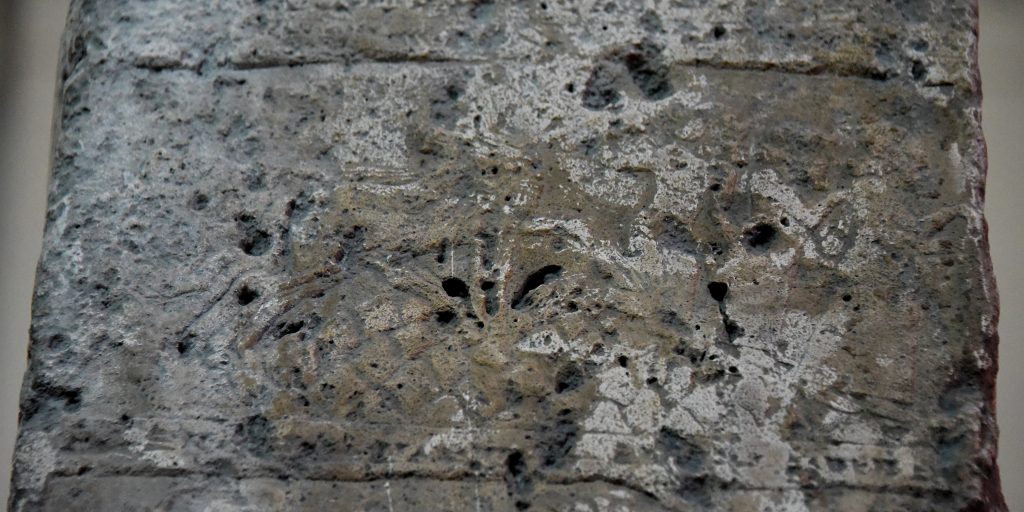
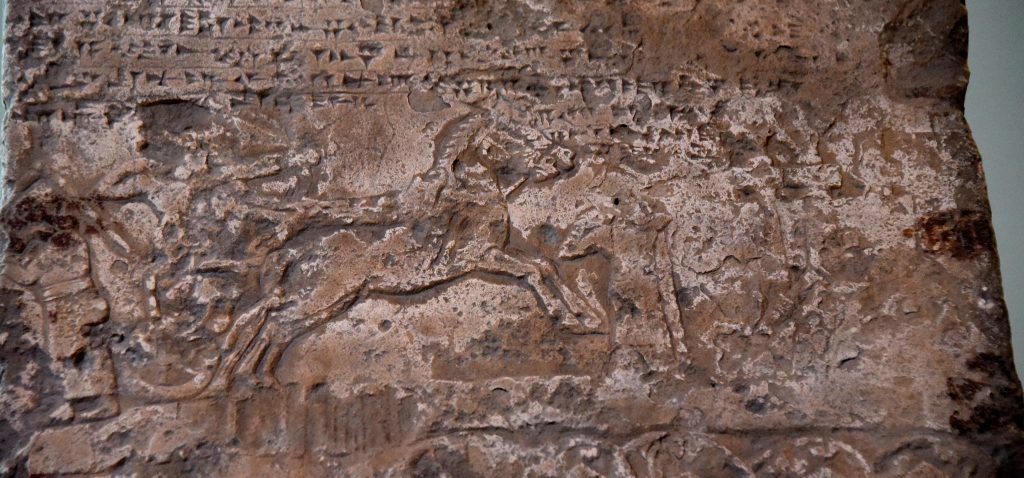
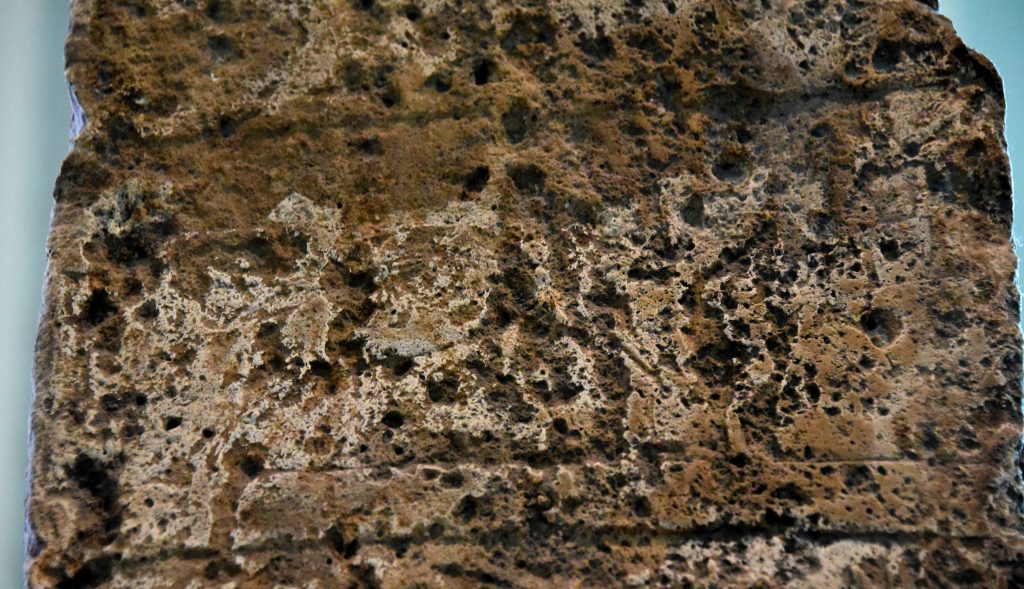
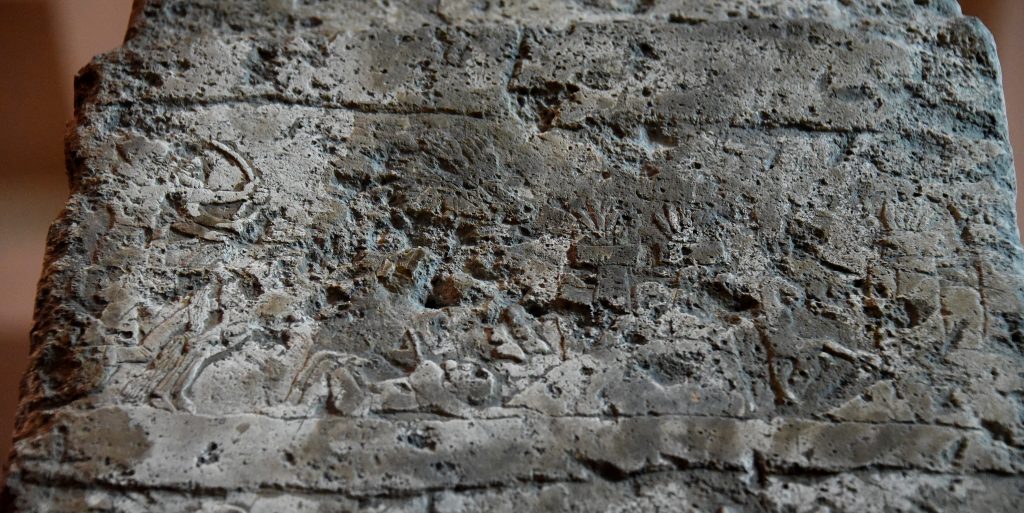
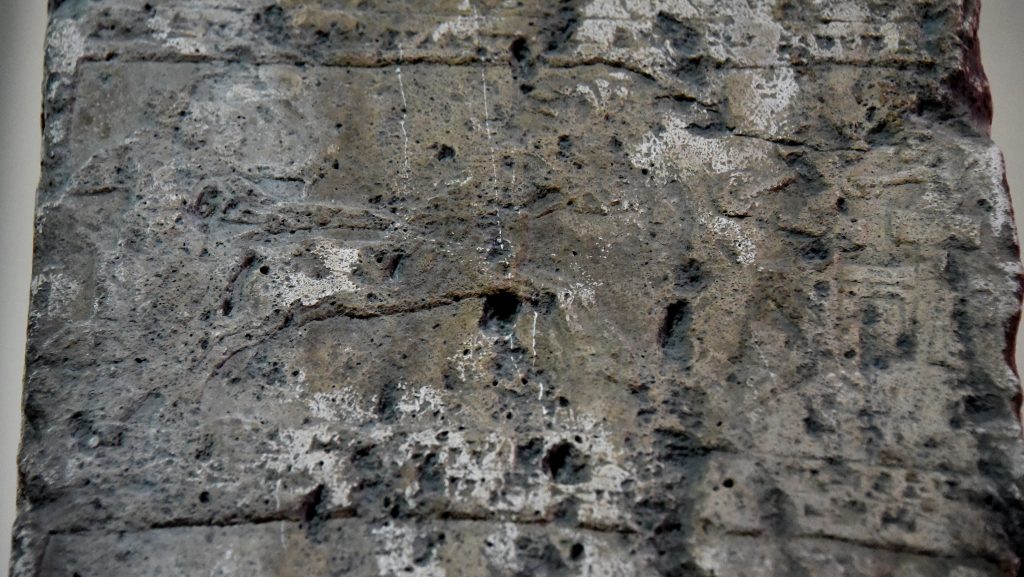
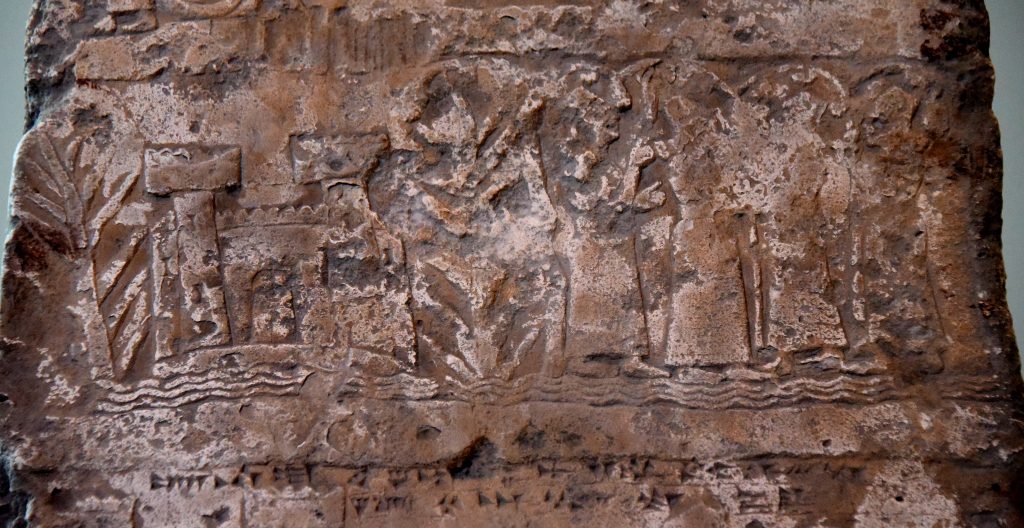
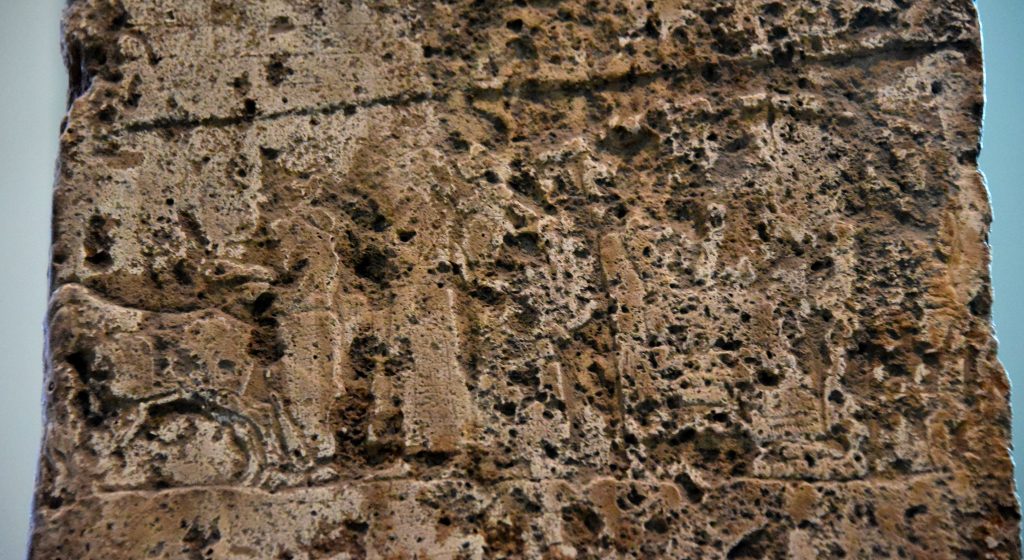
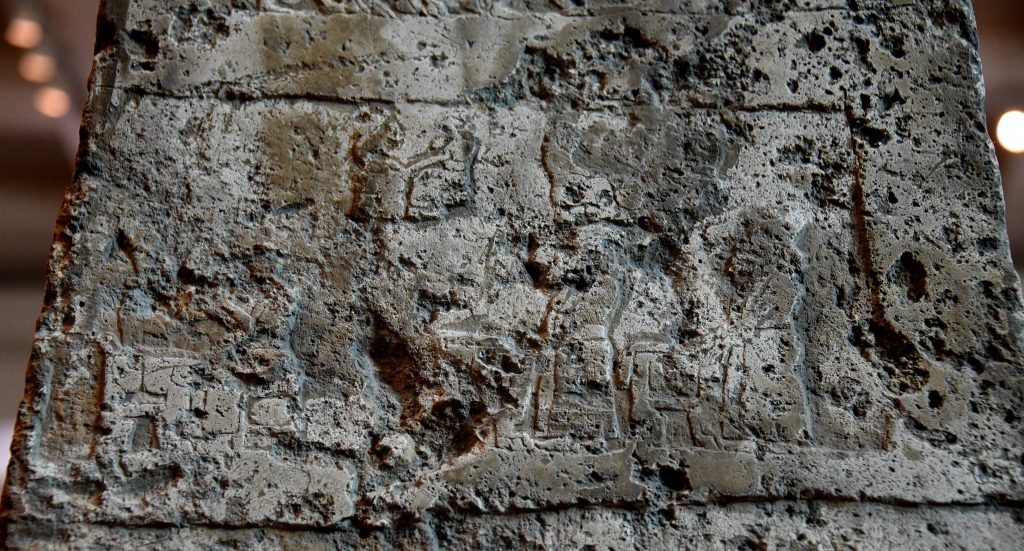
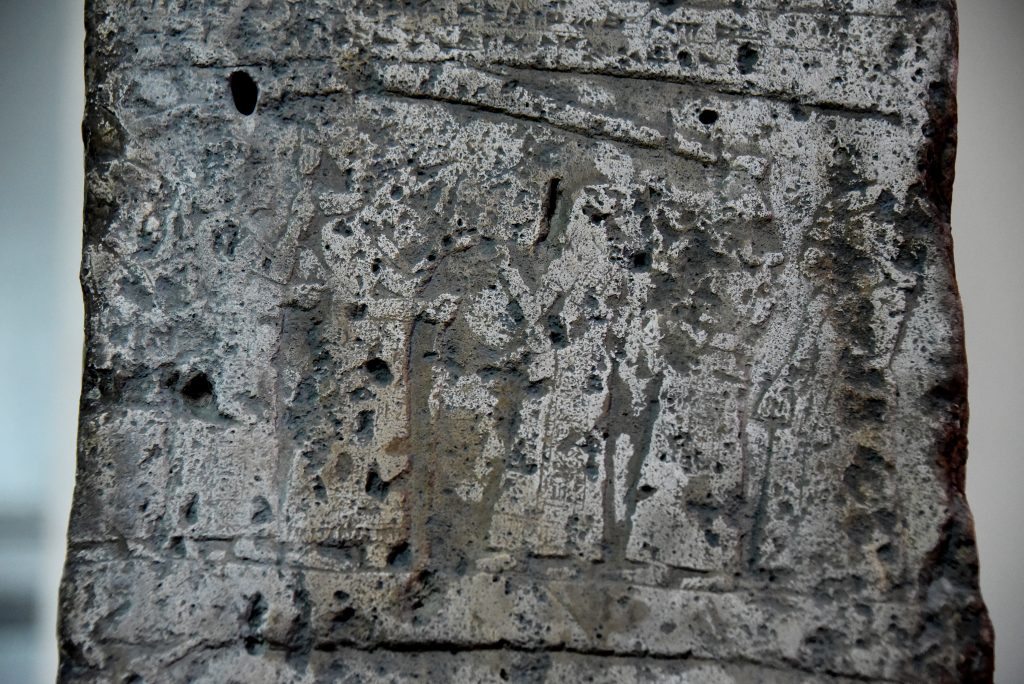
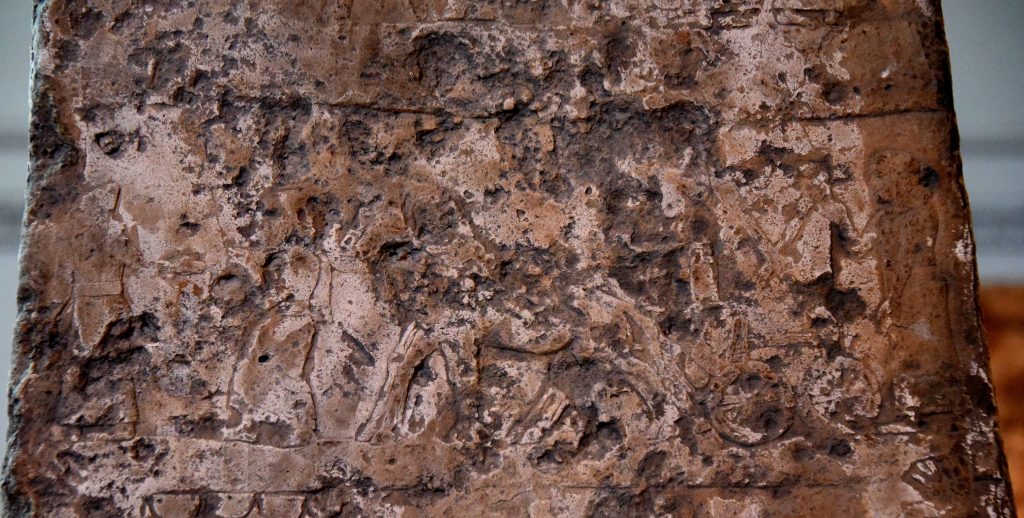
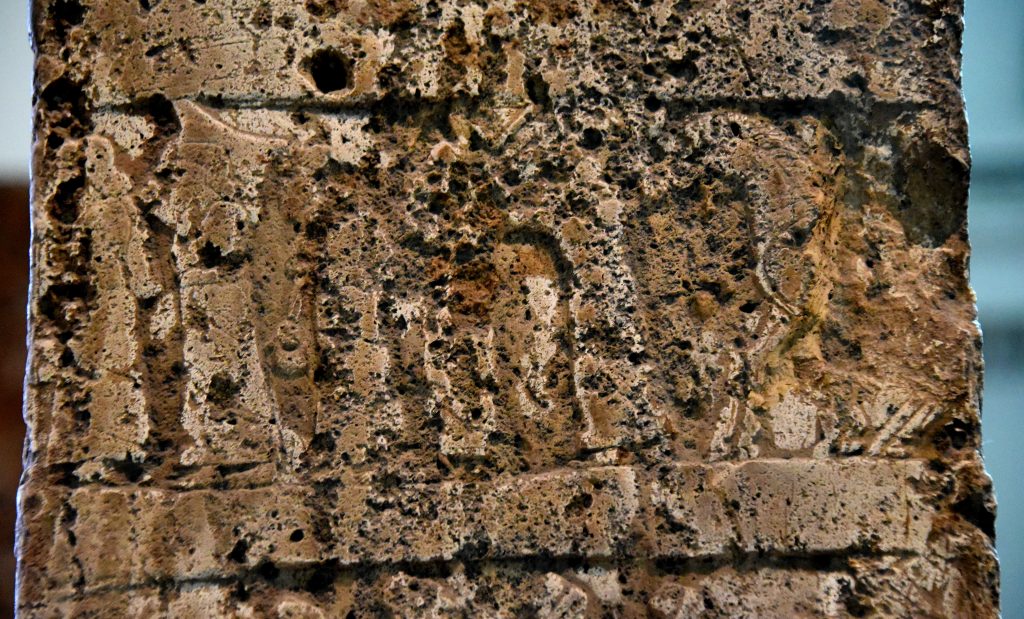
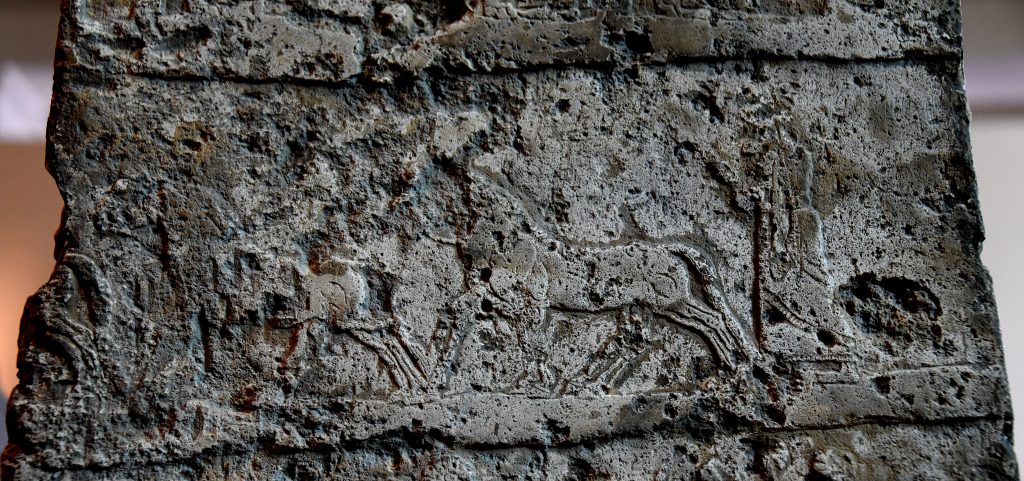
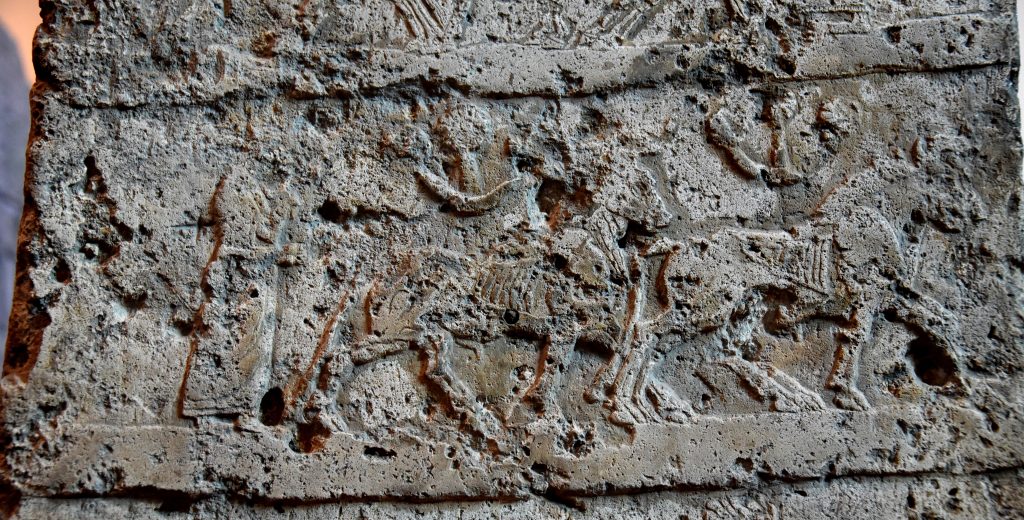
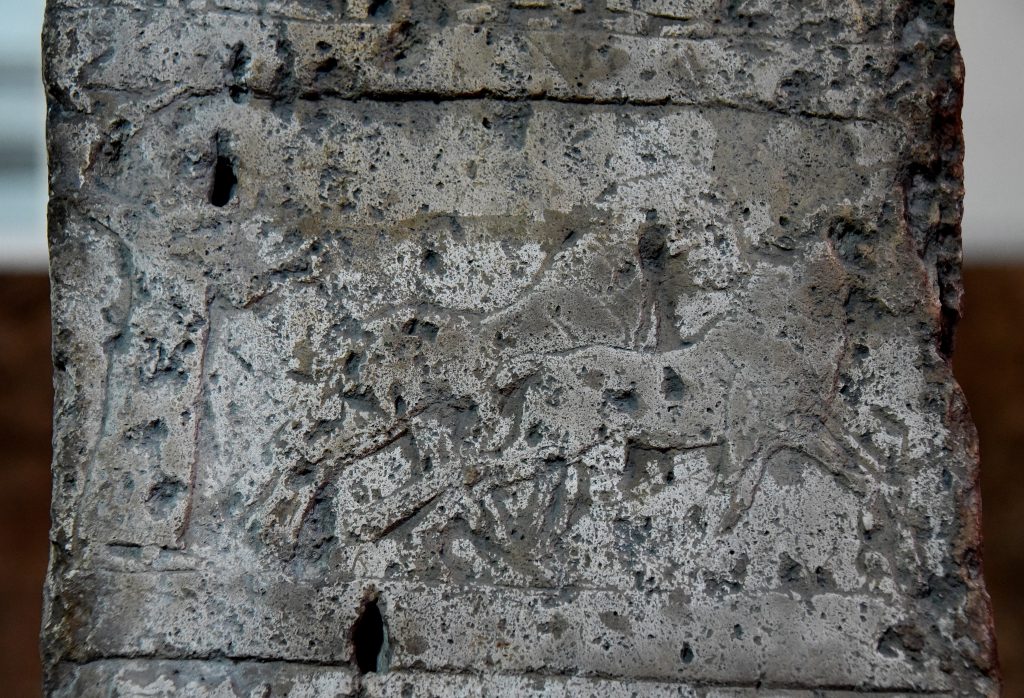
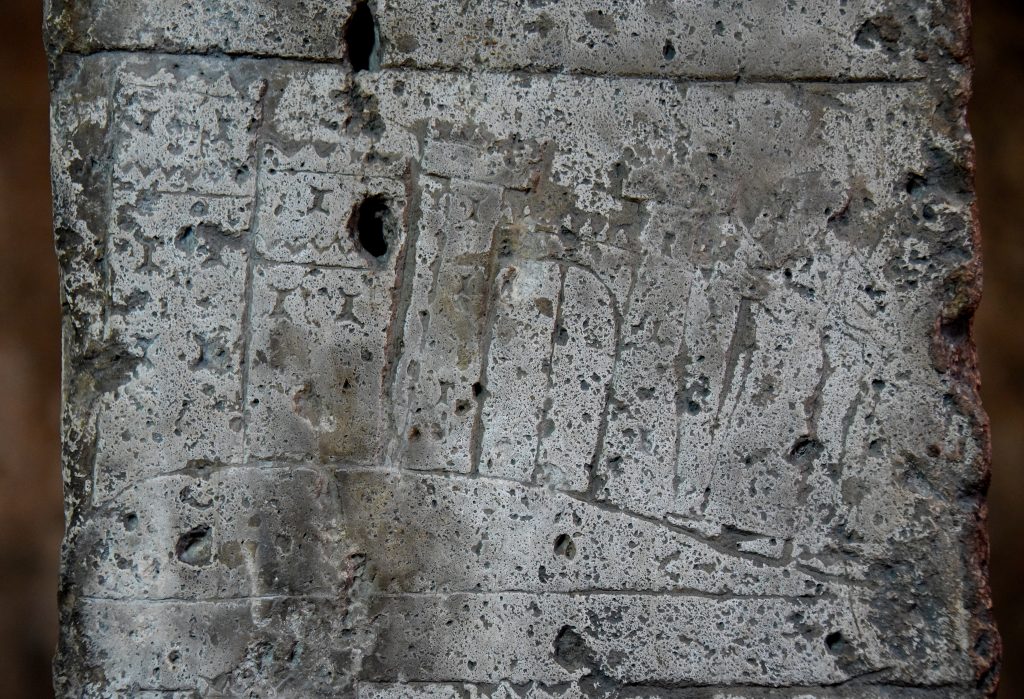
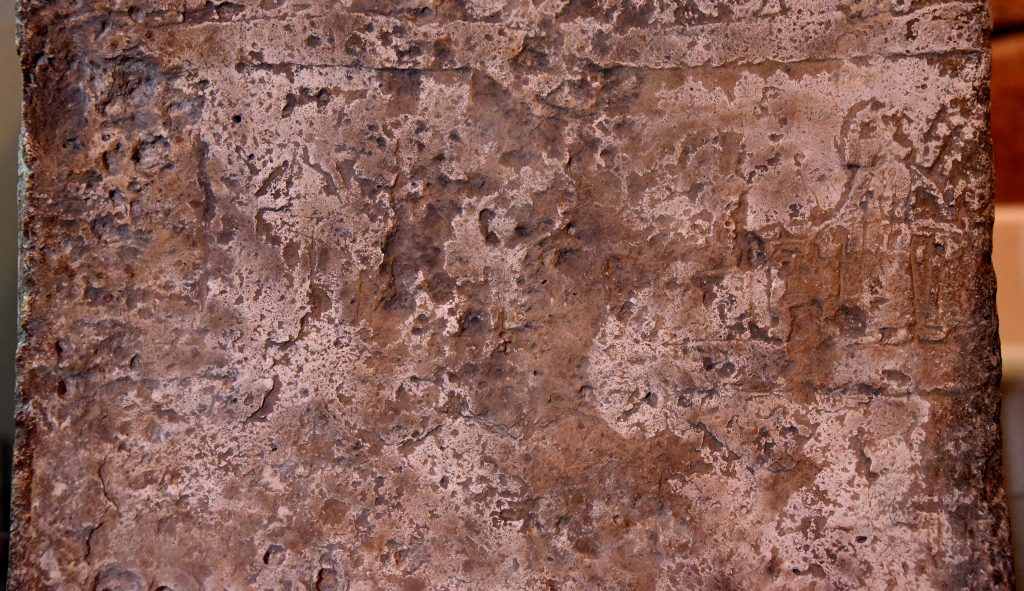
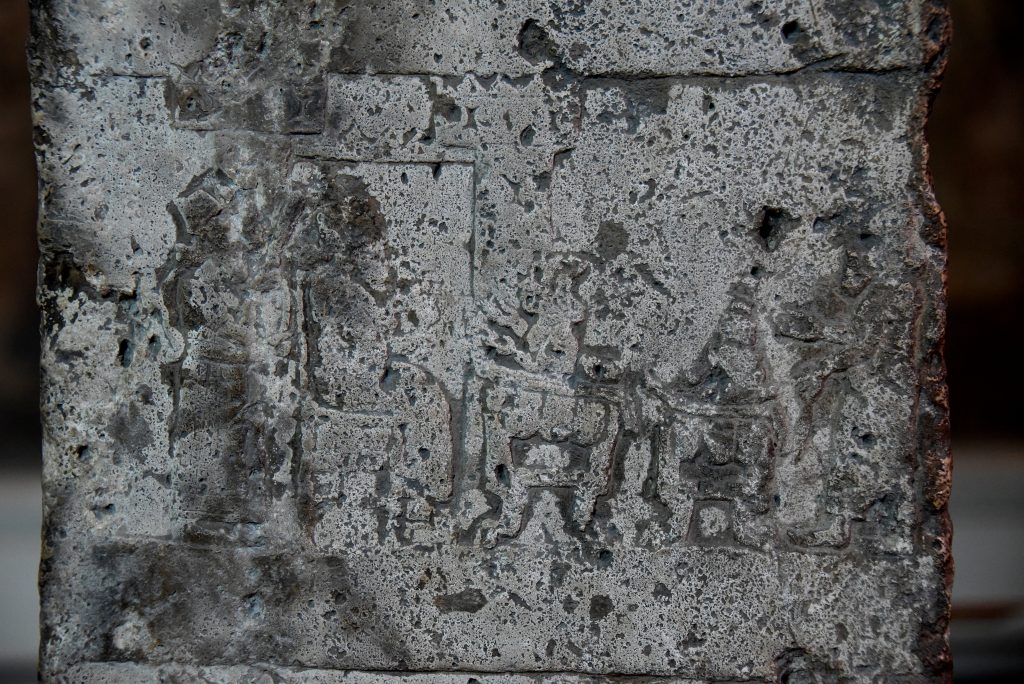
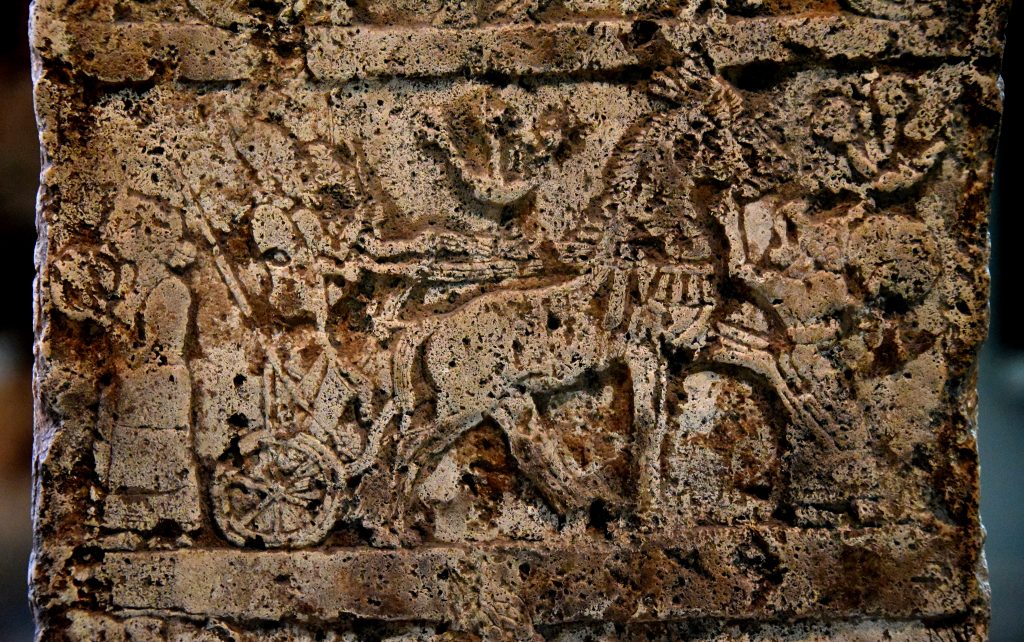
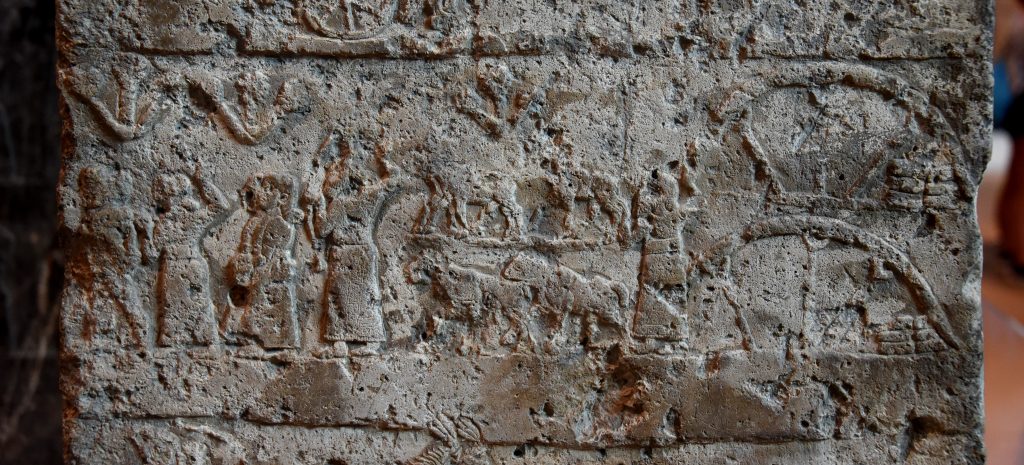
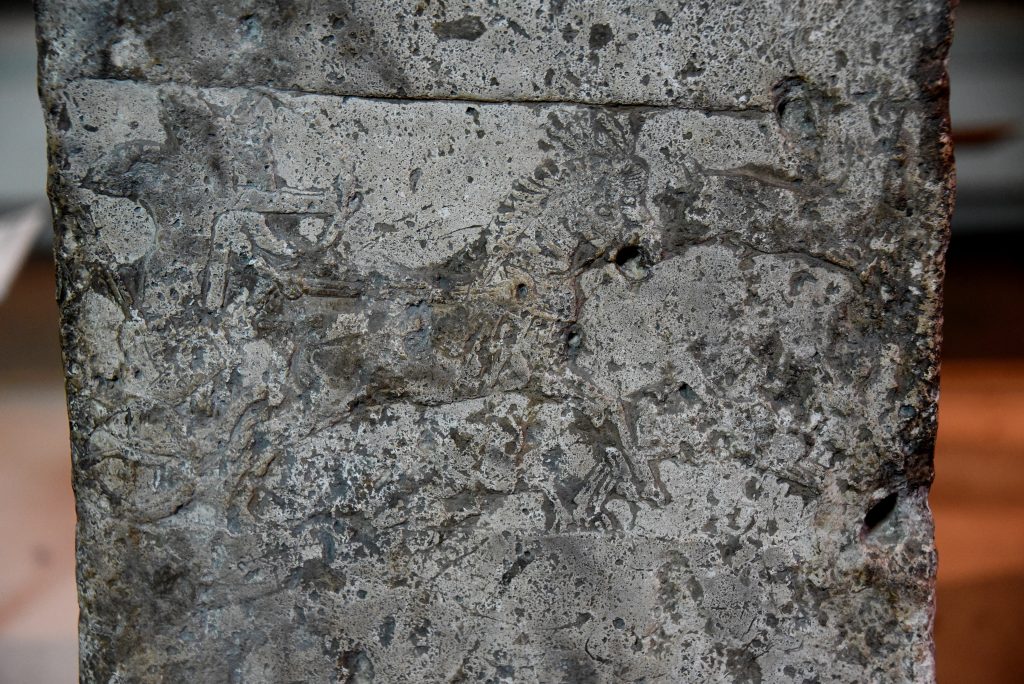
Each surface was carved with low-reliefs scenes and divided into 8 horizontal registers; therefore a total of 32 “frames” can be observed. Although the surfaces of the obelisk is considerably weathered and eroded, but fortunately it is still “complete” and did not suffer any deliberate damage (the fate of many other victory monuments of ancient Near Eastern rulers, once their domination was overthrown from without or within). On sides A and D, there are Akkadian cuneiform inscriptions.
Immediately after its discovery, the monument was attributed to the Neo-Assyrian King Ashurnasirpal II (reigned 883-859 BCE). This is because the name of Aššur-nāṣir-apli appeared within the text, admittedly without titles or patronymic. However, the British Museum says that the obelisk belongs to the Assyrian King Ashurnasirpal I (reigned 1049-1031 BCE).
Because the internet does not provide clear-cut, modern colour images of all sides and scenes of the obelisk, I said to myself, why not draft an article about it and share my Nikon710 images with the rest of the world? Therefore, it is beyond this article to discuss whether this monument belongs to Ashurnasirpal I or II. I’m a consultant neurologist, not an archaeologist.
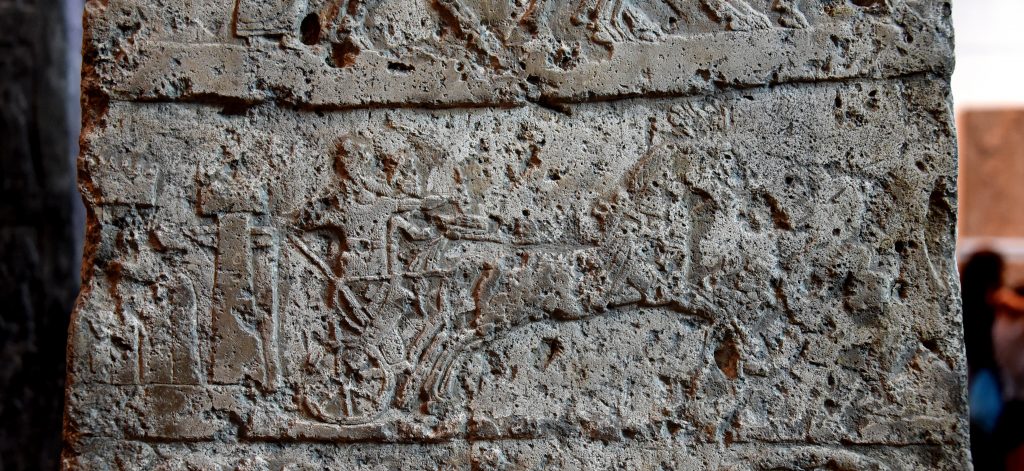
The White Obelisk has had a strange history in the scholarship of Assyria. In studies of Assyrian art it has either been ignored or described as a crude work with sketchy representations arranged in an incomprehensible composition, the product of an incompetent craftsman. The inscription, on the other hand, has been frequently discussed, always in regard to the critical problem of its date. The King is shown in his chariot, fighting (upper registers) and hunting (lower registers), and taking part in ritual ceremonies. The middle scenes show booty and tribute being brought, but their order is uncertain. This is an early example of Assyrian narrative reliefs that developed into the palace reliefs of later periods.
The obelisk is on display and is erected within Room 6a, beside the Black Obelisk of Shalmaneser III. When you stand in front of the obelisk to read the accompanying description, you will be facing Side C; the Kurkh monoliths are immediately behind you. The obelisk stands within one of the corners of a platform. Therefore, it is easy to see and take photos of sides C and D; sides A and B would be far away from view and you needs a good zooming lens, like mine; AF-S Nikkor 28-300 mm f/3.5-5.6 G ED VR.
Unlike the Black Obelisk of Shalmaneser III (which bears a figure of an ancient ruler of Israel, Jehu, who was mentioned in the Bible and therefore drew the attention of the world), this White Obelisk seems to be overlooked by many museum visitors, social media, and even Flickr. In addition, the owner of the White Obelisk is controversial (Ashurnasirpal I or II?). I stood after shooting all faces of the Obelisk and observed those who approached the platform on which the White and Black Obelisks were displayed. I watched visitors for about 15 minutes. Noone shot a single photo of the White Obelisk, and surprisingly, there was no eye contact with it, either. I asked three different people (from South East Asia, Eastern Europe, and North America, respectively), who were very close to the White Obelisk about it. Their answers were: “I did not notice it;” “It is just a dull-colored block of stone, nothing is interesting about it;” and finally “I don’t know, maybe because it is within a crowd of monuments”.
I searched out the internet in order to find images and fine details of the White Obelisk (zoomed-in, very close shots, not an image of the Obelisk as a whole), which can be easily accessible by the public, students and activists. But I found only 2 images on an archival website, with a large watermark on both of these pics. On the other hand, I read a few scholarly articles about the White Obelisk and all of the images of the White Obelisk within the articles were “Photos of the British Museum.”
Therefore, and because this wonderful monument was brought from my land, Mesopotamia/Iraq, and because of the lack of modern high-quality images that can be reached by anyone, I decided to document all aspects of the White Obelisk, using a superb camera and lens. Yes, we all agree that the surfaces and frames of the scenes were eroded and weathered, and that it is difficult to enjoy the art of it, but who knows…maybe someone…after 1, 10, or perhaps 100 years will find my pictures invaluable for his work.
Now, enjoy the scenes. The surfaces of sides B and D are narrower than those of A and C. I will describe the scenes and registers, horizontally, from top to bottom.
Register 1: There are 4 scenes, when combined all together, they form a single horizontal frame.
Register 2: We have 4 frames but one can recognise 3 scenes, actually. Two of them are forming single episodes, each one frame in length; one is a single episode which has extended over two frames.
Register 3: We can recognise 2 separate scenes. One scene constitutes a single episode which was depicted within one frame. The other scene is composed of two episodes, extending over 3 frames.
Register 5: Once again, the whole scene in one episode extends over four frames. However, the movement in this register starts from left and proceeds to the right. The scene starts from frame 5C and ends in 5B (at the king).
Register 6: There are 2 scenes. One of them occupies a single frame while the other one consists of two episodes, which extend over and fill in 3 frames.
The White Obelisk by Edmond Sollberger. Here, you will find the transliteration of the cuneiform text, in addition to elaborate discussion on the history of the Obelisk.
After imagining the obelisk in its original standing place. I asked myself several questions: who made the carvings and how long it took to finish the obelisk? Who were the people who transferred and erected it 3000 years ago, and how many were involved? How many people saw it and understood its meaning? Why it was not deliberately vandalized/damaged after the fall of Nineveh? Why it was lying on one side when it was found; did someone push it or did it just fall down from weathering? What was the date when the obelisk had collapsed? How many years were needed for 5 meters of mud to gather on top of the obelisk?
Finally: “All what we see or seem is but a dream within a dream.” – Edgar Allan Poe. Viva Mesopotamia!