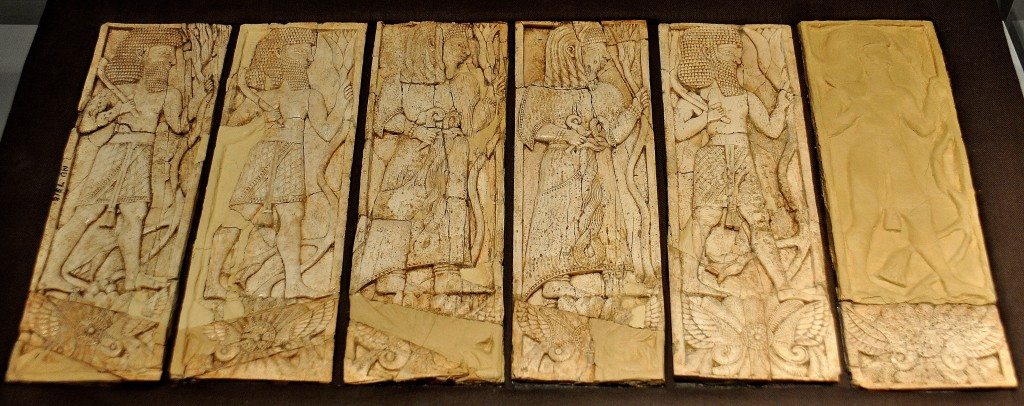
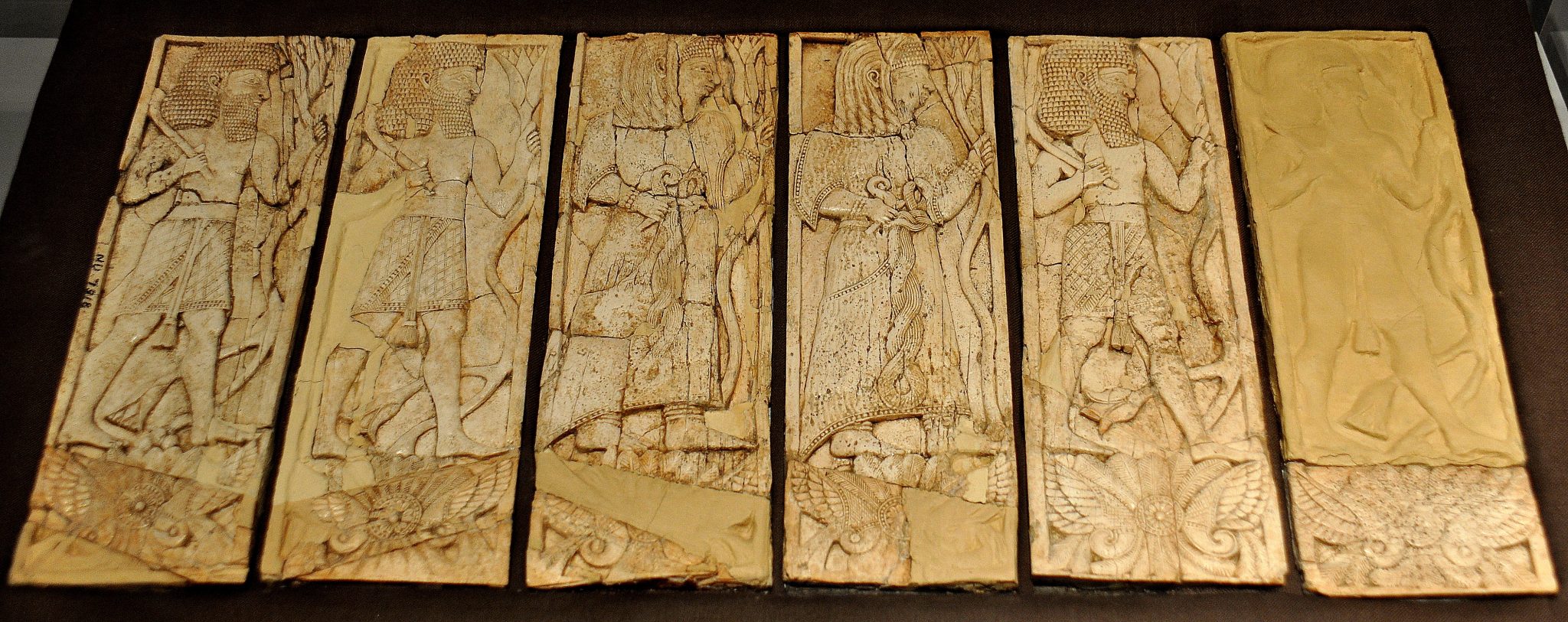
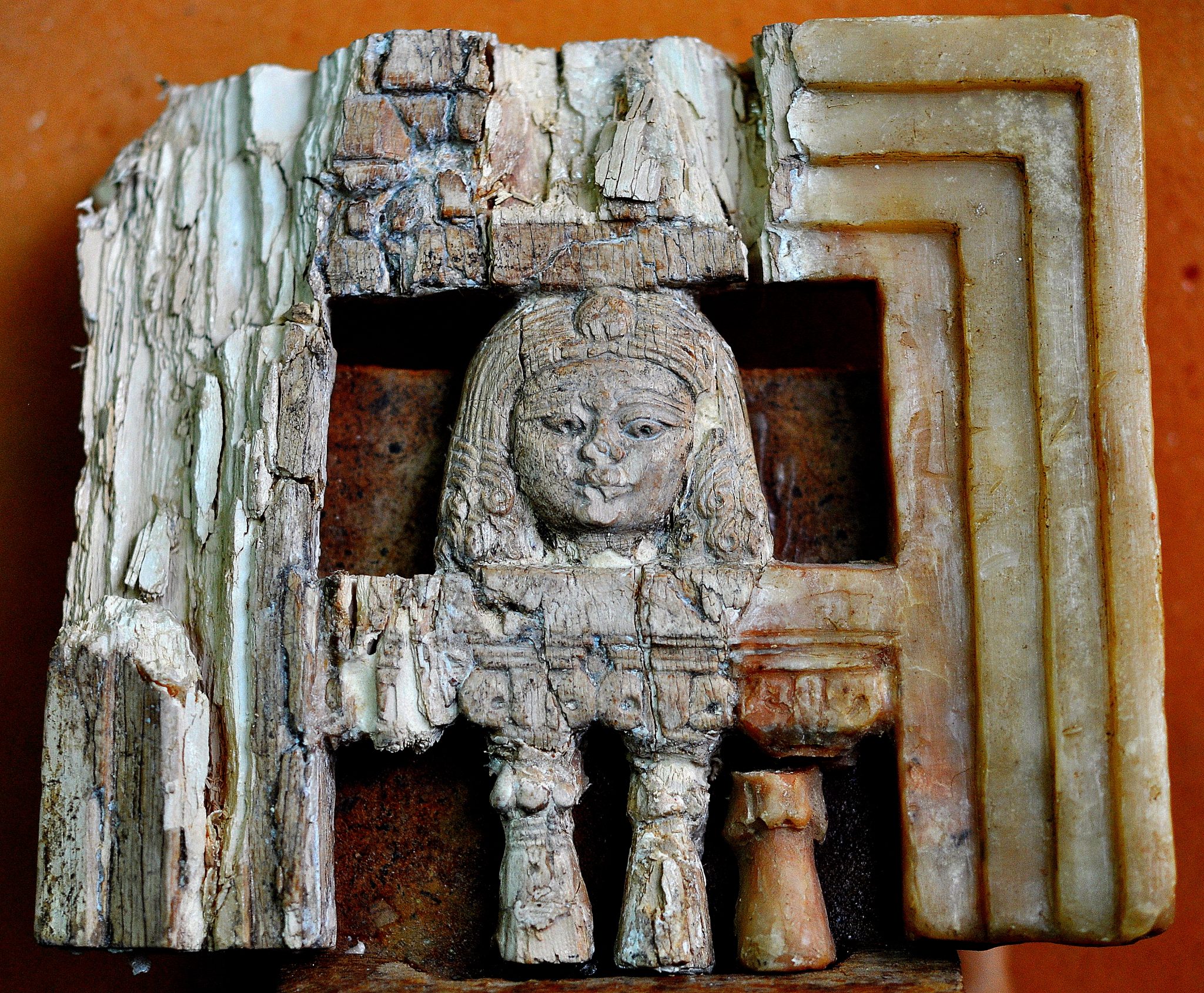
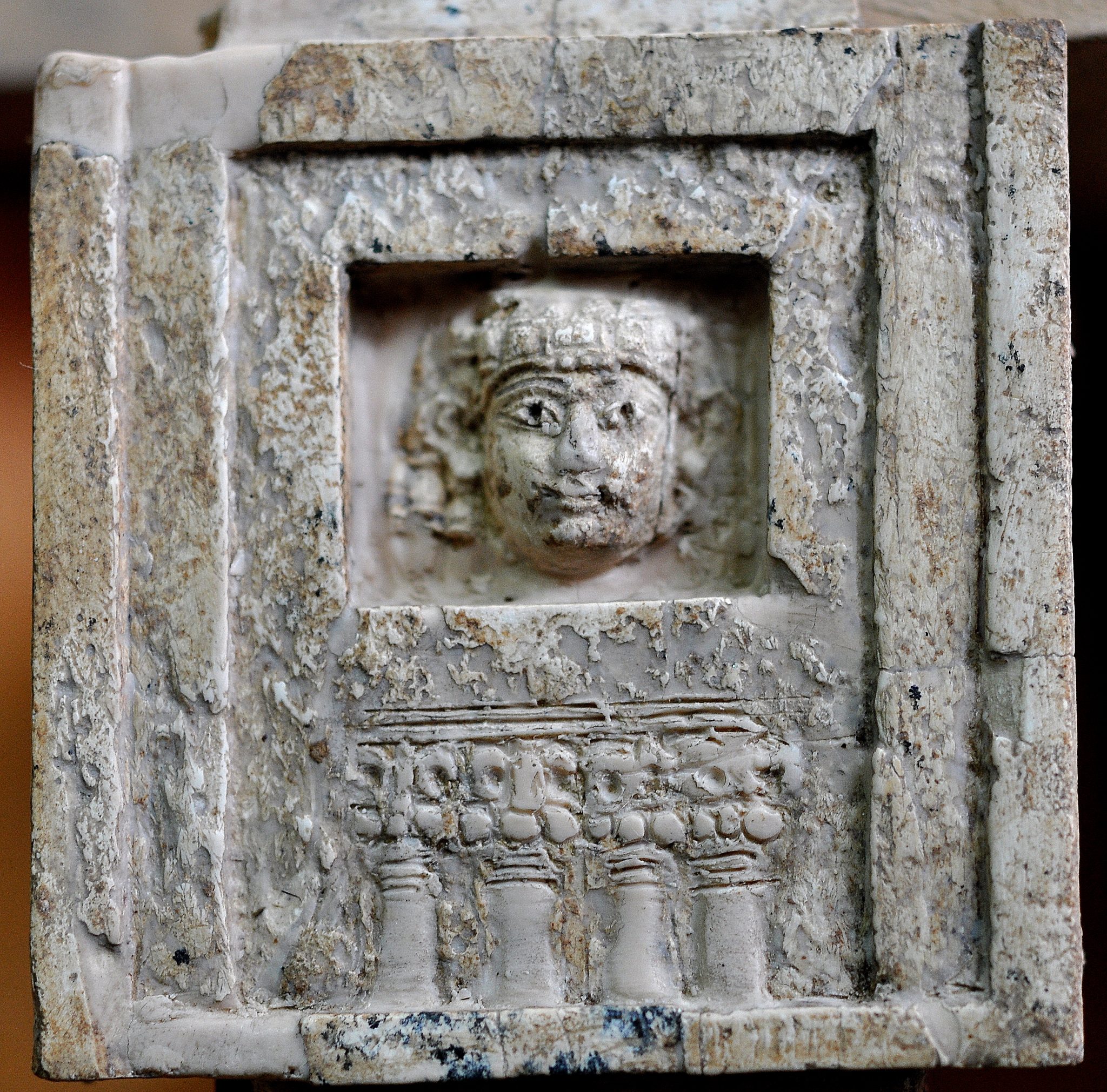
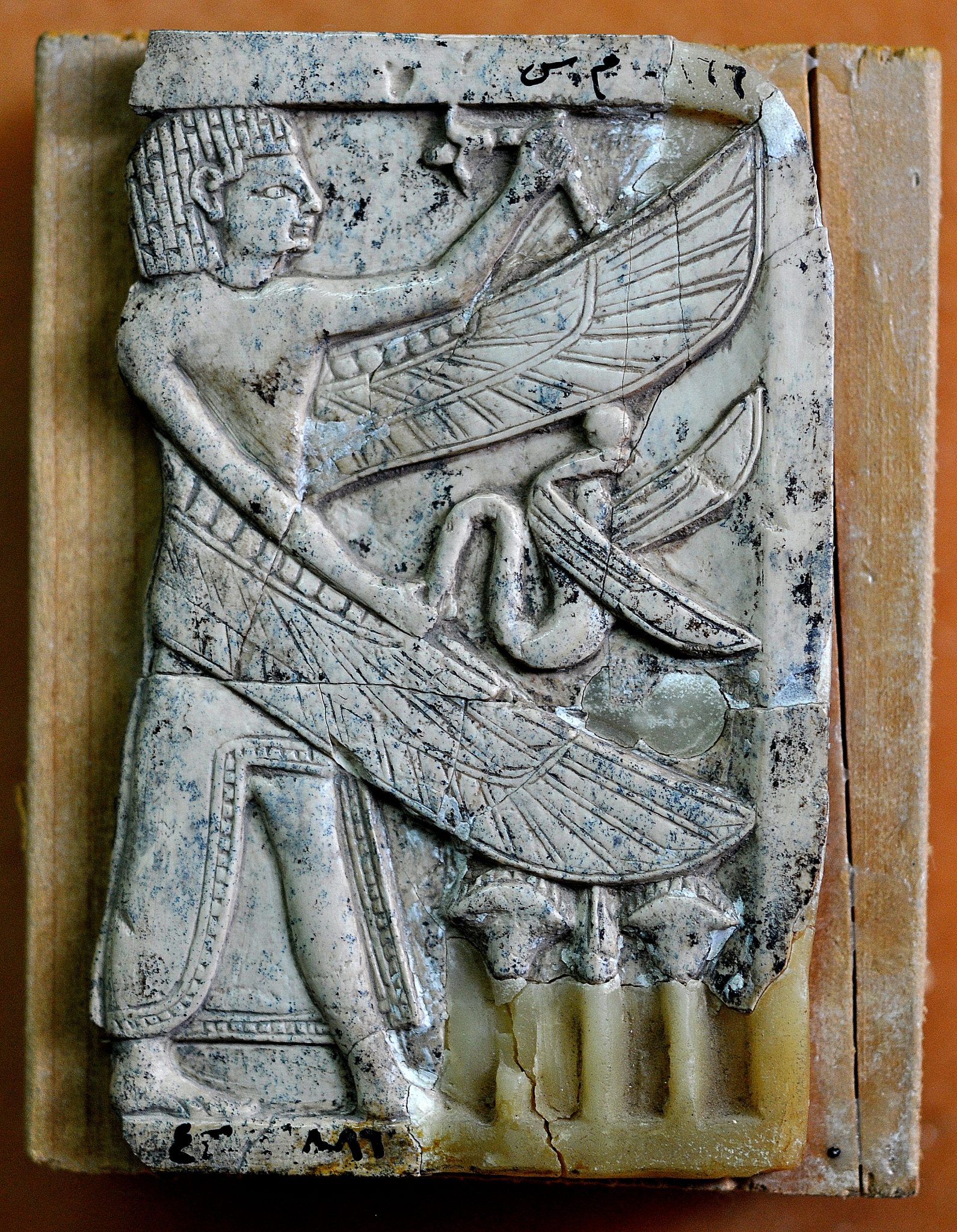
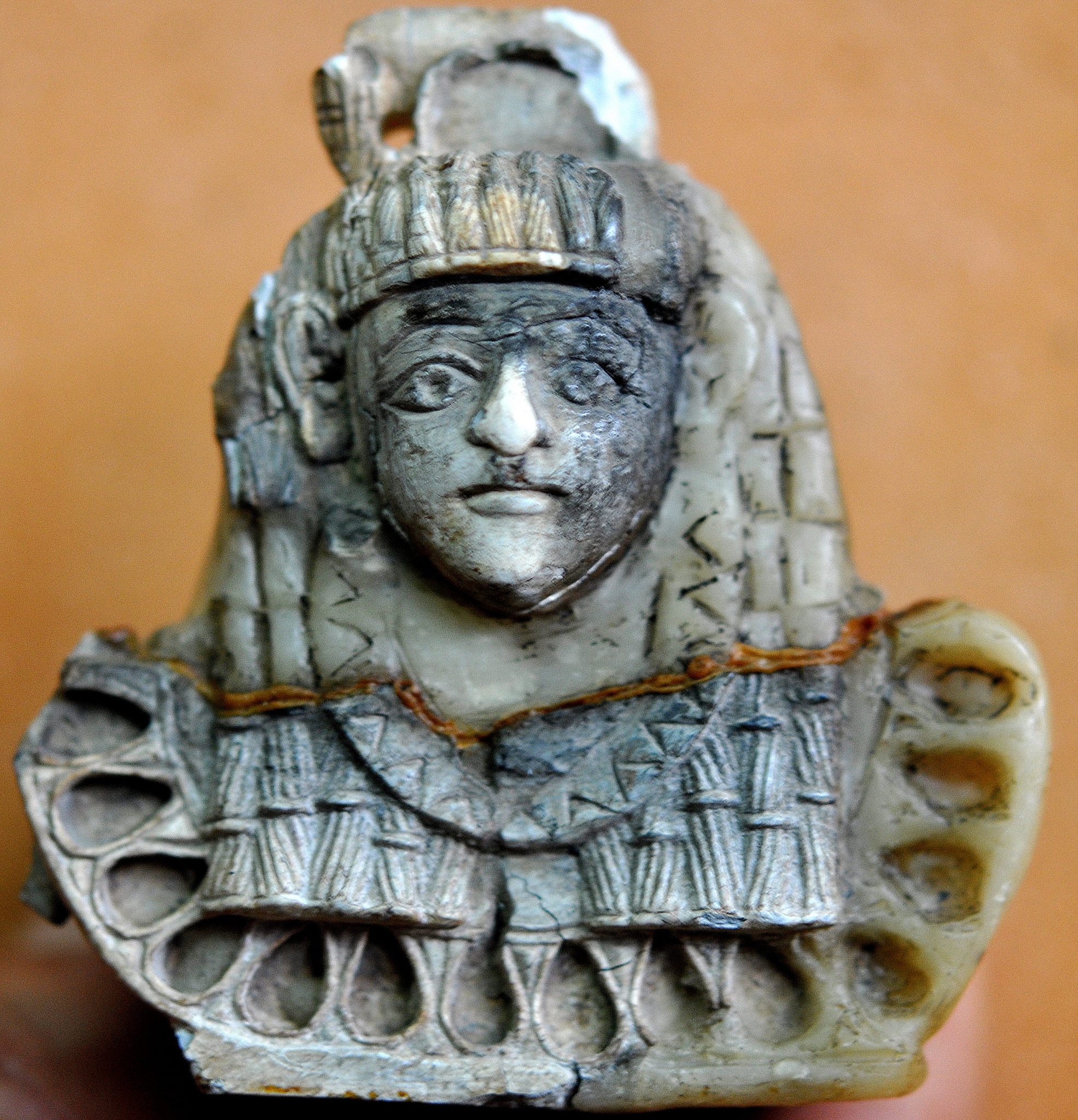
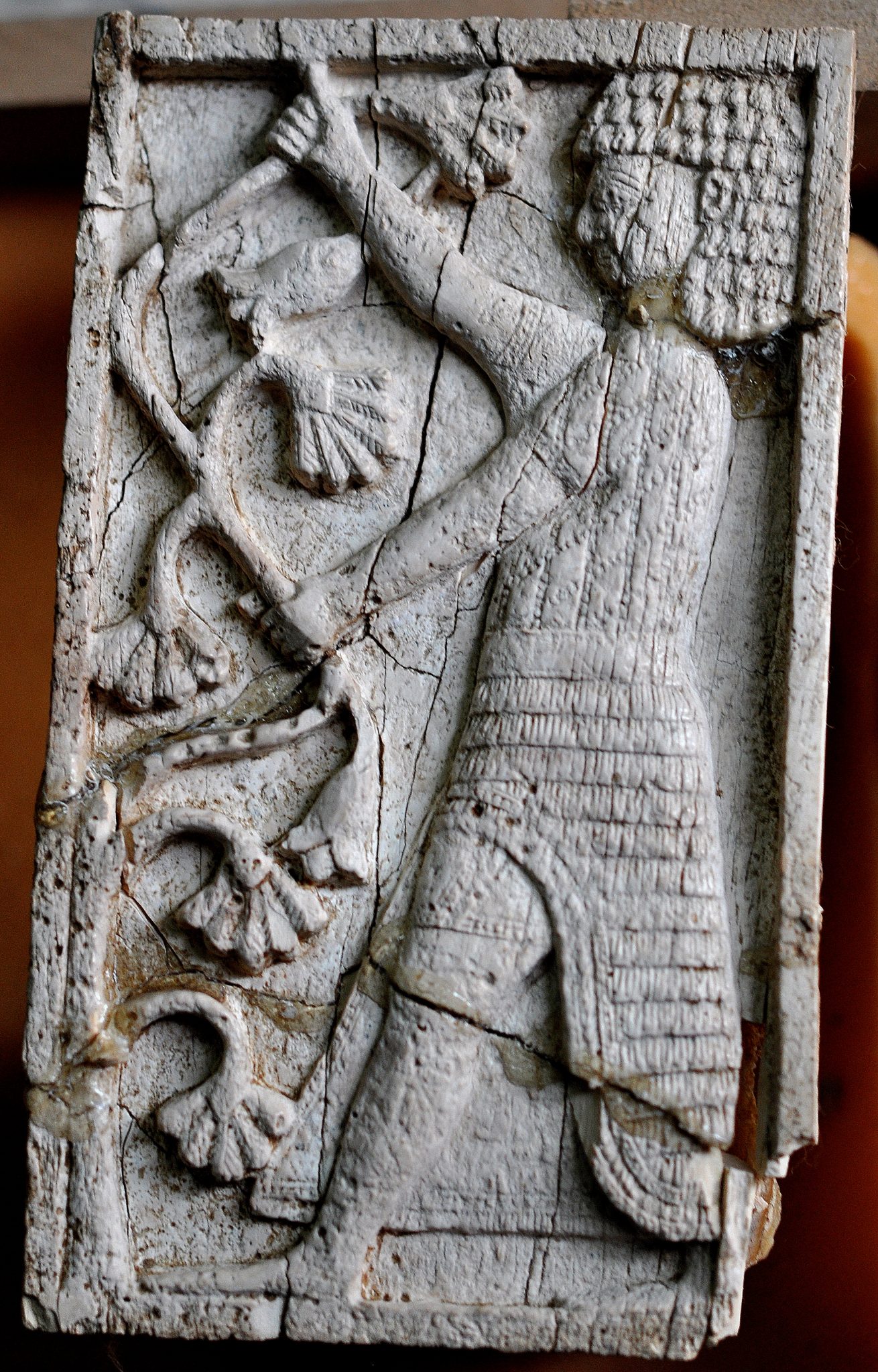
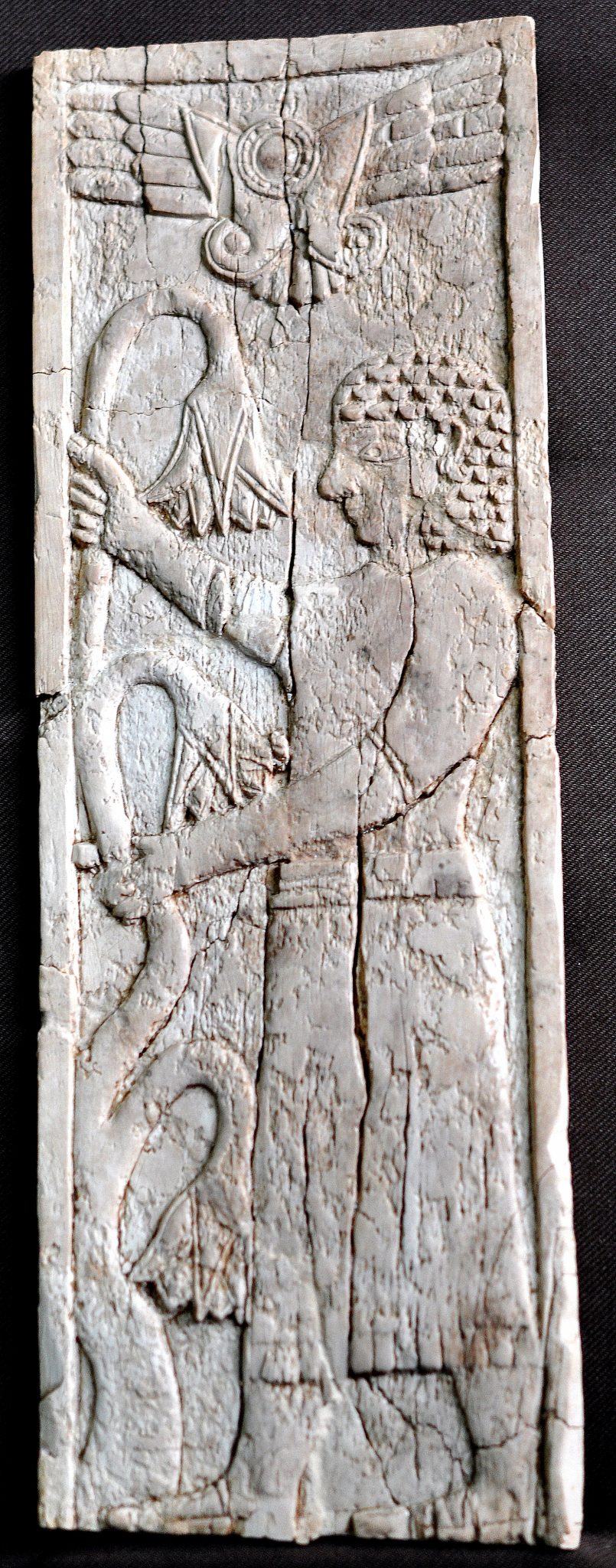
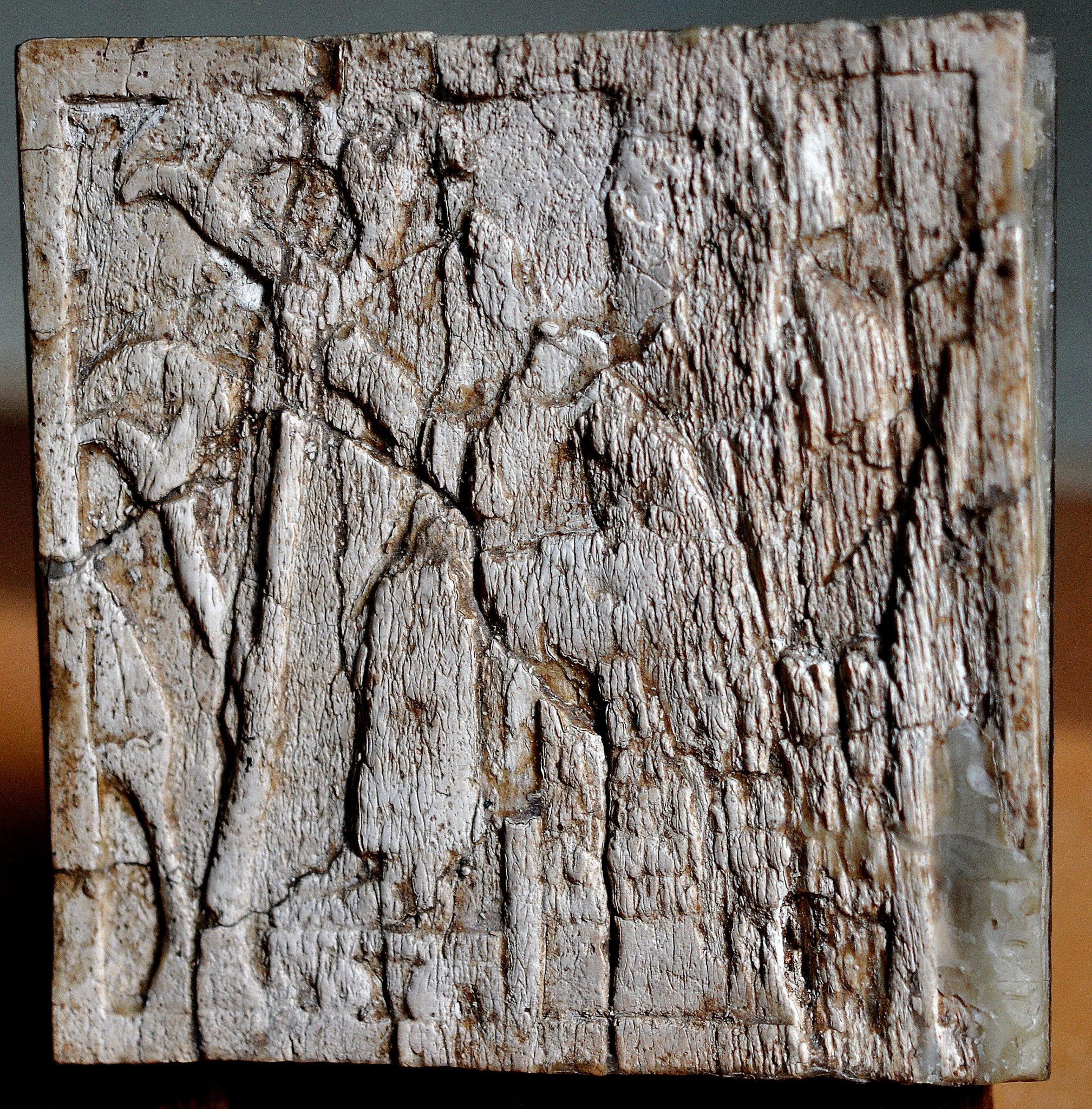
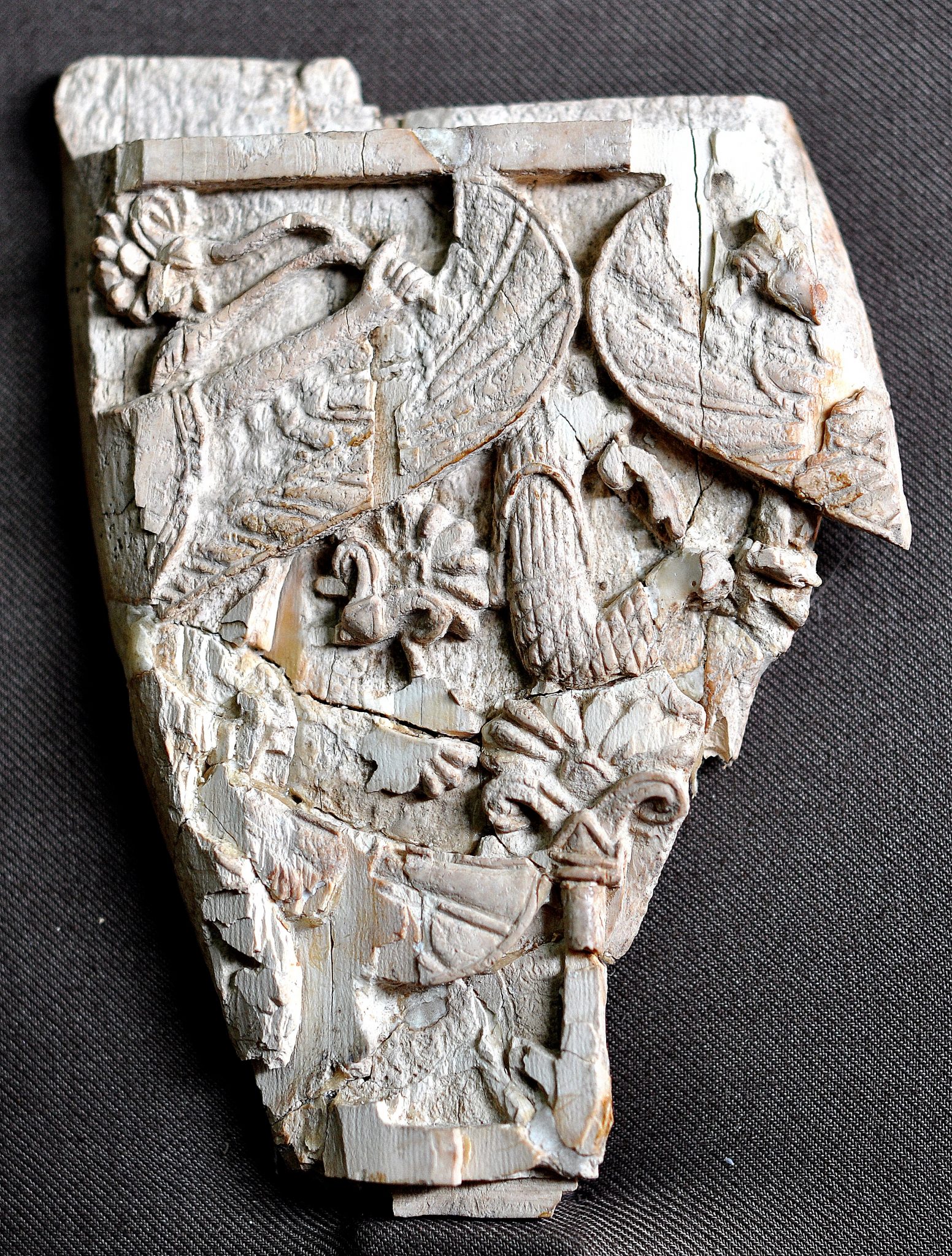
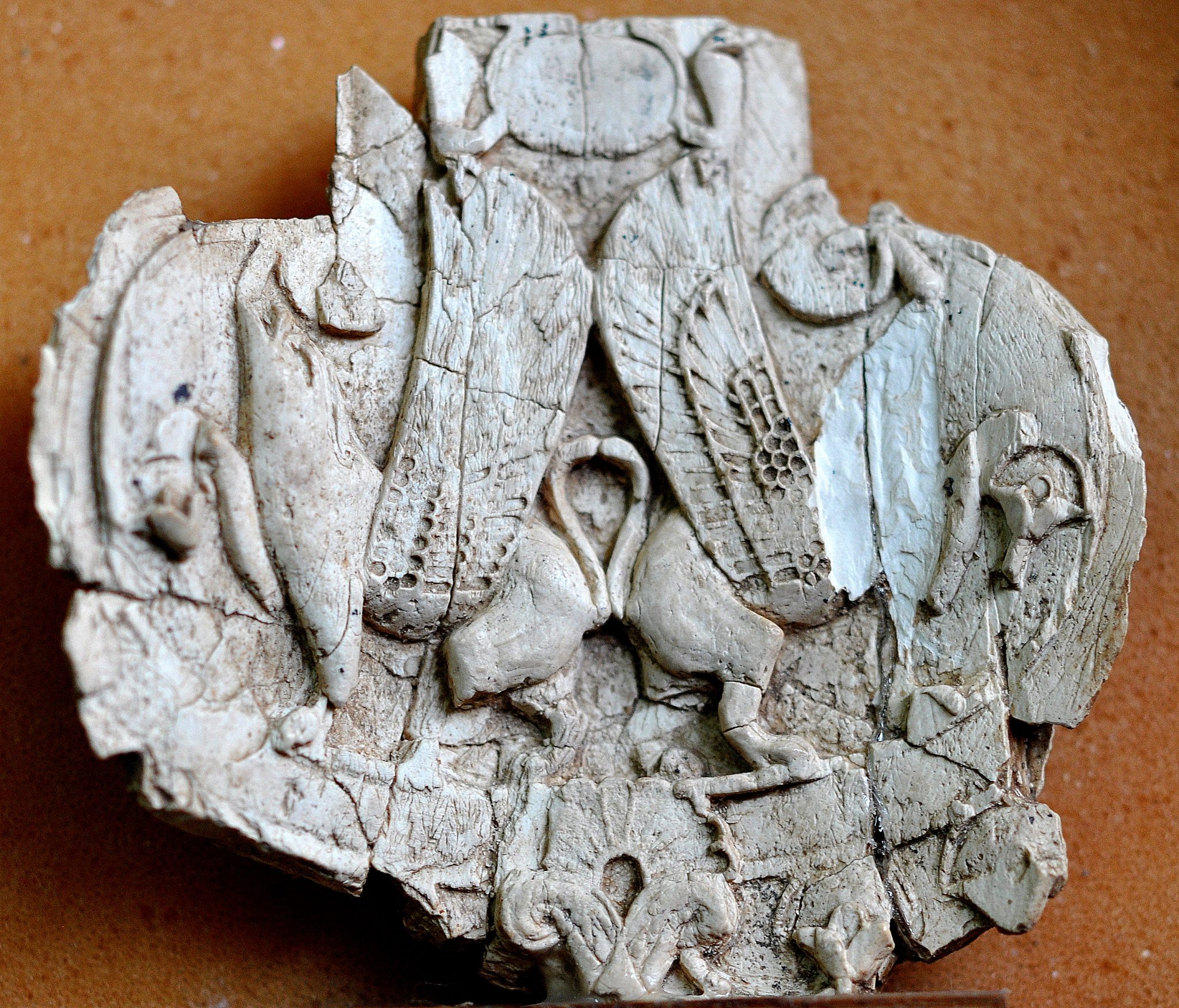
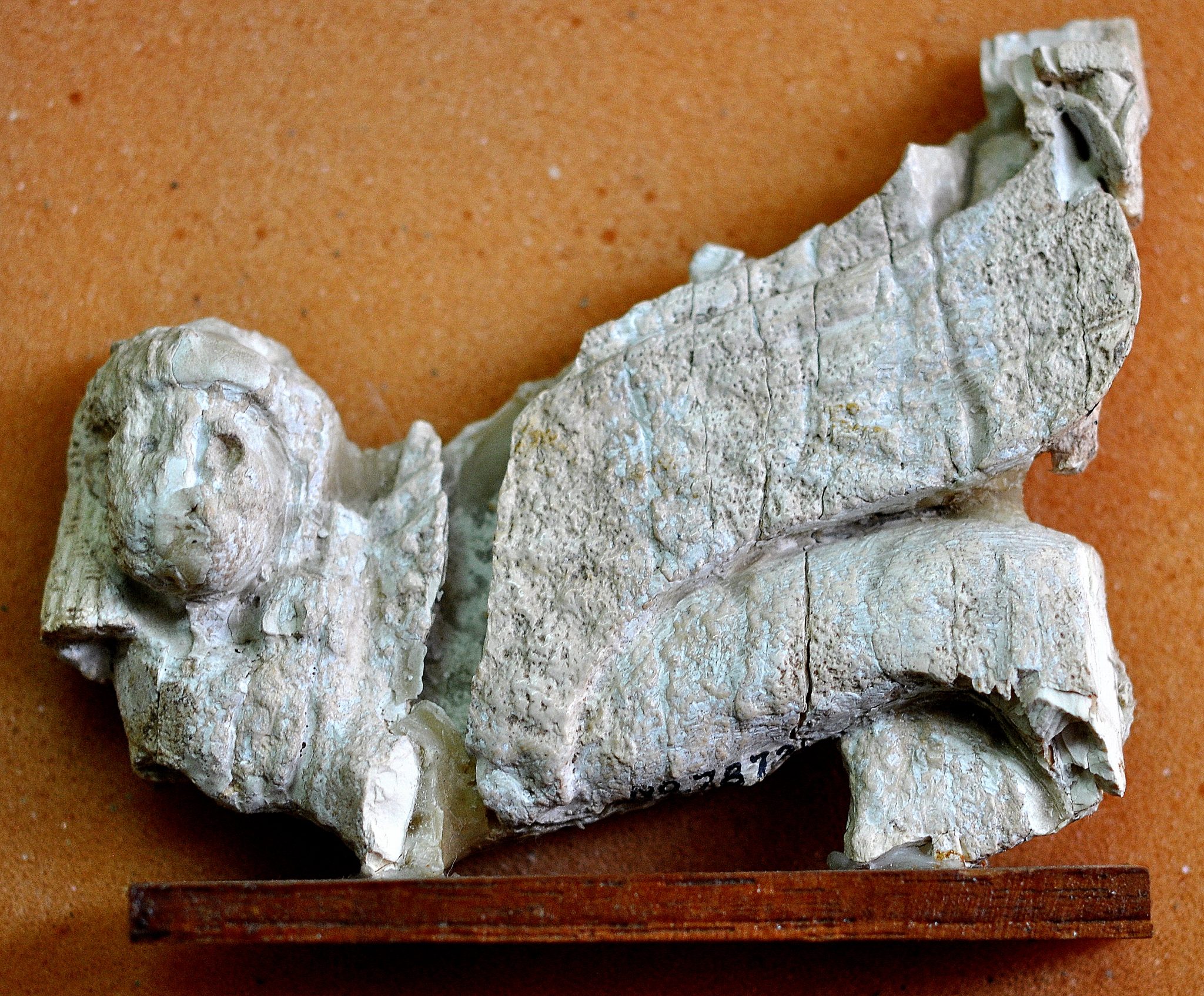
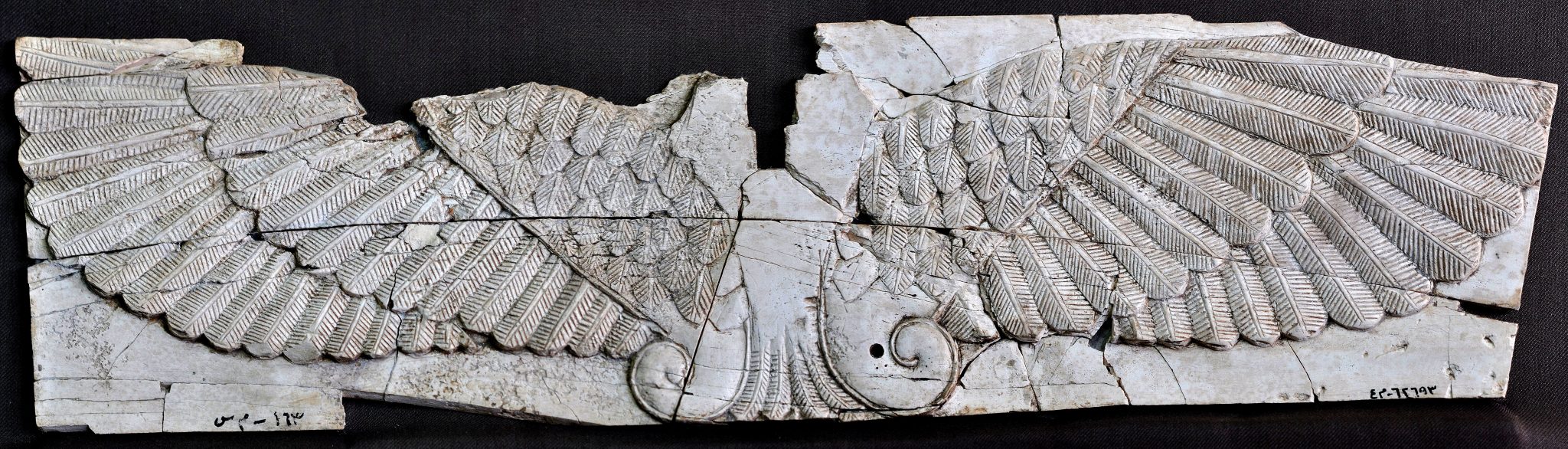
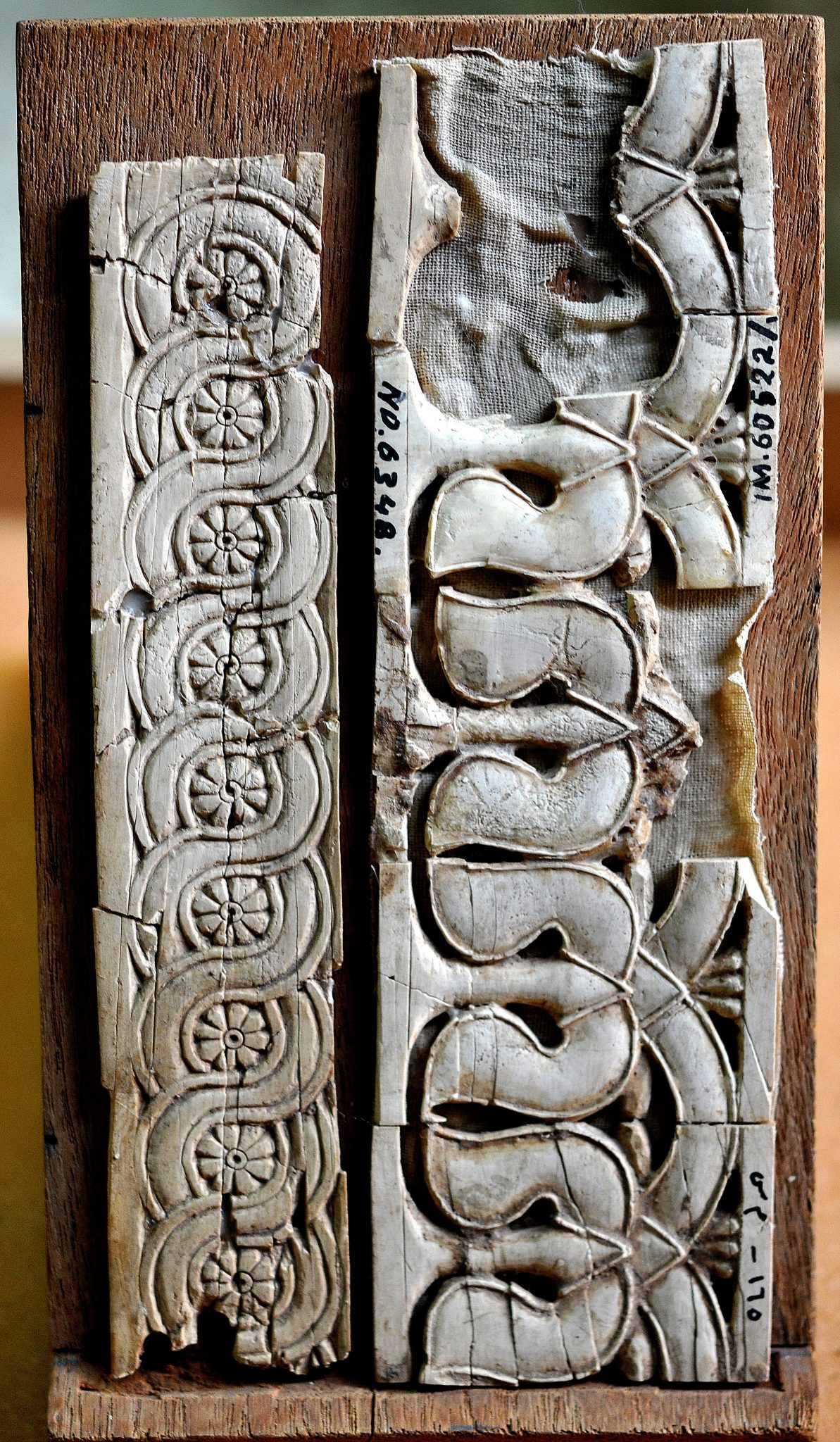
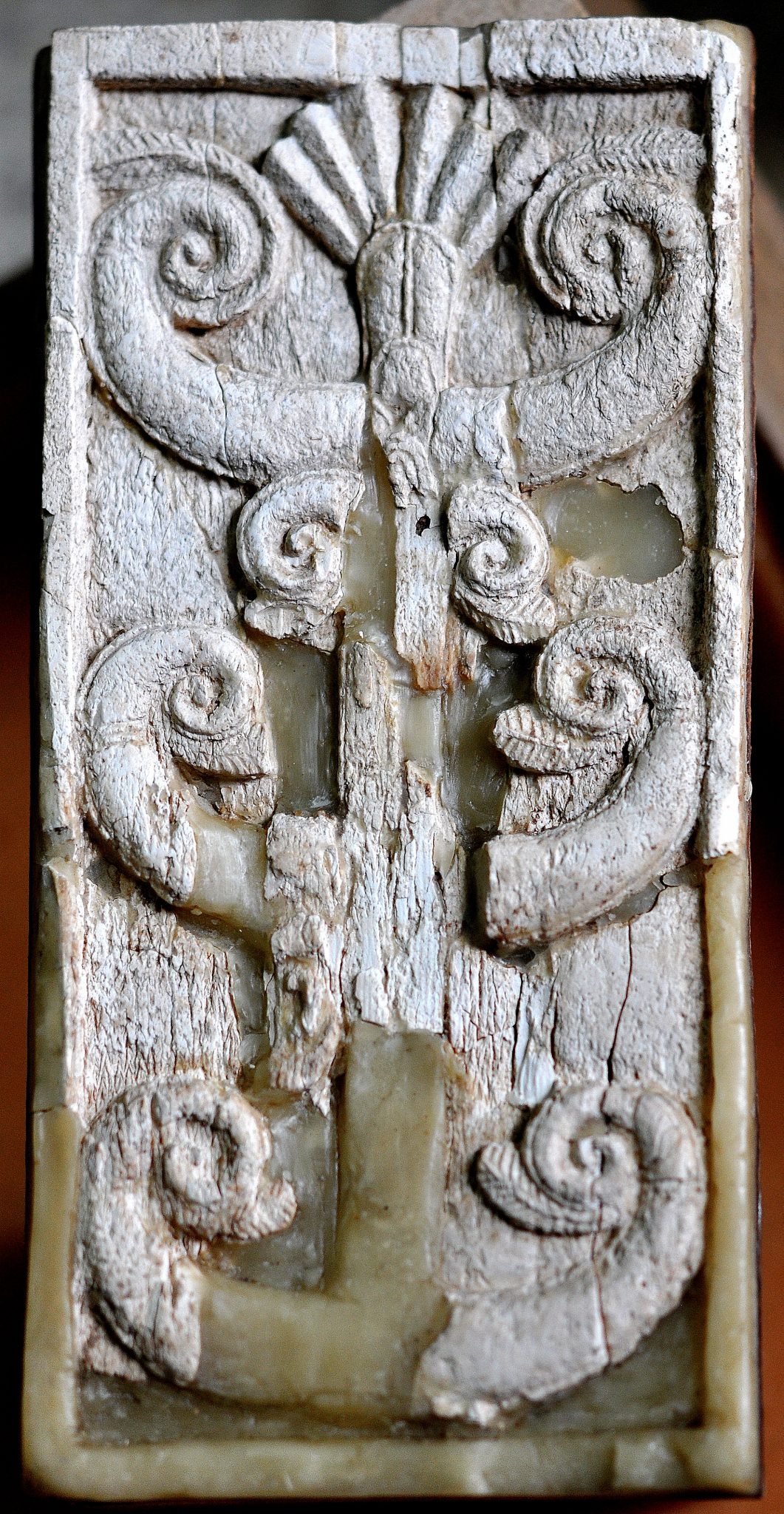
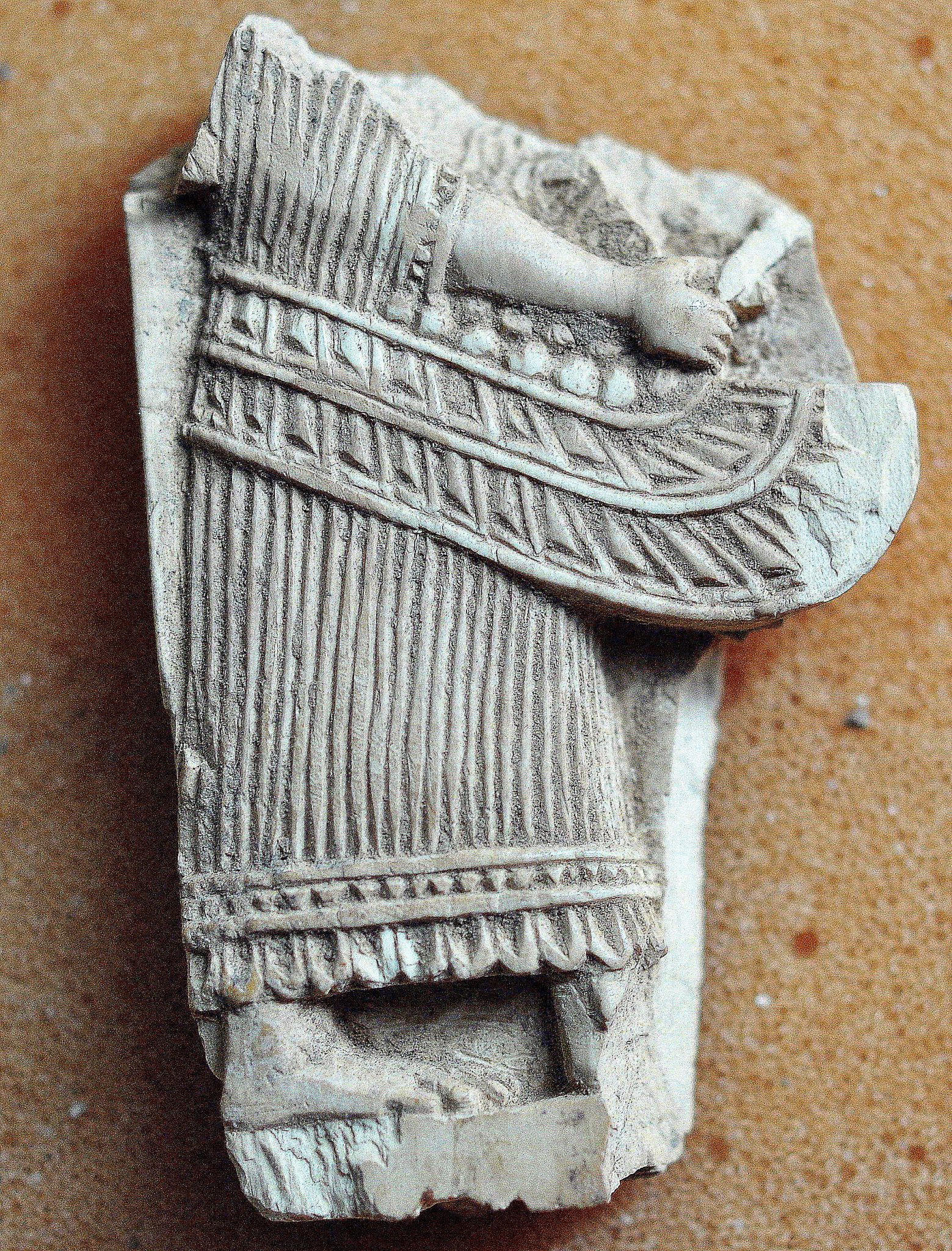
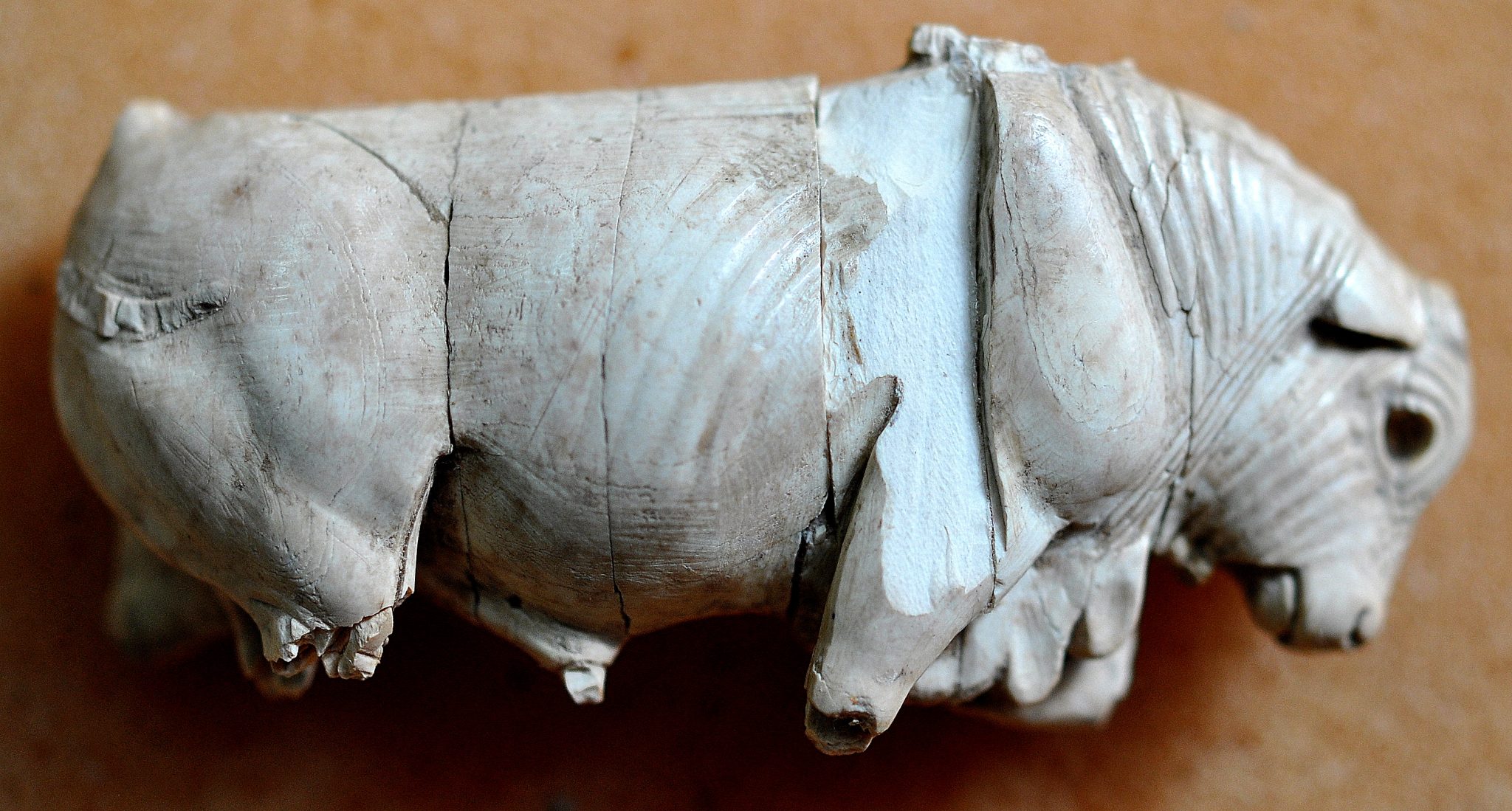
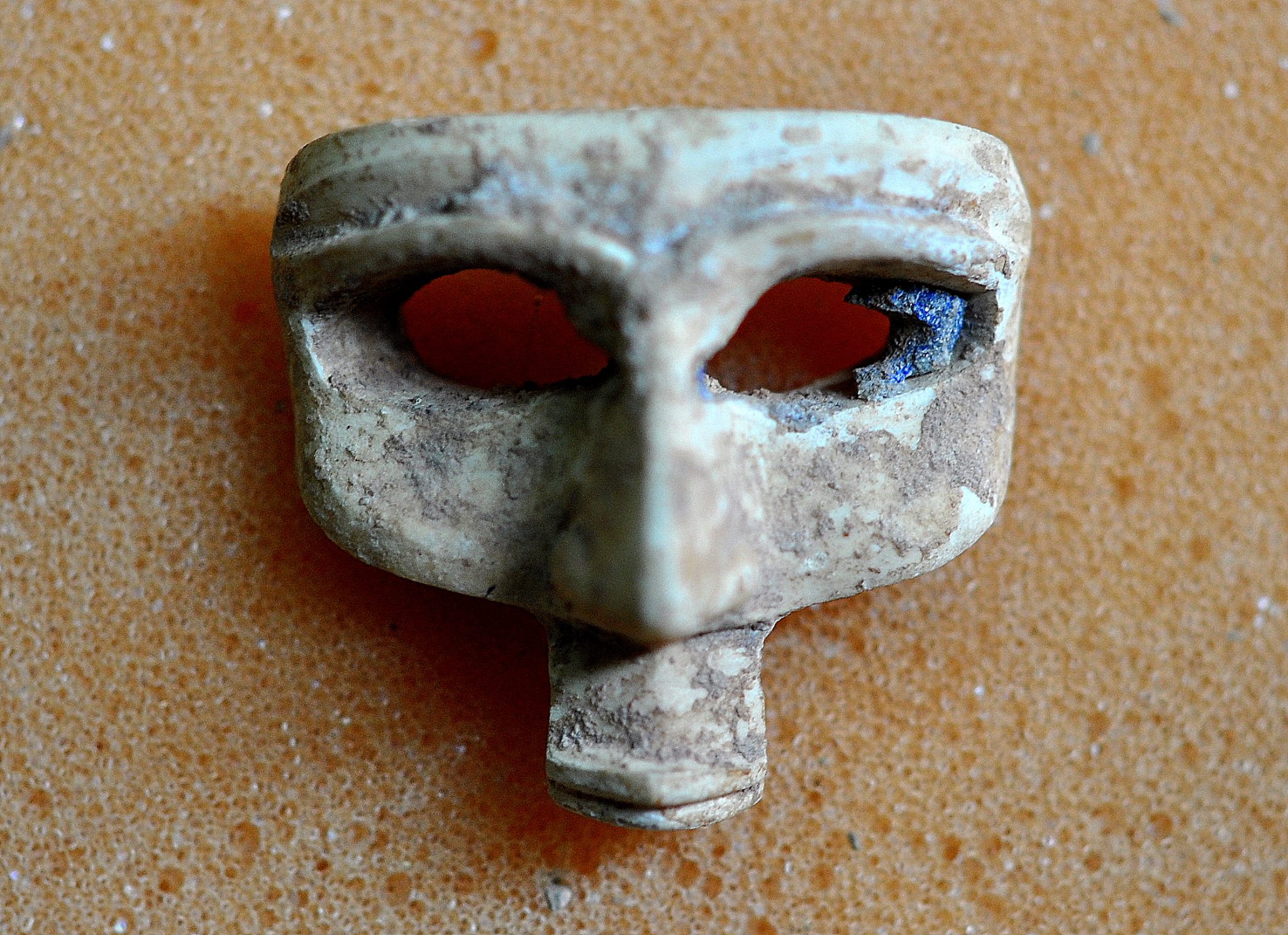
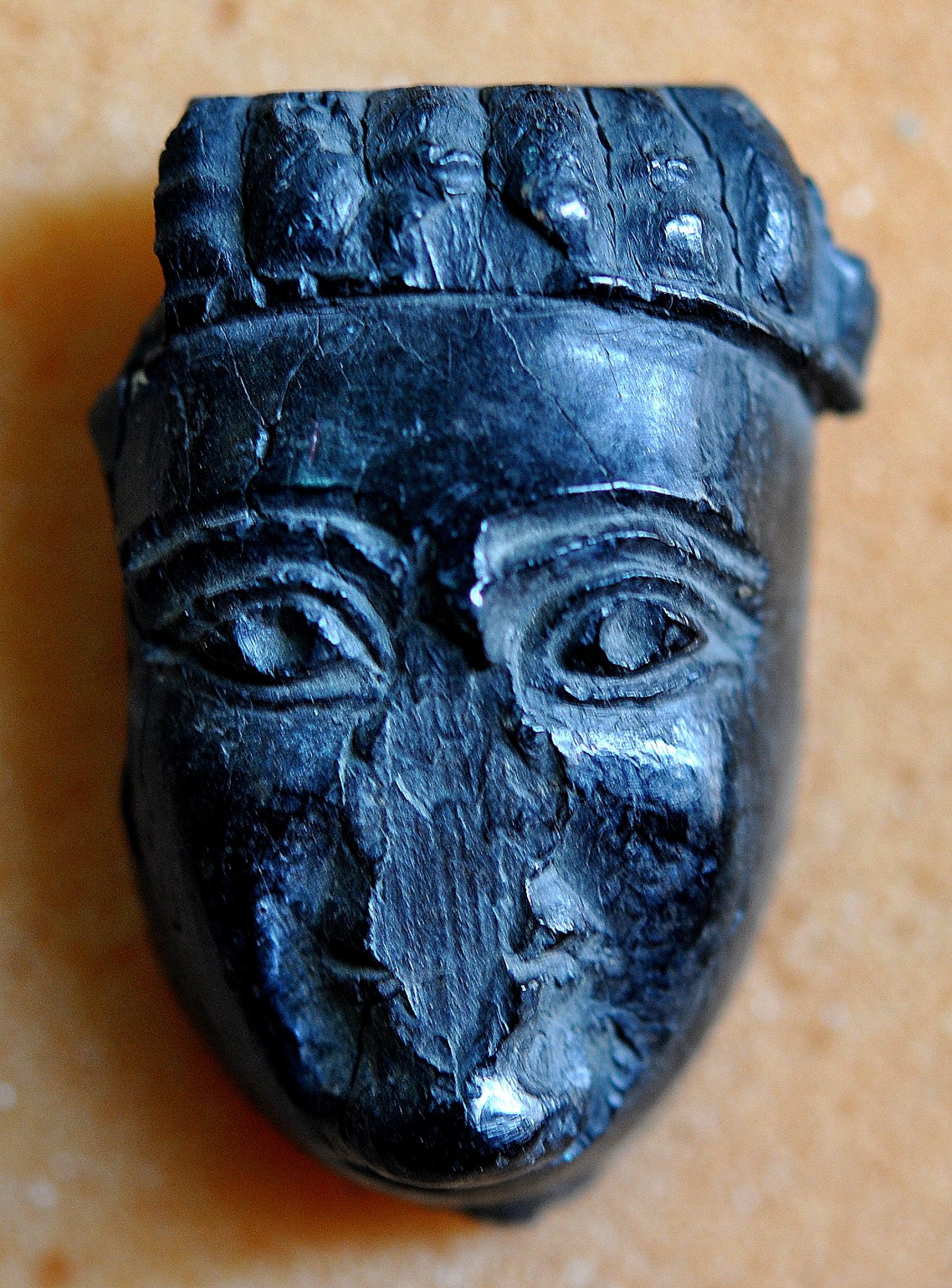
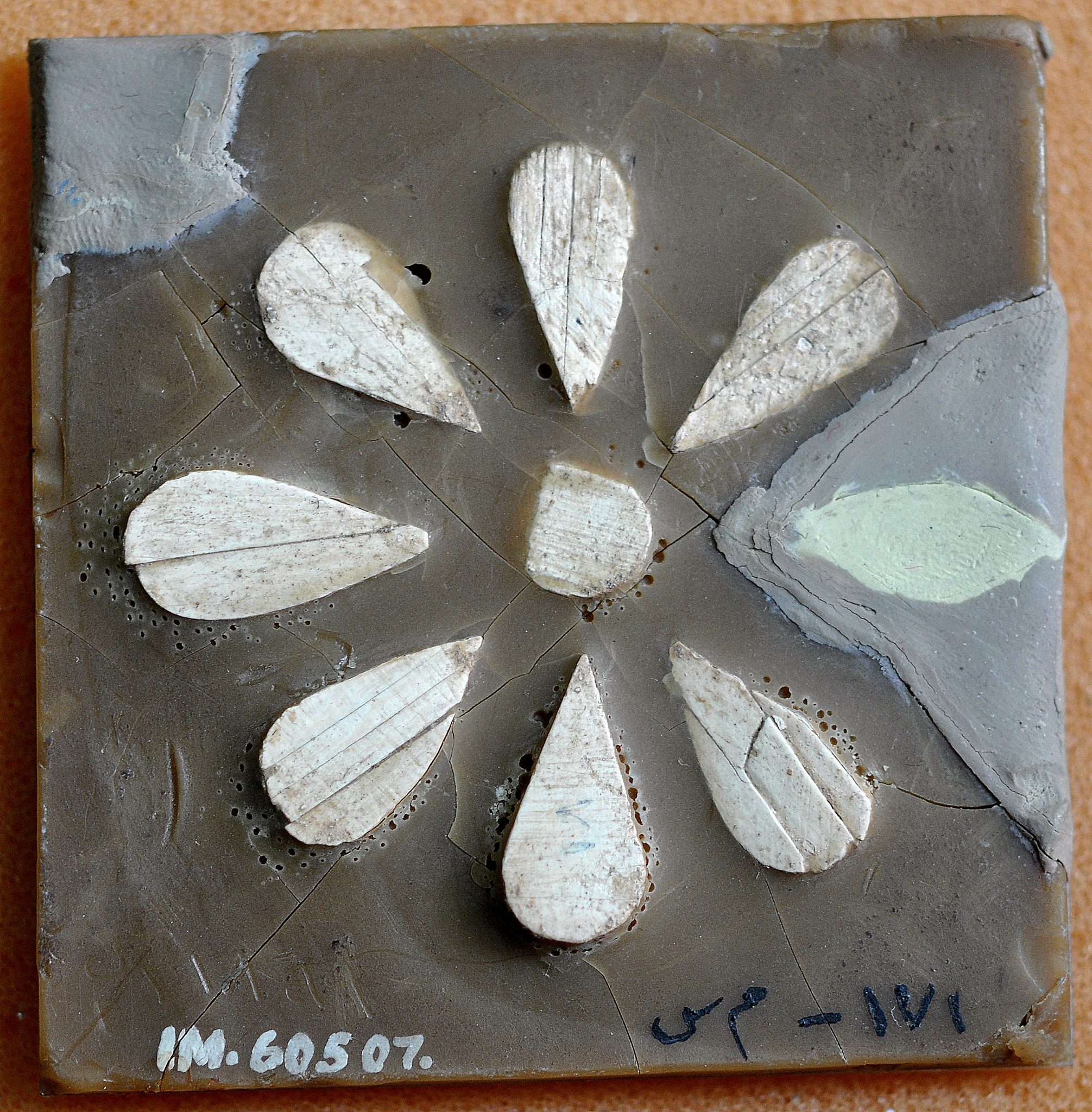
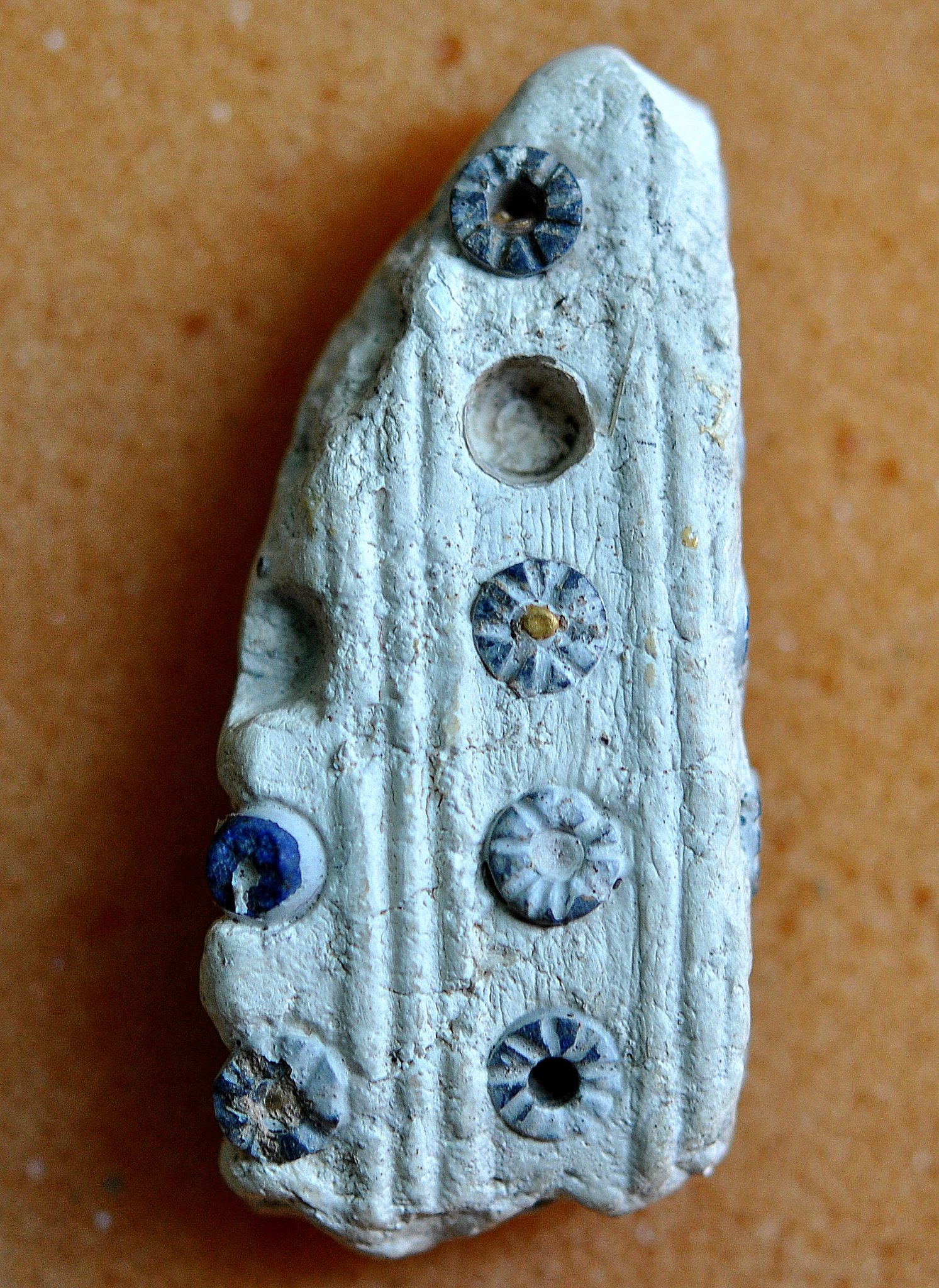
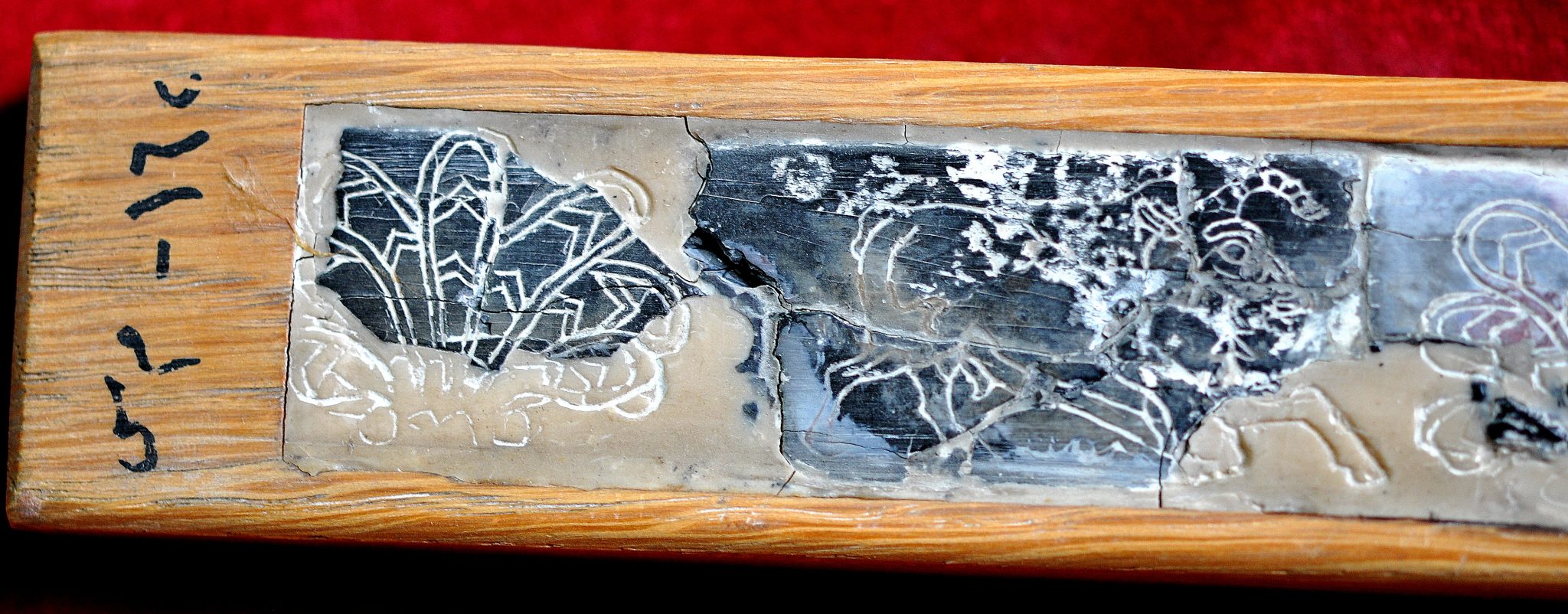
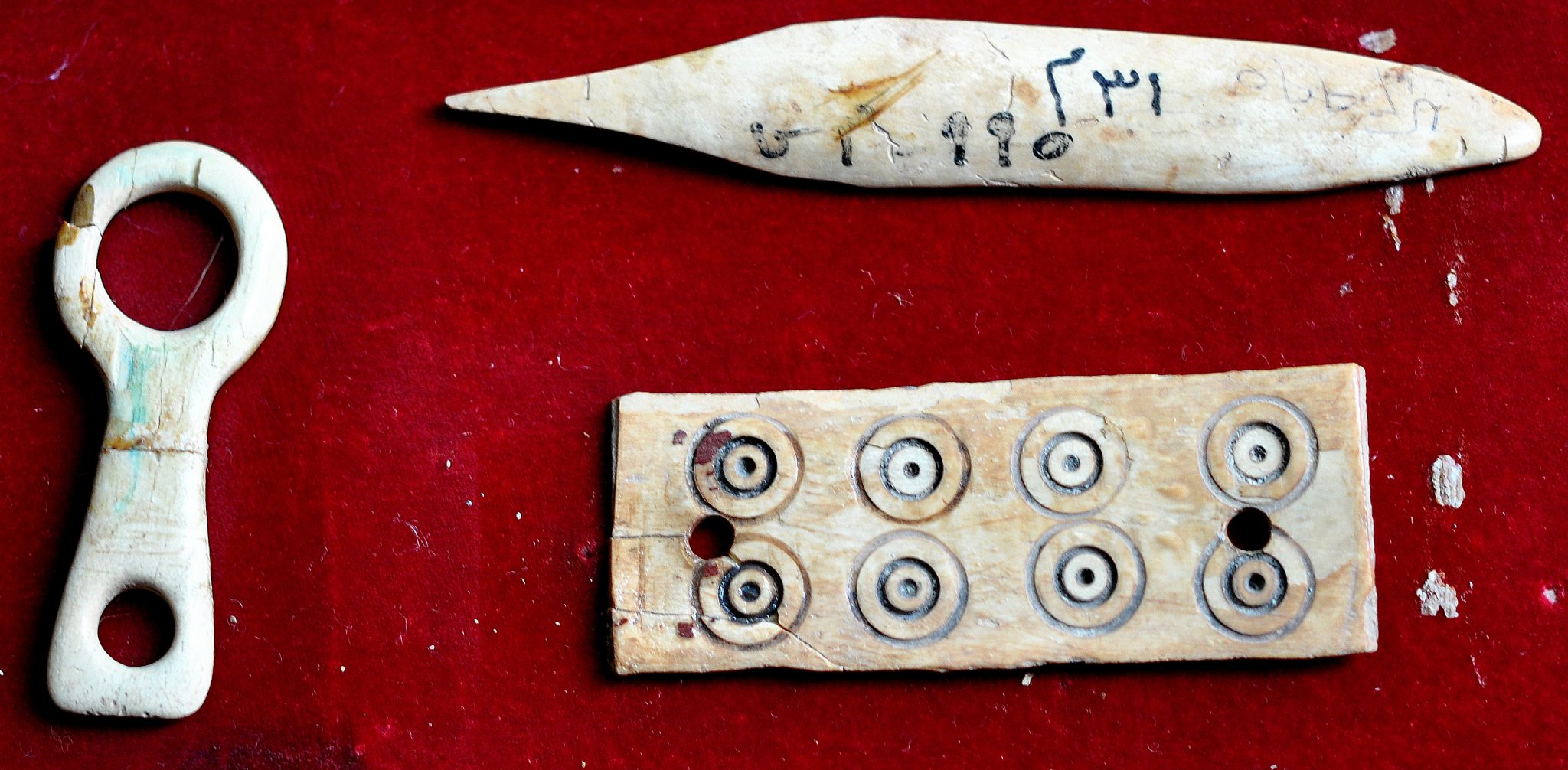
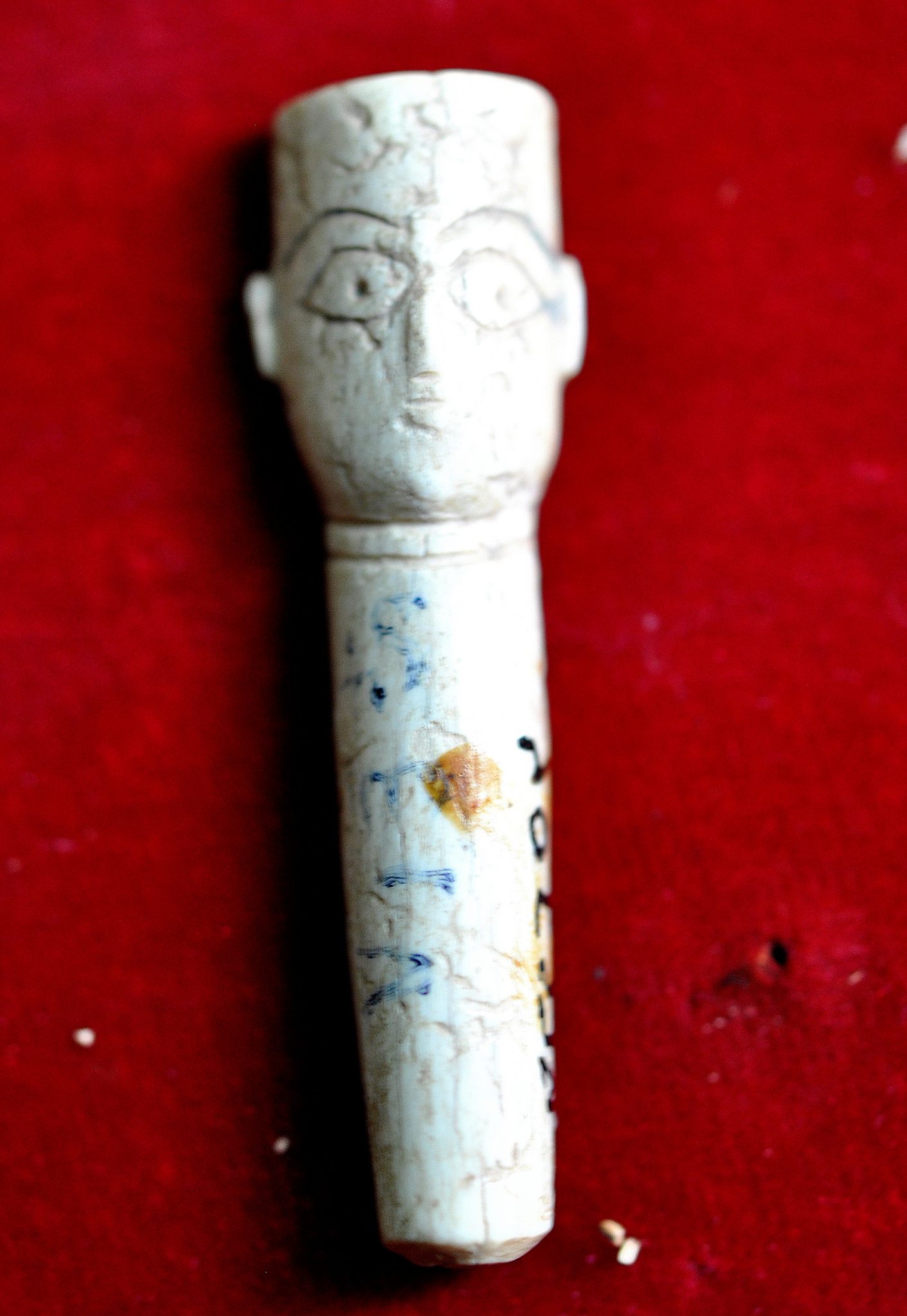
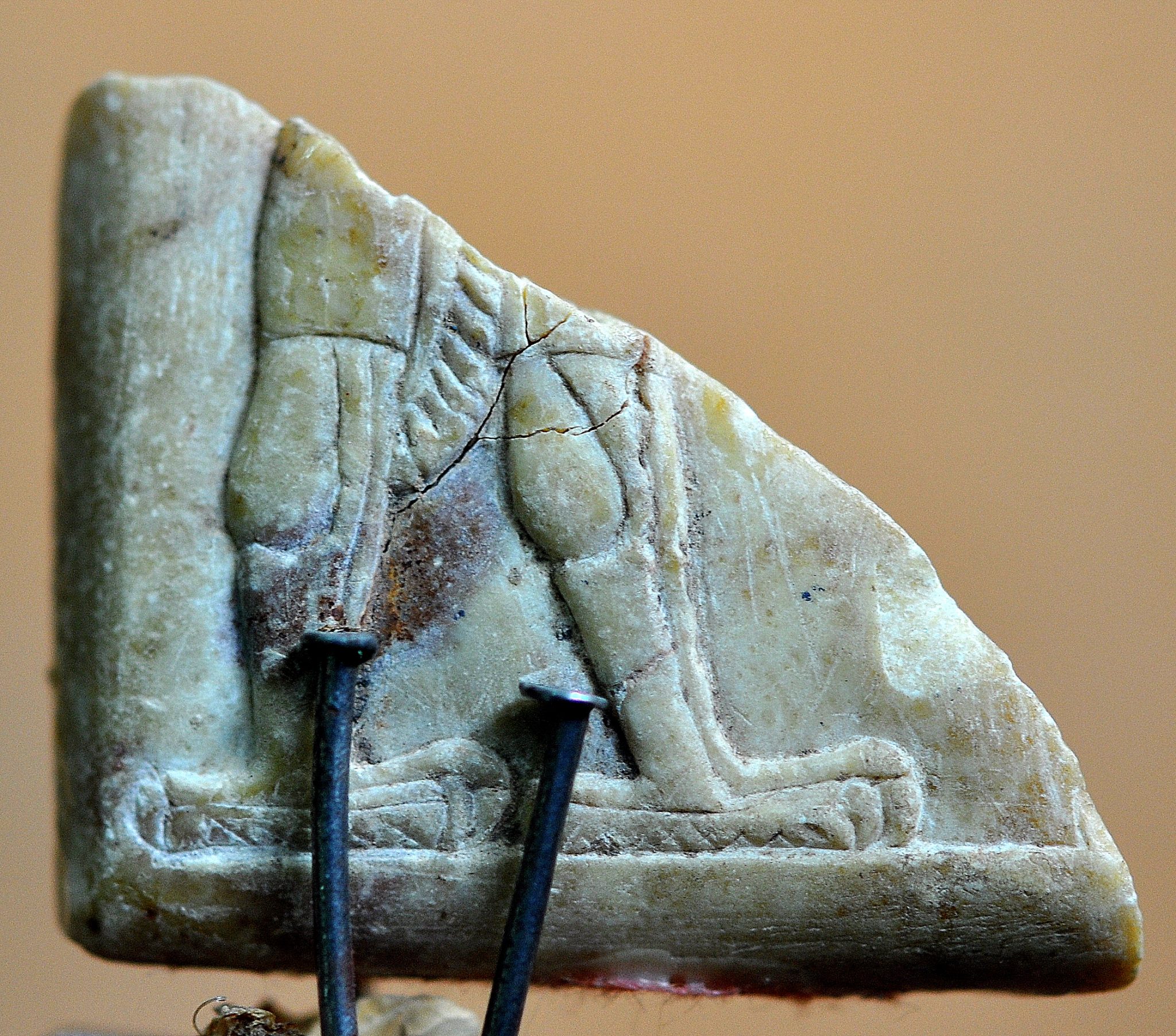
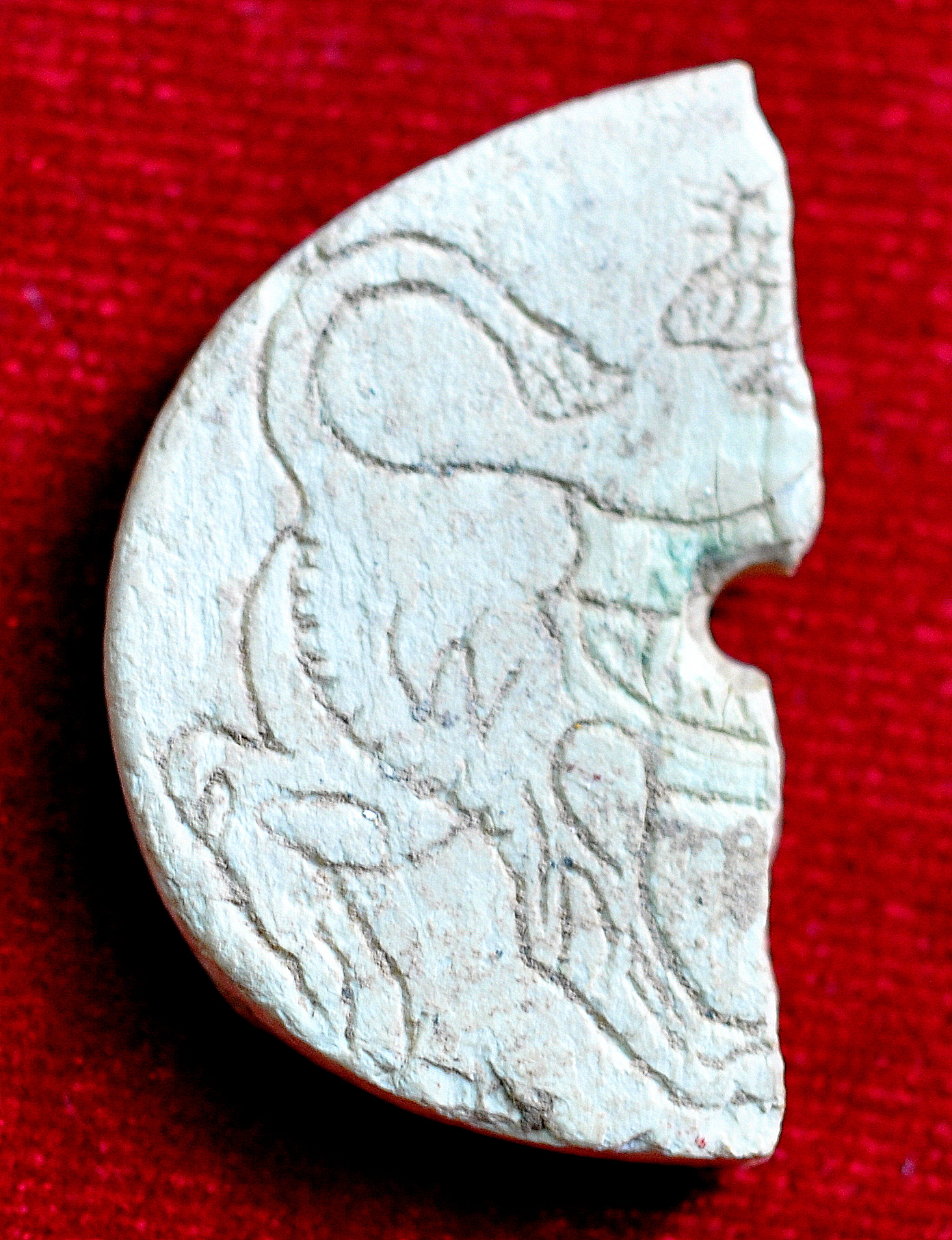
On October 4, 1961, the Sulaymaniyah Museum received several artifacts, part of the so-called “Nimrud Ivories.” The package was sent from the Iraqi Museum at Baghdad and authorized personnel delivered it. The accompanying documents were written in the Arabic language and very briefly and superficially describe each and every item. I was able to get access to the archives of these ivories at the archives department of the Sulaymaniyah Museum; no details of their excavation history, travel journey, reparation work, or exhibition are available. All these details can be found at the Iraqi Museum, of course.
On November 27, 2014, I was shooting photos of some Assyrian wall reliefs from the Northwest palace of the Assyrian king Ashurnasirpal II at Nimrud (ancient Kalhu; Biblical Calah). Two large display cases next to me drew my attention; these housed the Nimrud Ivories. I spoke to Mr. Hashim Hama Abdullah, the director of the museum, about them. I told him that the British Museum had successfully gathered £1,170,000 (through donation) in order to acquire a large number of Nimrud Ivories.
“Why not let the world see our collection of these ivories?” I said to him. “Scientists, archaeologists, post-graduate and undergraduate archaeology students, and the public around the world have not heard of the Sulaymaniyah Museum and have no idea that we own some of the Nimrud Ivories,” I added. He said, “What do you suggest?” I replied, “Please let me shoot photos of each and every item and then provide me with some details!” He immediately responded, “You can approach and shoot photos of each and every item, as you like!” He asked Ms. Niyan Saber to help me. She is one of the museum’s archaeologists, who has an extreme interest in the Nimrud Ivories and who participated in their restoration work in 2012.
I, with the great help of Ms. Niyan, took pictures of the ivories. We chatted a lot meanwhile. She helped a lot; she described each and every item and showed me which areas had cracked and then been repaired. An American team did the restoration work in 2012. I was afraid to touch and feel these ivories; they were very delicate!
This collection was excavated by Sir Max Mallowan between 1949-1963 CE at the ancient city of Nimrud. The work was led by the British Institute for the Study of Iraq (at that time it was named the British School of Archaeology).
Mr. Hashim said, “As you may see, Osama, some of the ivories were stamped with the letters ‘ND’ and a number (this reflects their excavation number when they were found at Nimrud). Then, some of them were stamped with ‘MM’ (or م م in Arabic), which means that these ivories were next transferred to the Mosul Museum. The stamp of the Iraqi Museum (‘IM’) is seen on all ivories and is very clearly highlighted. Finally, we were given some of the ivories in the year 1961 CE, when the museum was very new and the ivories held our stamp, ‘SM’ or س م!” Finally he said, “Osama, please feel free to tell the world about this very inaccessible collection of ours.”
Iraq is a war area, and the current turbulent circumstances prevent foreigners, tourists, and Western scientists and archaeologists from reaching us. My intention is to tell you about this collection of ivories at the Sulaymaniyah Museum in Iraqi Kurdistan. I will ask my dear friends, Joshua Mark and Mark Cartwright to draft a detailed article about the archaeology of the Nimrud Ivories; I hope they will accept!
Many thanks go to Mr. Hashim Hama Abdullah, the Director of the Sulaymaniyah Museum, and archaeologist Niyan Saber, for their kind help. A special gratitude goes to the Patriotic Union of Kurdistan; without their generosity and continuous funding, this collection would have not been repaired, and without their permission, this set of photos would have not been seen by the world.
A total of 29 items were photographed. This number represents the whole collection. If you ever visit the Sulaymaniyah Museum, don’t forget to go to the end of the left wing hall and see the Nimrud Ivories!