
Author: Carole Raddato
-
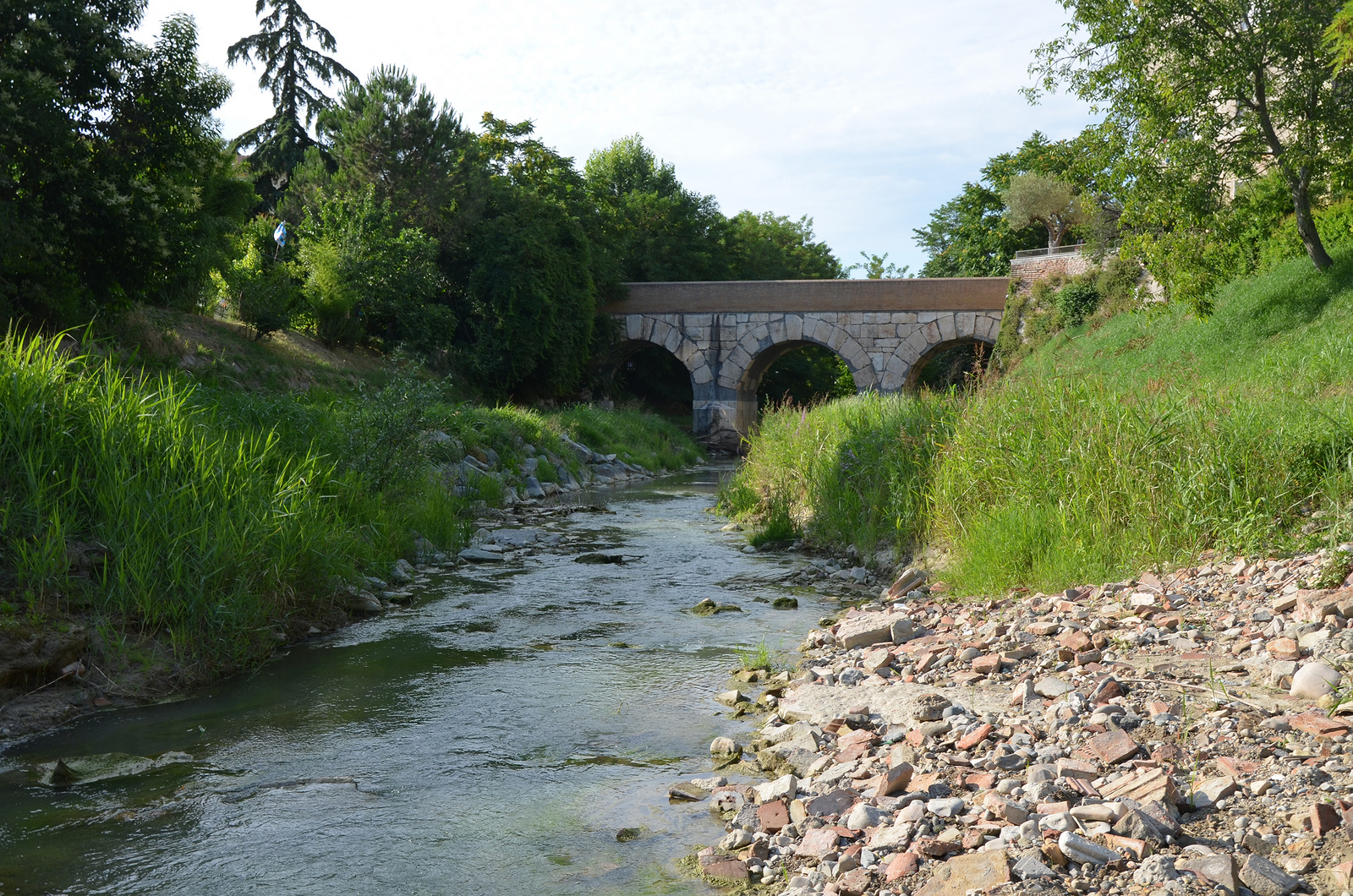
Crossing the Rubicon
On 10th January in 49 BC, Julius Caesar and his troops famously crossed the Rubicon, the river marking the boundary between the province of Cisalpine Gaul and Italy. Taking the 13th Legion over this forbidden frontier constituted an act of treason and triggered civil war in Rome. According to the historian Suetonius, Caesar uttered the…
-
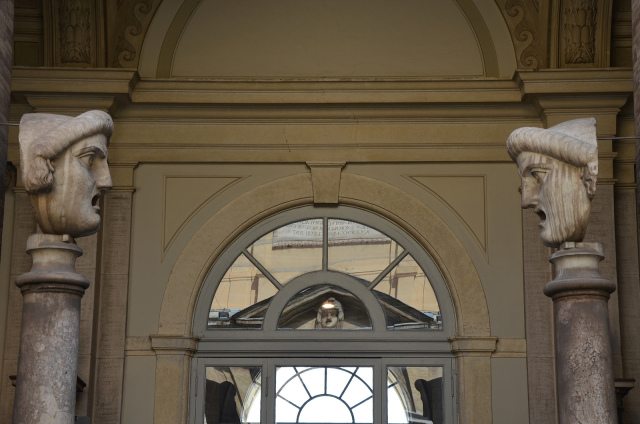
Art and Sculptures from Hadrian’s Villa: The Marble Theatrical Masks
This month’s masterpieces from Hadrian’s Villa are the larger than life-size marble theatrical masks that once decorated the scaenae frons (stage-front) of the odeon of the villa.
-
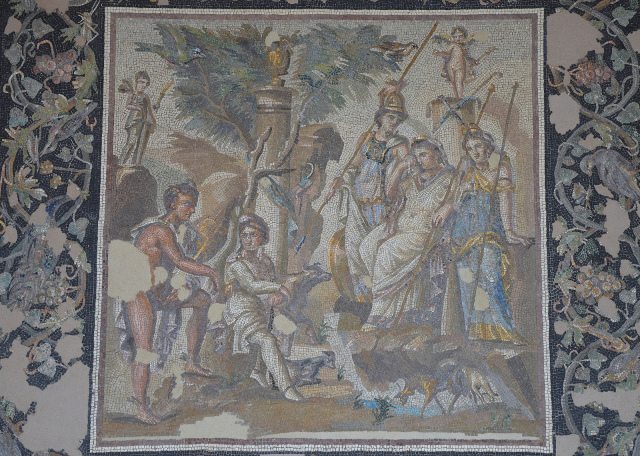
The 115 AD Earthquake in Antioch
Exactly 1900 years ago¹, Hadrian survived a violent and devastating earthquake while wintering in Antioch during Trajan’s campaign in the east. Hadrian had been in Syria since January 114 AD as imperial legate (envoy to the emperor), and as such, had taken up residence in Antiochia ad Orontem (Antioch on the Orontes). The city served…
-
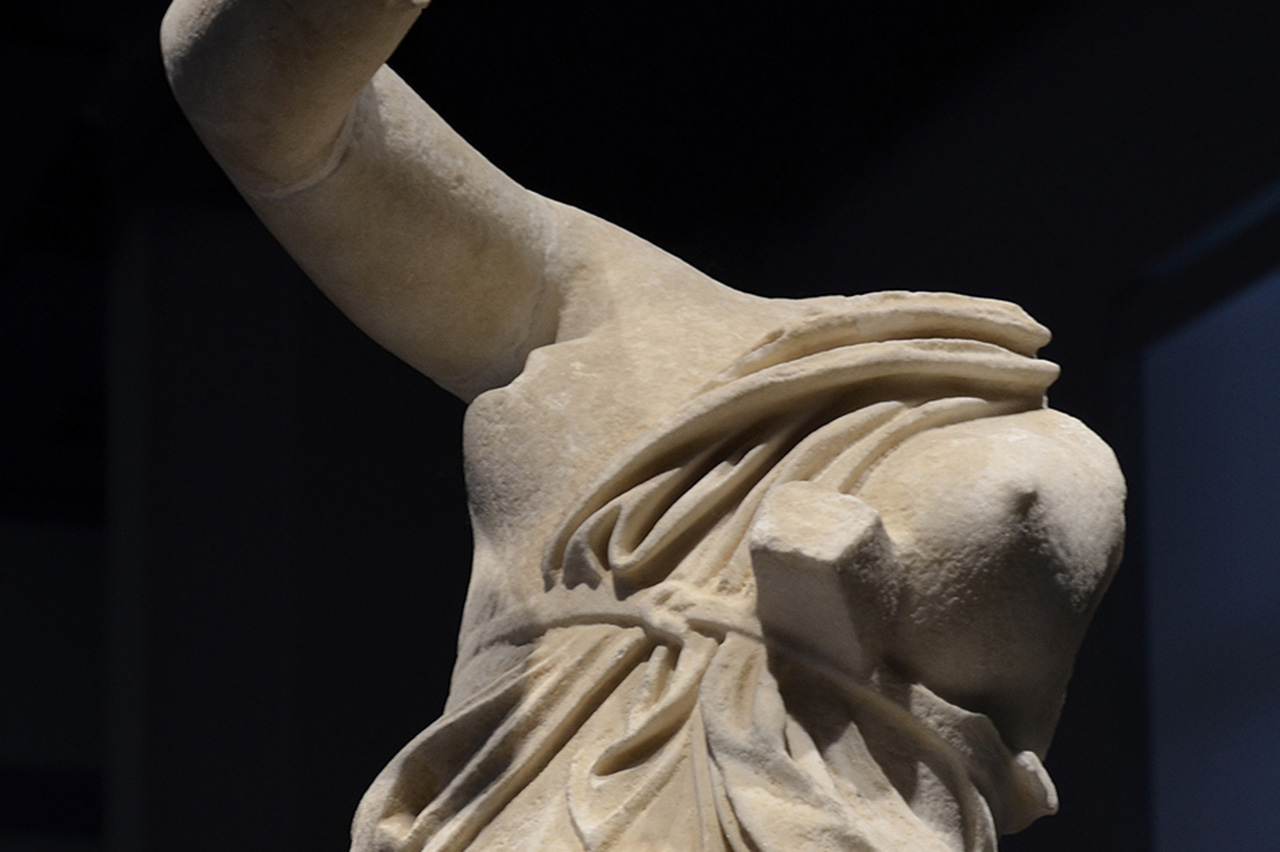
Art and Sculptures from Hadrian’s Villa: Dancing Female Figure of Praxilla
This month’s sculpture from Hadrian’s Villa is a marble statue of a dancing female figure, thought to be a portrait of Praxilla of Sikyon. Praxilla was a female poet writing in the mid-fifth century BC. She came from Sikyon, a city situated on a fertile coastal plain beside the Corinthian Gulf in the northeast Peloponnese…
-
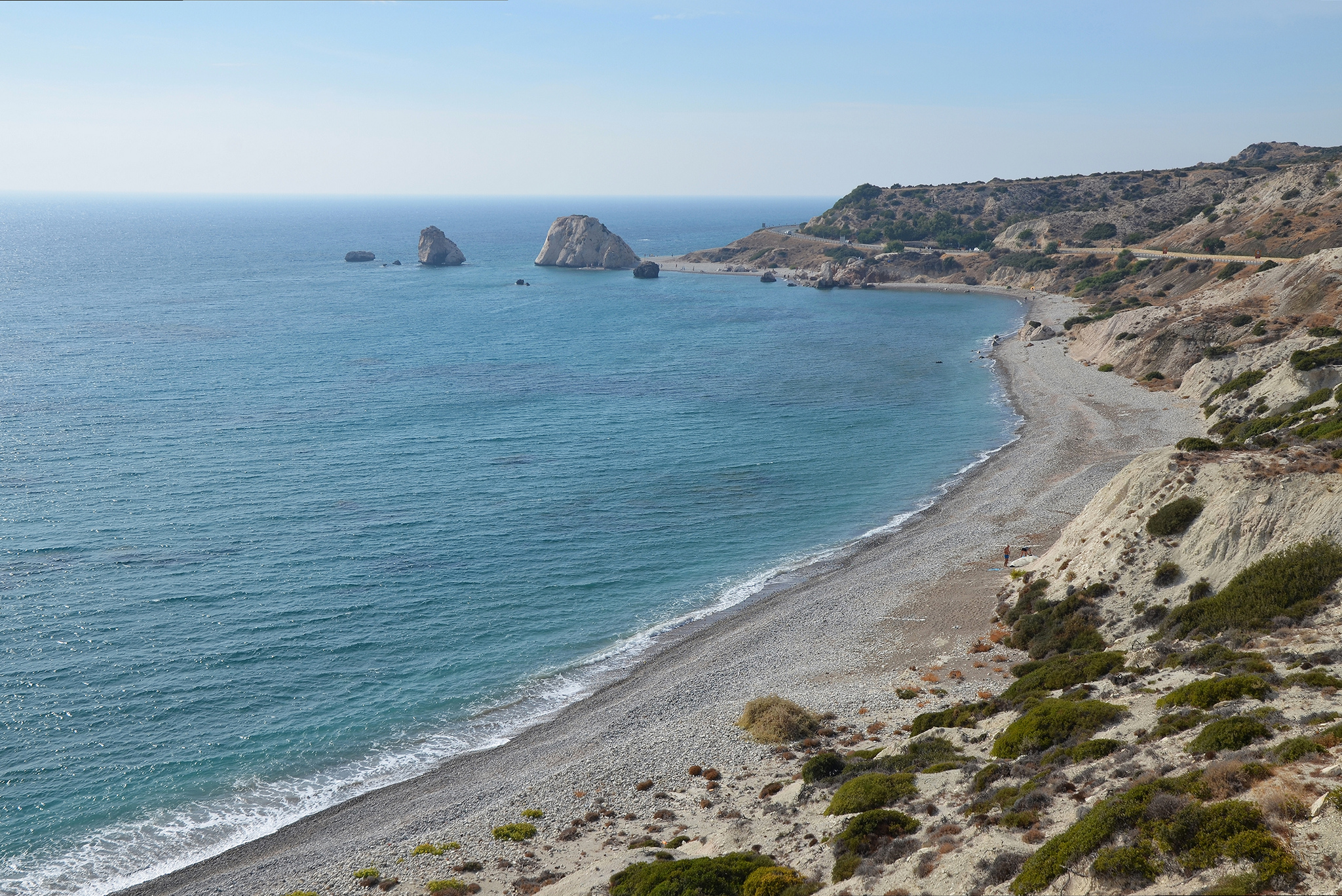
Our Ancient Cyprus Travel Guide
Lying at the crossroads of the eastern Mediterranean, the island of Cyprus has long been a meeting point for many of the world’s great civilizations. Situated where Europe, Asia and Africa meet, its location shaped its history of bringing civilizations together. Many powers conquered the island, and Cyprus was ruled in turn by the Hittites,…
-
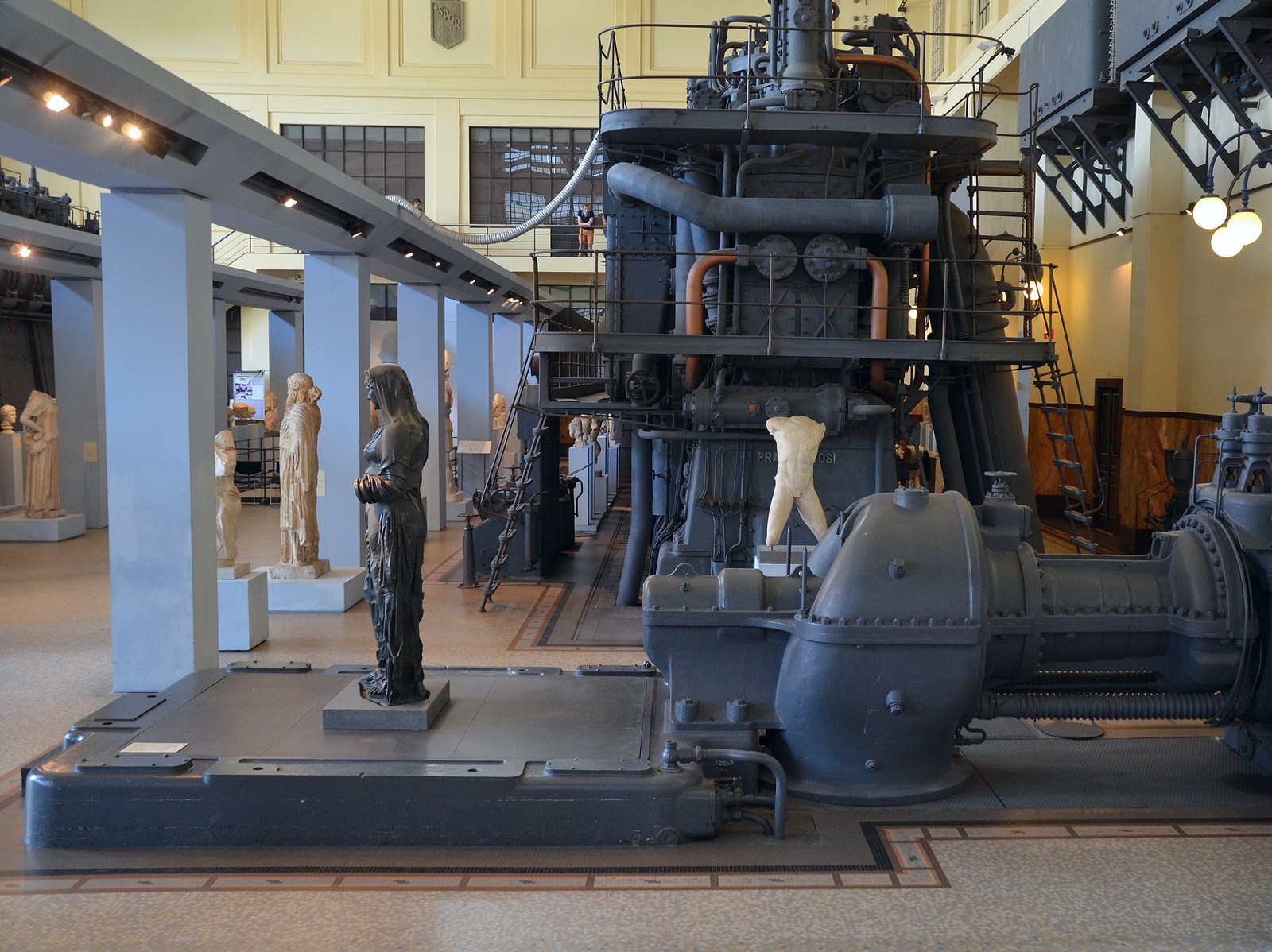
A Visit to Rome’s Centrale Montemartini Museum
During a recent trip to Rome, I paid a long overdue visit to the Centrale Montemartini, an annexe of the Capitoline Museums located on the Via Ostiense just beyond Porta San Paolo. Centrale Montemartini was Rome’s first electrical power station when it opened in 1912, and was later converted into a museum of ancient Roman…
-
The Obelisk of Antinous
While Hadrian was visiting the province of Egypt in late 130 AD, his favorite Antinous drowned mysteriously in the Nile River. This tragic event led to the creation of a new divinity: Osirantinous, or Antinous as a manifestation of Osiris, the god who died and was reborn. One of our best primary sources for information…
-
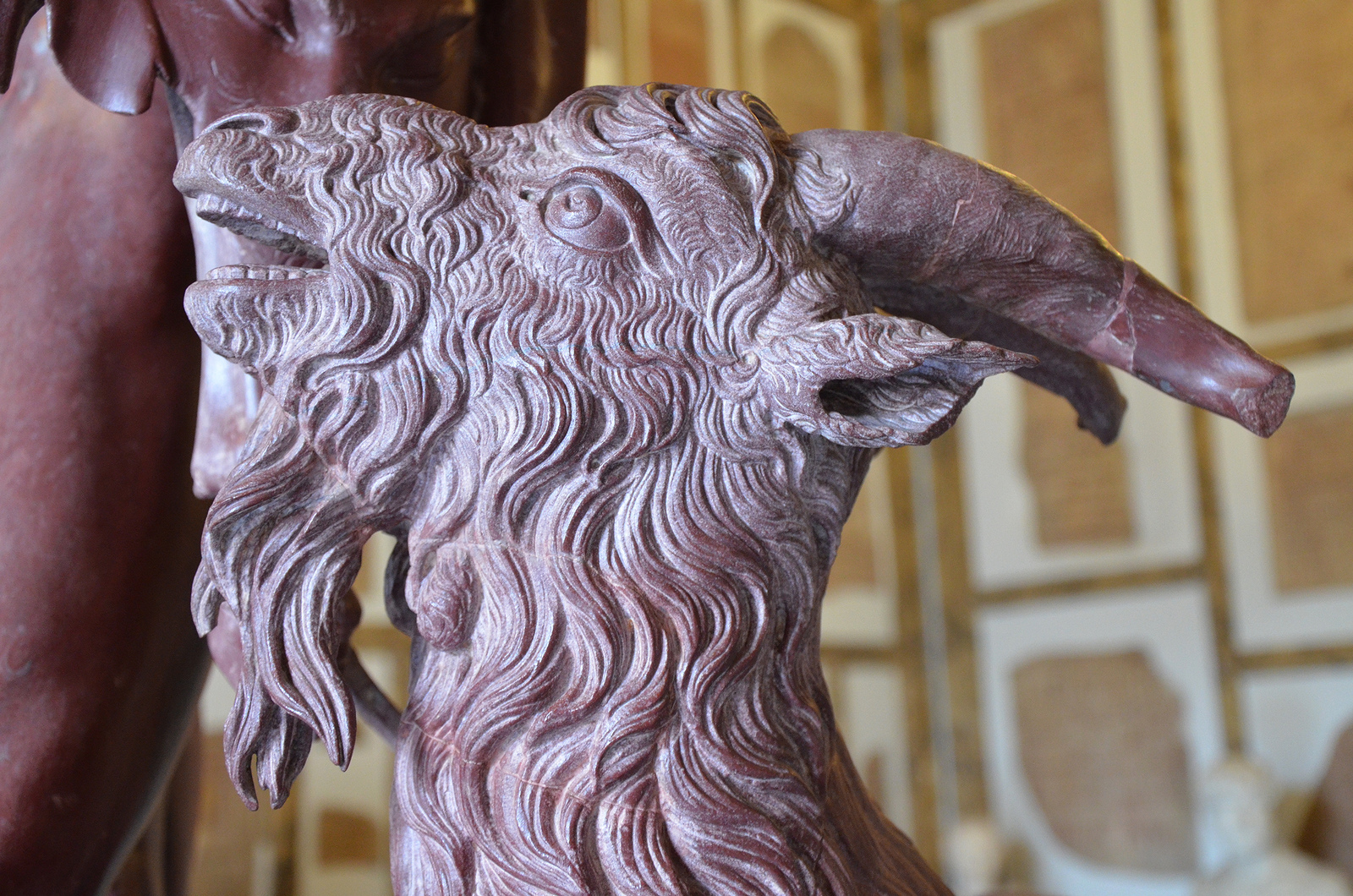
Art and sculptures from Hadrian’s Villa: Statue of a satyr in red marble
This week’s sculpture from Hadrian’s Villa is a red-marble statue of a satyr, the so-called “Fauno rosso” (red faun).
-
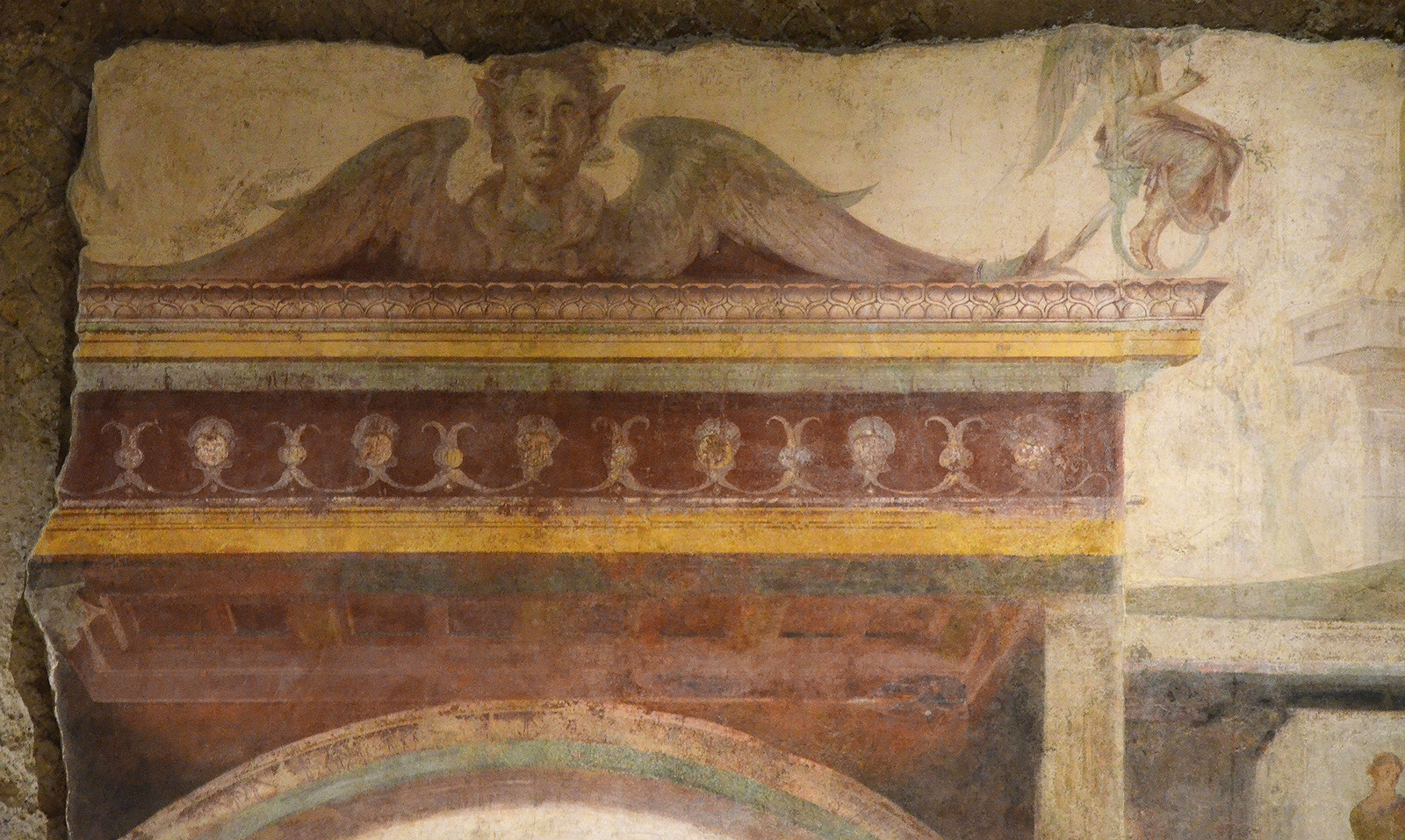
When in Rome: Visiting the House of Livia on the Palatine Hill
I wrote about the series of special events that took place in Rome, in celebration of the 2000th anniversary of Emperor Augustus’ death. My last post focused on the ‘House of Augustus’ (see here) and today I will concentrate on the ‘House of Livia’ in this follow-up piece.
-
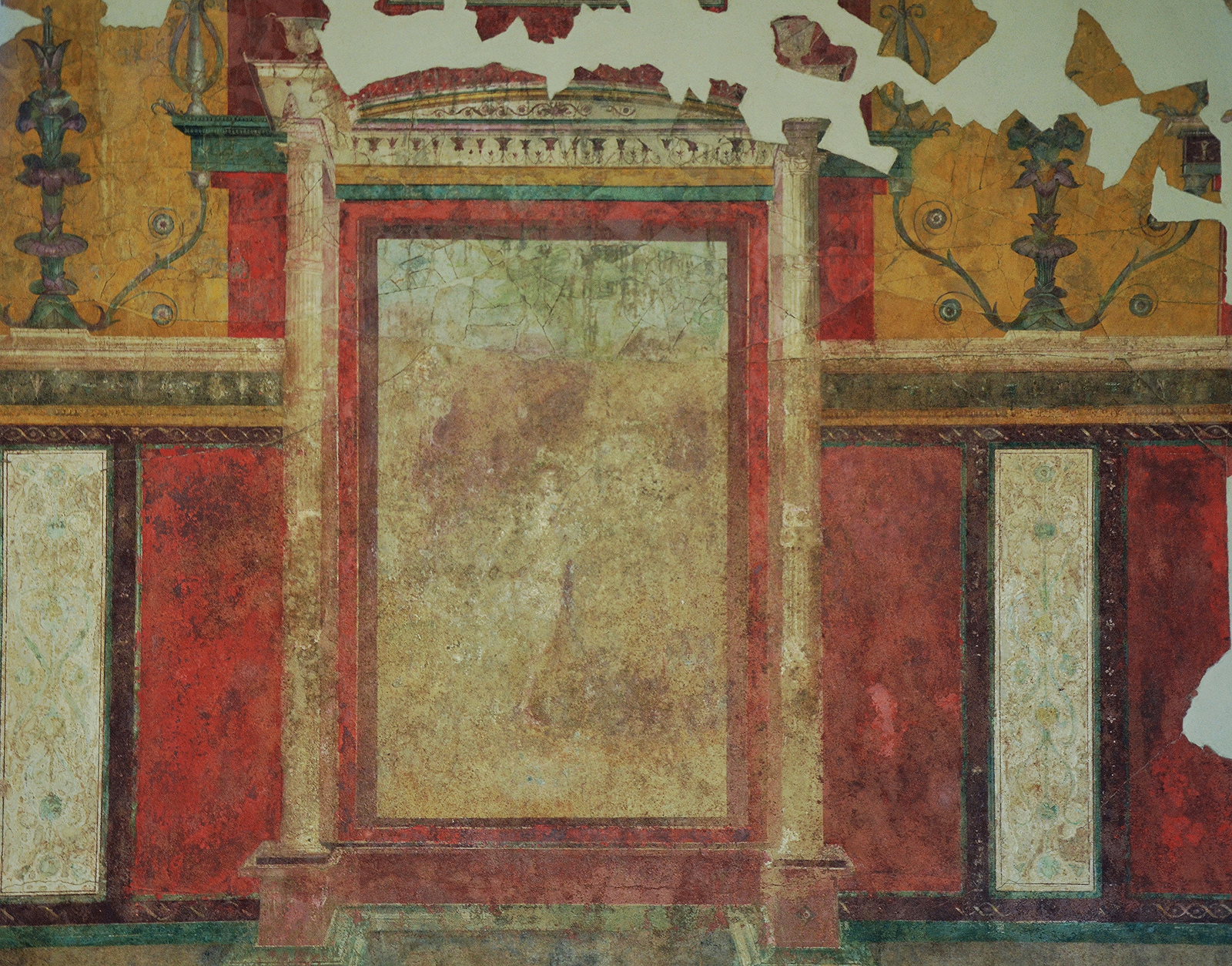
When in Rome… Visiting the House of Augustus on the Palatine Hill
In 2014 Rome celebrated the 2000th anniversary of Emperor Augustus’ death. To commemorate the date, a series of special events and openings were launched in the Italian capital, including the opening of new parts of the ‘House of Augustus’ and ‘House of Livia’ on the Palatine Hill. After years of restoration works, new lavishly frescoed rooms…