
Author: Osama S. M. Amin
-
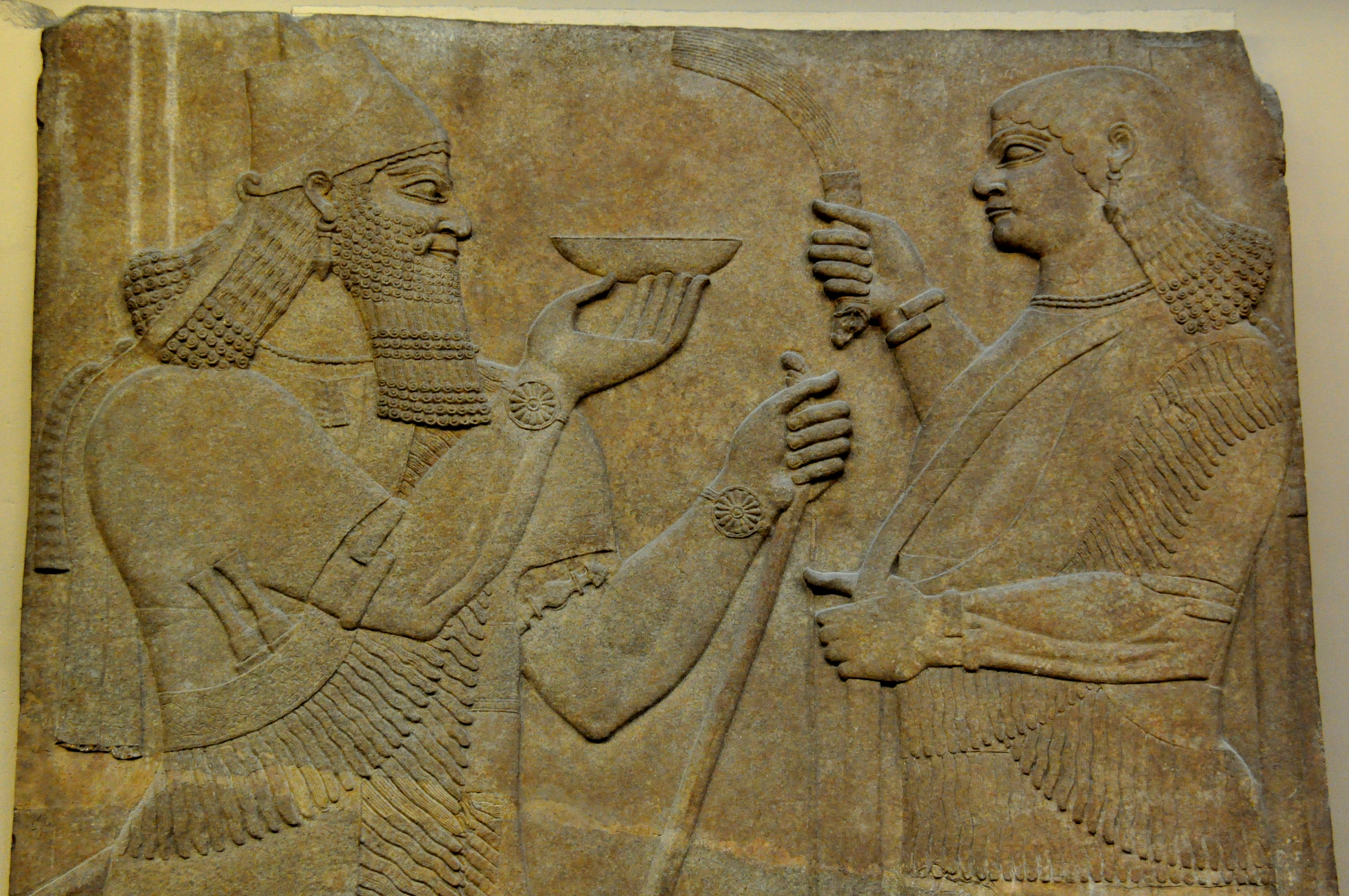
Wall Reliefs: Ashurnasirpal II at the North-West Palace
“(Property of) the palace of Assurnasirpal (II), vice-regent of Assur, chosen of Enlil and Ninurta, beloved of Anu and Dagan, destructive weapon of the great gods, strong king, king of the universe, king of Assyria, son of Tukulti-Ninurta (II), great king, strong king, king of the universe,…” This is how Ashurnasirpal II, a harsh king,…
-
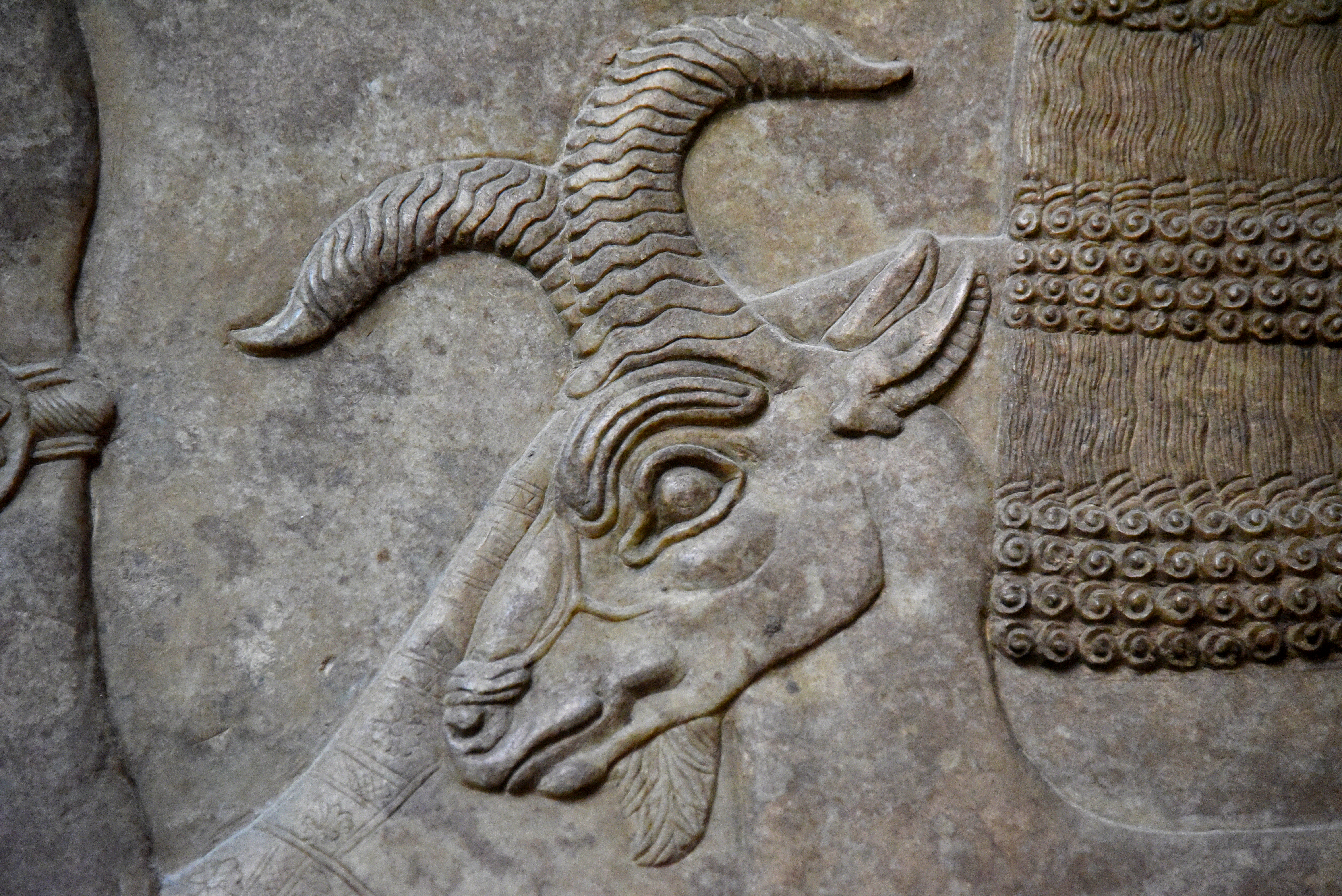
Wall Reliefs: Assyrian Apkallus from Nimrud holding a Goat and Deer
When you enter Room 7 of the British Museum, after passing through two colossal lamassus, you are taken through time to the North-West Palace of the Assyrian King Ashurnasirpal II (883-859 BCE). This is the imperial palace of the King in Nimrud (ancient Kalhu or Biblical Calah; Mesopotamia, modern-day Iraq), the capital city at the…
-
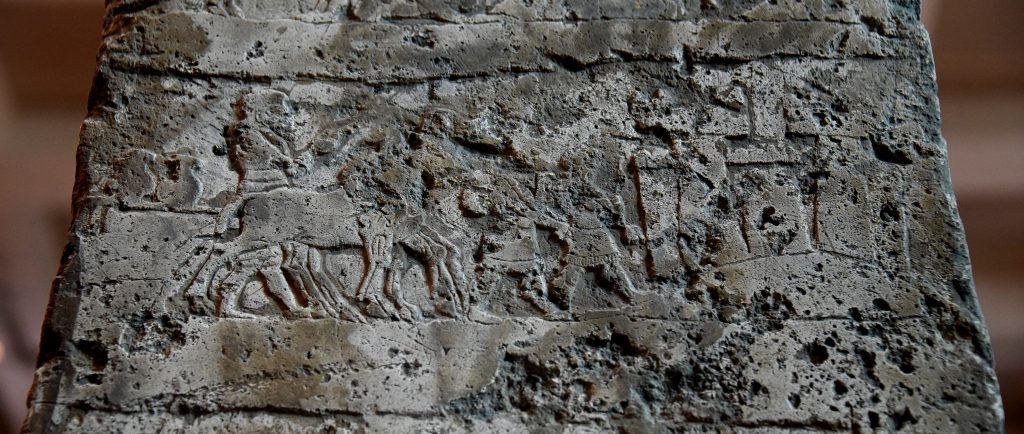
The White Obelisk of Ashurnasirpal I
In July 1853, Hormuzd Rassam was excavating an area at the ruins of the mound of Kuyunjik (Nineveh, Mesopotamia, modern-day Mosul Governorate, Iraq), one of the most important cities in the heartland of the Assyrian Empire. The area was an open space between the outer court of the palace of the Assyrian King Sennacherib and…
-
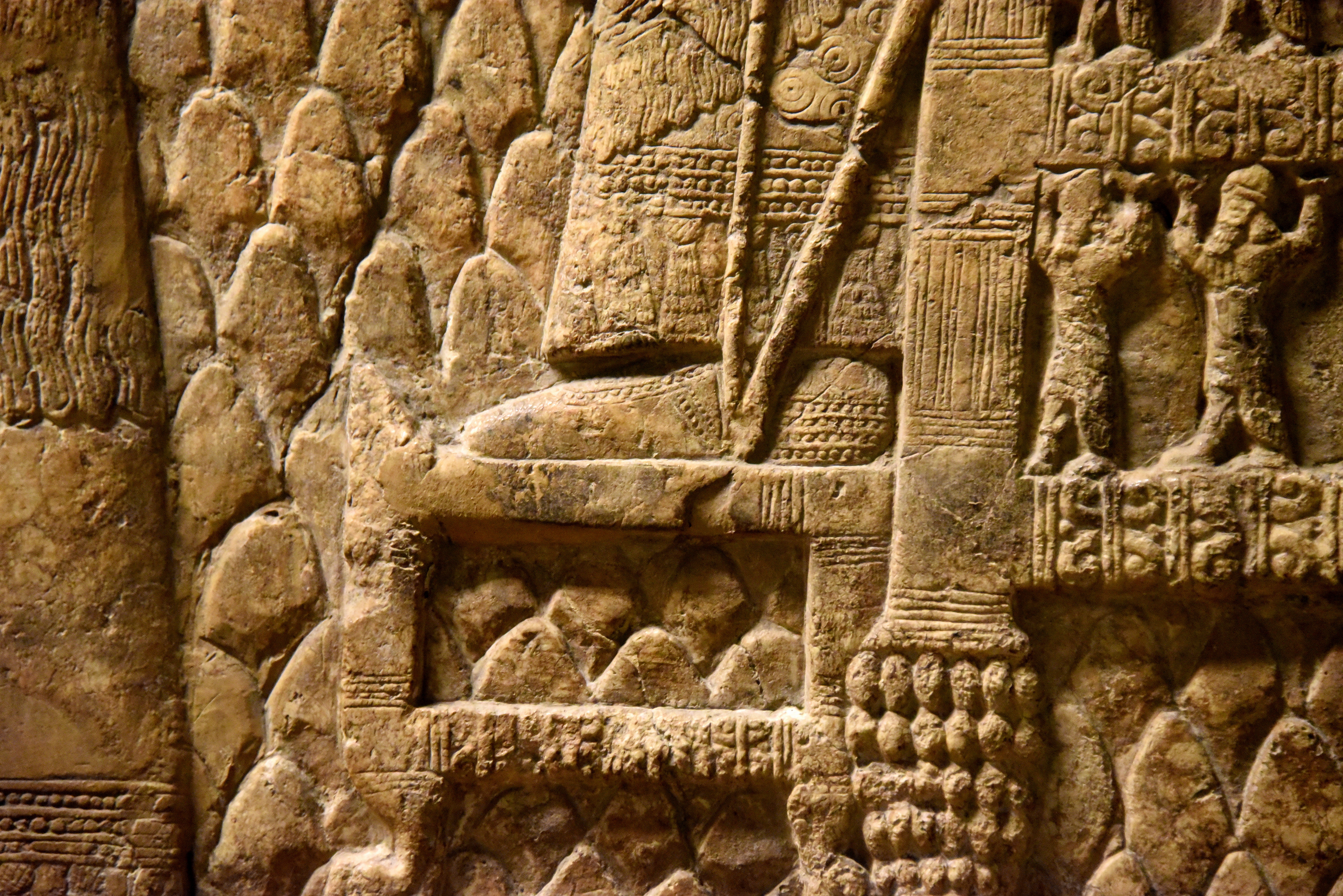
Siege of Lachish Reliefs at the British Museum
In this post, we will explore images of the Siege of Lachish Reliefs and the story they depict. While these reliefs have been studied by countless people, not many do so through the eyes of the Lachish people. This time, we will consider the Lachish people and hopefully gain a humanitarian perspective.
-
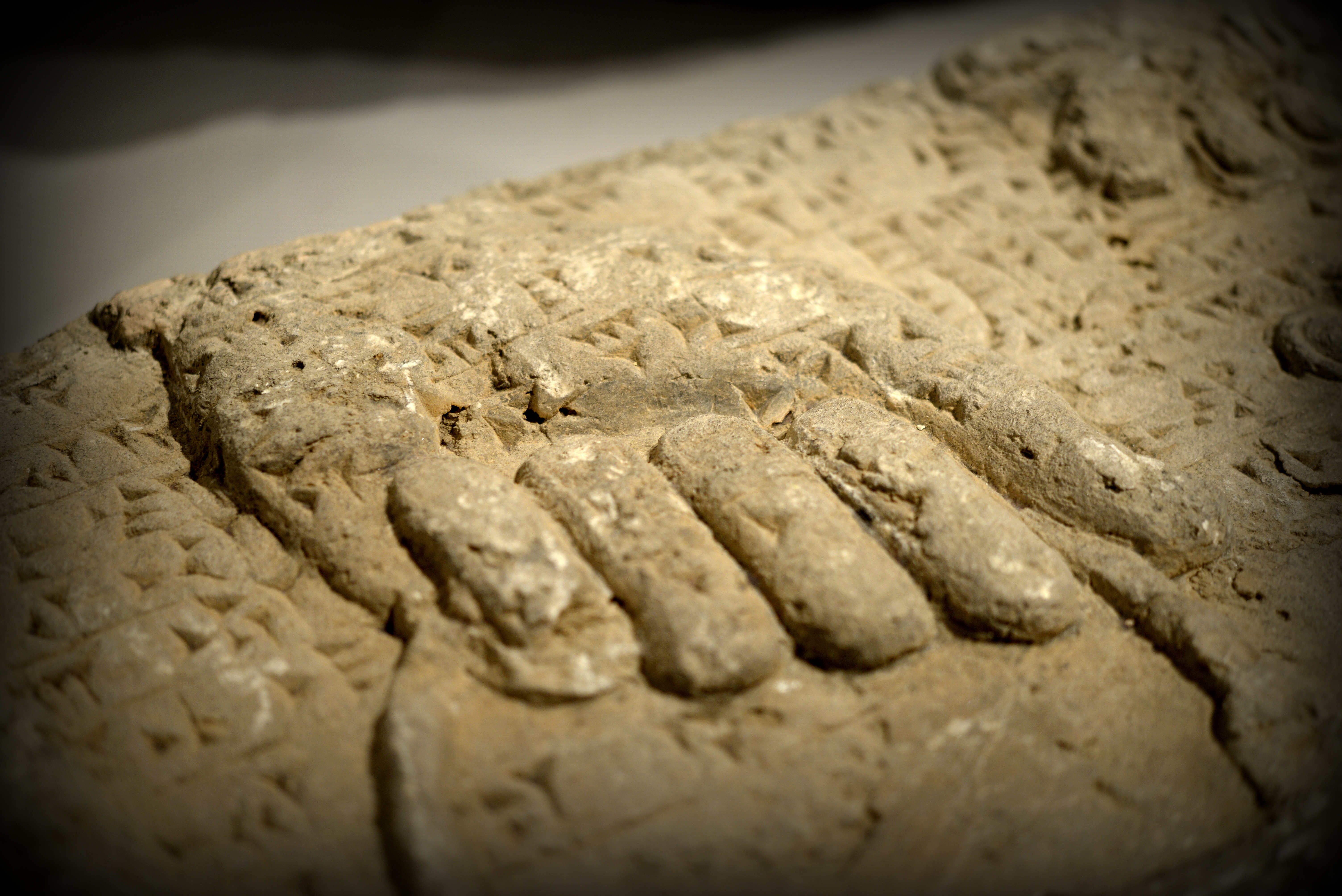
Assyrian Wall Reliefs from the Sulaymaniyah Museum
Most, if not all, of our readership knows about the intentional destruction of ancient artifacts, buildings, mosques, shrines, and the contents of Mosul museum contents by the so-called Islamic State of Iraq and Syria (ISIS). The Governorate of Mosul in Iraq is the site of several ancient Assyrian cities (Nimrud, Kouyunjik, and Dur-Sharrukin), in addition…
-
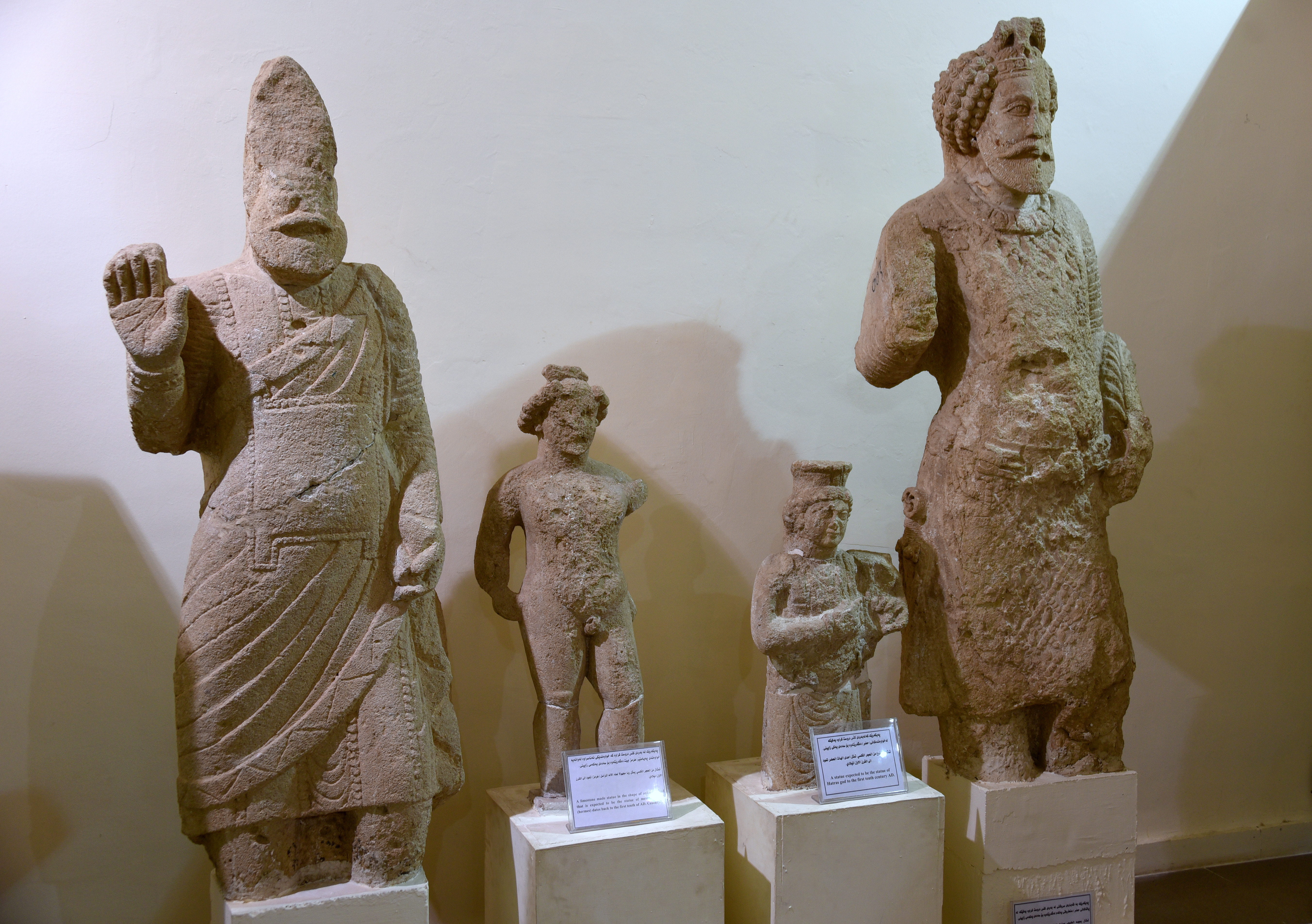
Visiting the Erbil Civilization Museum
I was attending a neurology event in Erbil (the ancient city of Arbela also known as Hawler in Kurdish), which is the capital city of Iraqi Kurdistan. The last time I had visited the Erbil Civilization Museum (Kurdish: موزه خانه ي شاره ستاني هه ولير ; Arabic: متحف أربيل الحضاري) was in September 2014. In comparison…
-
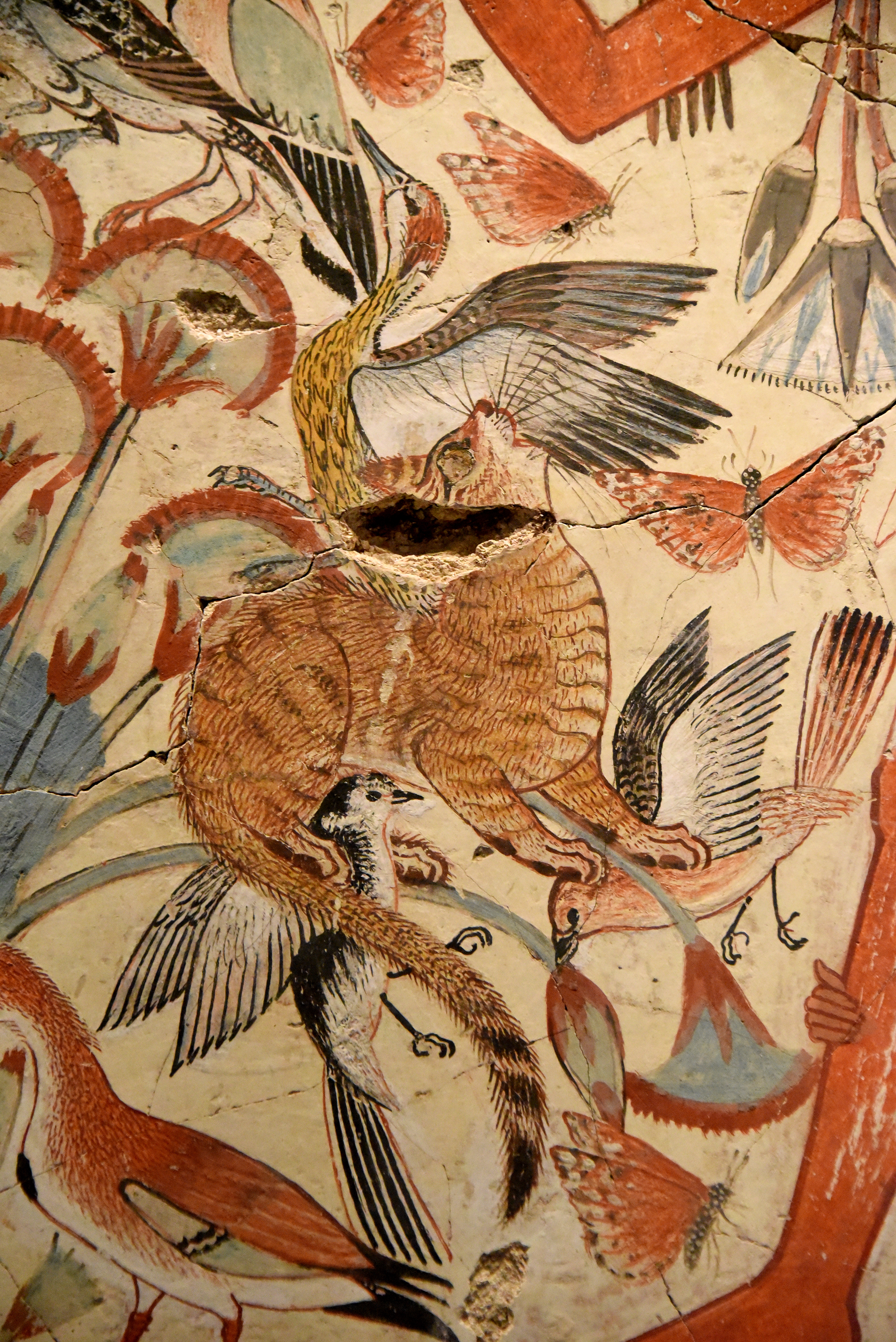
The Egyptian Tomb-Chapel Scenes of Nebamun at the British Museum
In 1821 ten paintings were purchased from Mr. Henry Salt (1780-1827) and arrived at the British Museum. The eleventh painting was acquired in 1823. Each painting appeared to have been mounted with a slightly different support material. Finger marks and hand prints on the backs of many of the paintings suggest that the paintings were laid face…
-
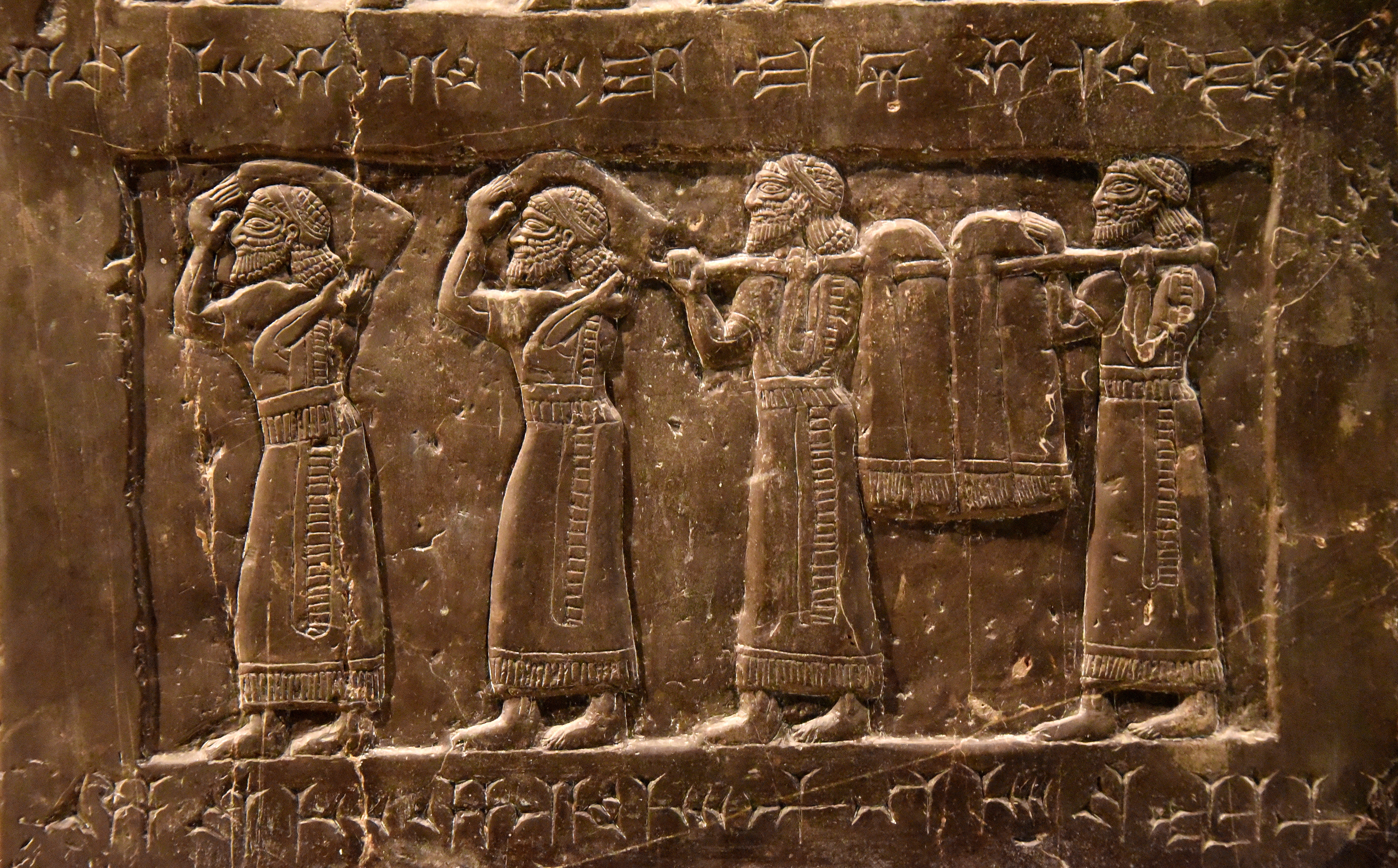
The Black Obelisk of Shalmaneser III at the British Museum
I was attending an event at the Royal College of Physicians of London in early March 2016, and I had a plenty of time to spare. One of my targets was, of course, the British Museum. Two years ago, Jan van der Crabben (founder and CEO of the Ancient History Encyclopedia) asked me to draft…
-
Paleolithic Caves in Iraqi Kurdistan
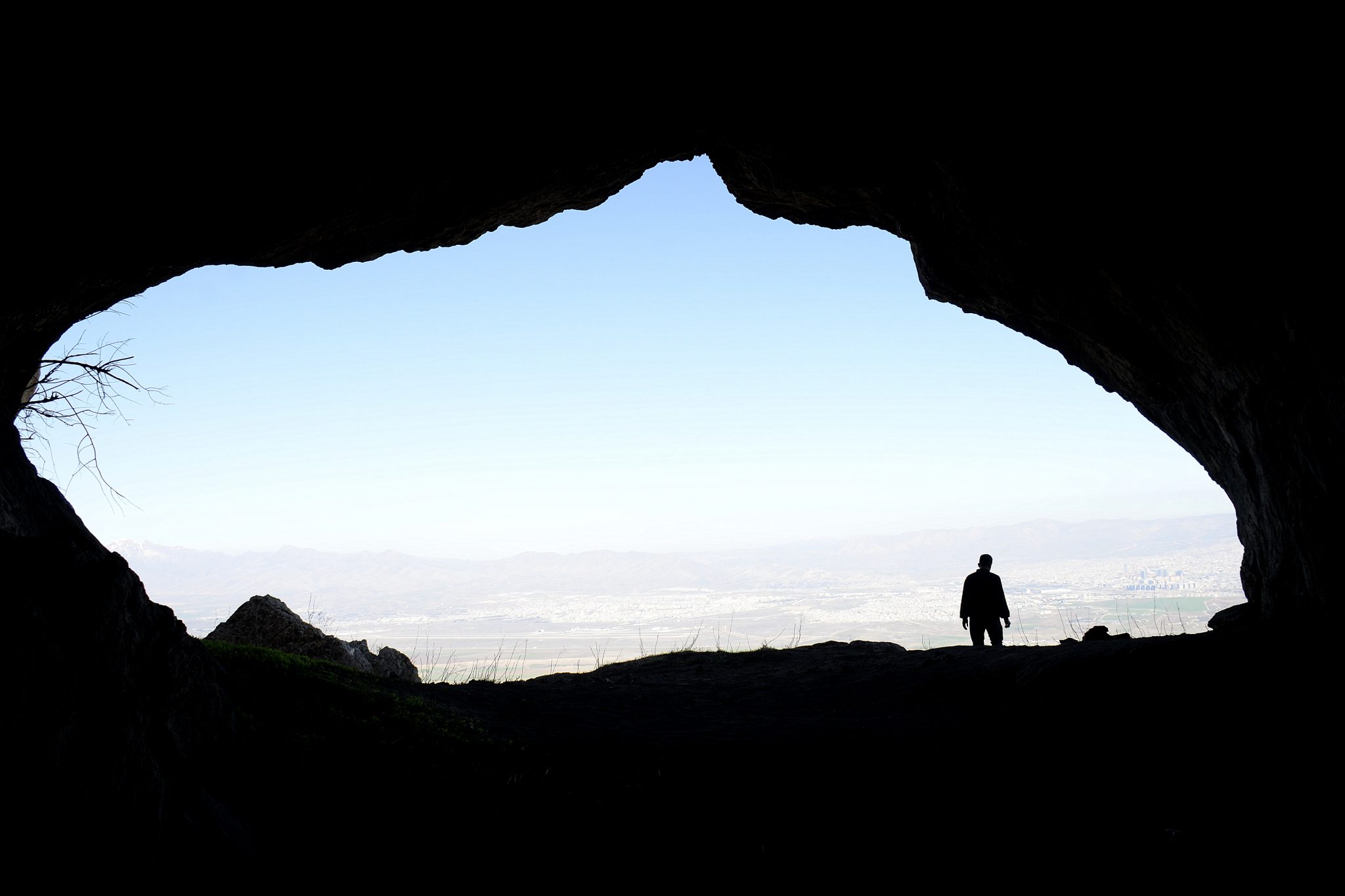
There are two Paleolithic caves in Iraqi Kurdistan (the northeast area of the Republic of Iraq): Hazar Merd and Shanidar. Iraq, the cradle of civilization, has become a dangerous destination for tourists. Instead of discussing their deep archaeological details, I will you take on a cyber-tour to see these caves. Hazar Merd Group of Caves Hazar…
-
Visiting the Petrie Museum of Egyptian Archaeology, London
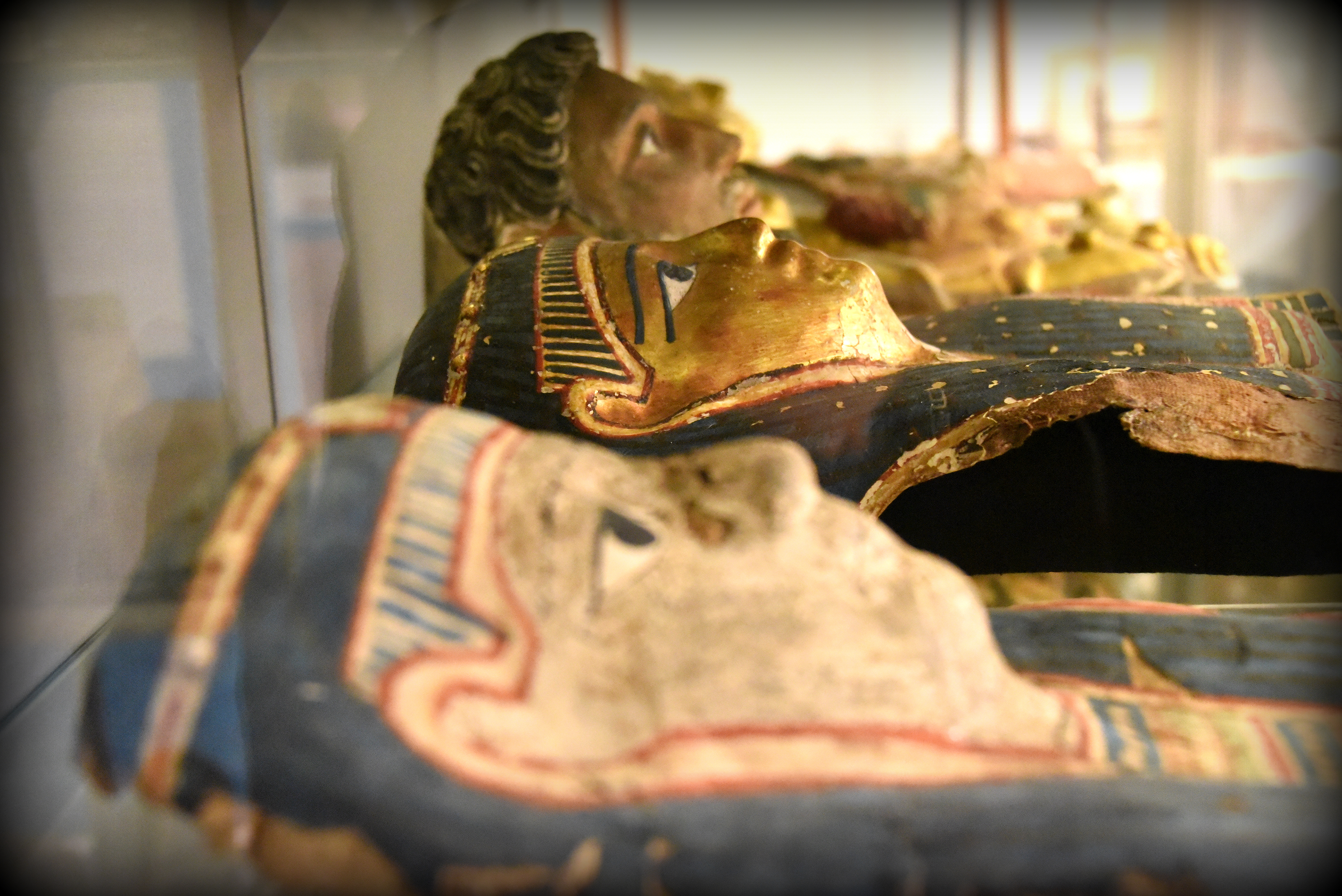
During my last visit to London, I resided in a hotel at Gower Street of Bloomsbury. By chance, I discovered a hidden gem within the heart of University College London while surfing Google. It was located just few minutes away from me: the Petrie Museum of Egyptian Archaeology. The Museum lies at Malet Place, hidden away from…