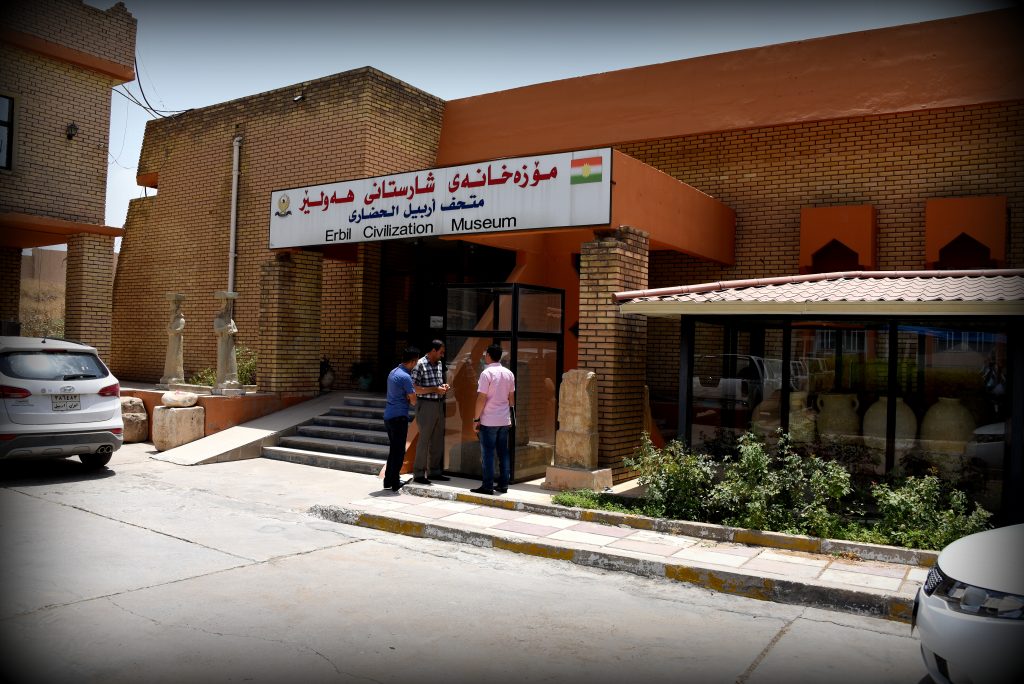
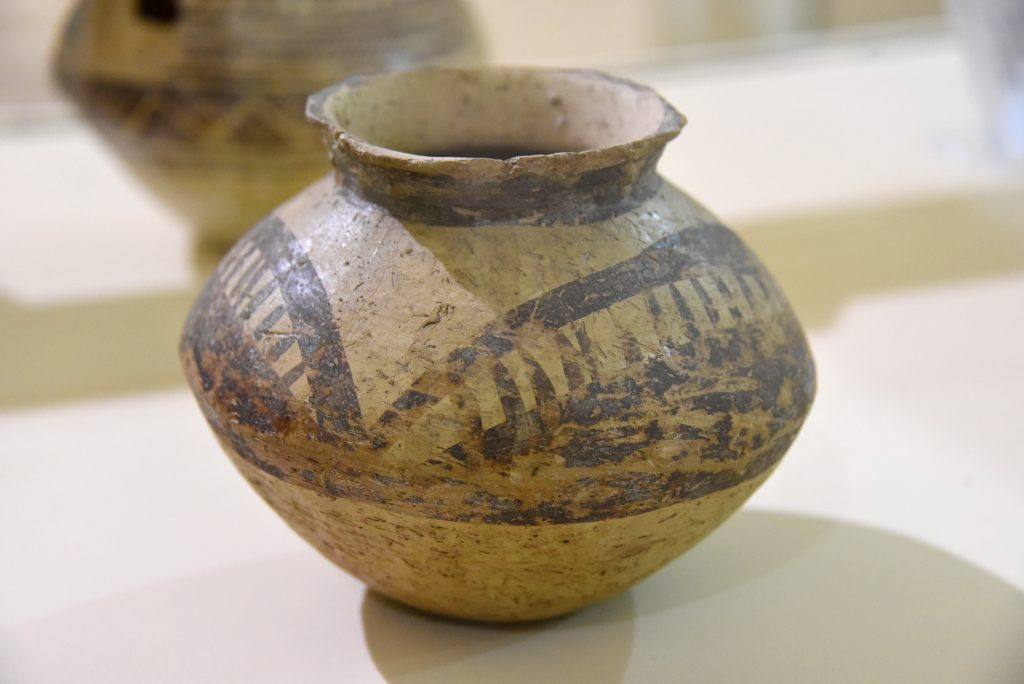
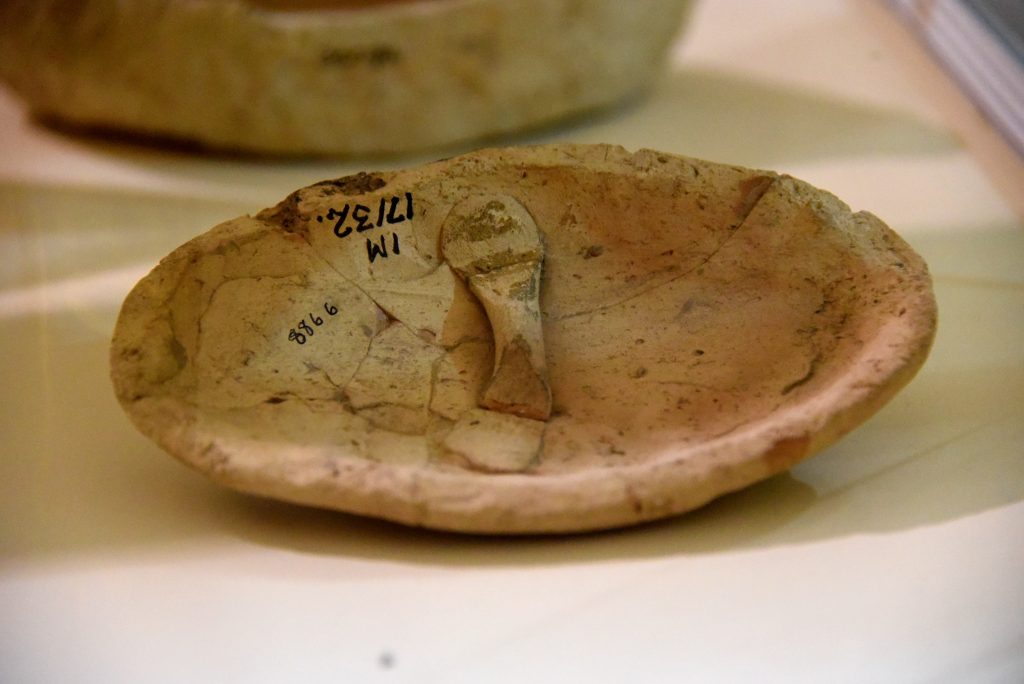
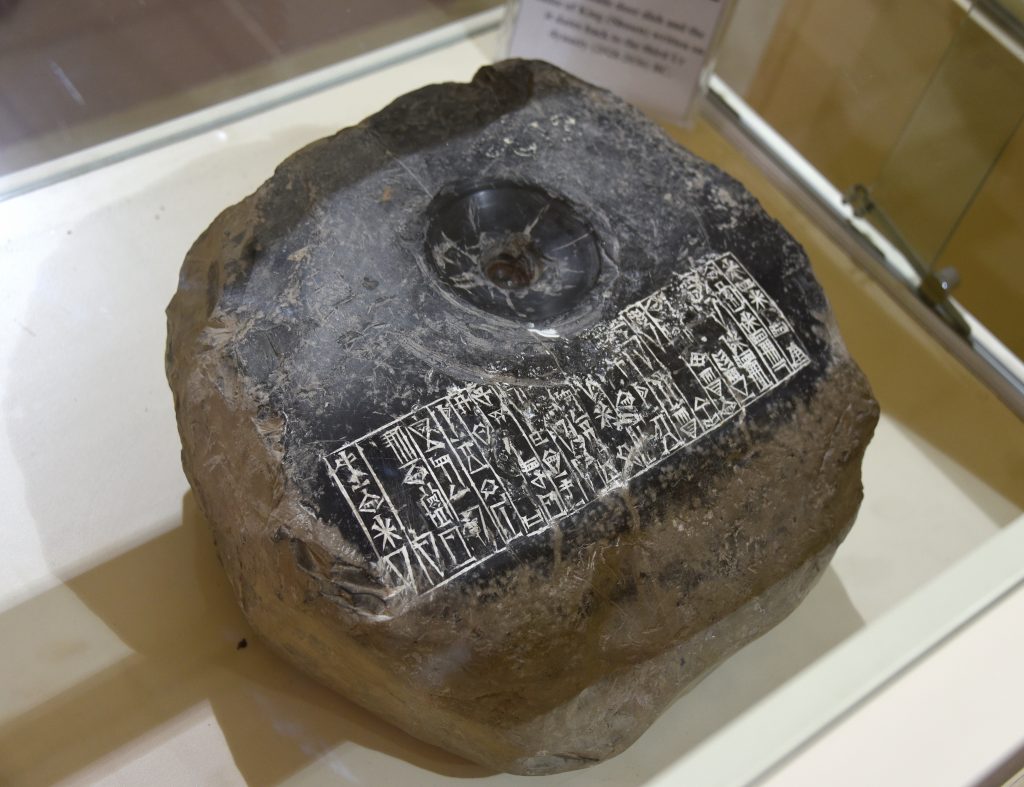
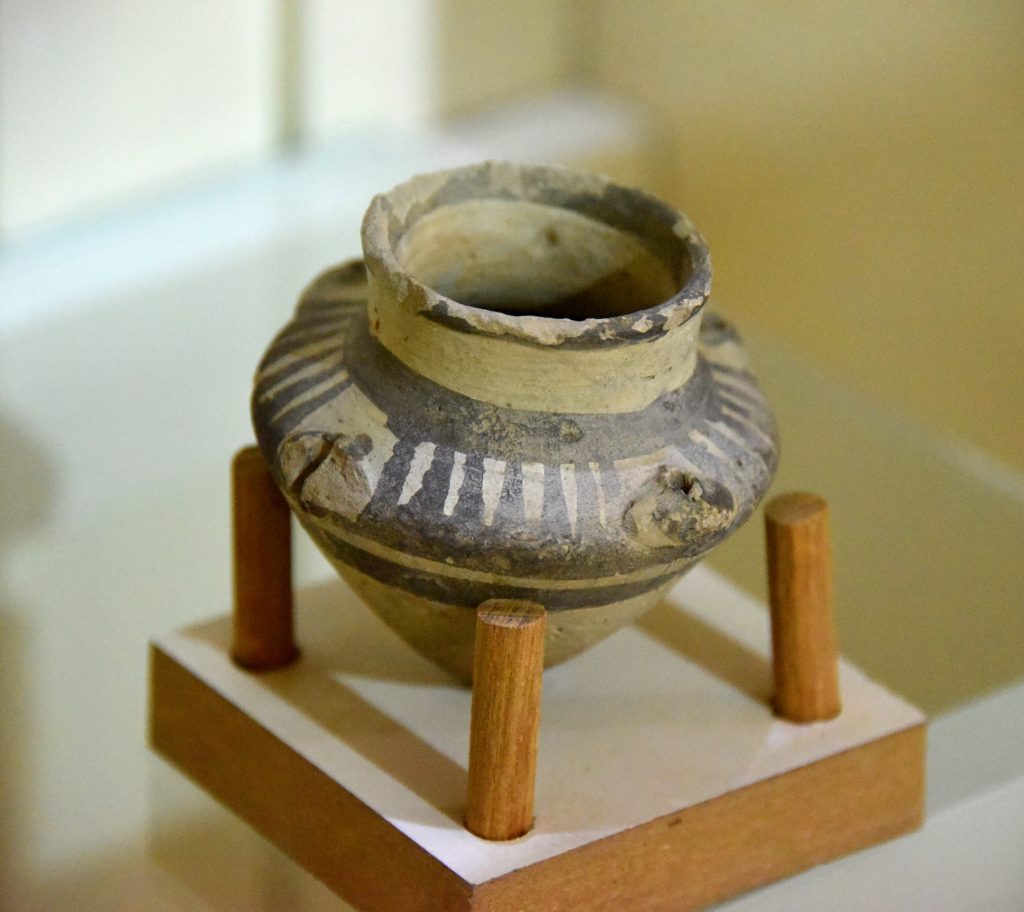
I was attending a neurology event in Erbil (the ancient city of Arbela also known as Hawler in Kurdish), which is the capital city of Iraqi Kurdistan. The last time I had visited the Erbil Civilization Museum (Kurdish: موزه خانه ي شاره ستاني هه ولير ; Arabic: متحف أربيل الحضاري) was in September 2014. In comparison to the Sulaymaniyah Museum (the other archaeological museum in Iraqi Kurdistan), this museum is much smaller in terms of size and number of displayed antiquities. However, it has a considerable collection of interesting artifacts to view. The following is a tour of some of the museum’s highlights, which are little-known outside of Iraq.
Entry is free and photography is allowed (without flash), but you have to obtain permission beforehand from the museum’s staff. I introduced myself and asked the museum to grant me permission in order take photos of the museum’s antiquities and publish them on Ancient History Encyclopedia (AHE).
History of the Museum
The idea behind the establishment of this museum goes back to mid-1960s. The museum’s building was relatively small, located in the Minarah district in Erbil, adjacent to the modern-day building of the Kurdish Parliament. It was administrated by the Erbil Archaeological Inspection Directorate.
In the 1960s, the museum housed and displayed only a few antiquities. During the mid-1970s, the museum was relocated to another building within the famous Erbil Citadel; it was connected to the General Directorate of Archaeology in Baghdad. Many antiquities (from the pre-historic era to the late Islamic period) were subsequently transferred from the Iraqi Museum in Baghdad to this museum.
Many artifacts excavated at Tell Qaling Agha are displayed to the public in a special case. (Tell Qaling Agha is an ancient tell (mound) within Erbil.) The rules and regulations at that time allowed each museum within Iraq to house and display only “one” excavated artifact if a group of artifacts was found within the museum’s governorate (or province). In 1985, during the Iraq-Iran War (1980-1988), the current museum’s building was completed. It was built in several stages and finalized in 1989, when the Museum’s staff and contents were relocated.
Exhibition Galleries
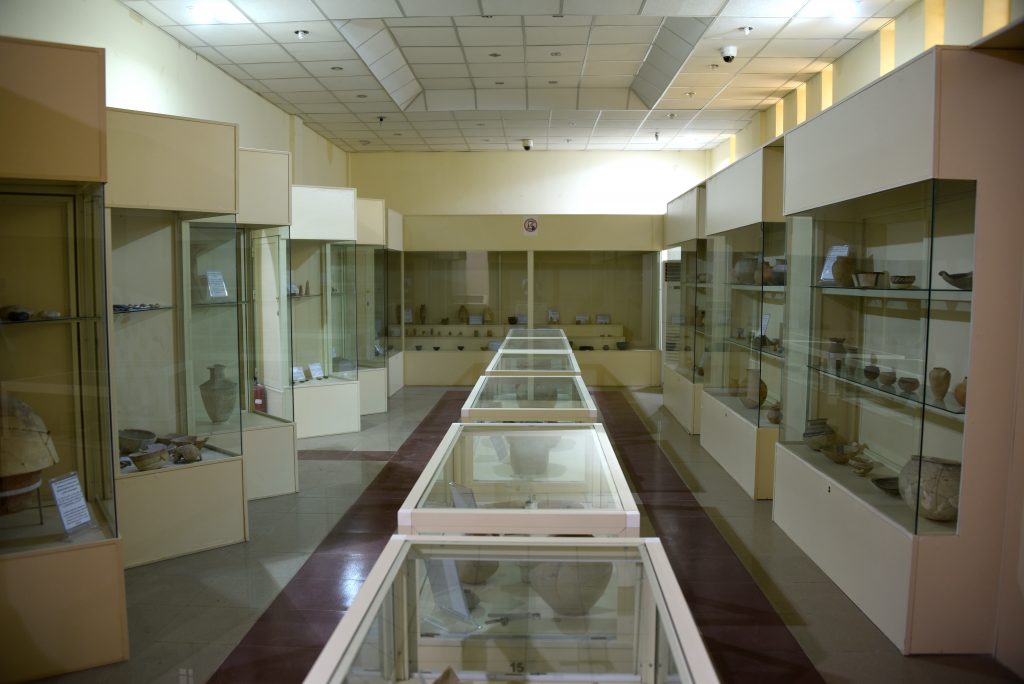
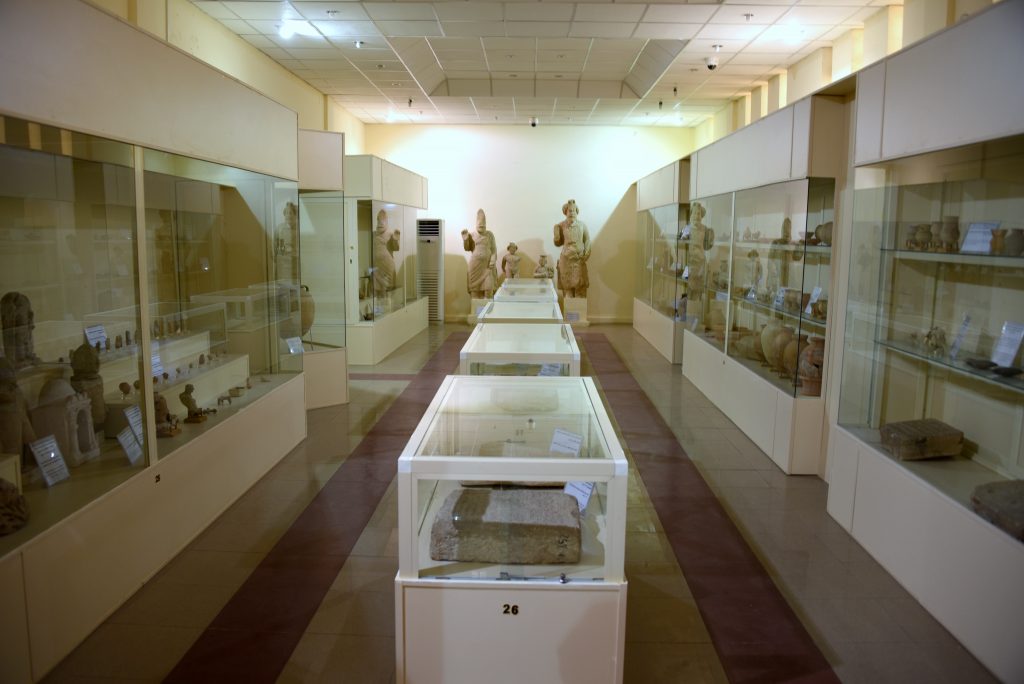
The building is divided into three halls:
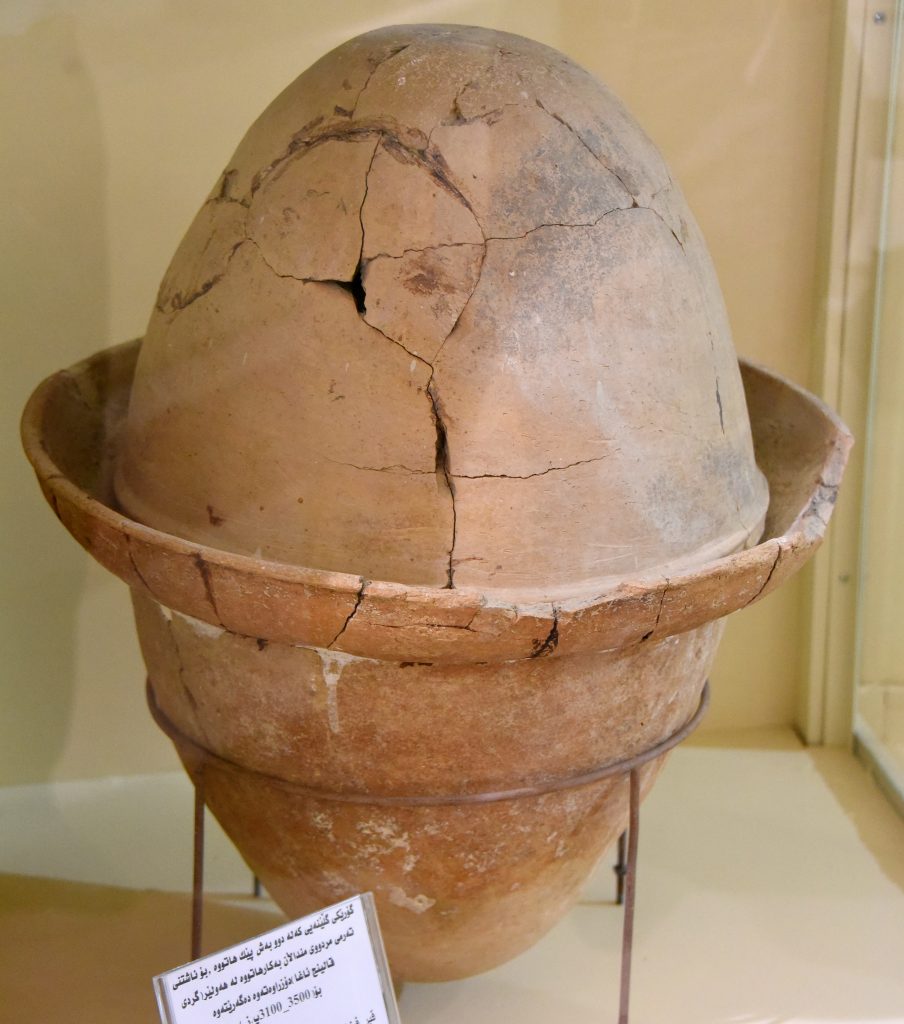
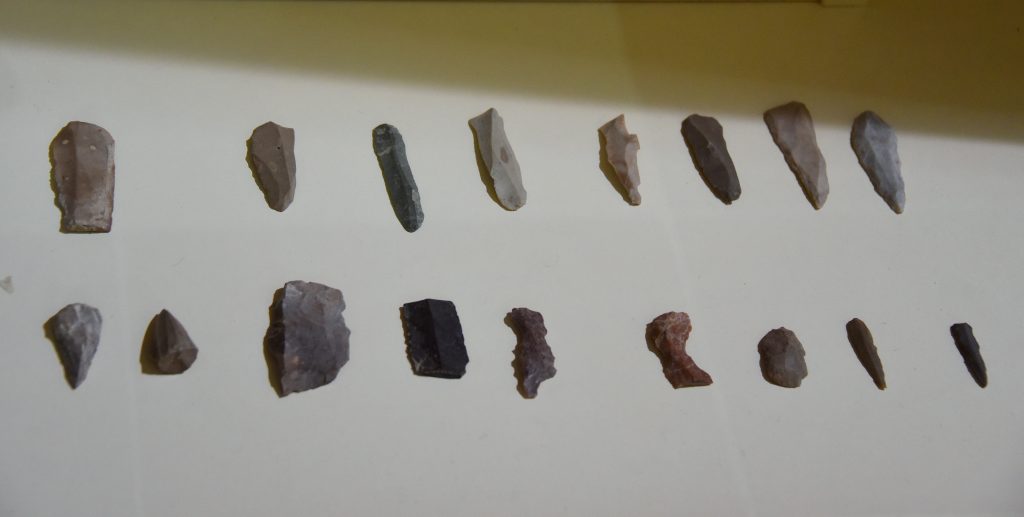
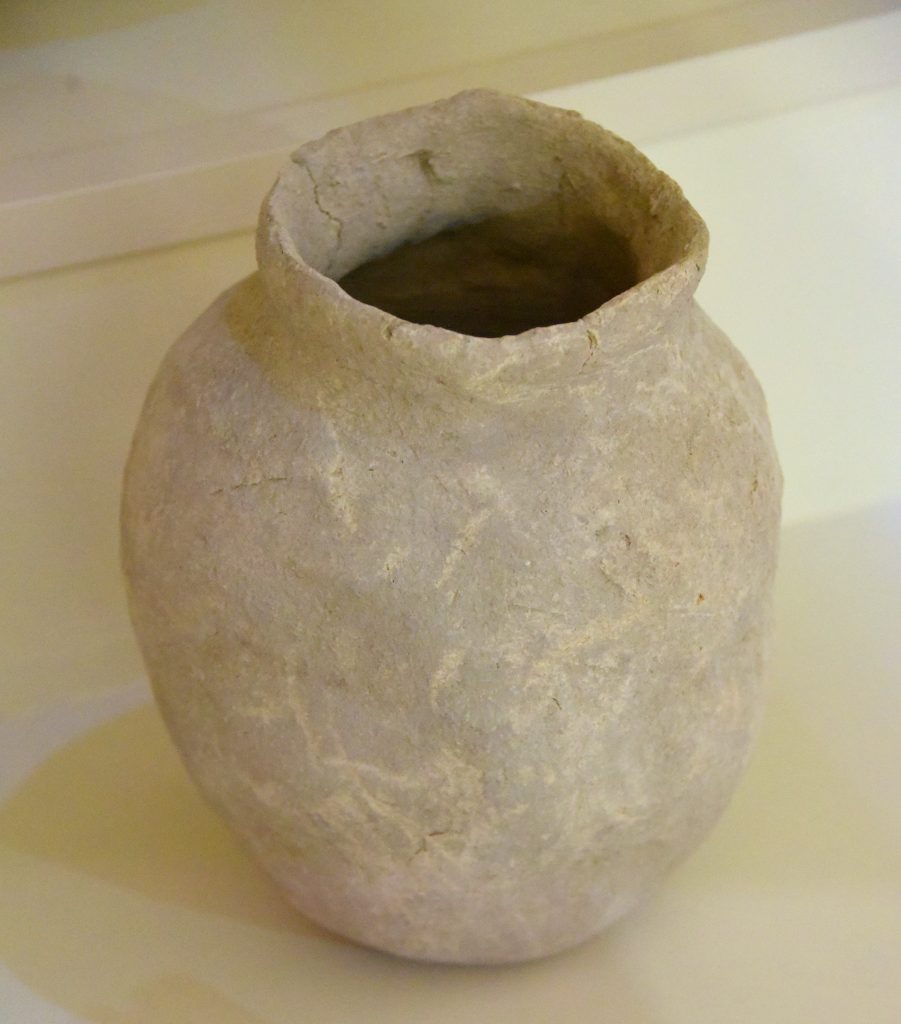
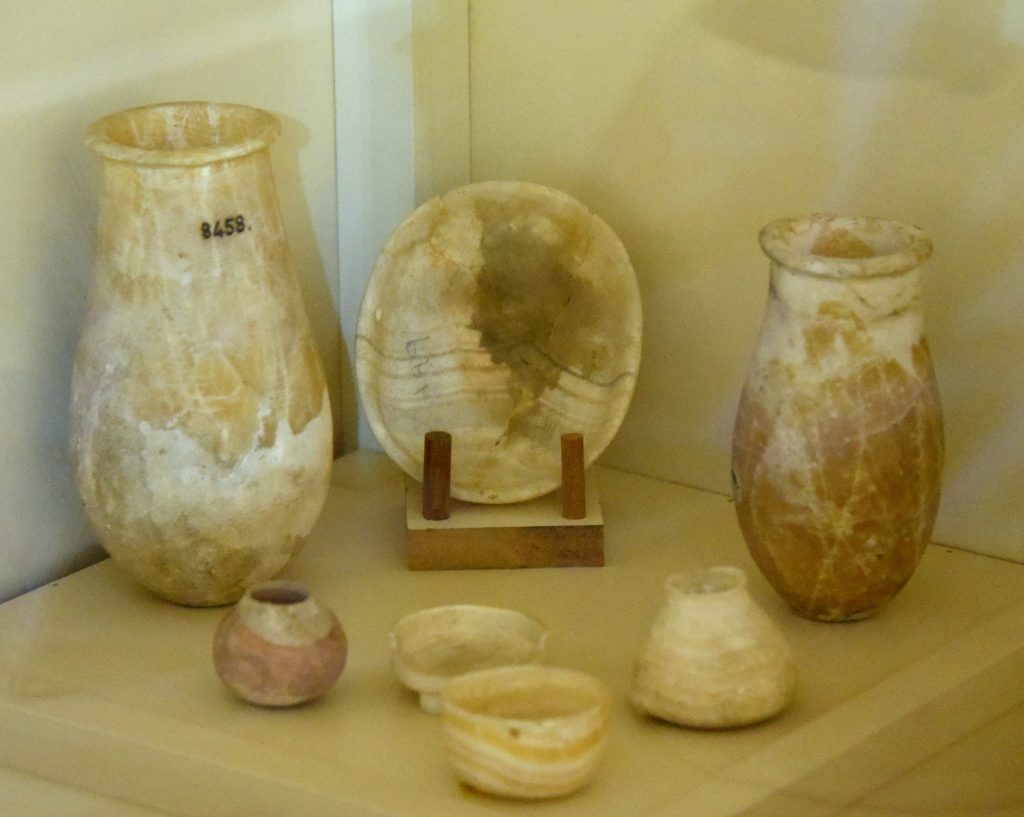
The ancient hall, which displays artifacts dating back to the Paleolithic Age, as well as the Jarmo, Halaf, Samara, Uruk, Eridu, Early Dynastic, Akkadian, Ur III, and Old Babylonian periods.
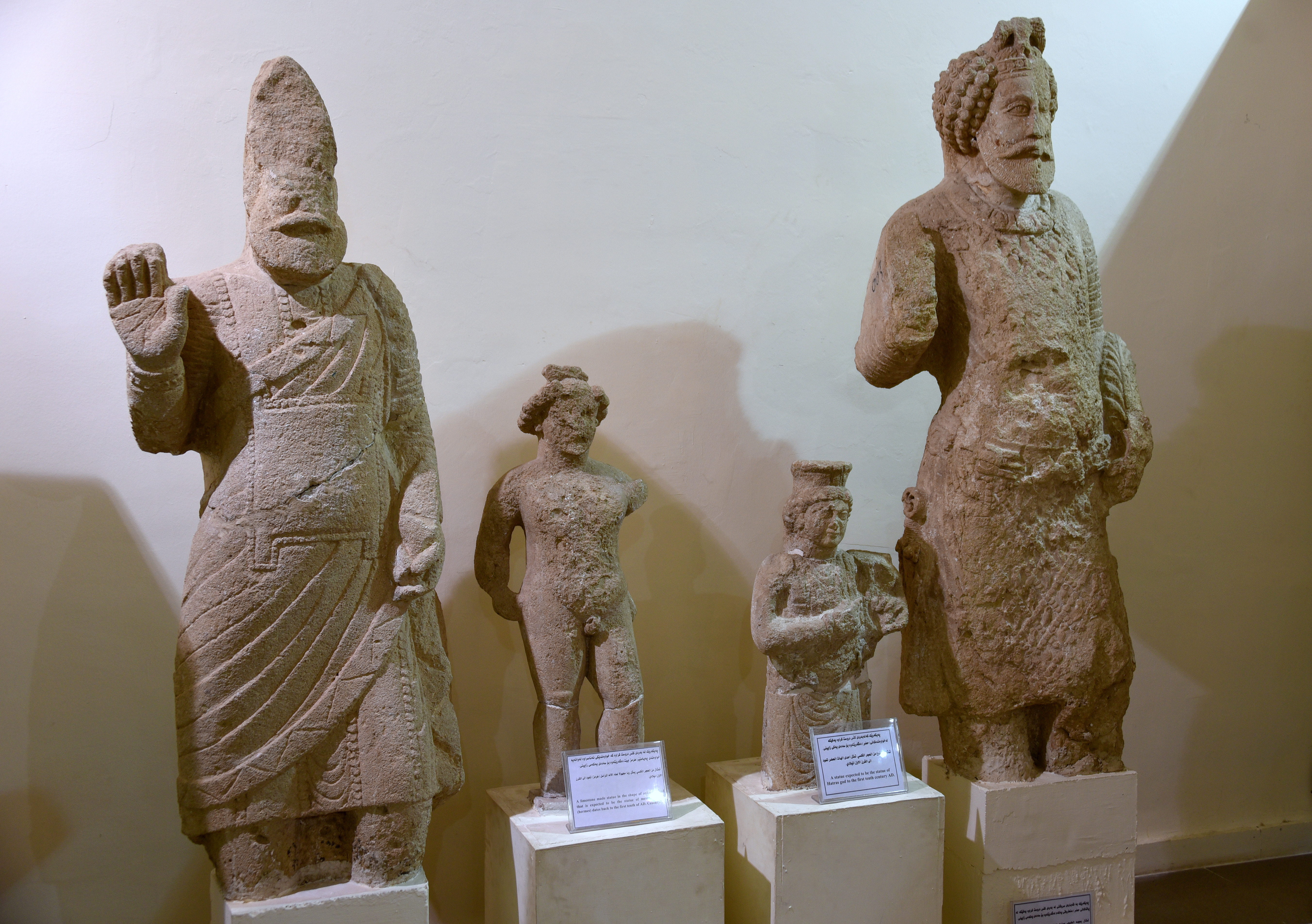
The second hall houses artifacts from the Urartian, Hurrian, Middle and Neo-Assyrian, Seleucid, and Hatra periods; strangely, I couldn’t find a single item from the Neo-Babylonian period.
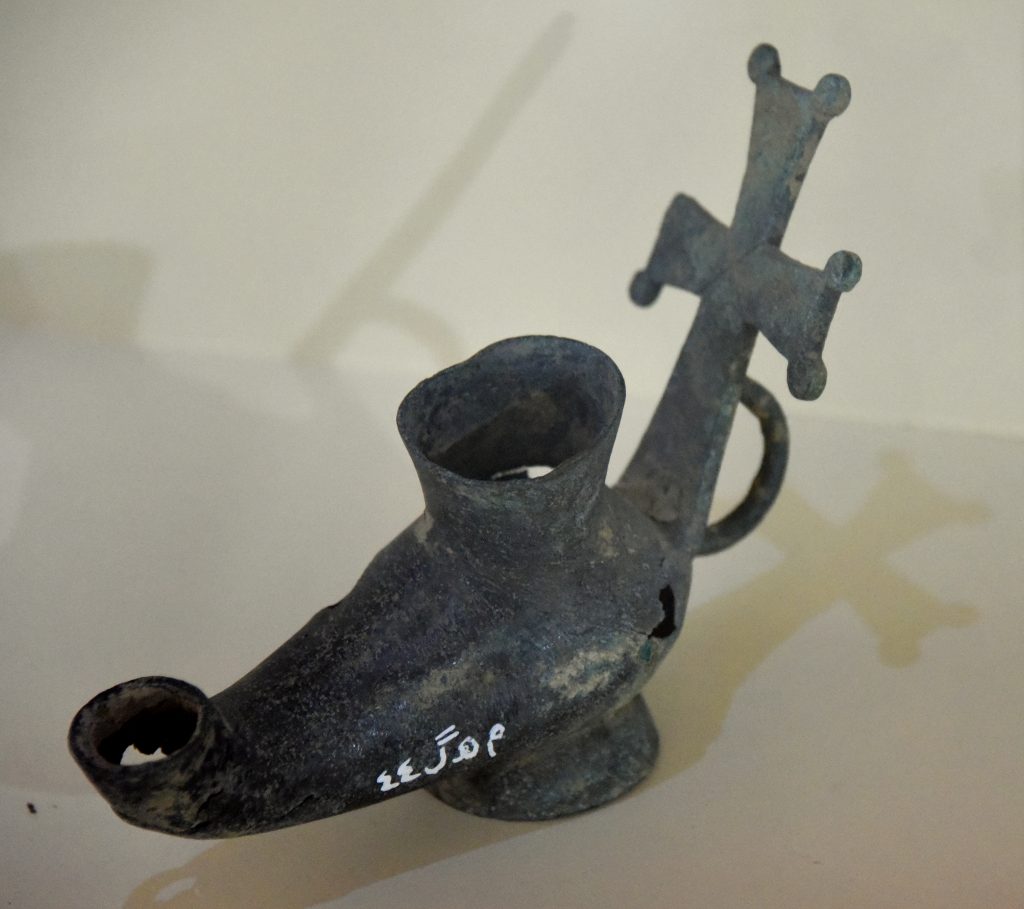
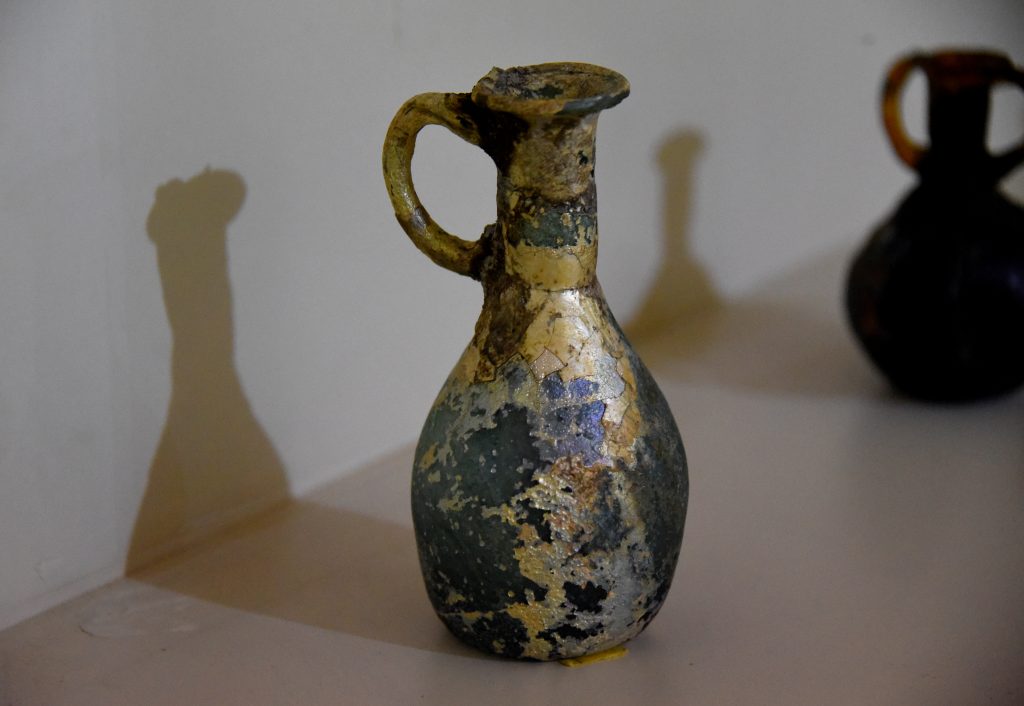
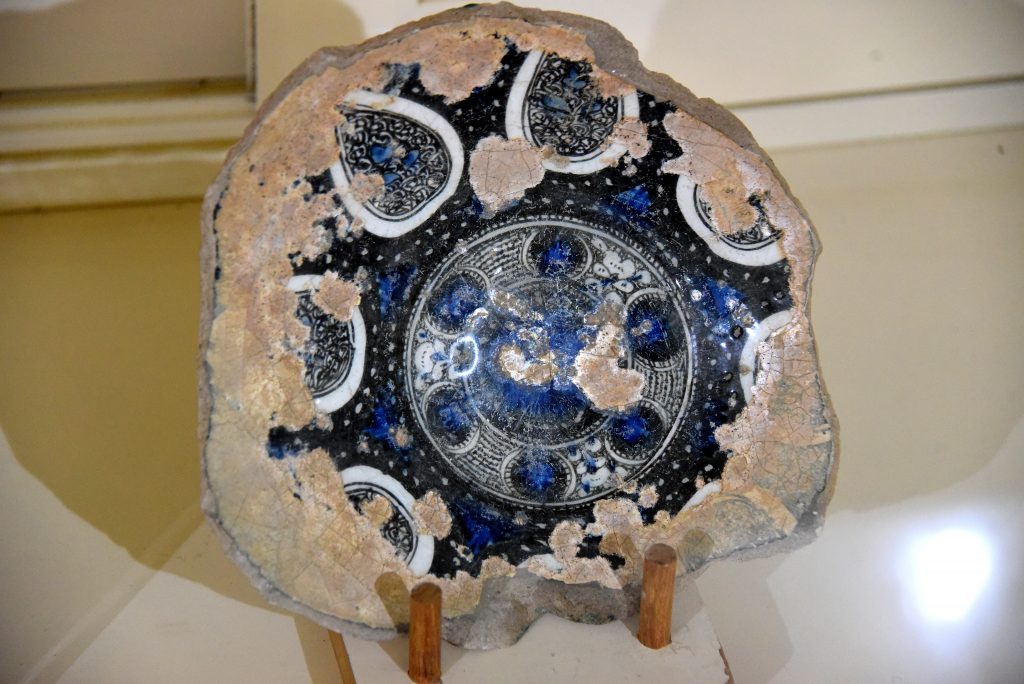
The last hall contains antiquities from the Sassanian and Islamic periods with most belonging to the Abbasid period.
Following the Iraqi invasion of Kuwait in 1990, the second Gulf War in 1991, the Kurdish uprisings in 1991, and local civil war during the mid-1990s, several archives and antiquities were unfortunately lost. Thus, the visitor will notice that many artifacts have no precise excavation site listed throughout the museum.
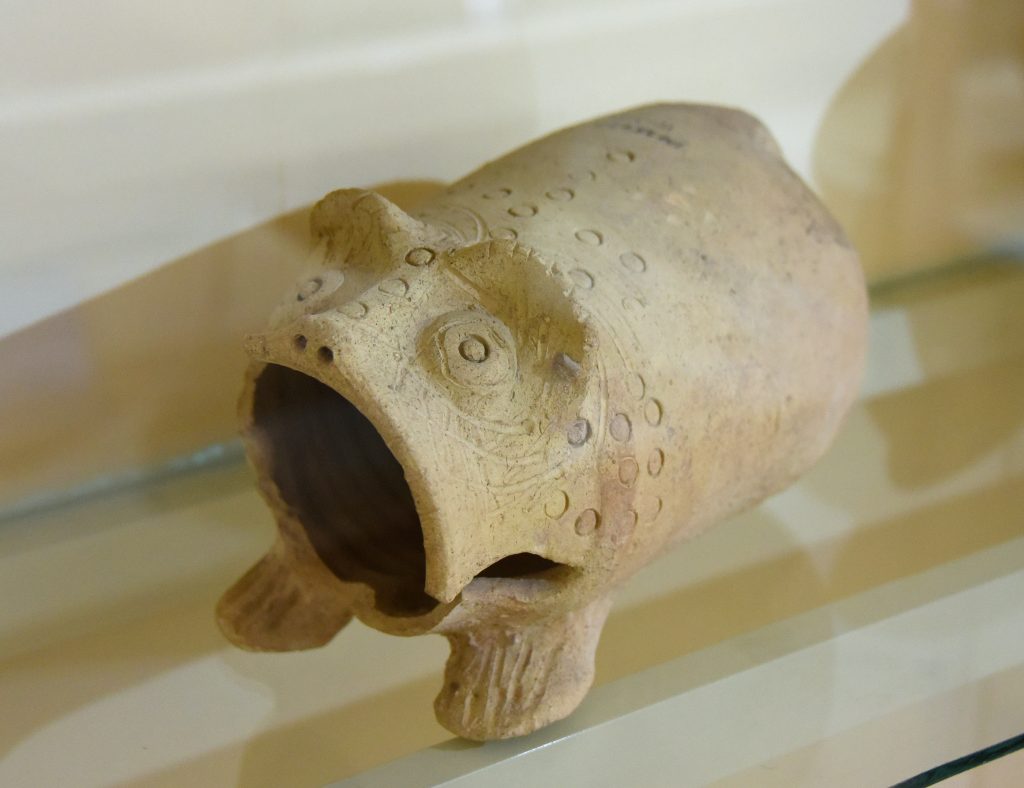
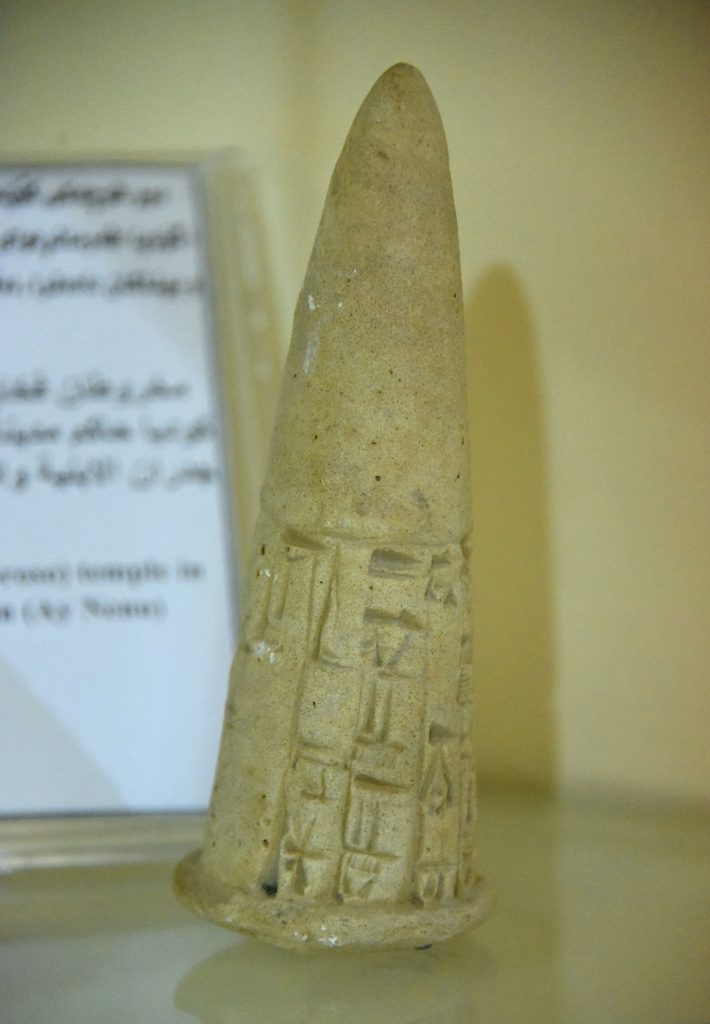
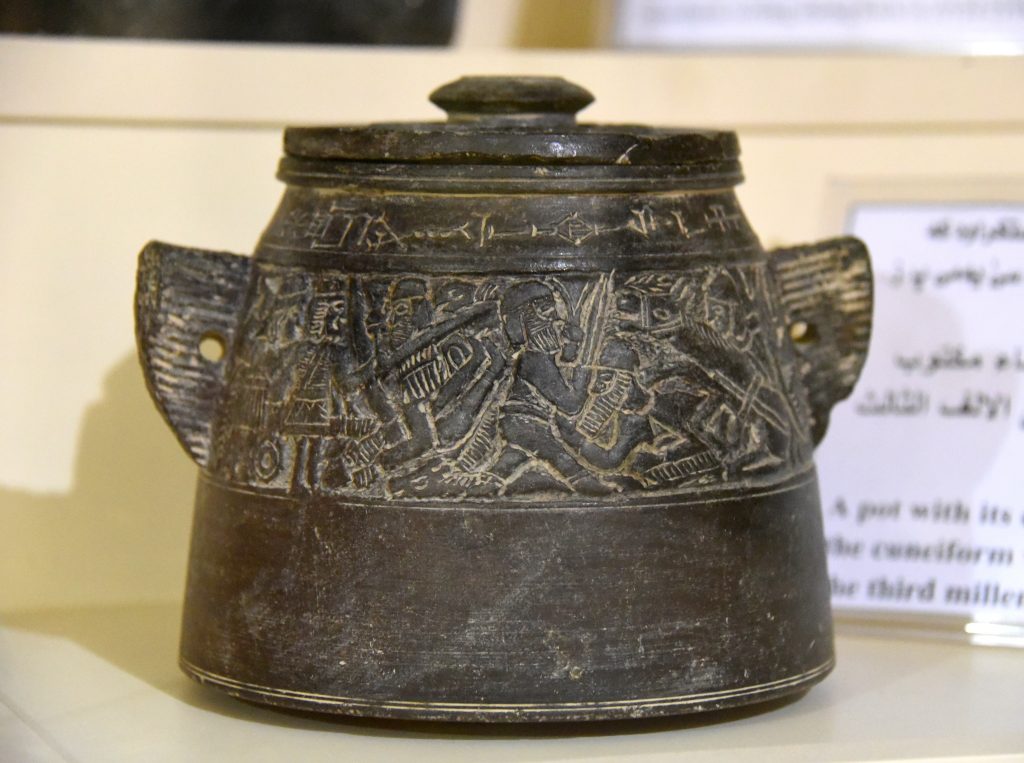
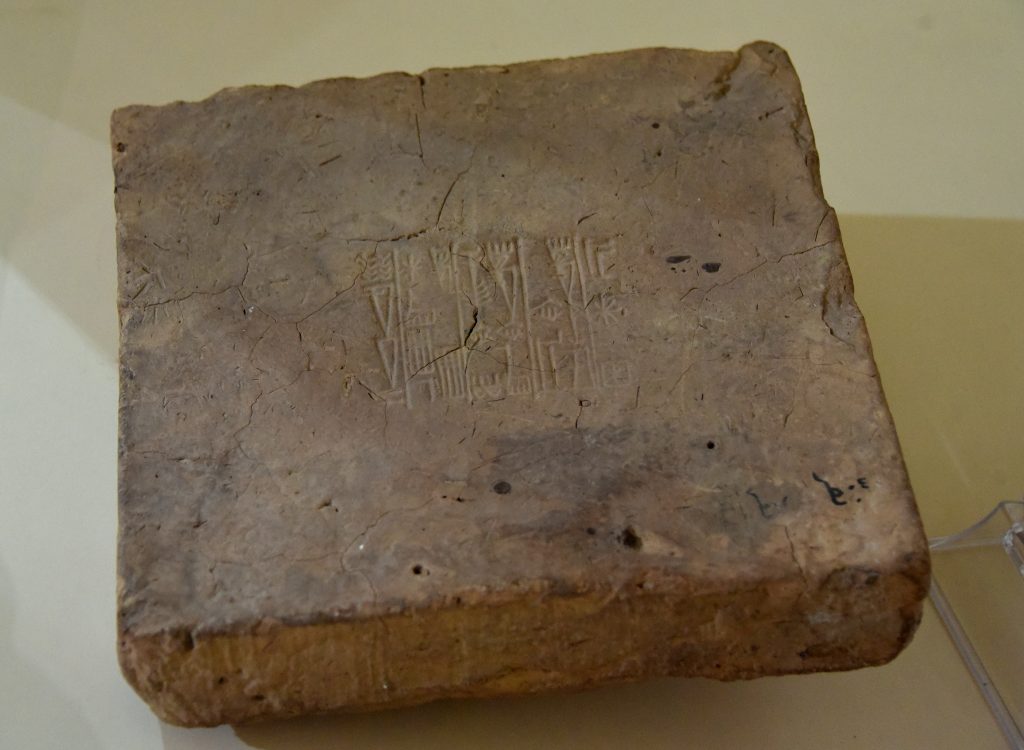
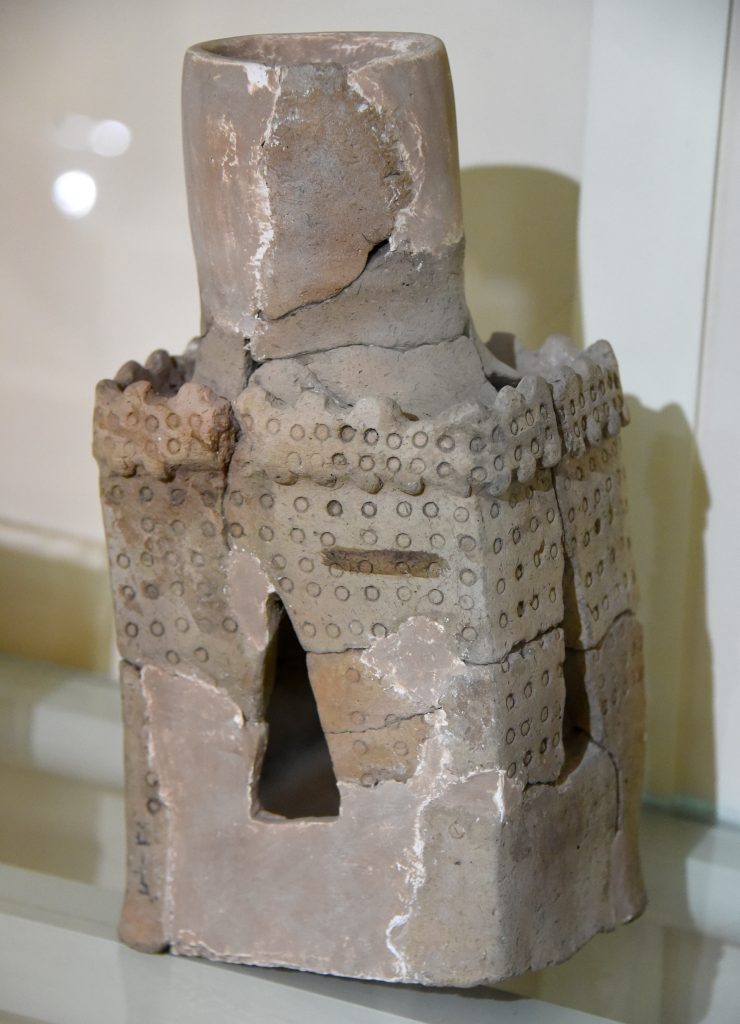
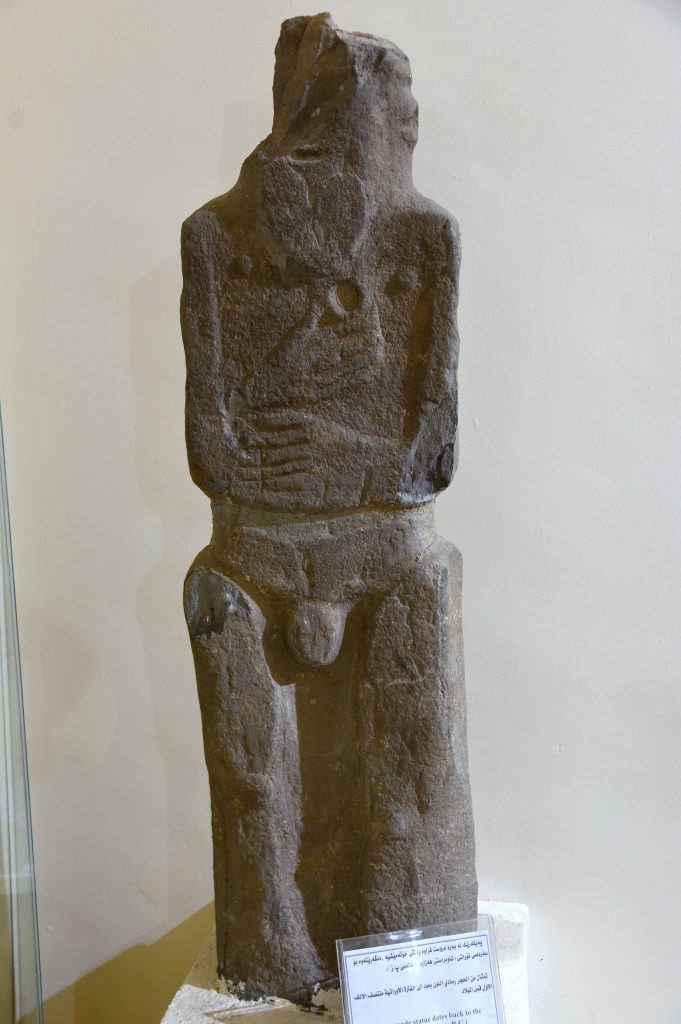
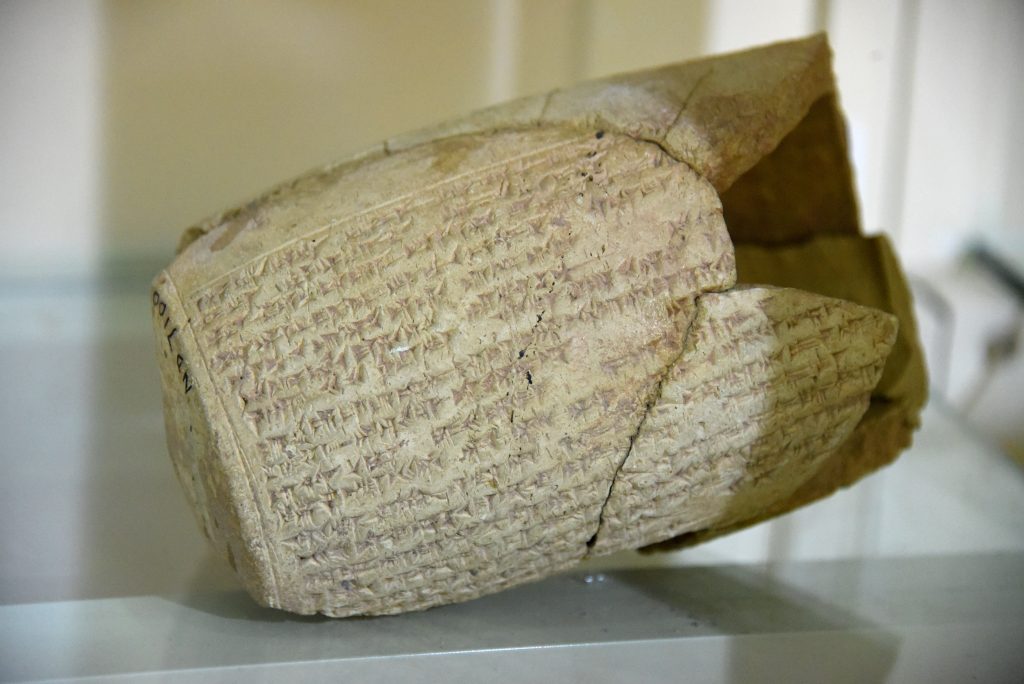
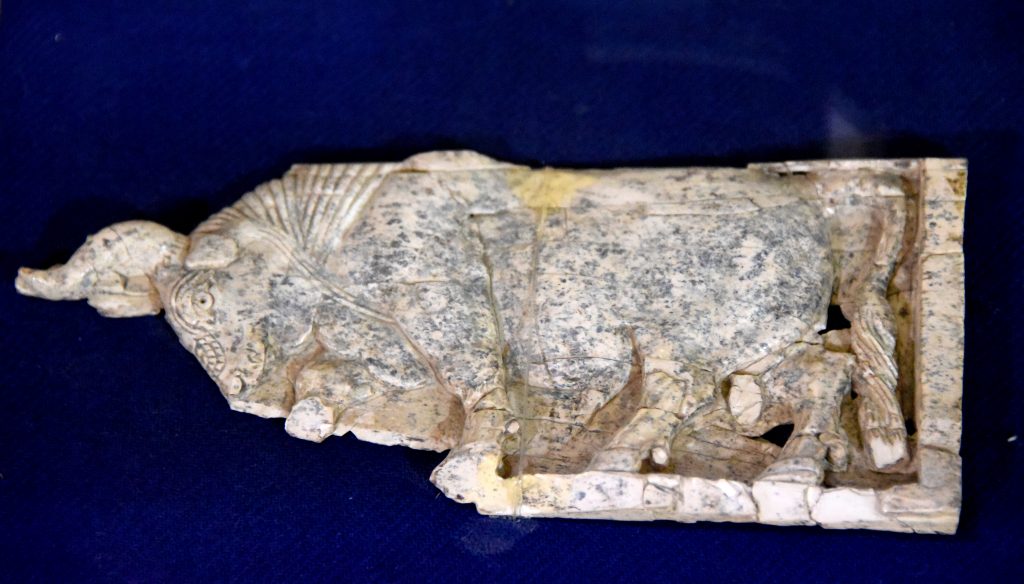
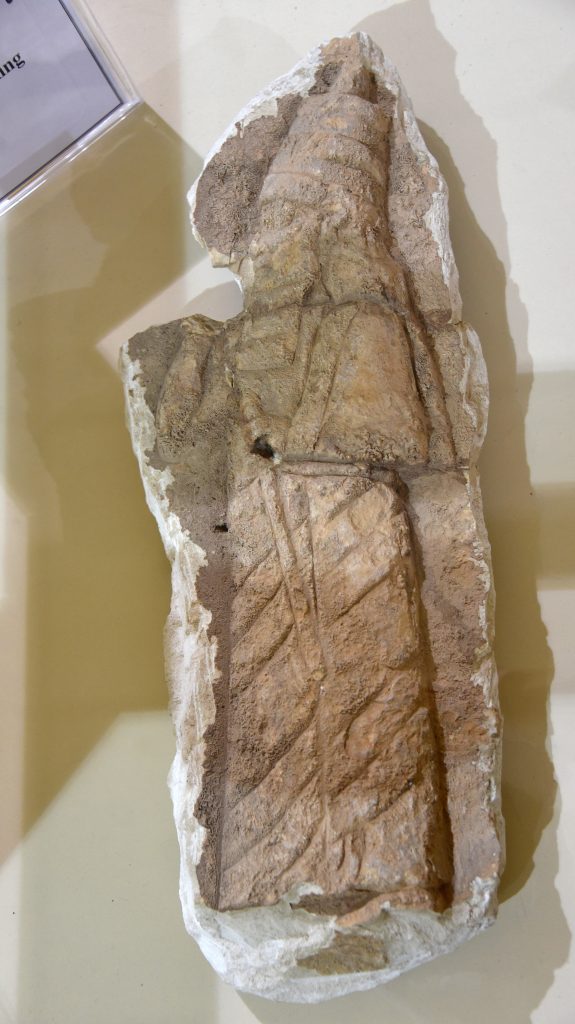
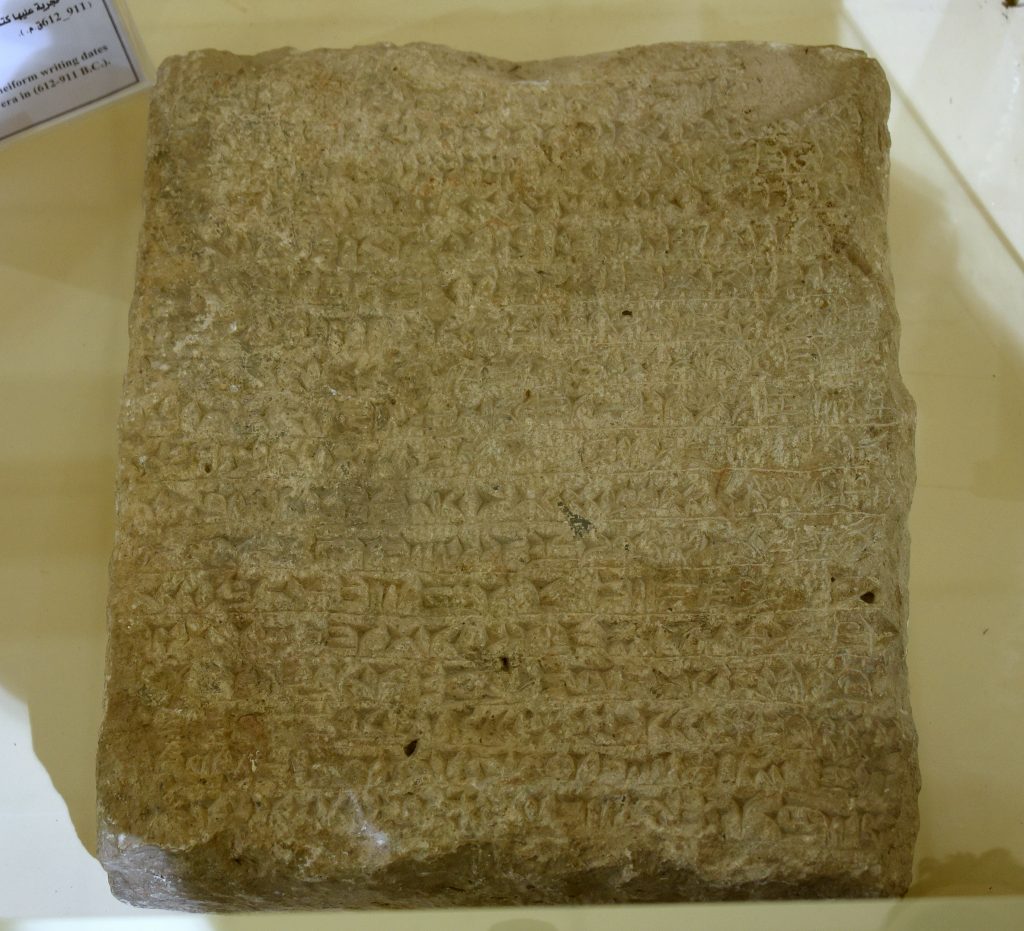
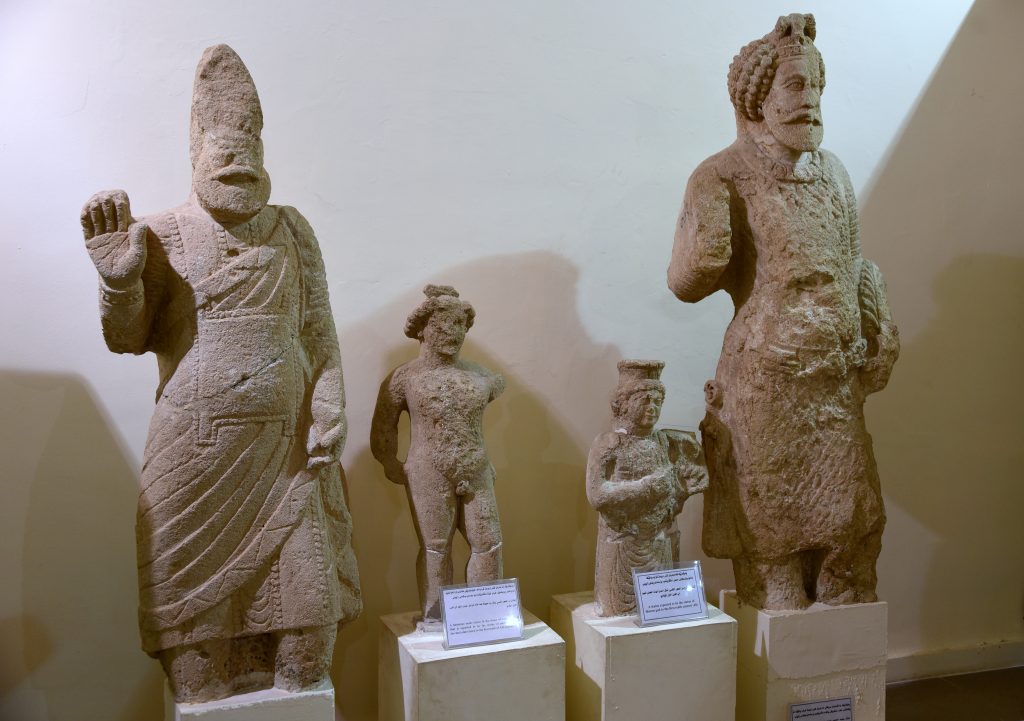
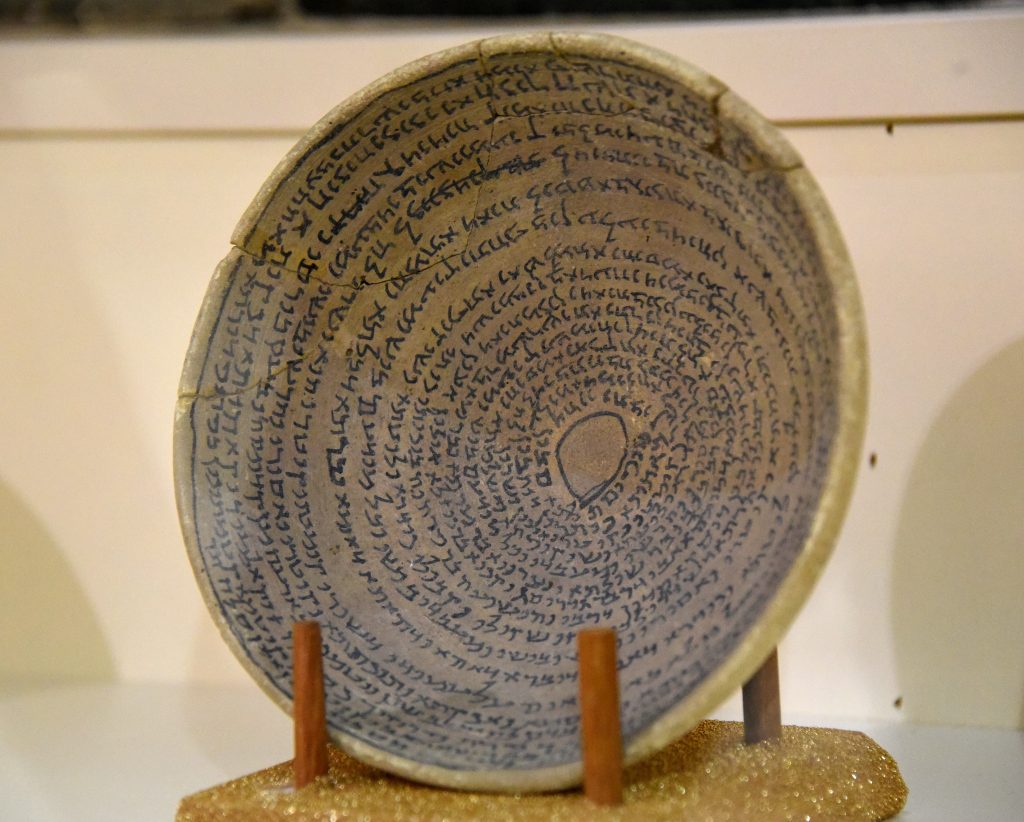
In this article, I have included photos of many artifacts, which I consider to be masterpieces of the museum, many of which are available for the very first time!
I sincerely thank all of the museum’s staff and administration, especially Mr. Ahamd Jaodat (Director of the Museum) and Mr. Qadri Ali Abdullah (Curator and archaeologist) for their kind help and cooperation.
Disclaimer
Erbil (or Hawler) Governorate and Sulaymaniyah (or Slemani) Governorate lie within the northern area of Iraq and is part of modern-day Iraqi Kurdistan (or “Kurdistan Region” or “Southern Kurdistan”). All of these terms are used to describe the region. Neither the author nor Ancient History Encyclopedia (AHE) endorses any specific of the aforementioned terms.