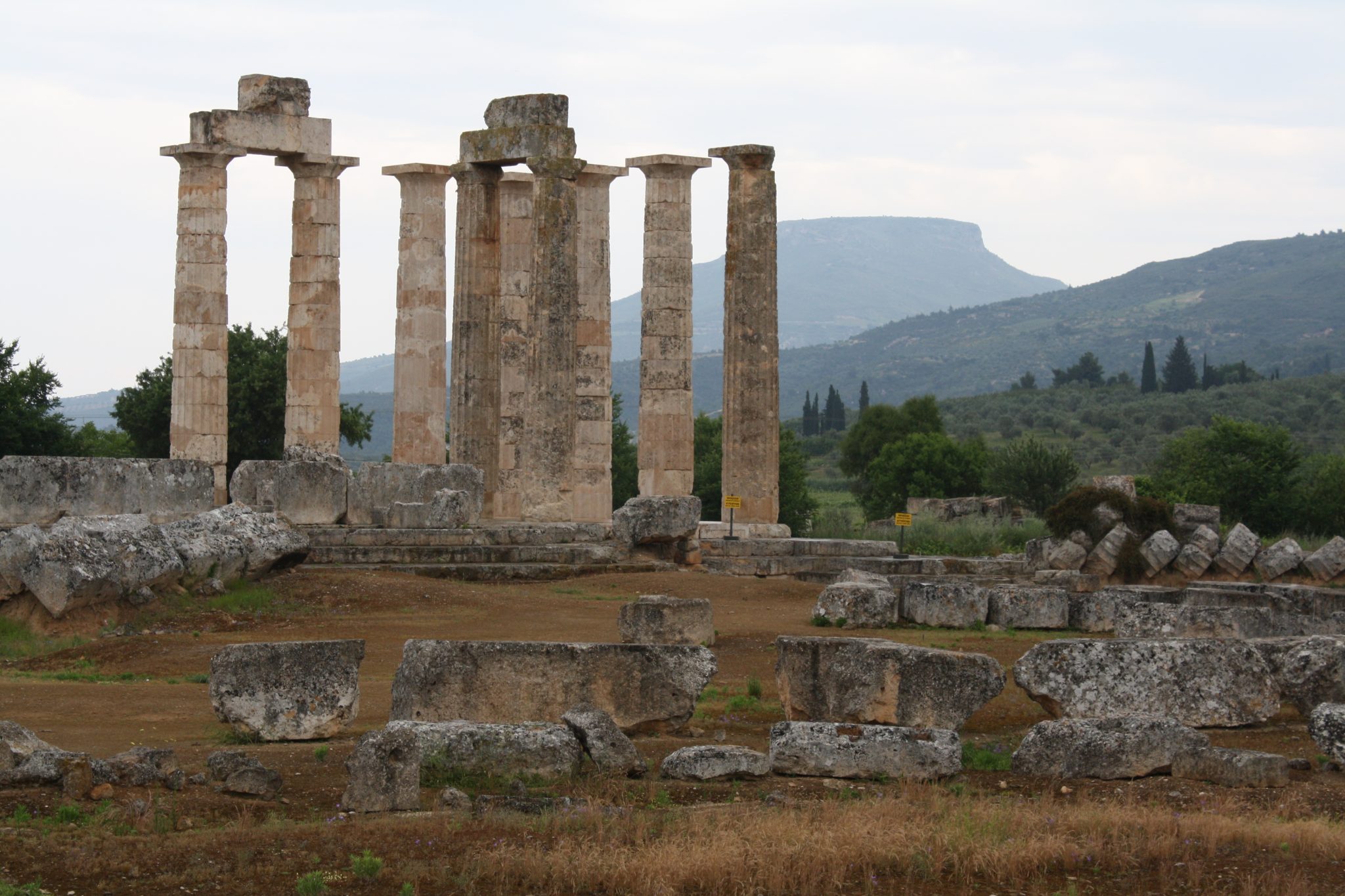
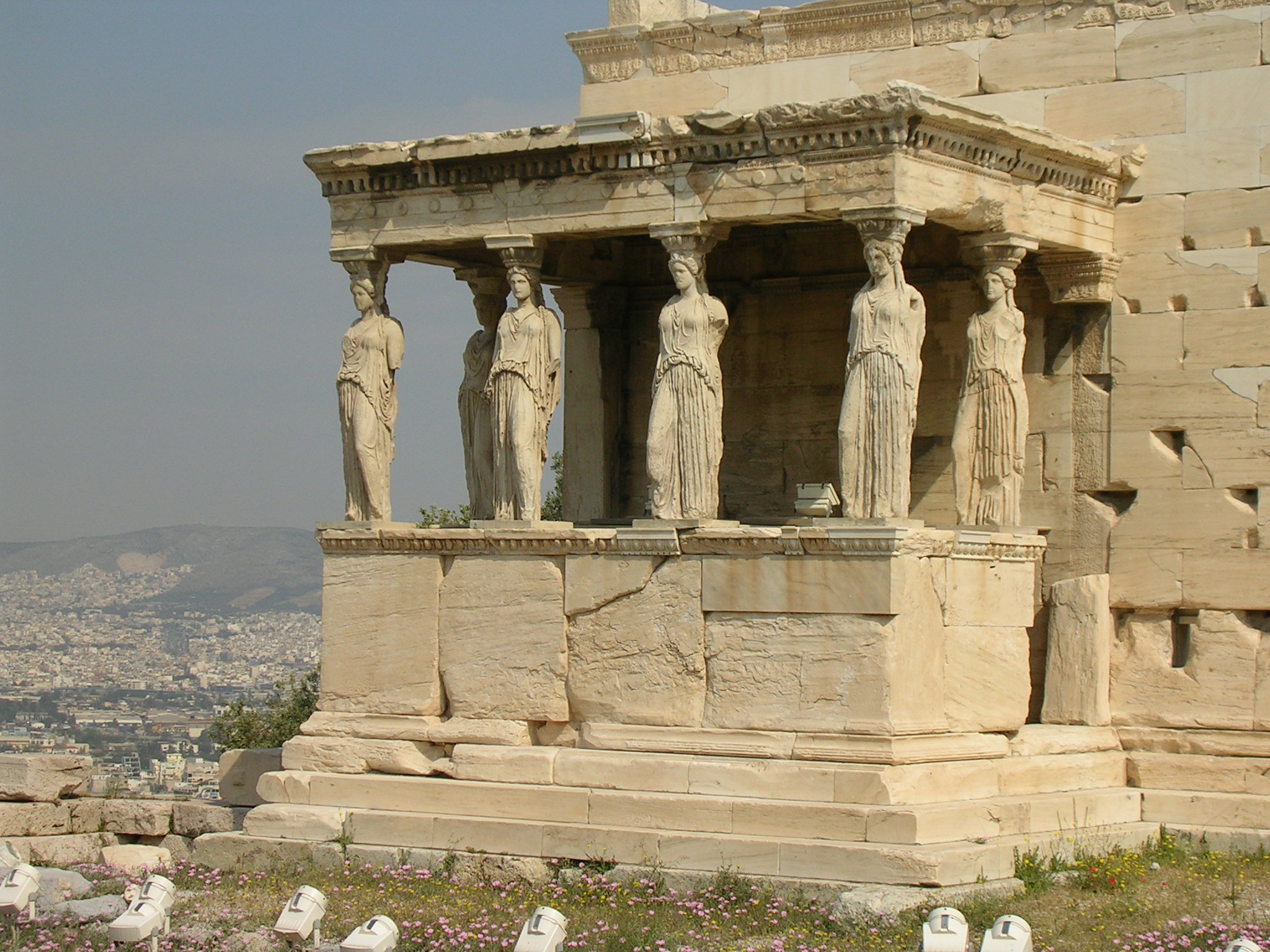
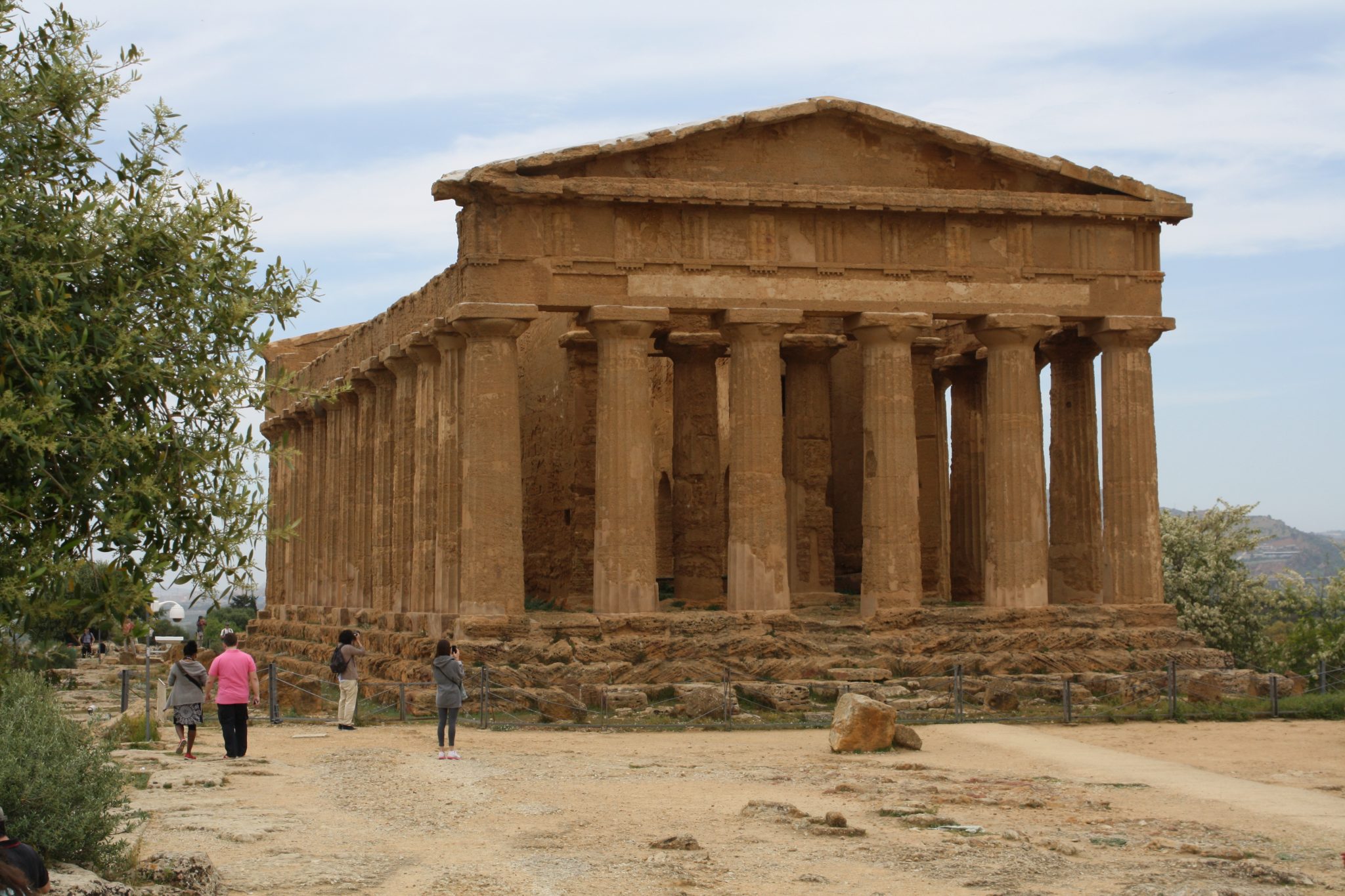
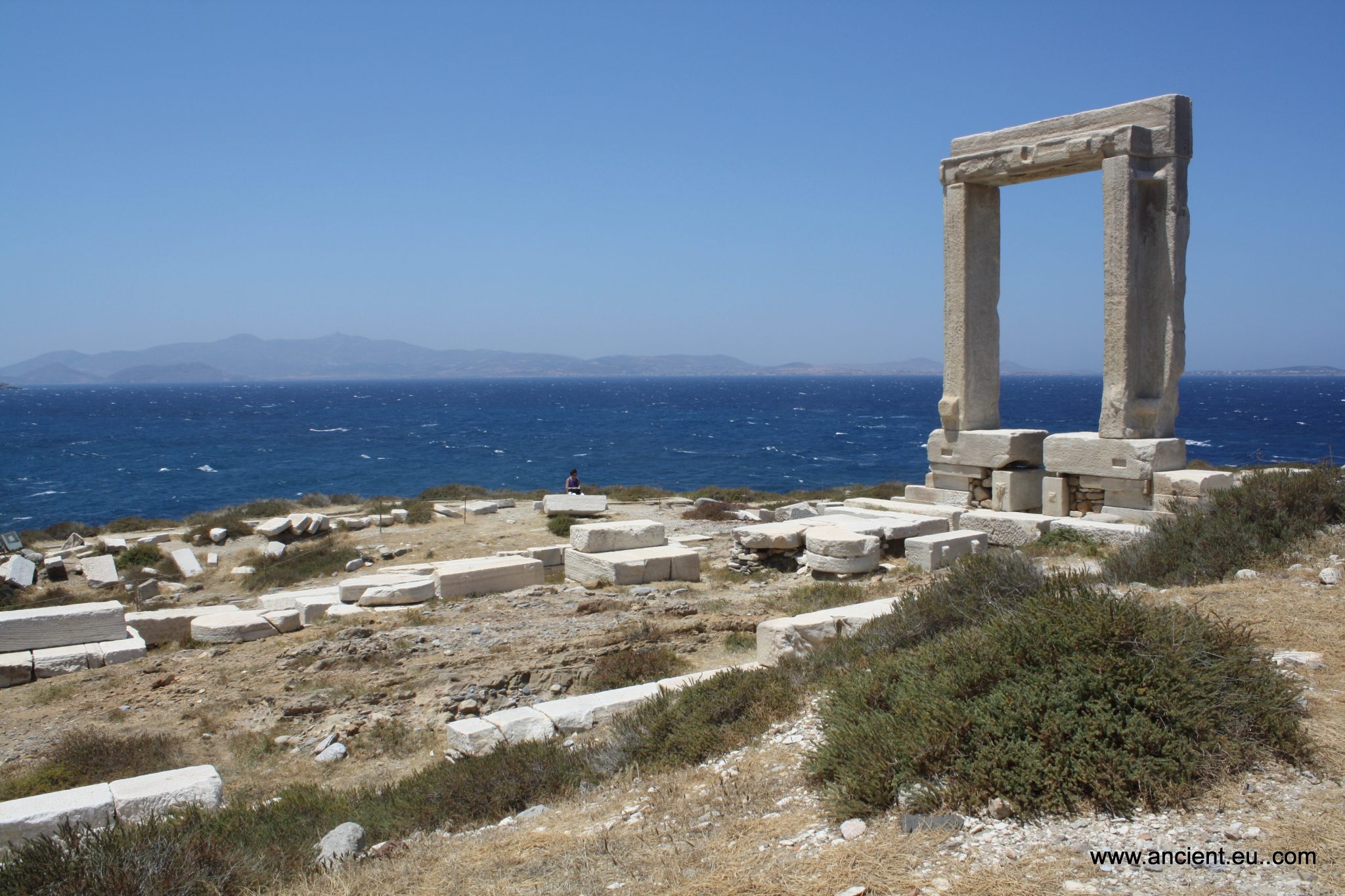
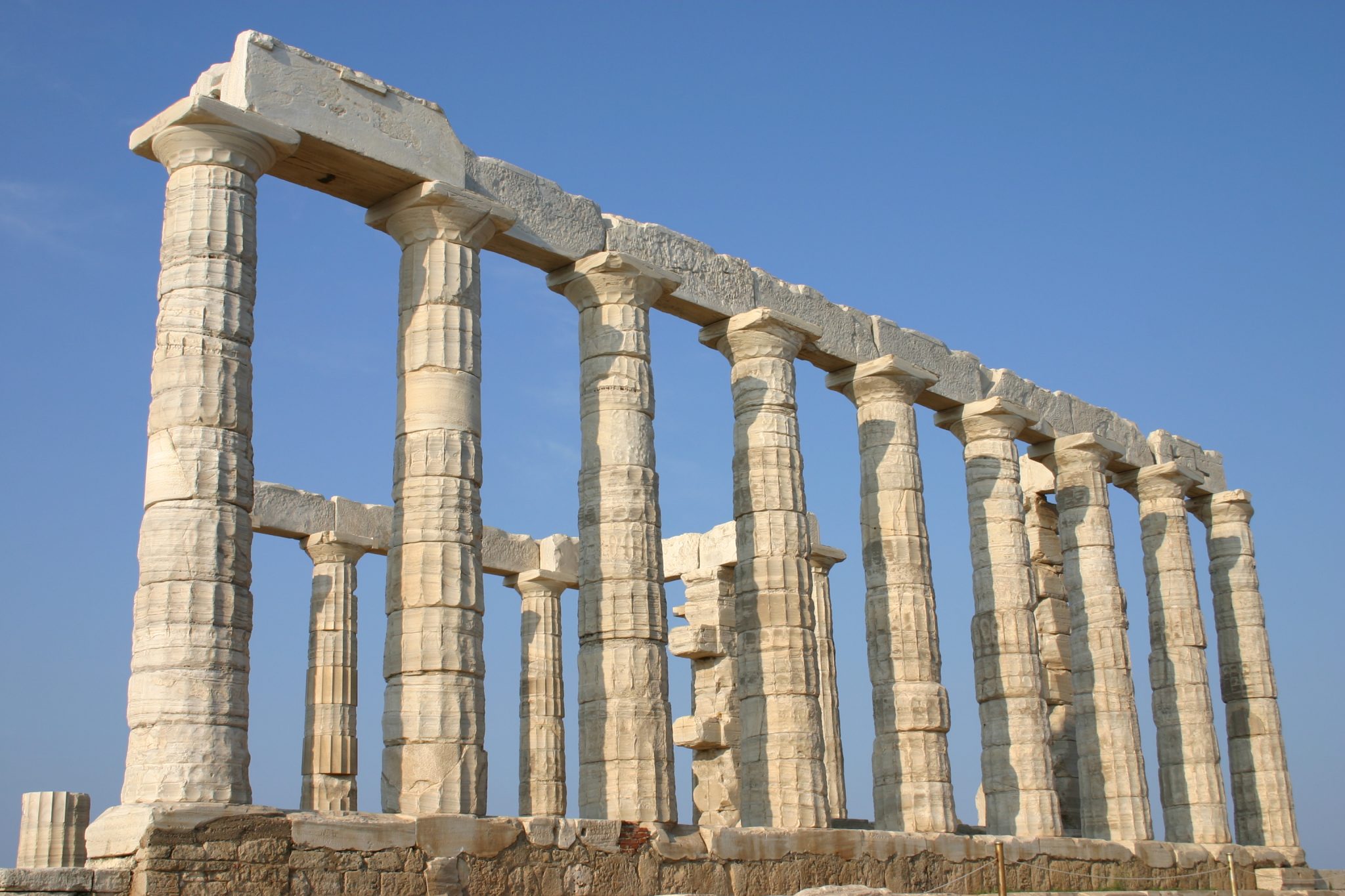
Here is another image post for you all to enjoy, today’s topic is the Greek temples!
Greek temples (naos – meaning dwelling place in reference to the belief that the god dwelt in that place, or at least temporarily visited during rituals) were places of formal worship. Each Greek community had its own sacred sites and temples which were looked after by priests.
Sacred sites and temples were set up for the large amount and variety of gods worshipped in ancient Greece. The most important, though, were the Olympian gods led by Zeus. These were Athena, Apollo, Poseidon, Hermes, Hera, Aphrodite, Demeter, Ares, Artemis, Hades, Hephaistos, and Dionysos. These gods were believed to reside on Mt. Olympos and would have been recognised across Greece.
Greek temple architecture was well known in ancient times and has become rather famous today. Temples followed a similar plan and were almost all rectangular with a single row of columns lining their exterior sides. The two most popular styles of columns were the Doric and Ionic orders.
The Doric order was one of the three orders of ancient Greek or classical architecture and could be identified by its smooth capital and square abacus. Also, unlike the other orders, most Doric columns stood directly on the floor of a temple without a base.
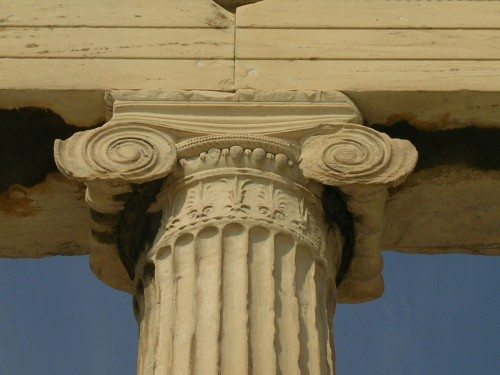
Ionic order temples are easily spotted because their columns are the thinnest and smallest of the three orders. But the Ionic’s major feature is the volutes, that is the scroll shape, of its capital.