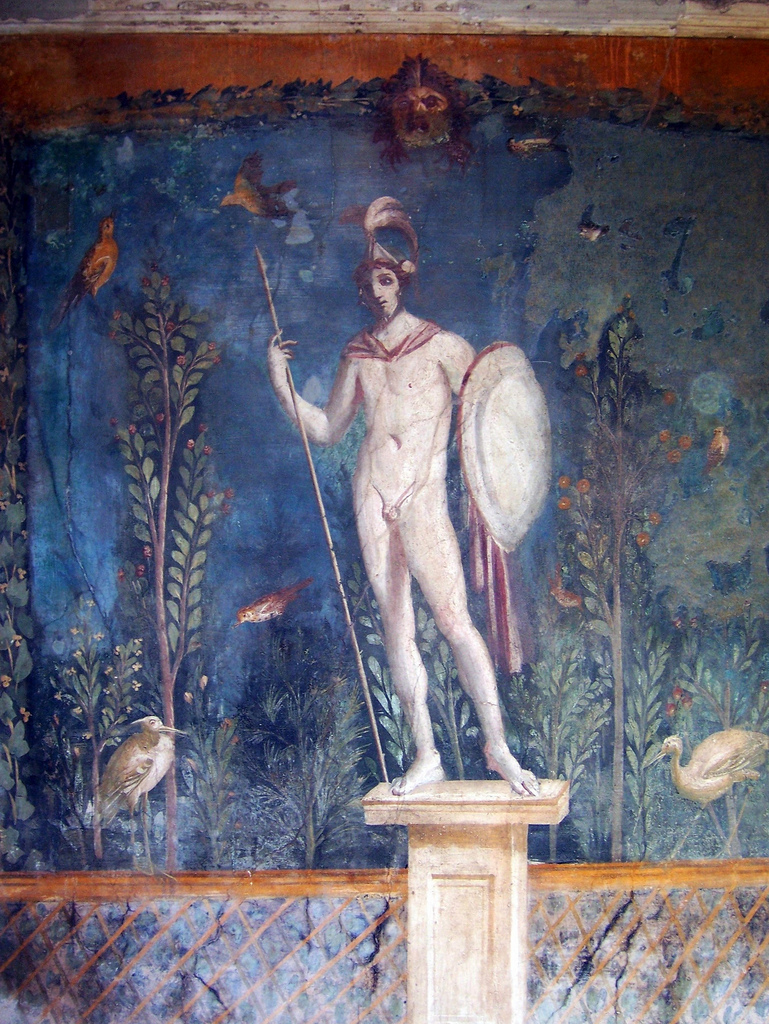
Here is another image post for you all to enjoy, today’s topic is the Art of Pompeii!
Most people have heard of the city of Pompeii and the natural disaster that preserved it so well under a deep layer of ash. This city has provided an invaluable insight to the Roman world and many claim it to be the richest archaeological site in the world, because of the amount of raw data it has given scholars.
We know from excavations that the town of Pompeii presents an astonishing mix of architecture such as shops, large villas to modest housing, temples, taverns (cauponae), an exercise ground and baths. Archaeologists have also found an arena, public latrines, a market hall (macellum), schools, water towers, a flower nursery, fulleries, a basilica and of course brothels and theatres.
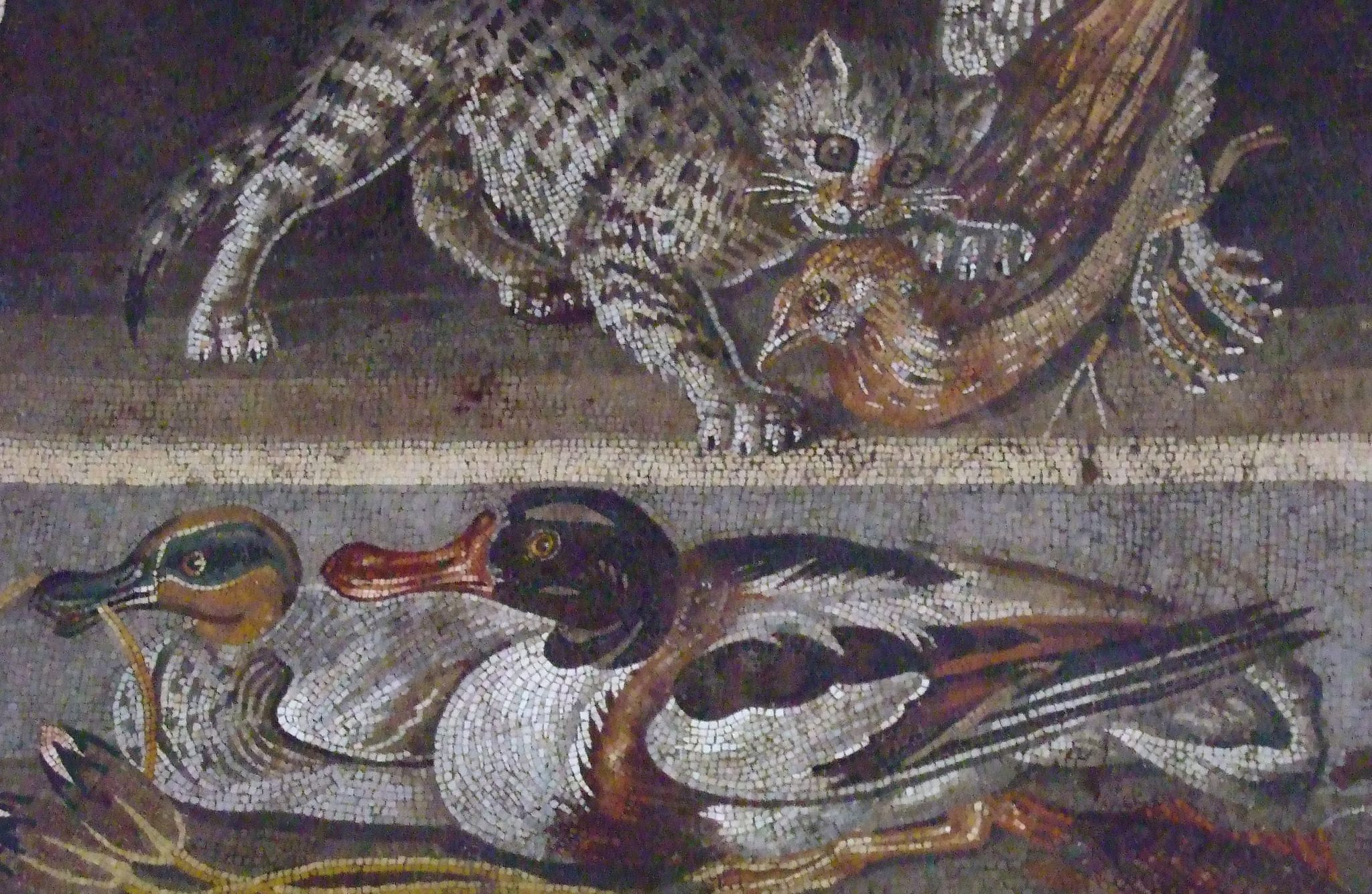
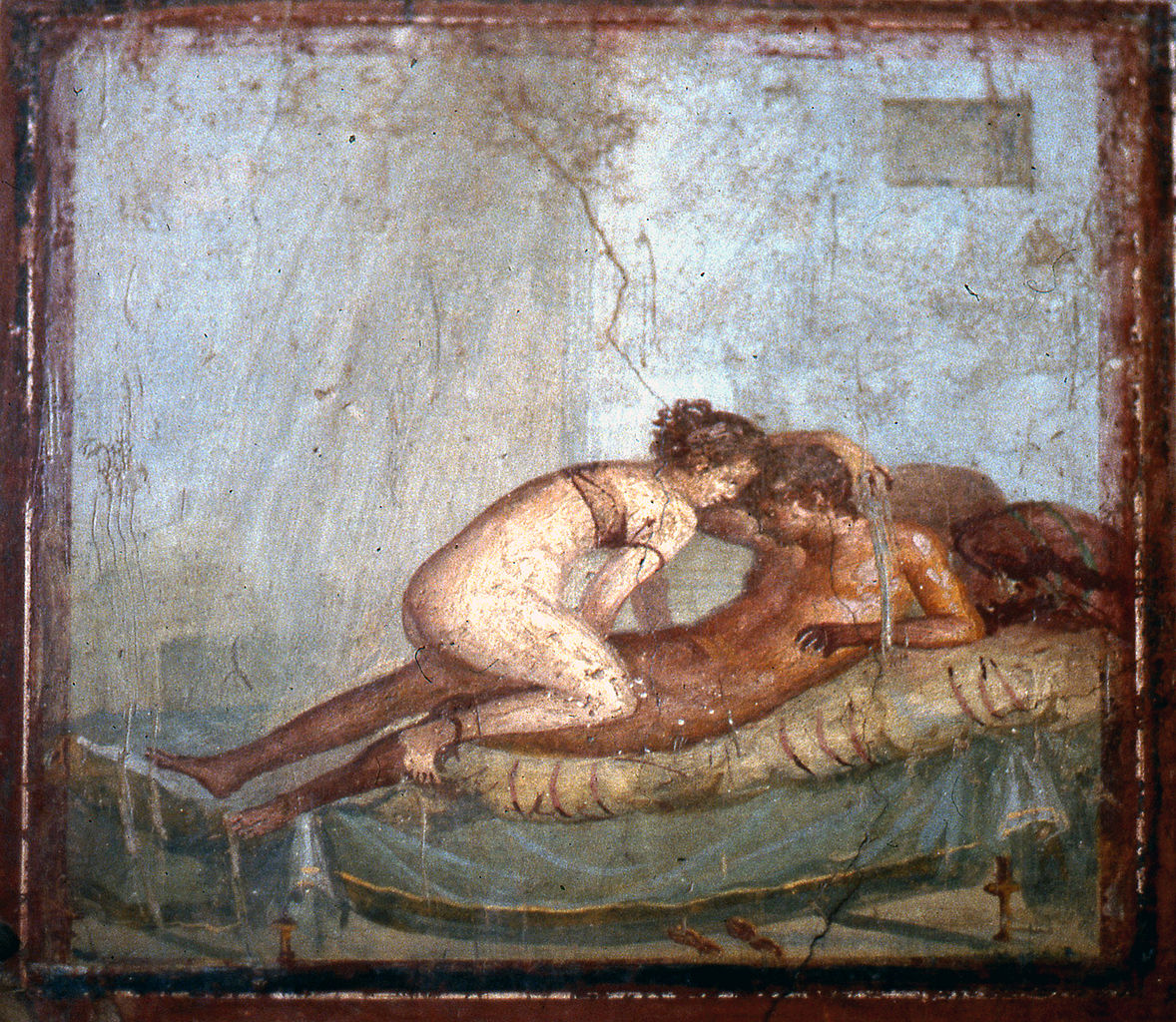
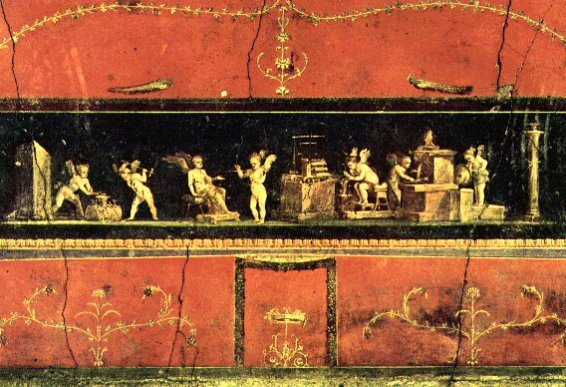
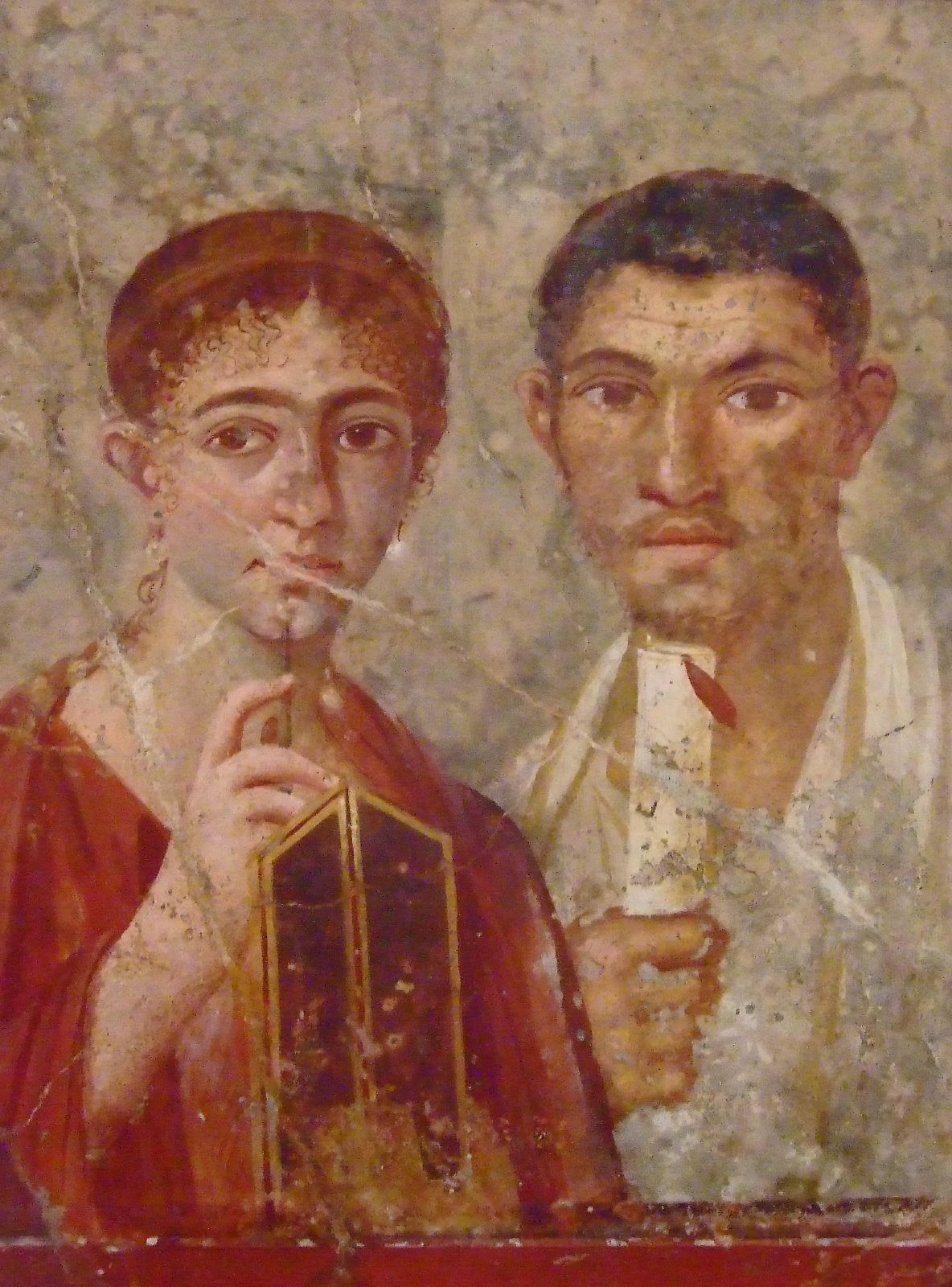
Many buildings had decorated walls in Pompeii; they were covered with frescoes or mosaics. What is interesting about frescoes (mural paintings) is that they are painted onto freshly-laid or wet lime plaster: ‘fresco’ means ‘fresh’. This way, the paint mixes with the plaster and becomes much more durable. Mosaics, on the other hand, were created using tiny pieces of colored glass, stone, or other materials. They were artfully arranged to create an elaborate picture. Frescos and mosaics depicted anything from Roman myths, religion, sports, war campaigns or sex.
Some very famous buildings in Pompeiicontain examples of these art forms, such as the peristyle of the House of the Vettii and the Villa of Mysteries (Villa dei Misteri). The House of the Vettii was owned by two freedmen and it is famous because within, almost all of its wall frescoes have been preserved. The Villa of Mysteries is famous because of one room which depicts a woman being initiated into the special cult of Dionysus.