
Tag: Assyria
-
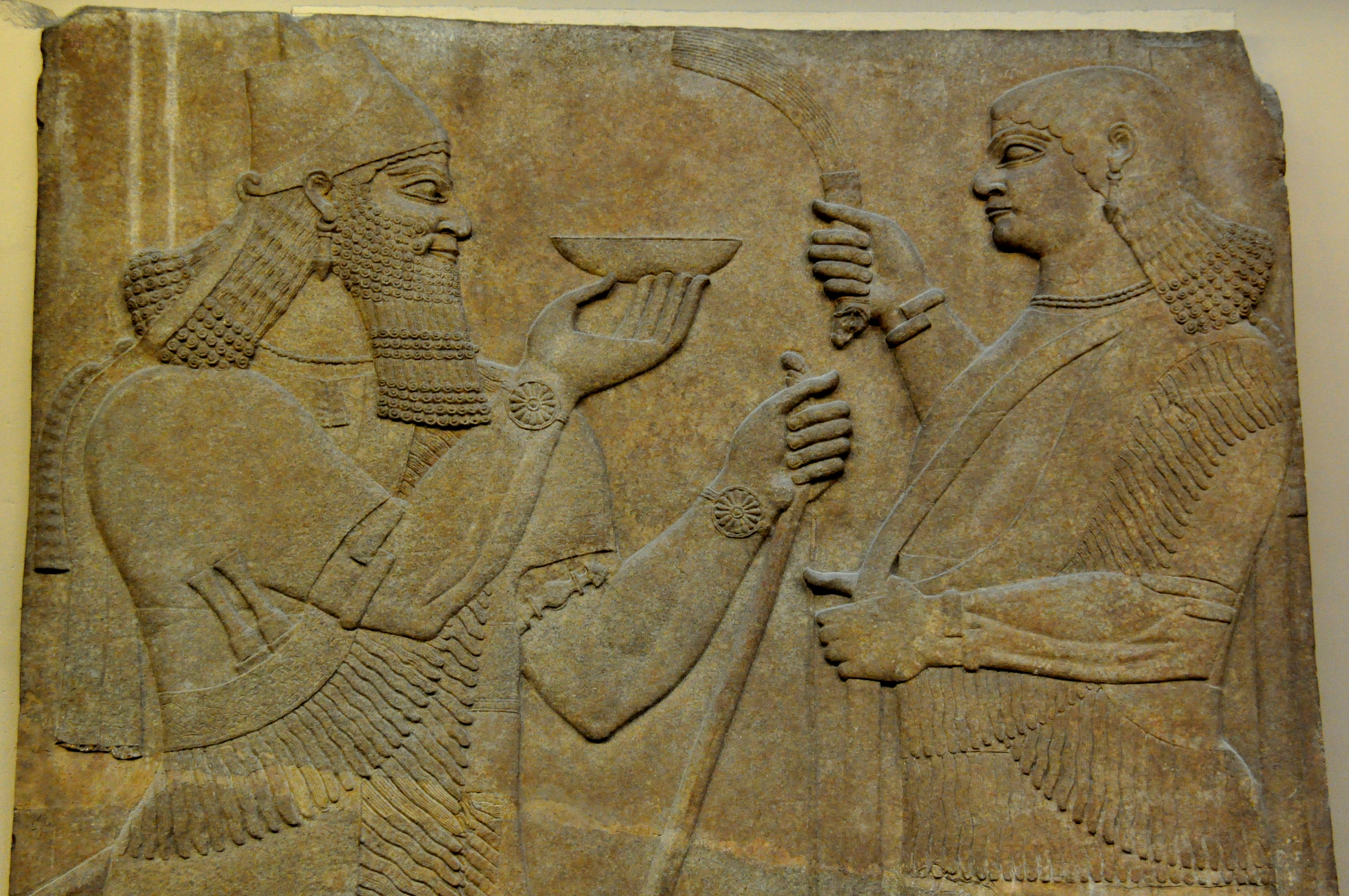
Wall Reliefs: Ashurnasirpal II at the North-West Palace
“(Property of) the palace of Assurnasirpal (II), vice-regent of Assur, chosen of Enlil and Ninurta, beloved of Anu and Dagan, destructive weapon of the great gods, strong king, king of the universe, king of Assyria, son of Tukulti-Ninurta (II), great king, strong king, king of the universe,…” This is how Ashurnasirpal II, a harsh king,…
-
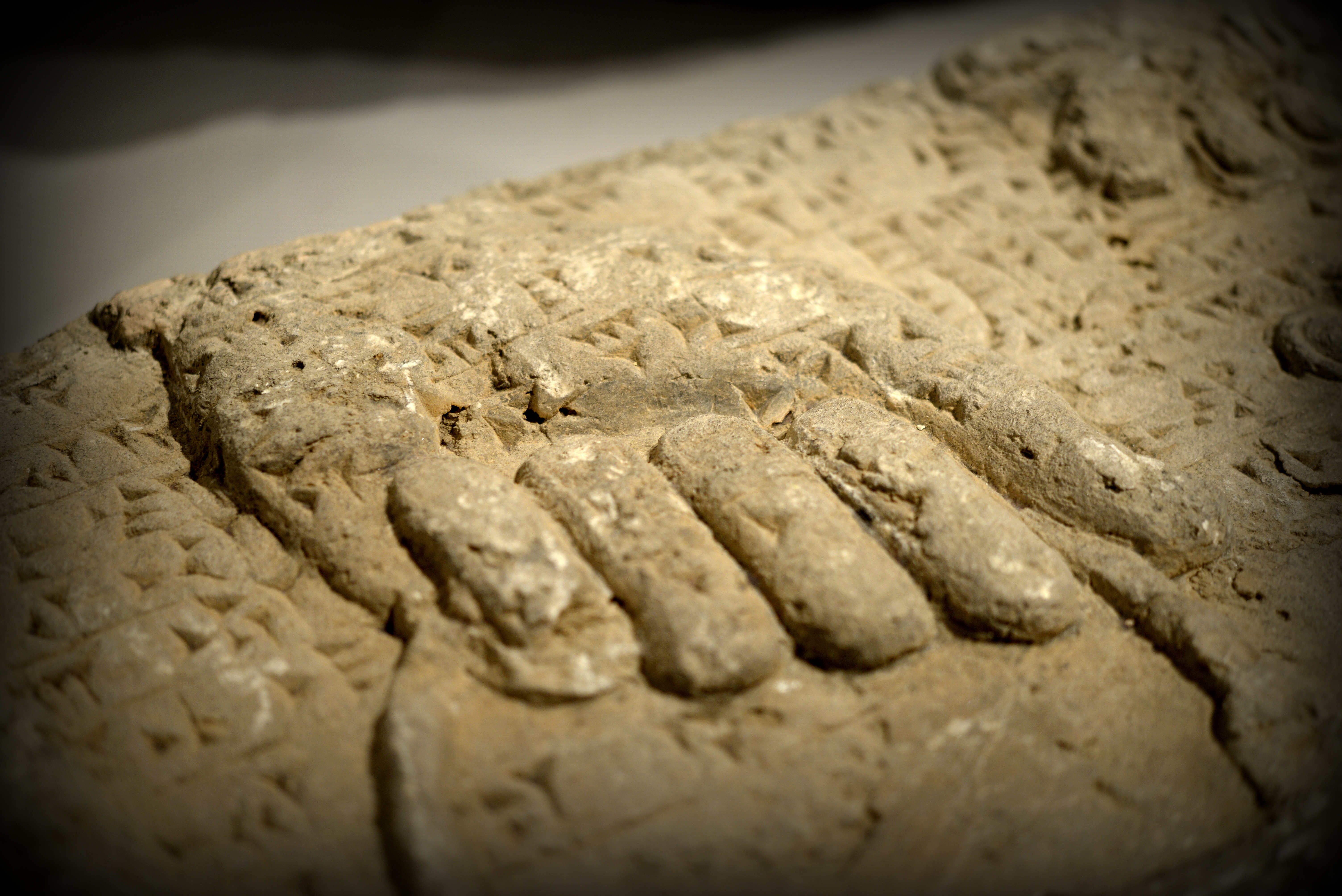
Assyrian Wall Reliefs from the Sulaymaniyah Museum
Most, if not all, of our readership knows about the intentional destruction of ancient artifacts, buildings, mosques, shrines, and the contents of Mosul museum contents by the so-called Islamic State of Iraq and Syria (ISIS). The Governorate of Mosul in Iraq is the site of several ancient Assyrian cities (Nimrud, Kouyunjik, and Dur-Sharrukin), in addition…
-
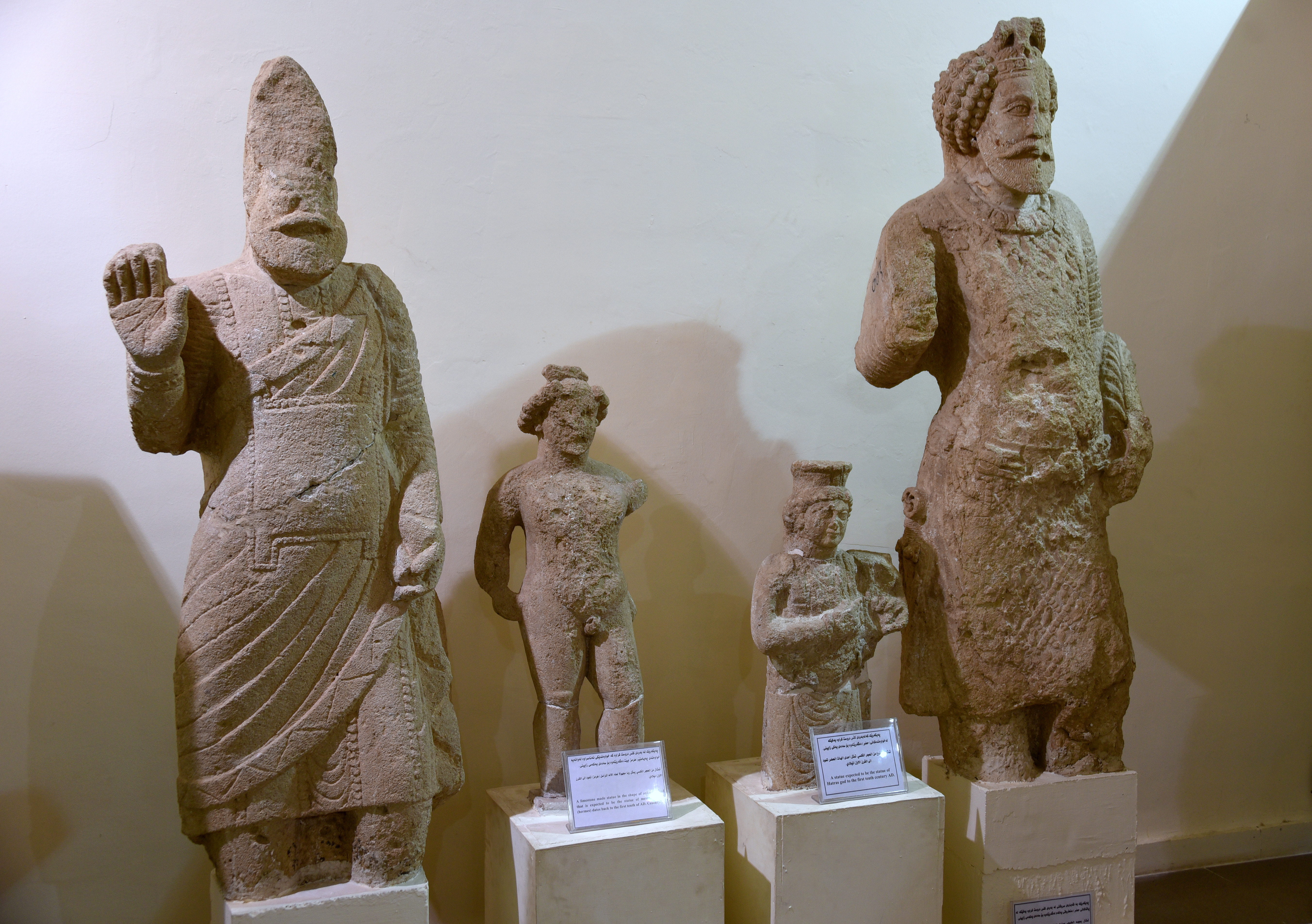
Visiting the Erbil Civilization Museum
I was attending a neurology event in Erbil (the ancient city of Arbela also known as Hawler in Kurdish), which is the capital city of Iraqi Kurdistan. The last time I had visited the Erbil Civilization Museum (Kurdish: موزه خانه ي شاره ستاني هه ولير ; Arabic: متحف أربيل الحضاري) was in September 2014. In comparison…
-
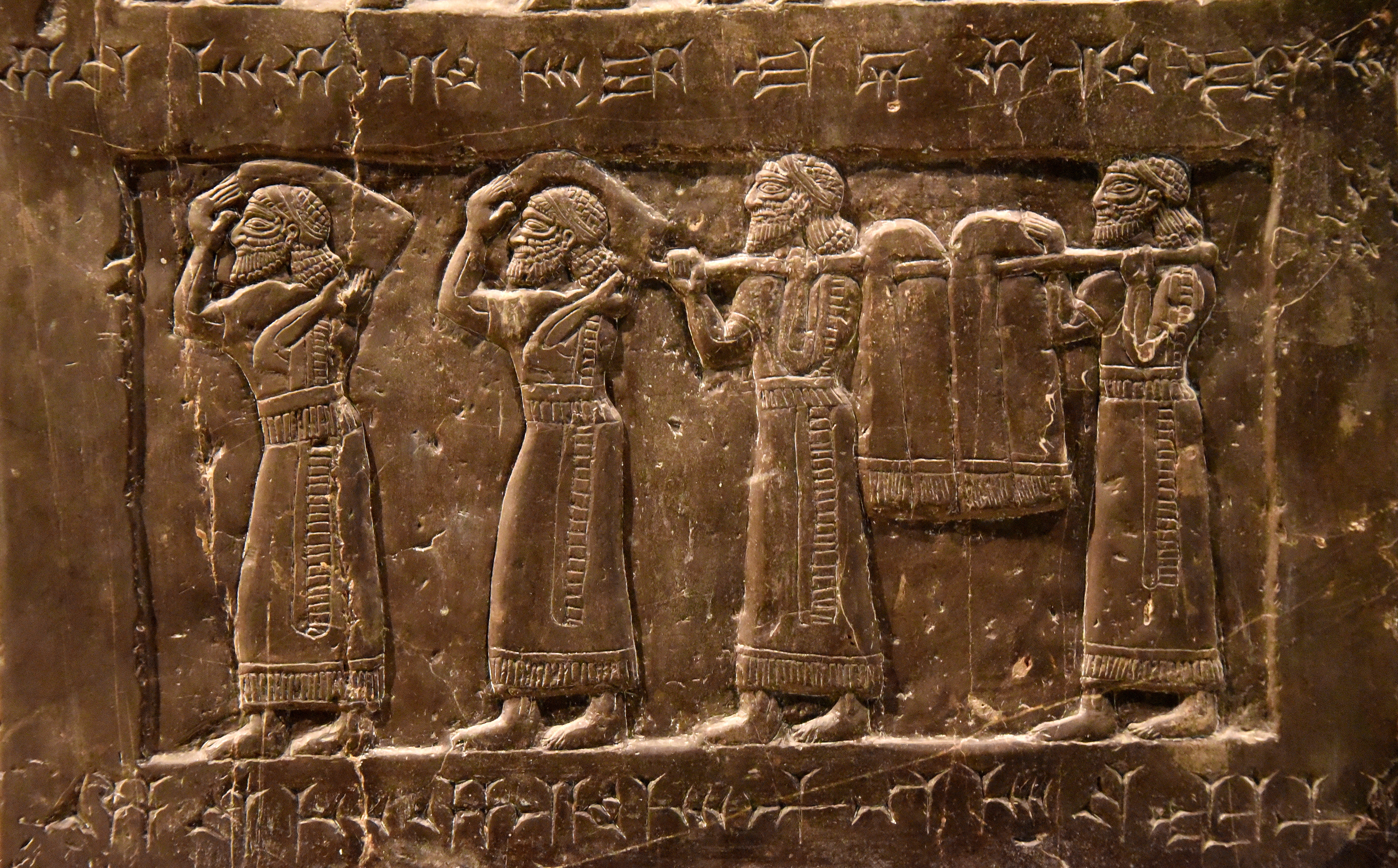
The Black Obelisk of Shalmaneser III at the British Museum
I was attending an event at the Royal College of Physicians of London in early March 2016, and I had a plenty of time to spare. One of my targets was, of course, the British Museum. Two years ago, Jan van der Crabben (founder and CEO of the Ancient History Encyclopedia) asked me to draft…
-
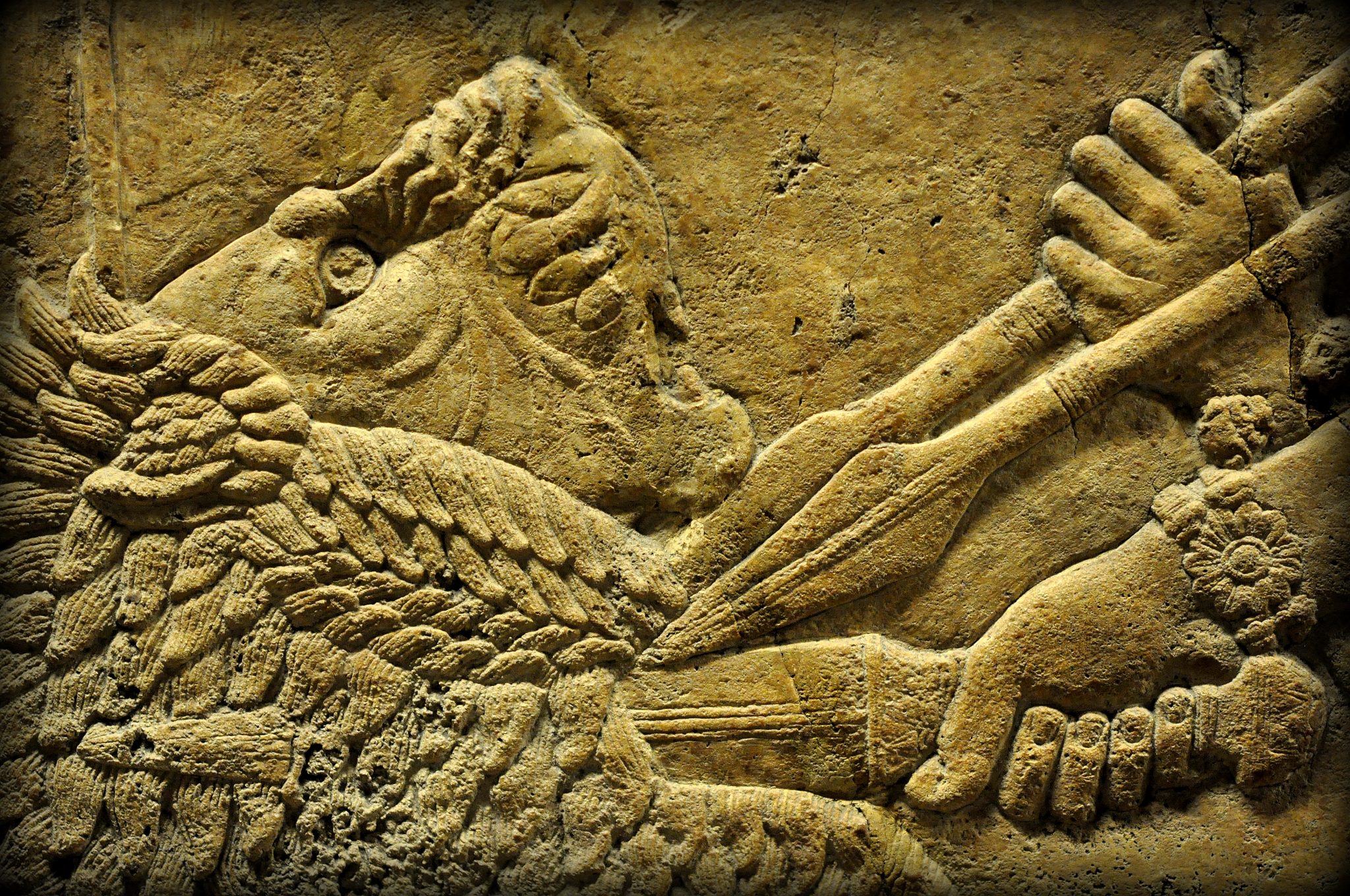
Assyrian Lion-Hunting at the British Museum
Whoever was privileged to gain access to the North Palace of the Assyrian king Ashurbanipal at Nineveh, could consider himself part of something timeless. Thanks to the great work of Hormuzd Rassam (1826-1910), who unveiled a large number of alabaster bas-reliefs, which once decorated the walls of that king’s Palace (built around 645 BCE); the…
-
Stunning Nemrut Dagi and the Kingdom of Commagene
Today we have another contribution from Timeless Travels Magazine in which Dr Christine Winzor writes about the colossal stone heads at Nemrut Dağ, Turkey. The colossal stone heads at Nemrut Dağ, with their distinctive array of crowns and caps, are among the most iconic images of Turkey. Many guidebooks and tour agencies stress the importance of…
-
What Caused The Mysterious Bronze Age Collapse?
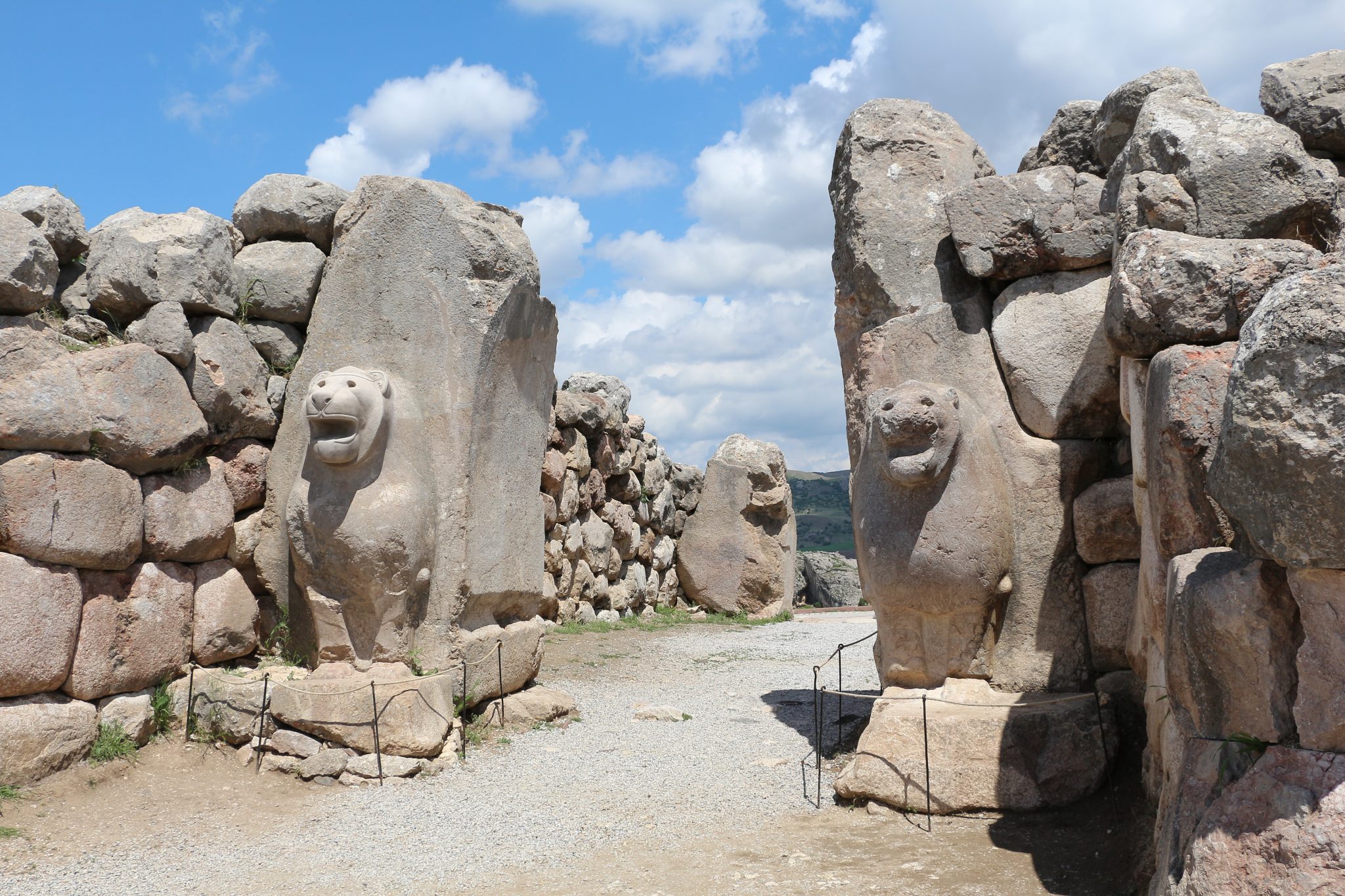
The urge to find a single explanation as the cause for such calamitous events seems to come from a modern human need for an easy explanation as often as possible. The decline of the Late Bronze Age civilizations of the Mediterranean and Near East has puzzled historians and archaeologists for centuries. While many have ascribed…
-
Assessment of the ISIS Destruction at the Mosul Museum
This is a cross-posting from the blog Gates of Nineveh. Part 1 and Part 2 of the original posts can be found there. Last week ISIS released yet another propaganda video, showing what has been feared since the fall of Mosul last summer: the destruction of ancient artifacts of the Mosul Museum. By now most…
-
Ancient Mesopotamia: Inventing and Reinventing Our World
Three successive civilizations — Sumerian, Babylonian, and Assyrian — flourished along the “Fertile Crescent” in ancient Mesopotamia for thousands of years. Renown for their creativity, dynamism, and complexity, these cultures also provide the earliest models of civilization in the West. This fall, the Royal Ontario Museum (ROM) in Toronto, Canada is celebrating the remarkable achievements and…