
Tag: Roman_art
-
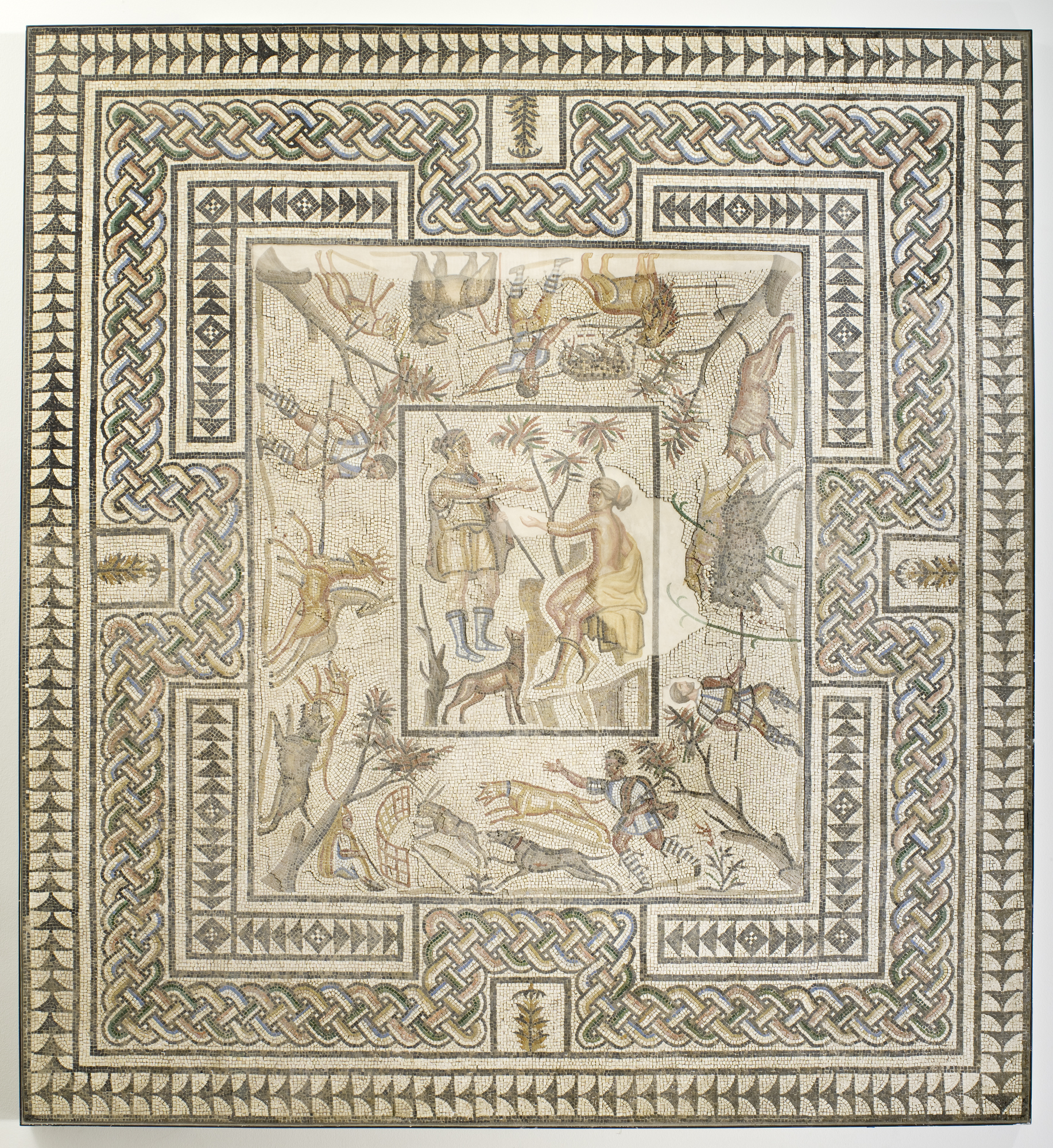
The Grandeur of Roman Mosaics
Roman mosaics decorated luxurious domestic and public buildings across the empire. Intricate patterns and figural compositions were created by setting tesserae — small pieces of stone or glass — into floors and walls. Scenes from mythology, daily life, nature, and spectacles in the arena enlivened interior spaces and reflected the cultural ambitions of wealthy patrons.…
-
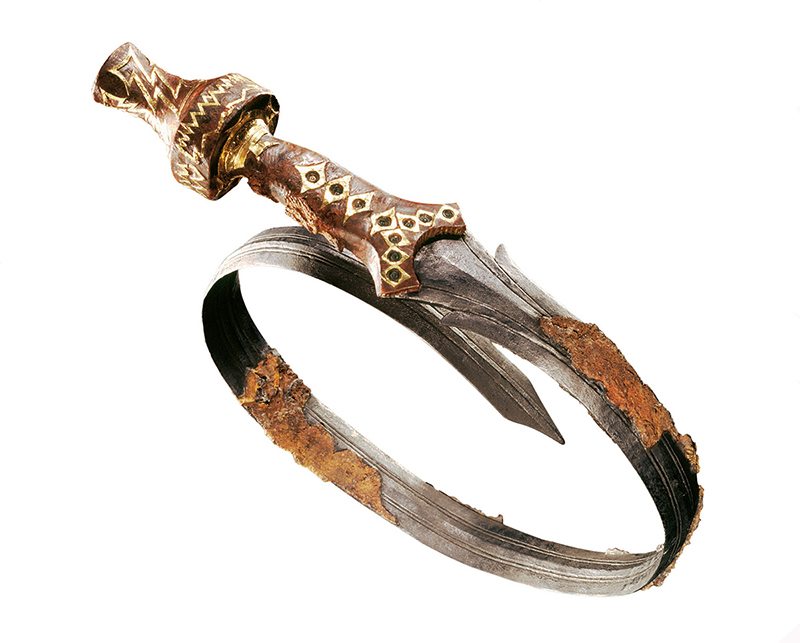
Rijksmuseum van Oudheden
Leiden, Netherlands is not exactly the first place that comes into mind when you think about ancient history. Even if you are in the city, you would most likely walk past the Rijksmuseum van Oudheden (National Museum of Antiquities) without noticing it. Hidden in an unremarkable building in the historic city center, it’s nothing like…
-
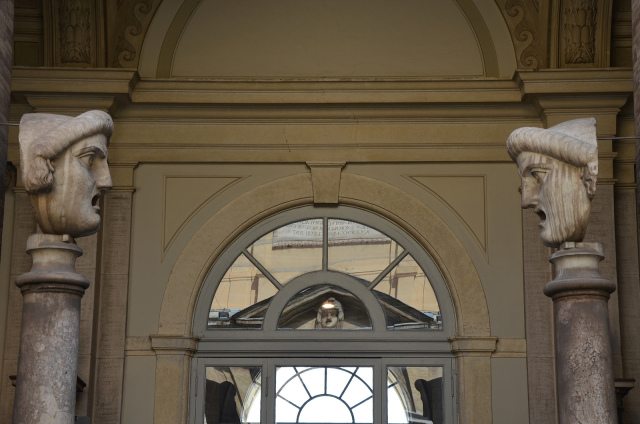
Art and Sculptures from Hadrian’s Villa: The Marble Theatrical Masks
This month’s masterpieces from Hadrian’s Villa are the larger than life-size marble theatrical masks that once decorated the scaenae frons (stage-front) of the odeon of the villa.
-
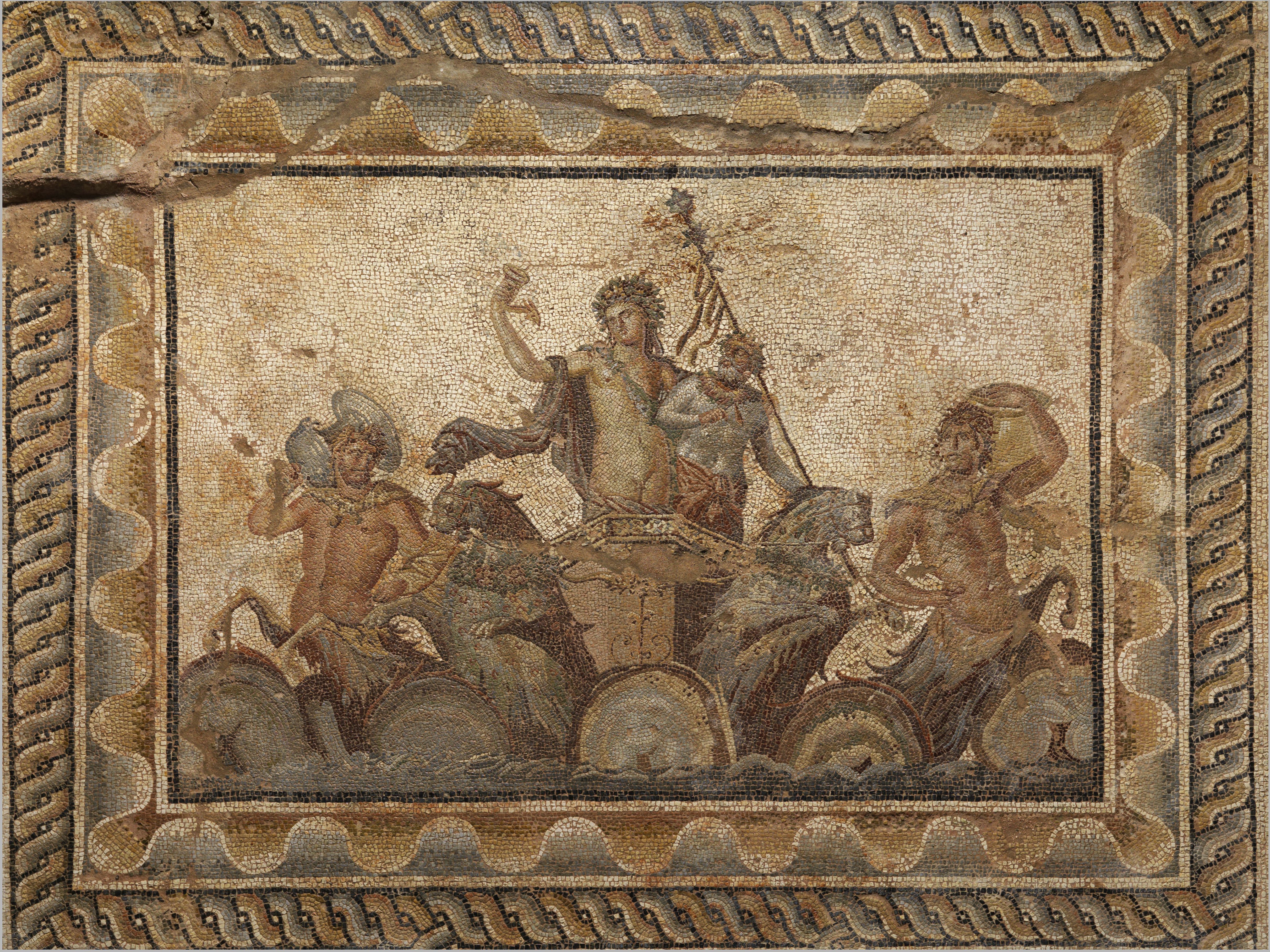
The Art of Ancient Dion
Enjoying a privileged and bucolic position on the eastern slopes of Mount Olympus, the ancient Greek city of Dion prospered for thousands of years as a sacred center for the cult of Zeus and as the gateway to Macedonia. Gods and Mortals at Olympus: Ancient Dion, City of Zeus, now on show at the Onassis…
-
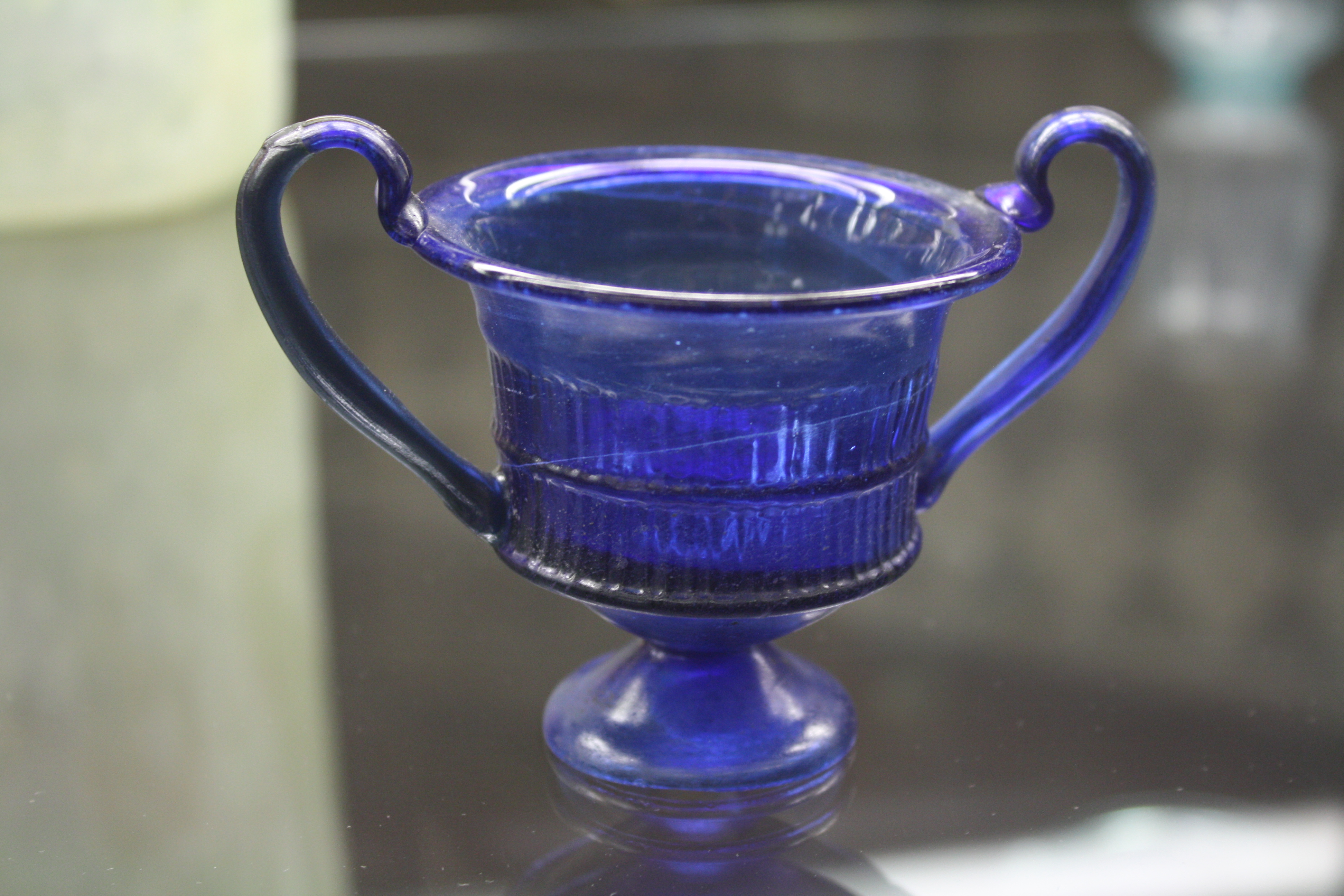
Roman Glass from the Archaeological Museum of Pavia
Roman glassware includes some of the finest pieces of art ever produced in antiquity and the very best were valued higher than wares made with precious metals. However, plain glass vessels such as cups, bowls, plates, and bottles were also used as everyday containers, in particular, for storing and serving food, drinks, and perfumes. The…
-
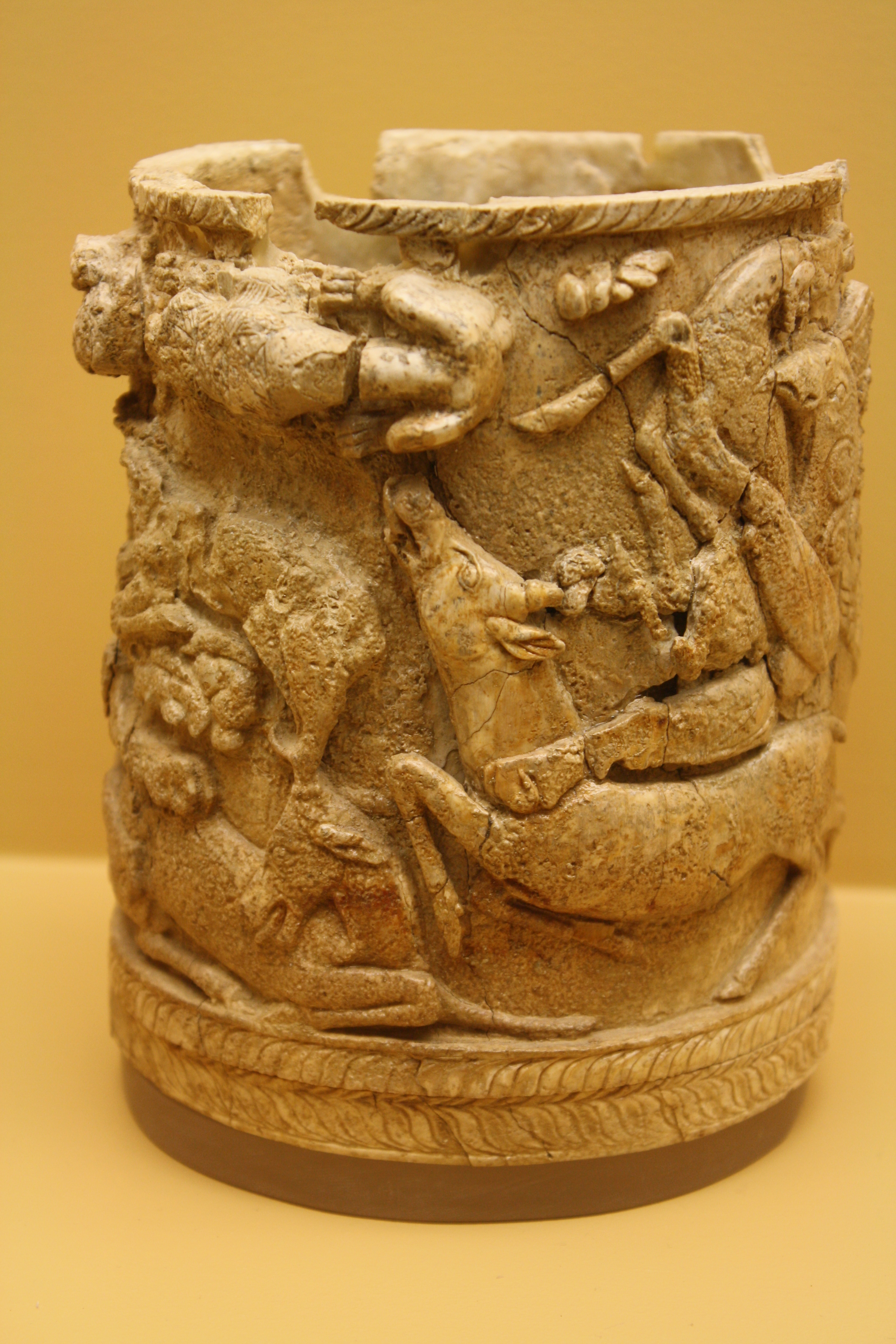
Ivory in the Ancient World
Ivory, with its ease of carving and exotic rarity, has been used to make art objects for millennia. True ivory actually refers to only the dentine of elephant tusks but it may also refer to the tusks and teeth of walrus, hippopotamus, narwhal and sperm whales, amongst others. The ancient world acquired its ivory either…
-
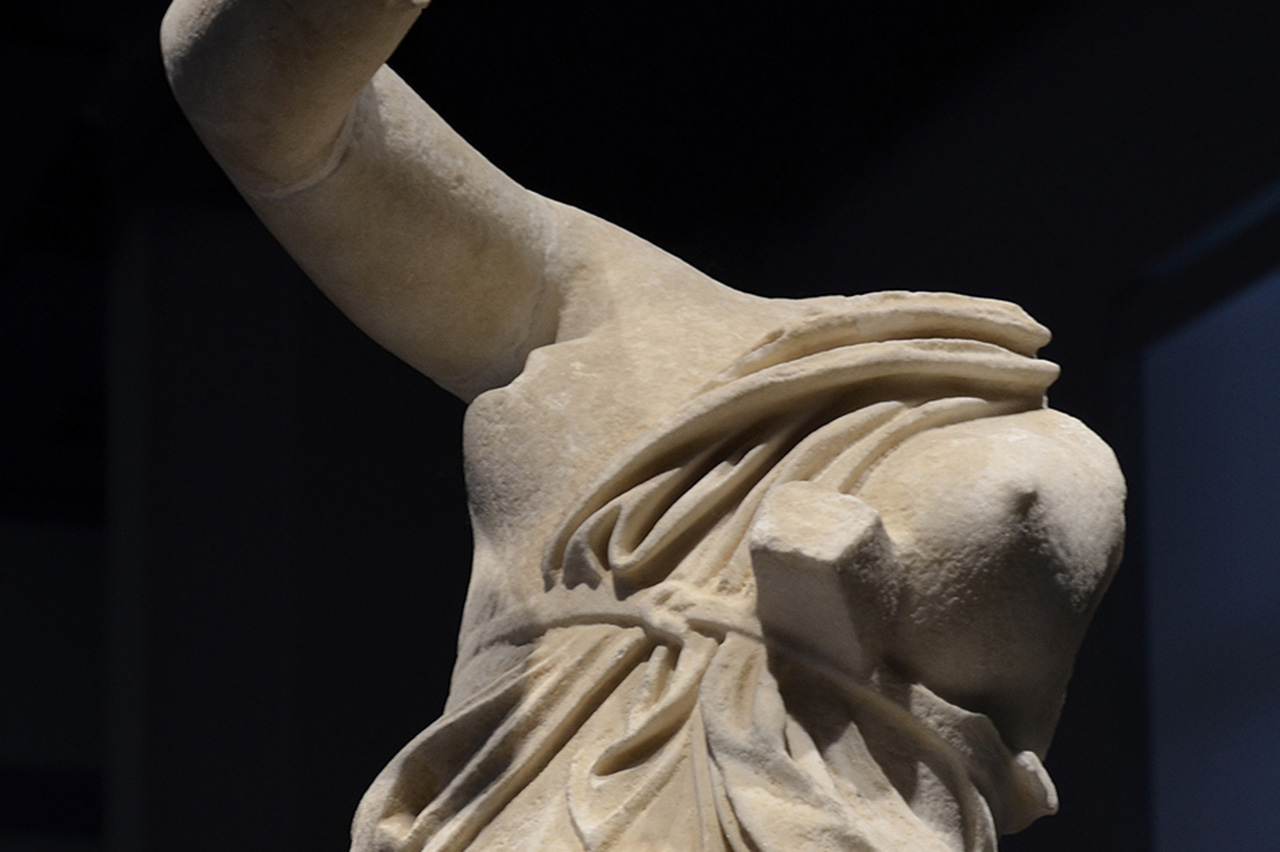
Art and Sculptures from Hadrian’s Villa: Dancing Female Figure of Praxilla
This month’s sculpture from Hadrian’s Villa is a marble statue of a dancing female figure, thought to be a portrait of Praxilla of Sikyon. Praxilla was a female poet writing in the mid-fifth century BC. She came from Sikyon, a city situated on a fertile coastal plain beside the Corinthian Gulf in the northeast Peloponnese…
-
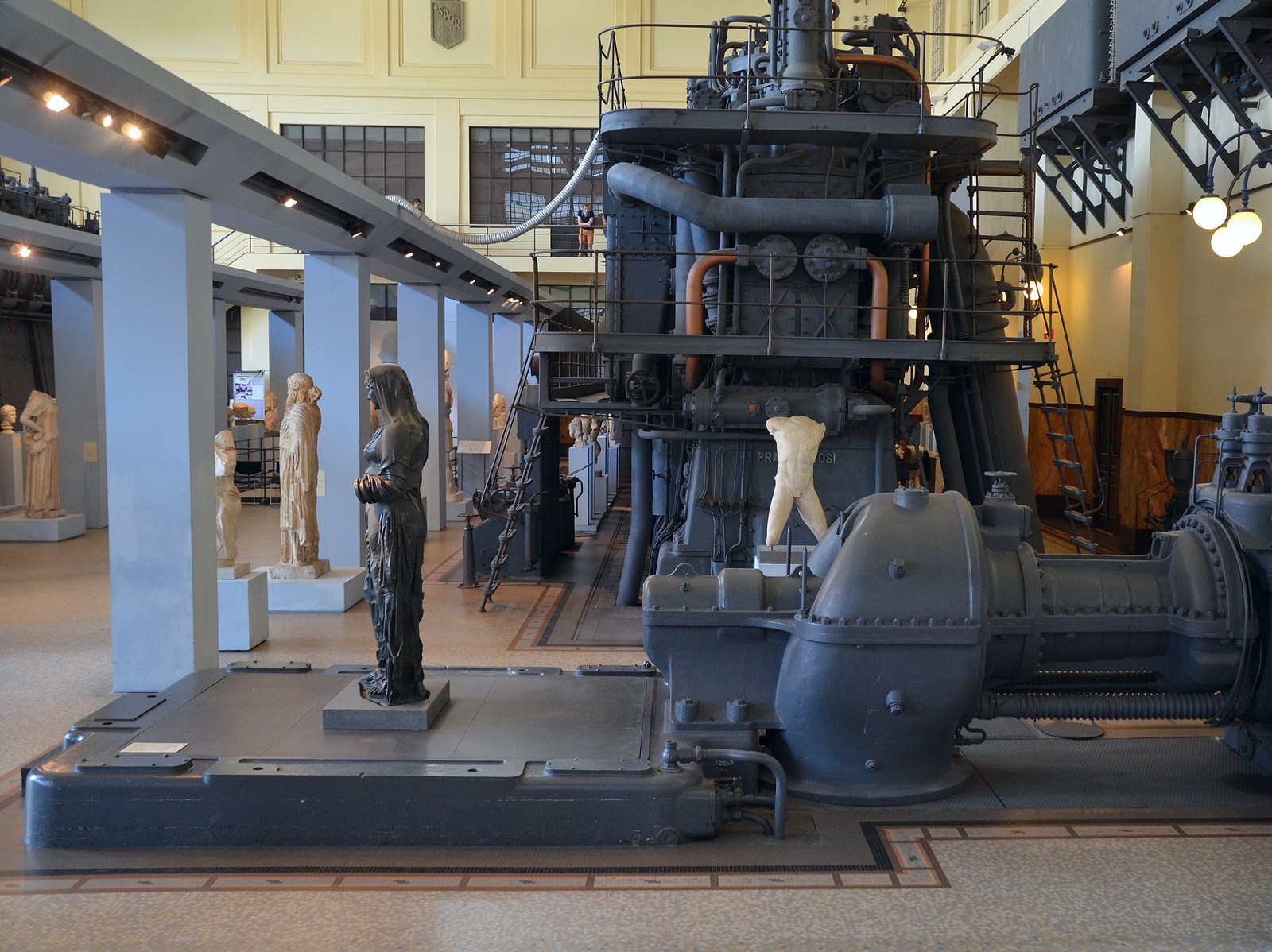
A Visit to Rome’s Centrale Montemartini Museum
During a recent trip to Rome, I paid a long overdue visit to the Centrale Montemartini, an annexe of the Capitoline Museums located on the Via Ostiense just beyond Porta San Paolo. Centrale Montemartini was Rome’s first electrical power station when it opened in 1912, and was later converted into a museum of ancient Roman…
-
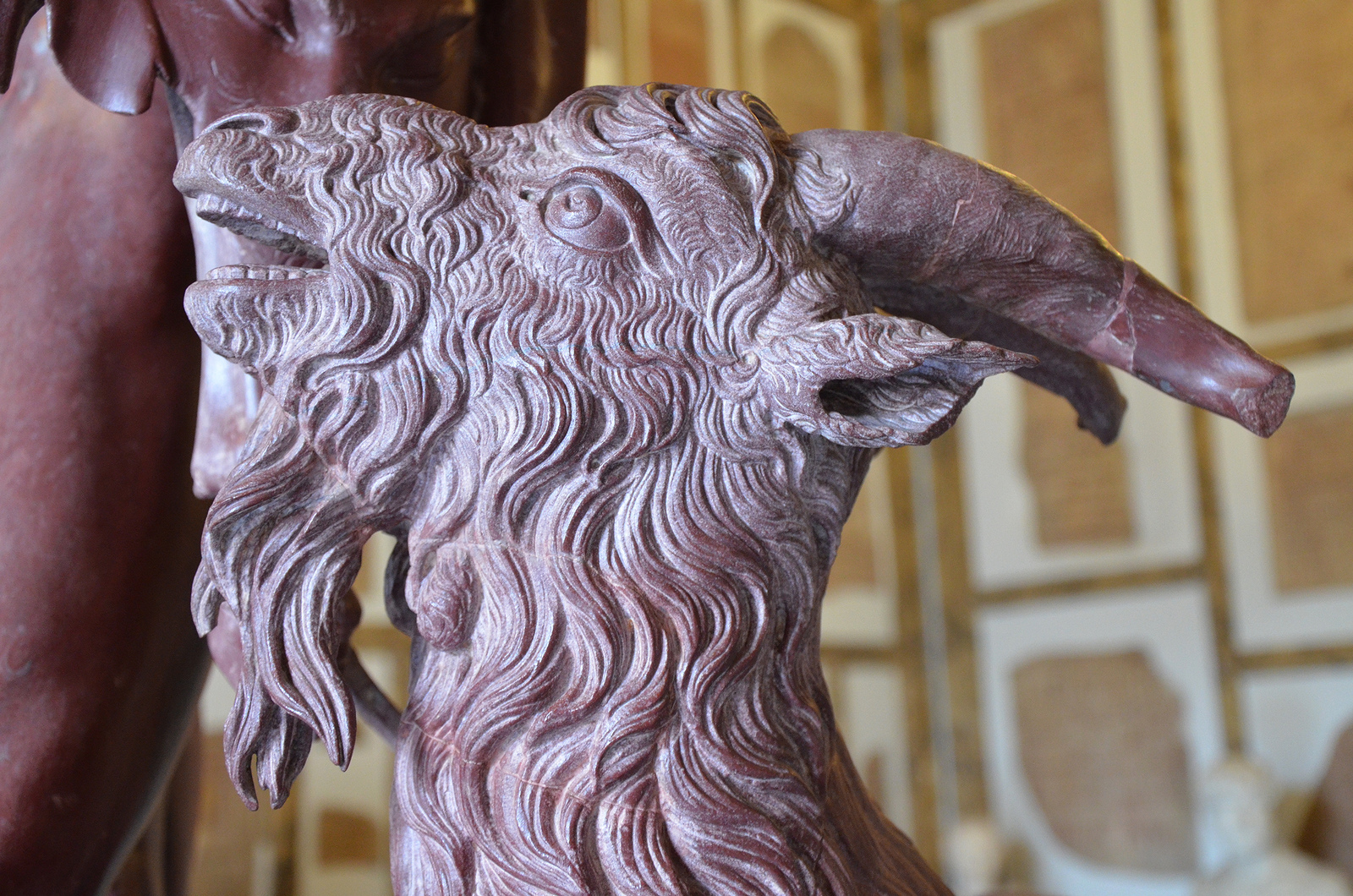
Art and sculptures from Hadrian’s Villa: Statue of a satyr in red marble
This week’s sculpture from Hadrian’s Villa is a red-marble statue of a satyr, the so-called “Fauno rosso” (red faun).
-
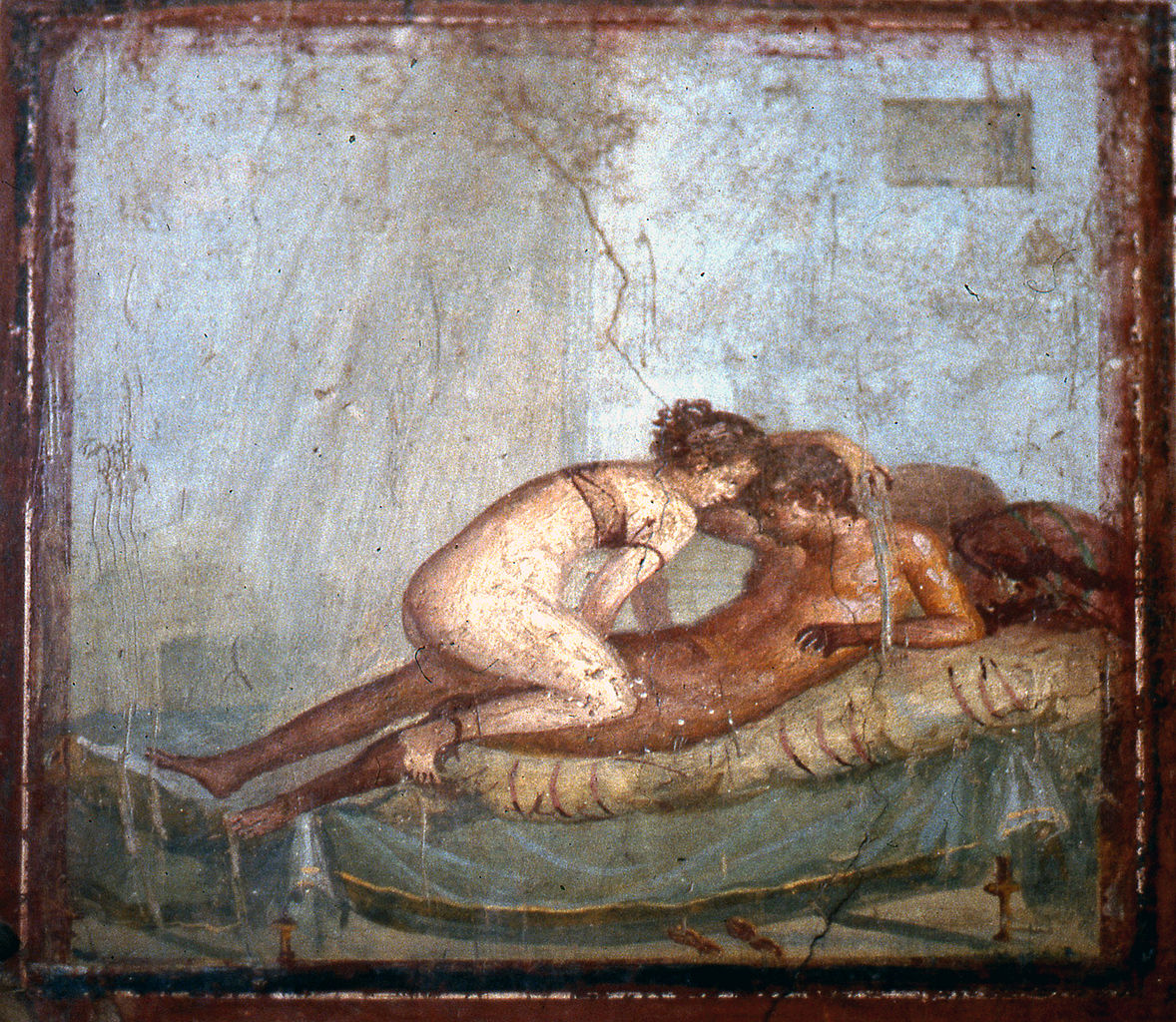
Erotic Images from Ancient Times
Ancient art and archaeological remains have provided archaeologists and historians today with clues to how the ancients practiced their sexuality and their overall attitude toward sex. To the causal observer, it seems the ancients were more open about their sexuality then we are today. In ancient Rome there were artworks in living rooms or studies…