
Tag: Roman_art
-
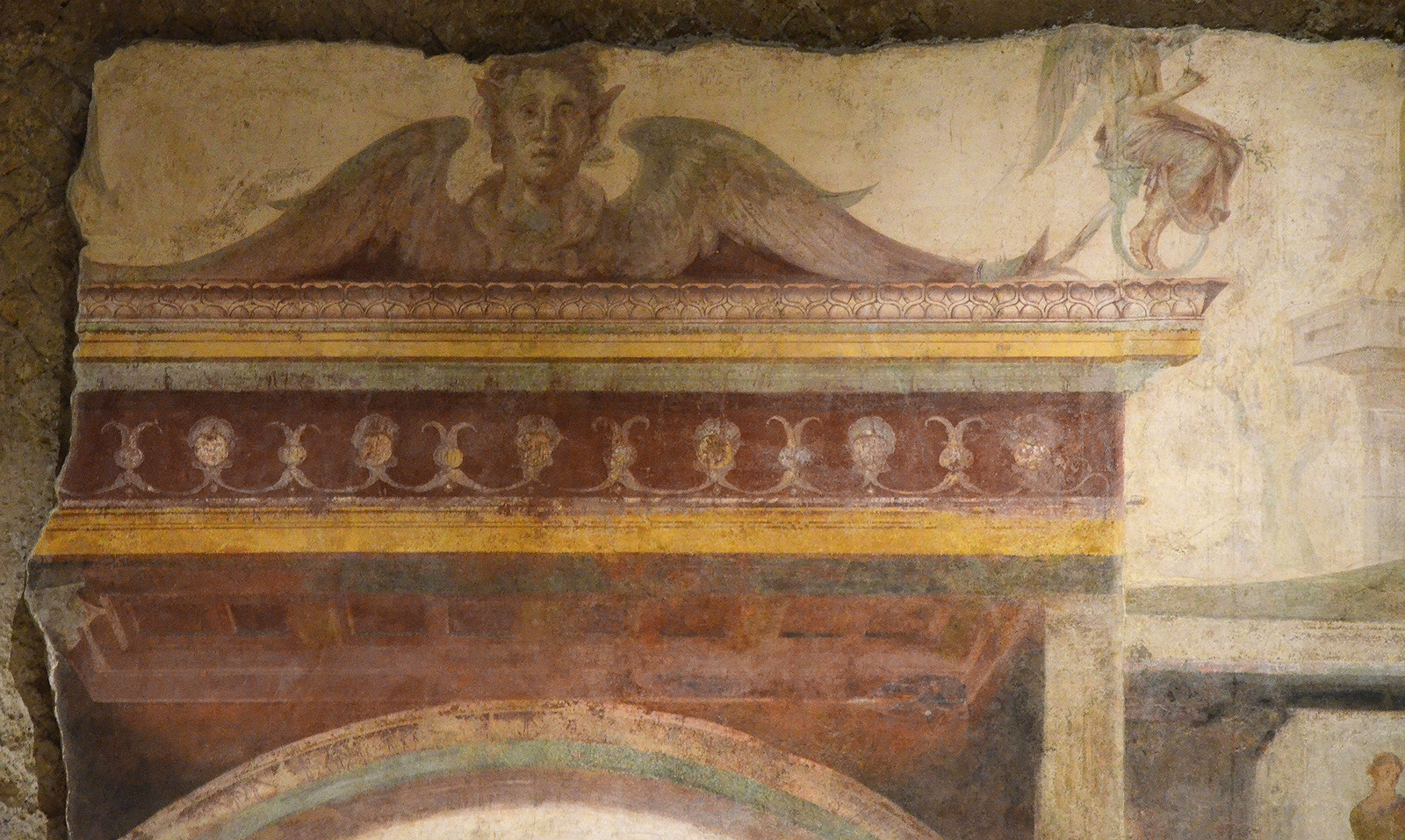
When in Rome: Visiting the House of Livia on the Palatine Hill
I wrote about the series of special events that took place in Rome, in celebration of the 2000th anniversary of Emperor Augustus’ death. My last post focused on the ‘House of Augustus’ (see here) and today I will concentrate on the ‘House of Livia’ in this follow-up piece.
-
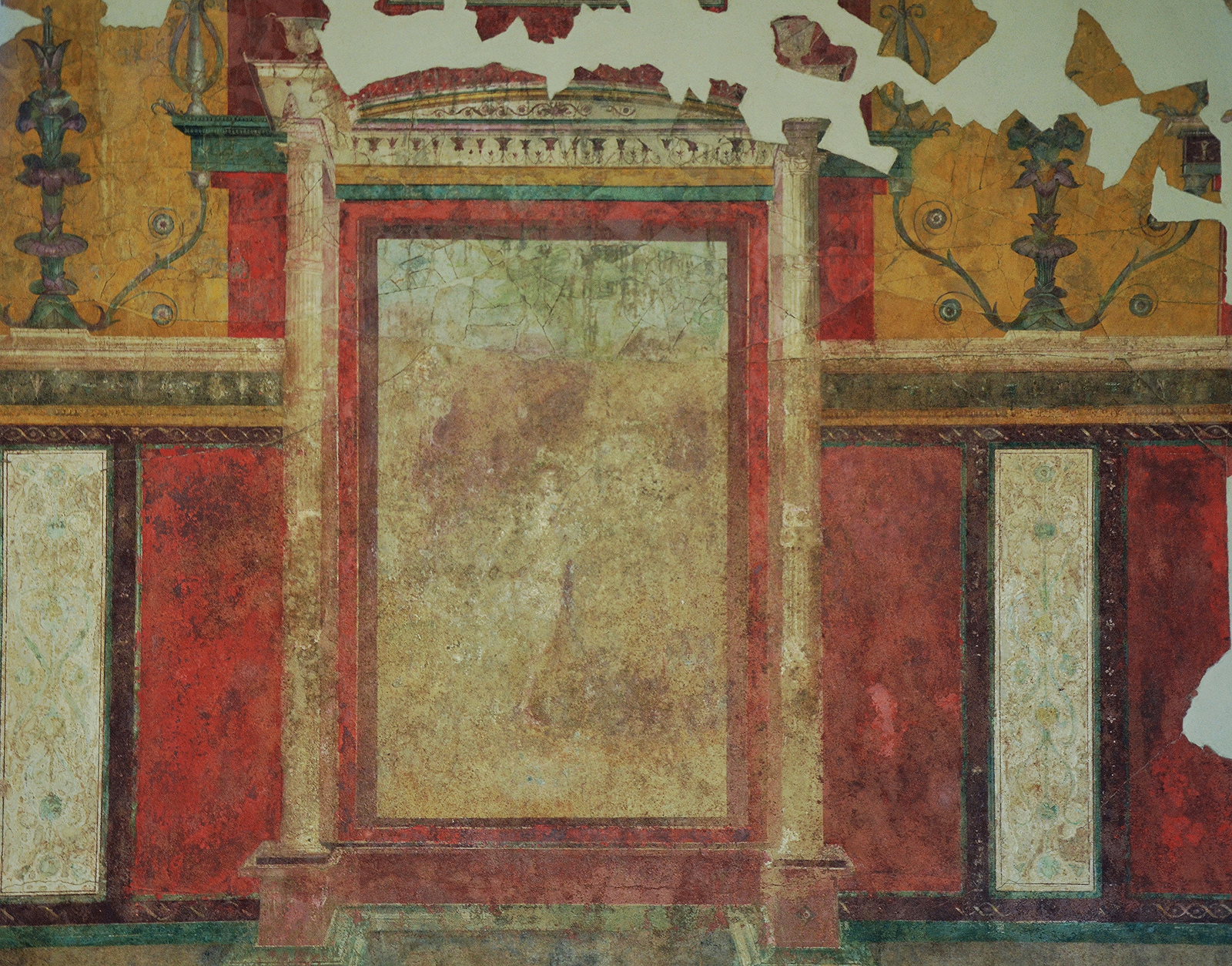
When in Rome… Visiting the House of Augustus on the Palatine Hill
In 2014 Rome celebrated the 2000th anniversary of Emperor Augustus’ death. To commemorate the date, a series of special events and openings were launched in the Italian capital, including the opening of new parts of the ‘House of Augustus’ and ‘House of Livia’ on the Palatine Hill. After years of restoration works, new lavishly frescoed rooms…
-
Art and Sculptures from Hadrian’s Villa: The Lansdowne Antinous
This week’s sculpture from Hadrian’s Villa is a marble head of Antinous depicted as the god Dionysos, the closest Greek equivalent to the Egyptian god Osiris. It was unearthed in 1769 during excavations undertook by the art dealer and archaeologist Gavin Hamilton who secured it for Lord Lansdowne. The latter was an avid collector of…
-
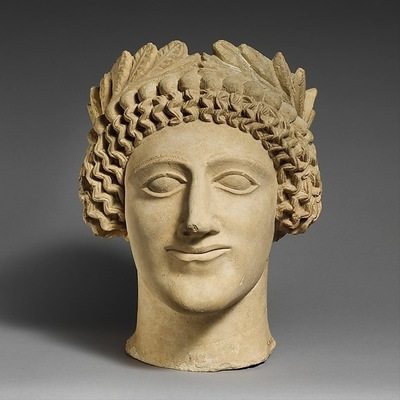
Ancient Hairstyles of the Greco-Roman World
From the dawn of civilization to the present day, human hair has seldom been worn in its natural state. Whether cut, shorn, curled, straightened, braided, beaded, worn in an upsweep or down to the knees, adorned with pins, combs, bows, garlands, extensions, and other accoutrements, hairstyles had the power to reflect societal norms. In antiquity,…
-
The Nerva-Antonines in Florence
The Galleria degli Uffizi in Florence is one of the oldest and most famous art museums in the world. In addition to Renaissance masterpieces including works from Botticelli, Michelangelo and Leonardo da Vinci, the Uffizi houses one of the world’s most important collections of ancient Roman and Greek statues. The Medicis’ interest in ancient art started…
-
Ancient Mediterranean Funerary Art
This post is part of a series of image posts Ancient History et cetera will post each month. Today, it is all about ancient funerary art! All ancient cultures had varying and extensive beliefs about life and death. They also had elaborate burial rituals performed at death. These rituals ensured safe travel to the afterlife, so that the dead are…
-
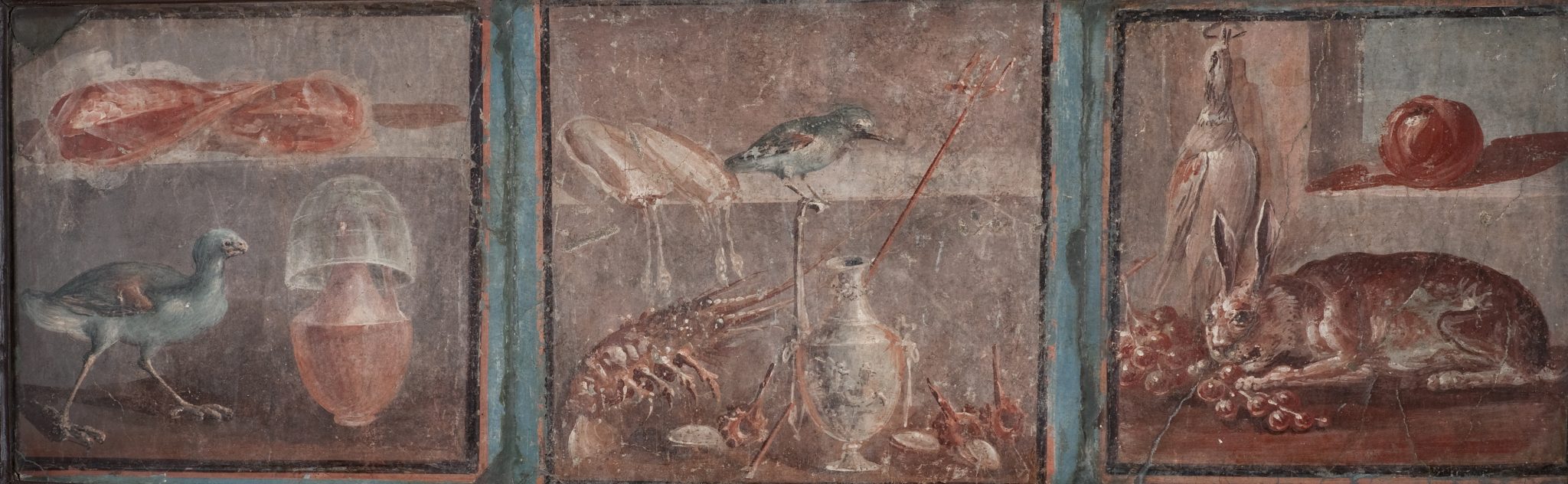
Everyday Life in Pompeii
Two thousand years ago, Mount Vesuvius – a stratovolcano located close to the Gulf of Naples – erupted with tremendous force and little warning. Within only 24 hours, the Roman city of Pompeii was buried under a rain of hot ash and falling debris. Lying undiscovered for over 1,600 years, the city’s rediscovery remains one of the…
-
The Labours of Hercules reliefs from the Villa Chiragan, Musee Saint-Raymond Toulouse (France)
In honour of Twitter’s international Museum Week (#MuseumWeek), I invite you today to discover some of my favourite sculptures from the collections of the Musée Saint-Raymond in Toulouse (France). The museum is among the best and richest archaeological museums in France and visitors can discover the Roman town of Tolosa (Toulouse in Roman times), the…
-
The Berthouville Treasure at the Getty Villa
Accidentally discovered by a French farmer in 1830 CE, the spectacular hoard of gilt-silver statuettes and vessels known as the Berthouville Treasure was originally dedicated to the Roman god Mercury. Following four years of meticulous conservation and research at the Getty Villa in Los Angeles, CA, Ancient Luxury and the Roman Silver Treasure from Berthouville…
-
8 More Amazing Ancient Roman Mosaics
This post is the start of a series of image posts Ancient History et cetera will be putting together each month and today’s post is all about amazing ancient Roman mosaics! The Romans, well the wealthier ones, were well known for enjoying mosaic decorations in their homes and public buildings. As Roman culture spread far…