
Category: Photos
-
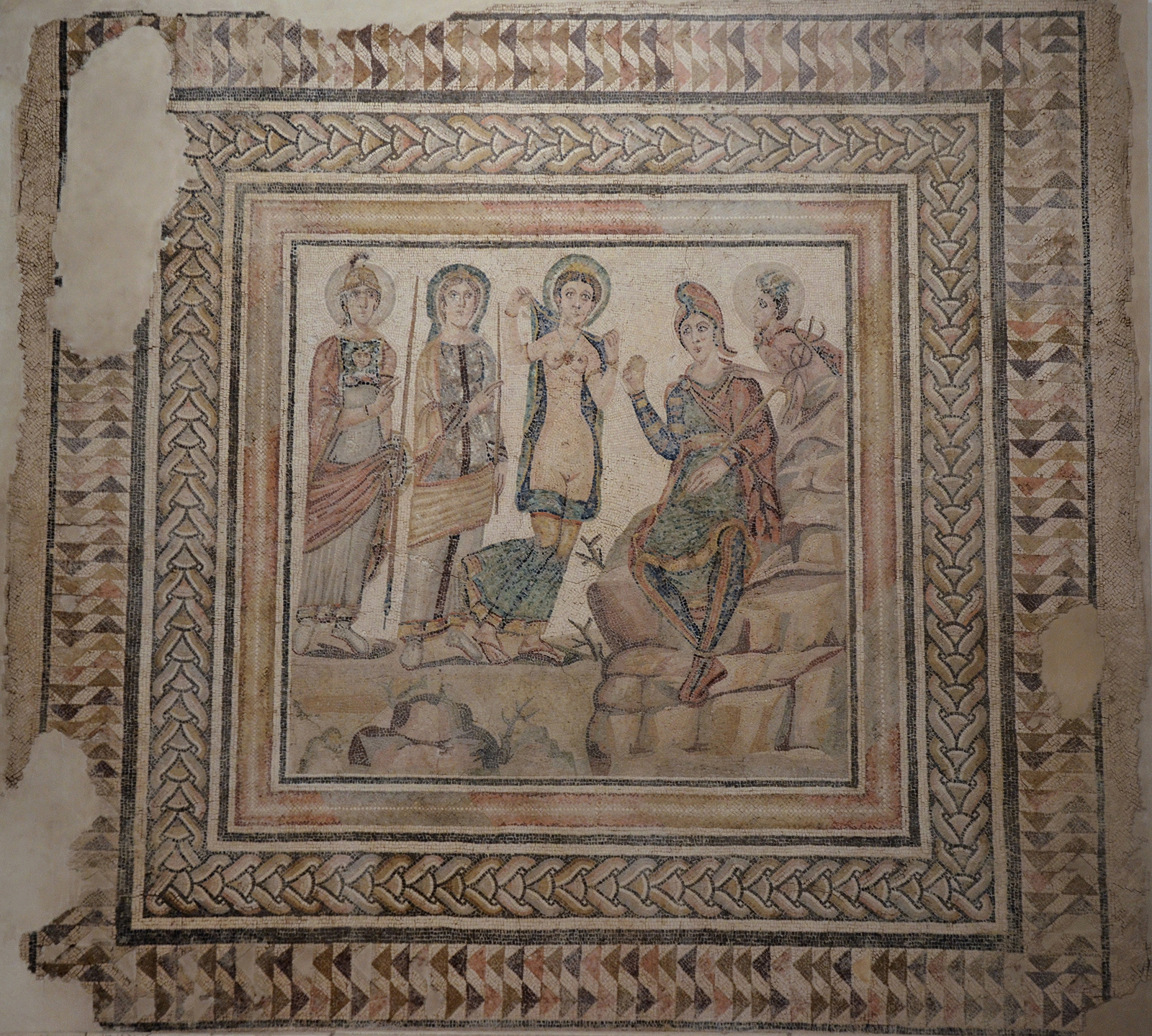
Mosaics of Spain’s Roman Baetica Route: Carmona and Éjica
On a recent trip to southern Spain, I travelled along the Roman Baetica Route and visited many of the archaeological sites and museums that Andalusia has to offer. Among the plethora of ancient treasures to be found in the region, I was particularly impressed by the incredible mosaics I came across. This installment of the series will…
-
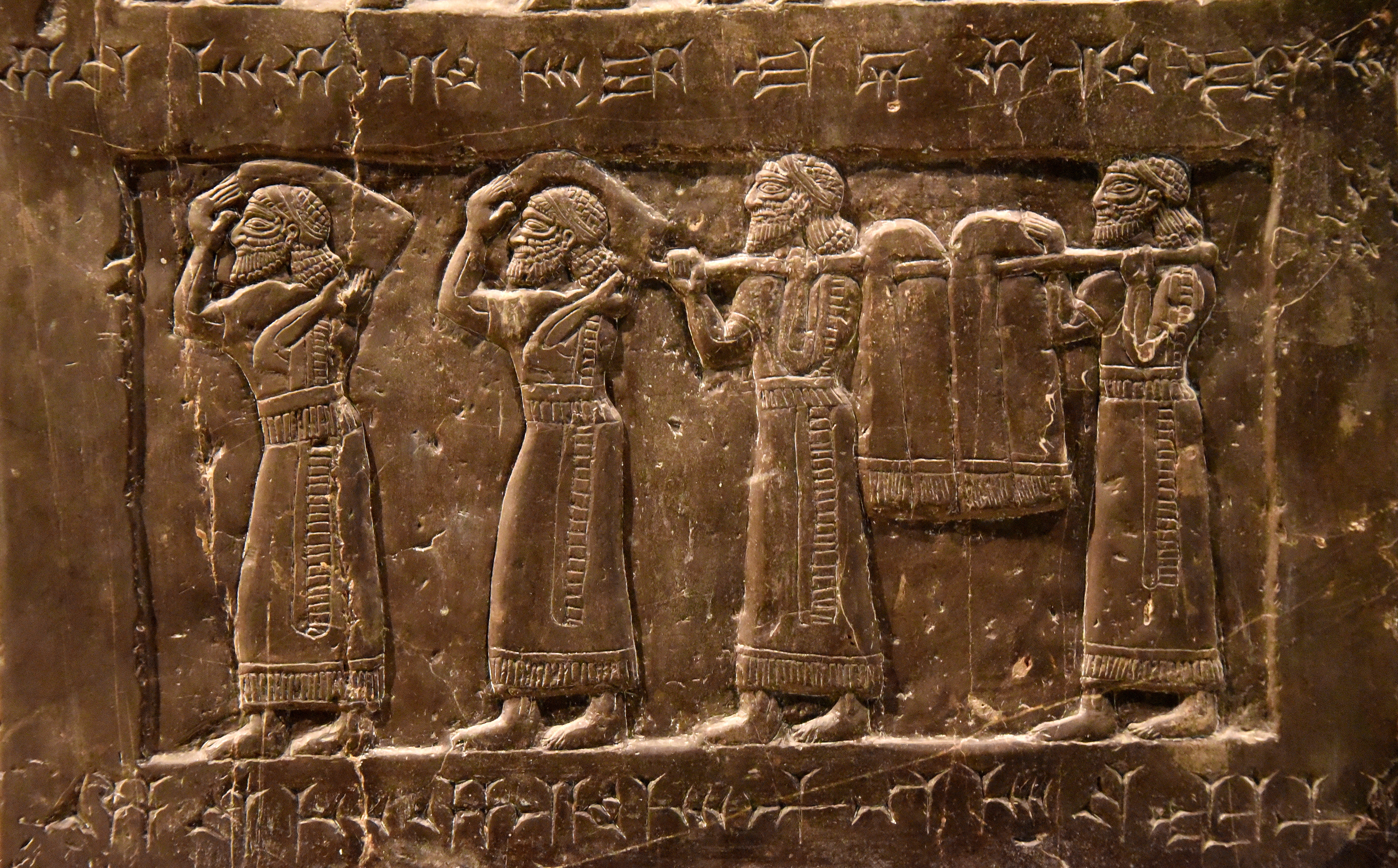
The Black Obelisk of Shalmaneser III at the British Museum
I was attending an event at the Royal College of Physicians of London in early March 2016, and I had a plenty of time to spare. One of my targets was, of course, the British Museum. Two years ago, Jan van der Crabben (founder and CEO of the Ancient History Encyclopedia) asked me to draft…
-
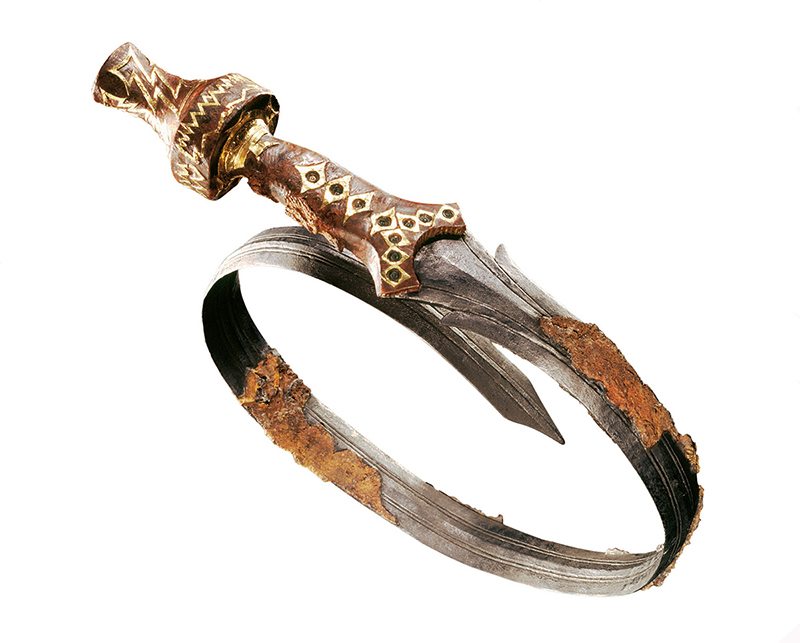
Rijksmuseum van Oudheden
Leiden, Netherlands is not exactly the first place that comes into mind when you think about ancient history. Even if you are in the city, you would most likely walk past the Rijksmuseum van Oudheden (National Museum of Antiquities) without noticing it. Hidden in an unremarkable building in the historic city center, it’s nothing like…
-
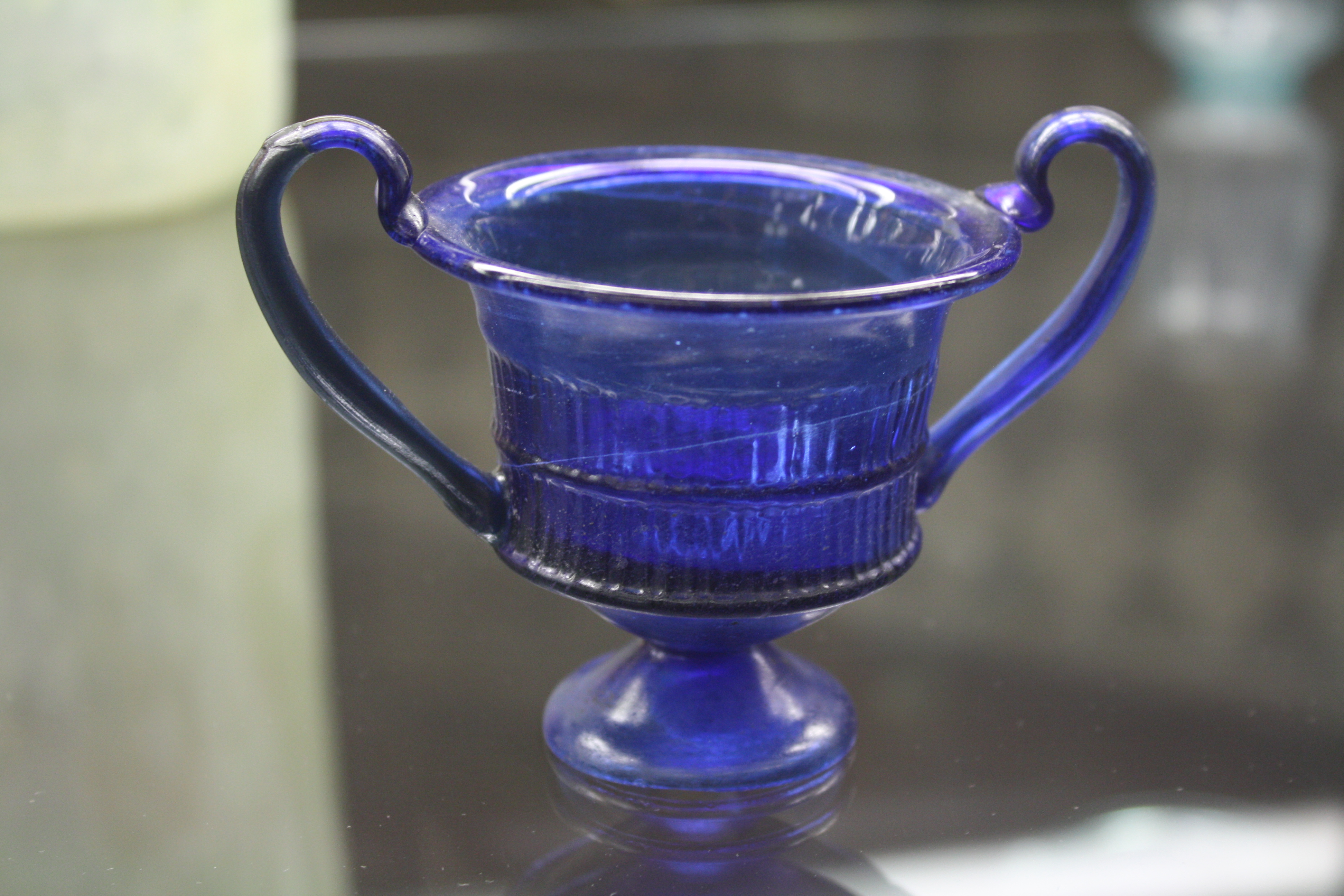
Roman Glass from the Archaeological Museum of Pavia
Roman glassware includes some of the finest pieces of art ever produced in antiquity and the very best were valued higher than wares made with precious metals. However, plain glass vessels such as cups, bowls, plates, and bottles were also used as everyday containers, in particular, for storing and serving food, drinks, and perfumes. The…
-
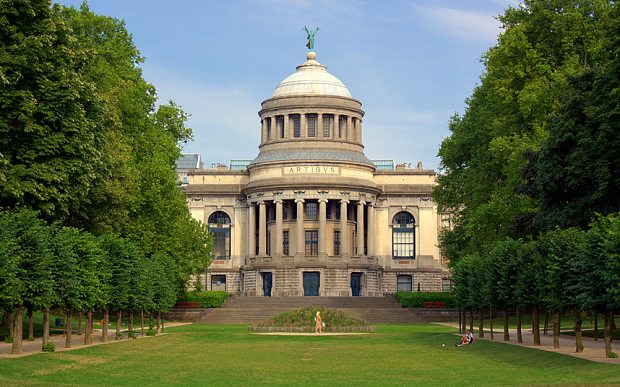
The Cinquantenaire Museum: A Hidden Gem in Brussels
There’s a hidden gem in Brussels, located just outside the heart of the old city, which far too many visitors miss: The Cinquantenaire Museum. Elegantly positioned inside Brussels’ Parc du Cinquantenaire, the Cinquantenaire Museum is teeming with priceless ancient, medieval, and modern treasures from around the world. This January, I was lucky enough to visit…
-
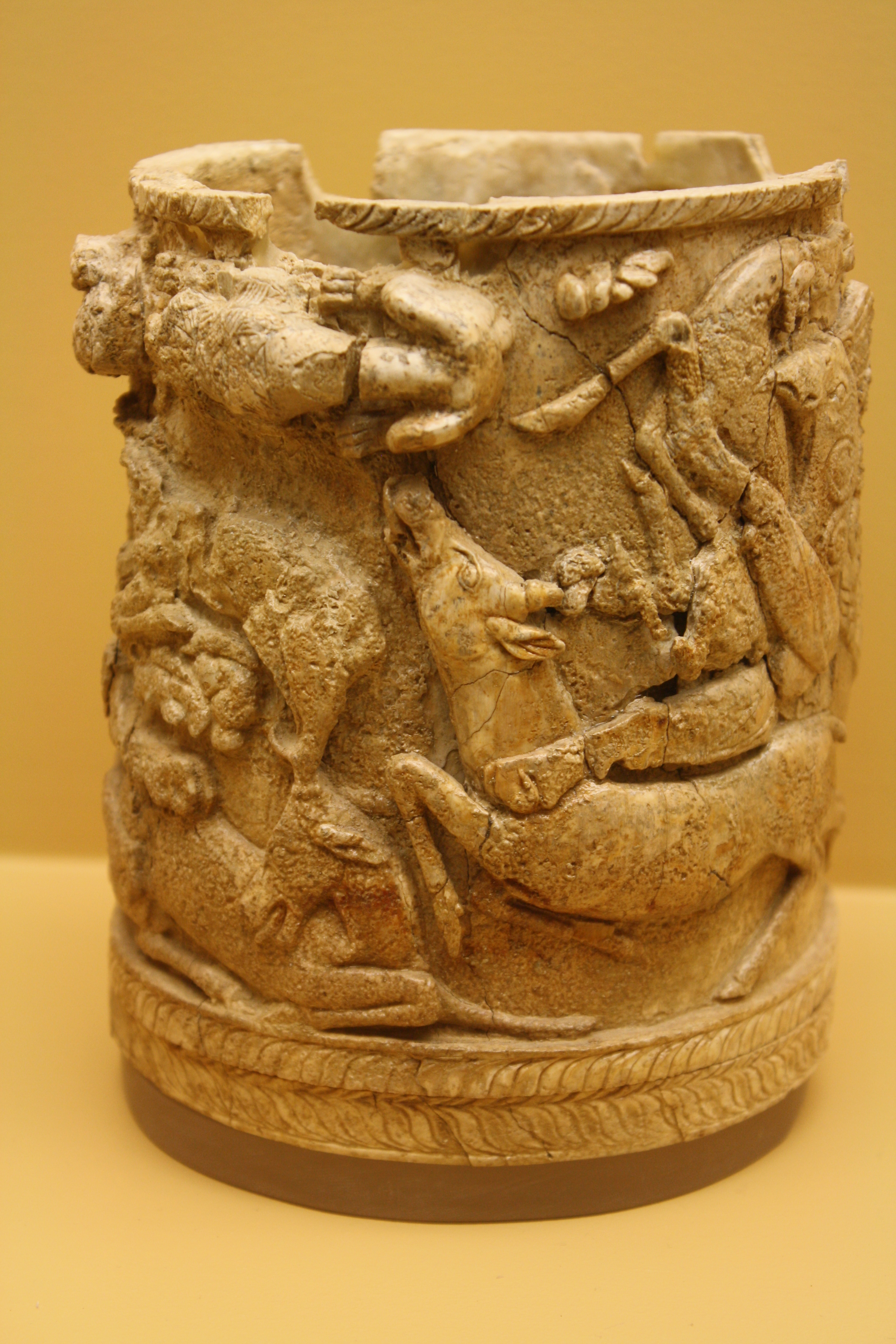
Ivory in the Ancient World
Ivory, with its ease of carving and exotic rarity, has been used to make art objects for millennia. True ivory actually refers to only the dentine of elephant tusks but it may also refer to the tusks and teeth of walrus, hippopotamus, narwhal and sperm whales, amongst others. The ancient world acquired its ivory either…
-
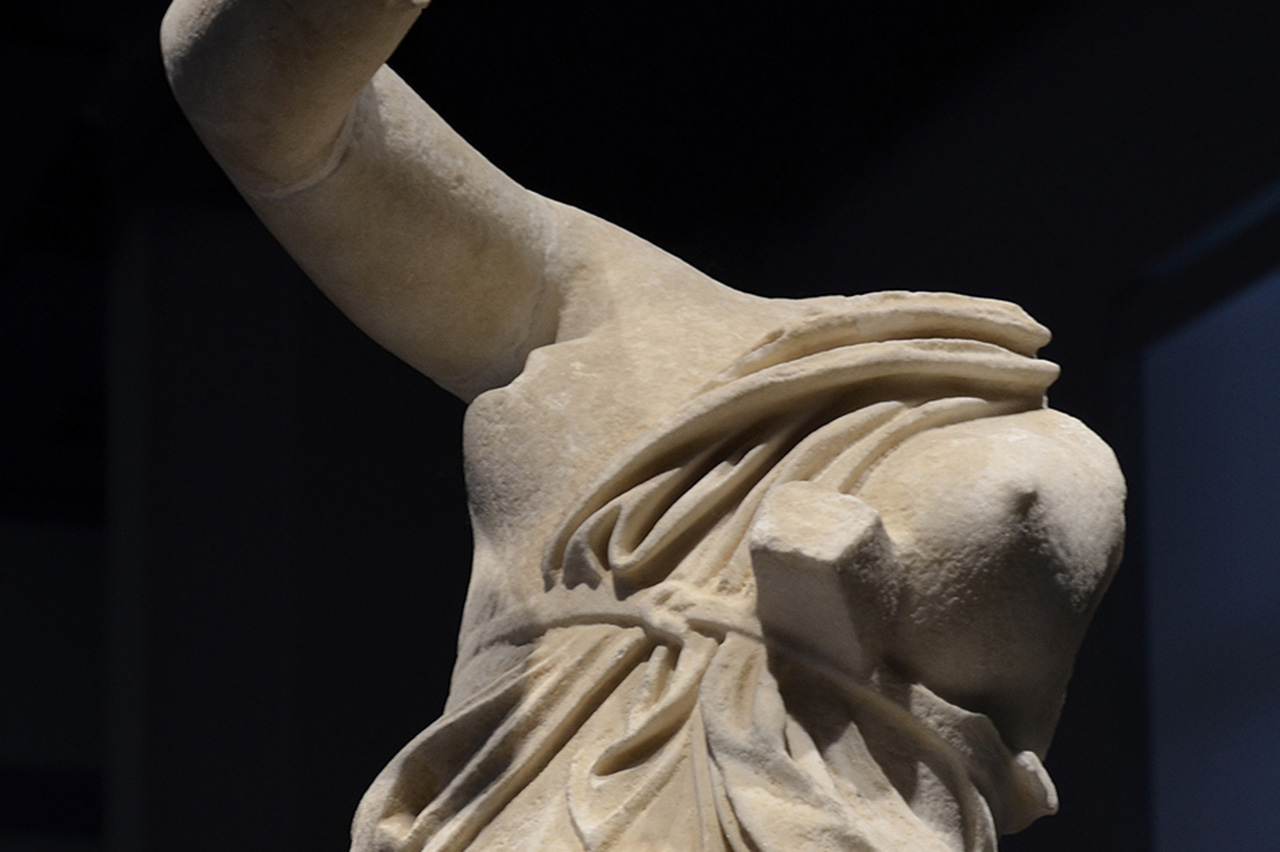
Art and Sculptures from Hadrian’s Villa: Dancing Female Figure of Praxilla
This month’s sculpture from Hadrian’s Villa is a marble statue of a dancing female figure, thought to be a portrait of Praxilla of Sikyon. Praxilla was a female poet writing in the mid-fifth century BC. She came from Sikyon, a city situated on a fertile coastal plain beside the Corinthian Gulf in the northeast Peloponnese…
-
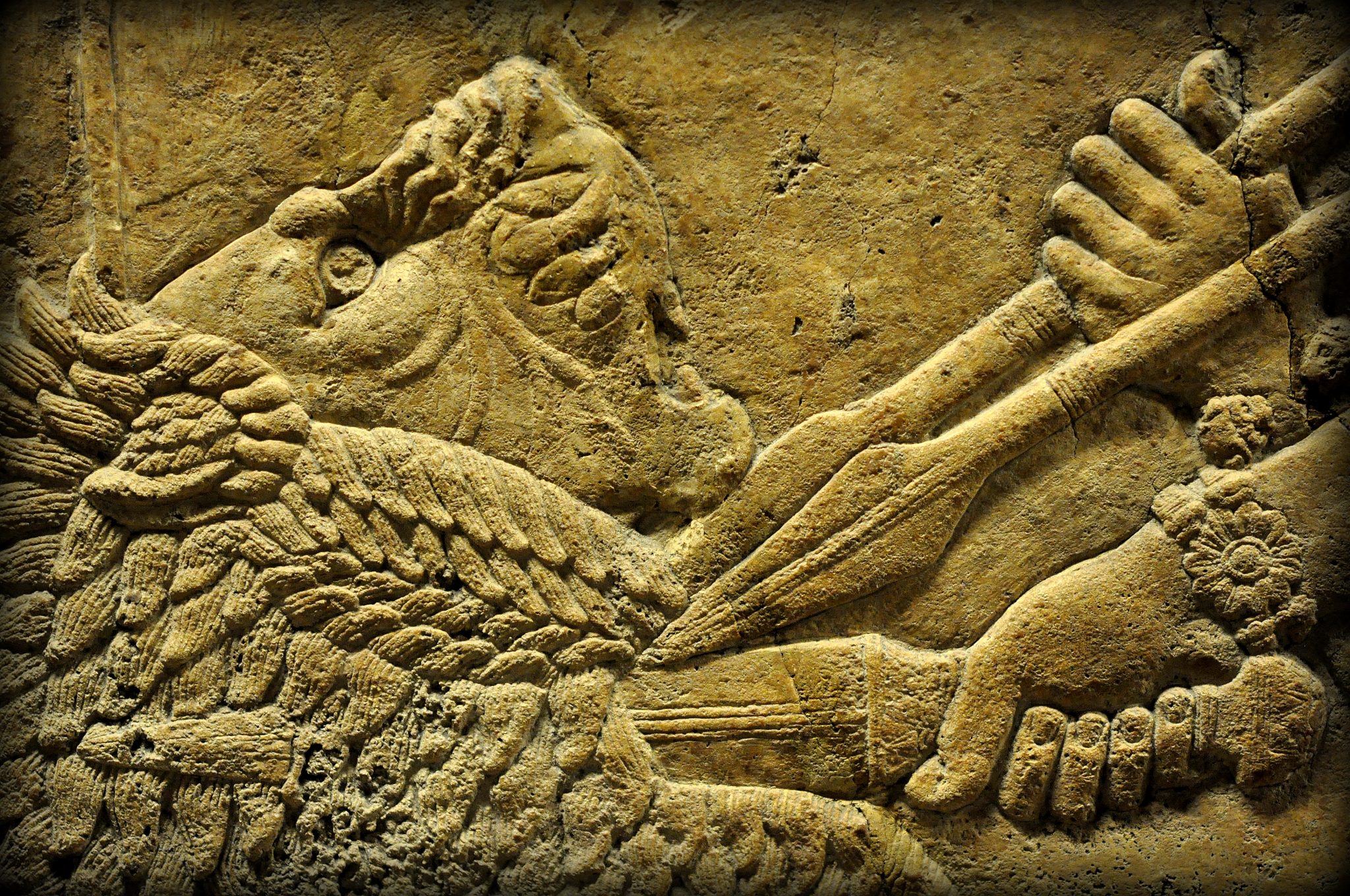
Assyrian Lion-Hunting at the British Museum
Whoever was privileged to gain access to the North Palace of the Assyrian king Ashurbanipal at Nineveh, could consider himself part of something timeless. Thanks to the great work of Hormuzd Rassam (1826-1910), who unveiled a large number of alabaster bas-reliefs, which once decorated the walls of that king’s Palace (built around 645 BCE); the…
-
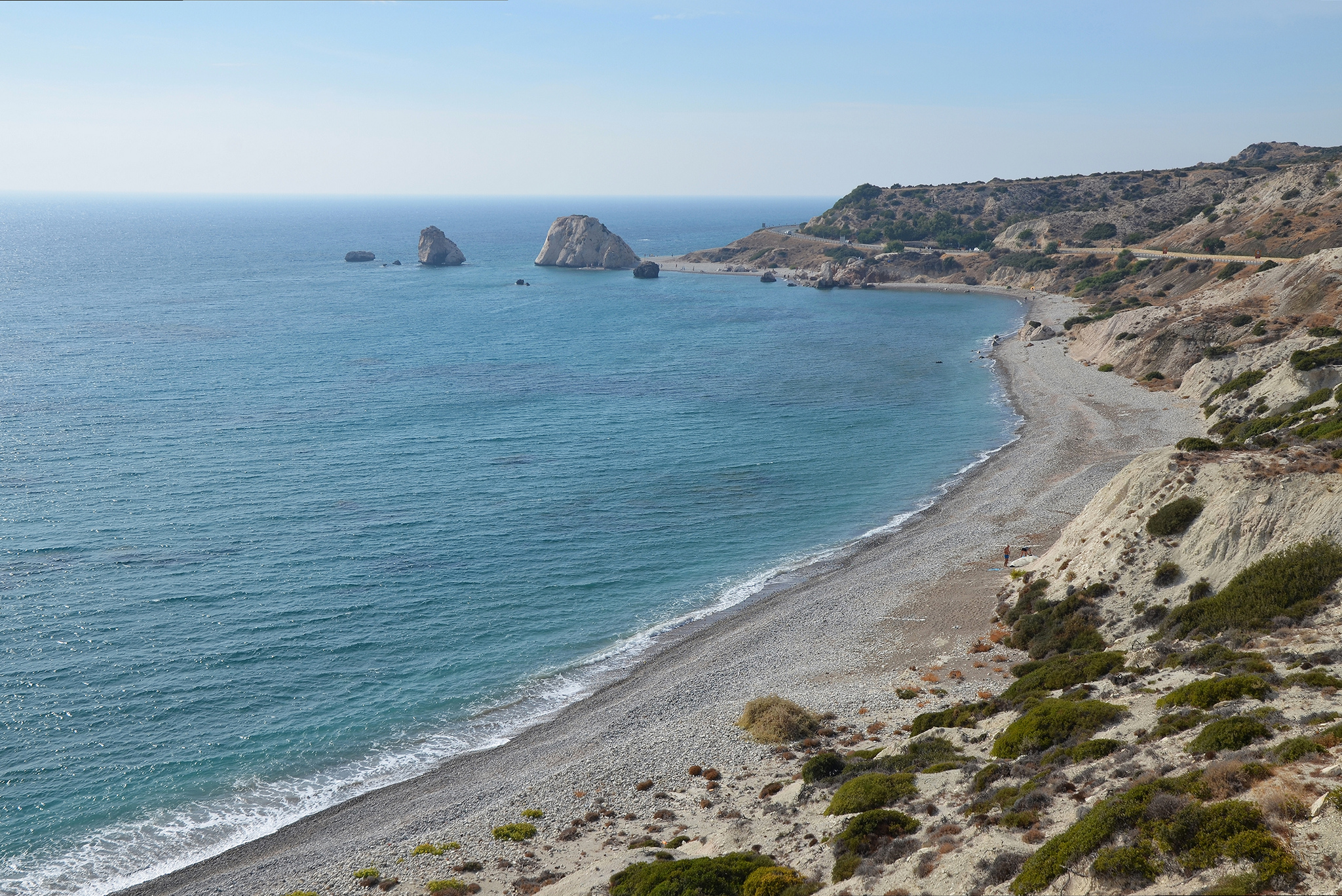
Our Ancient Cyprus Travel Guide
Lying at the crossroads of the eastern Mediterranean, the island of Cyprus has long been a meeting point for many of the world’s great civilizations. Situated where Europe, Asia and Africa meet, its location shaped its history of bringing civilizations together. Many powers conquered the island, and Cyprus was ruled in turn by the Hittites,…
-
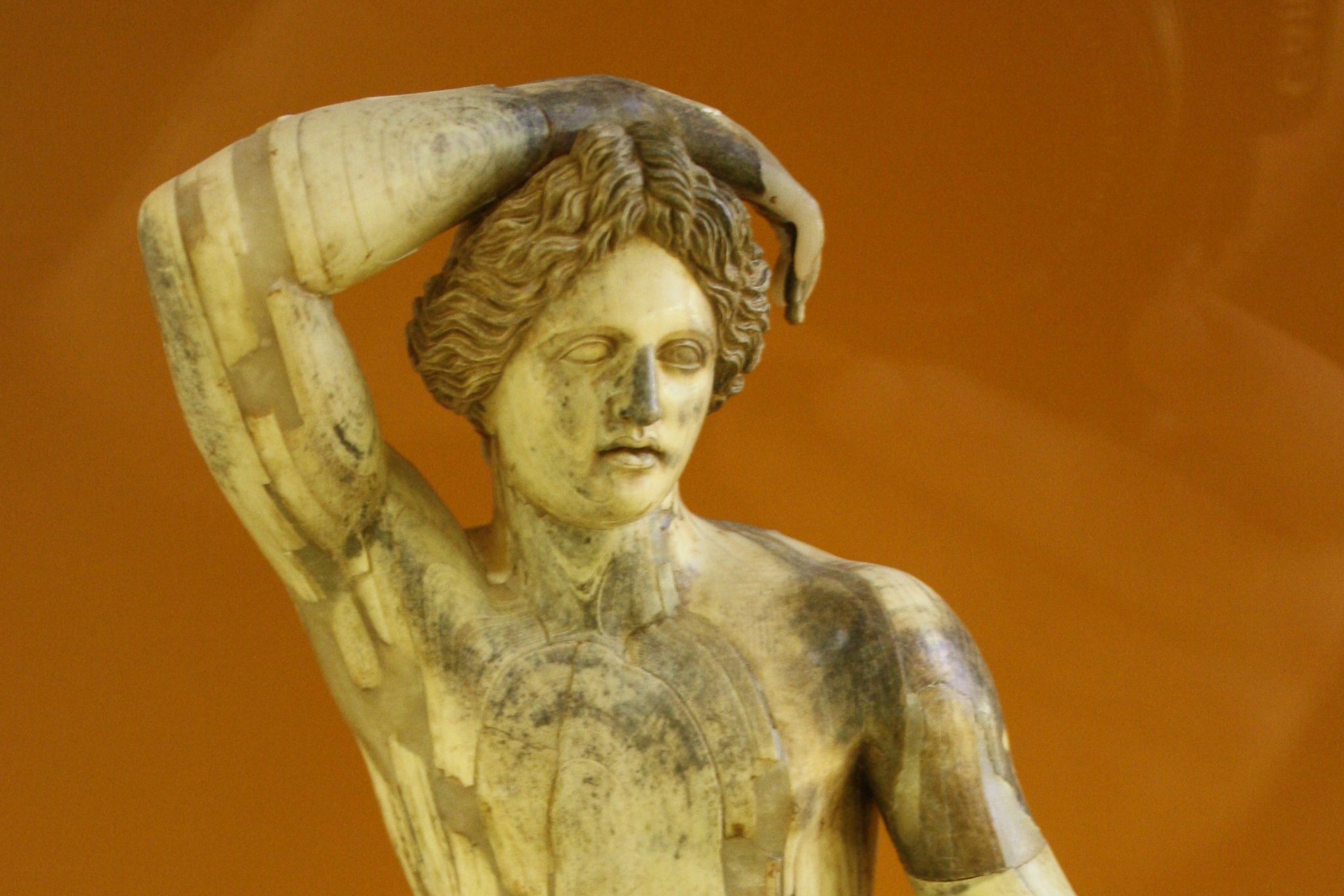
The Changing Faces of Apollo
Apollo was considered an epitome of youth and beauty, source of life and healing, patron of the civilized arts, and as bright and powerful as the sun itself. He was, arguably, the most loved of all the Greek gods. Although he was associated with many positive aspects of the human condition such as music, poetry,…