
Category: Photos
-
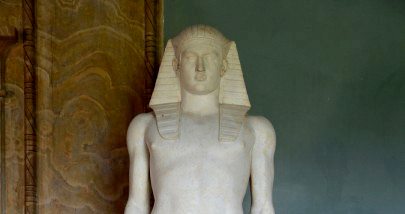
The Obelisk of Antinous
While Hadrian was visiting the province of Egypt in late 130 AD, his favorite Antinous drowned mysteriously in the Nile River. This tragic event led to the creation of a new divinity: Osirantinous, or Antinous as a manifestation of Osiris, the god who died and was reborn. One of our best primary sources for information…
-
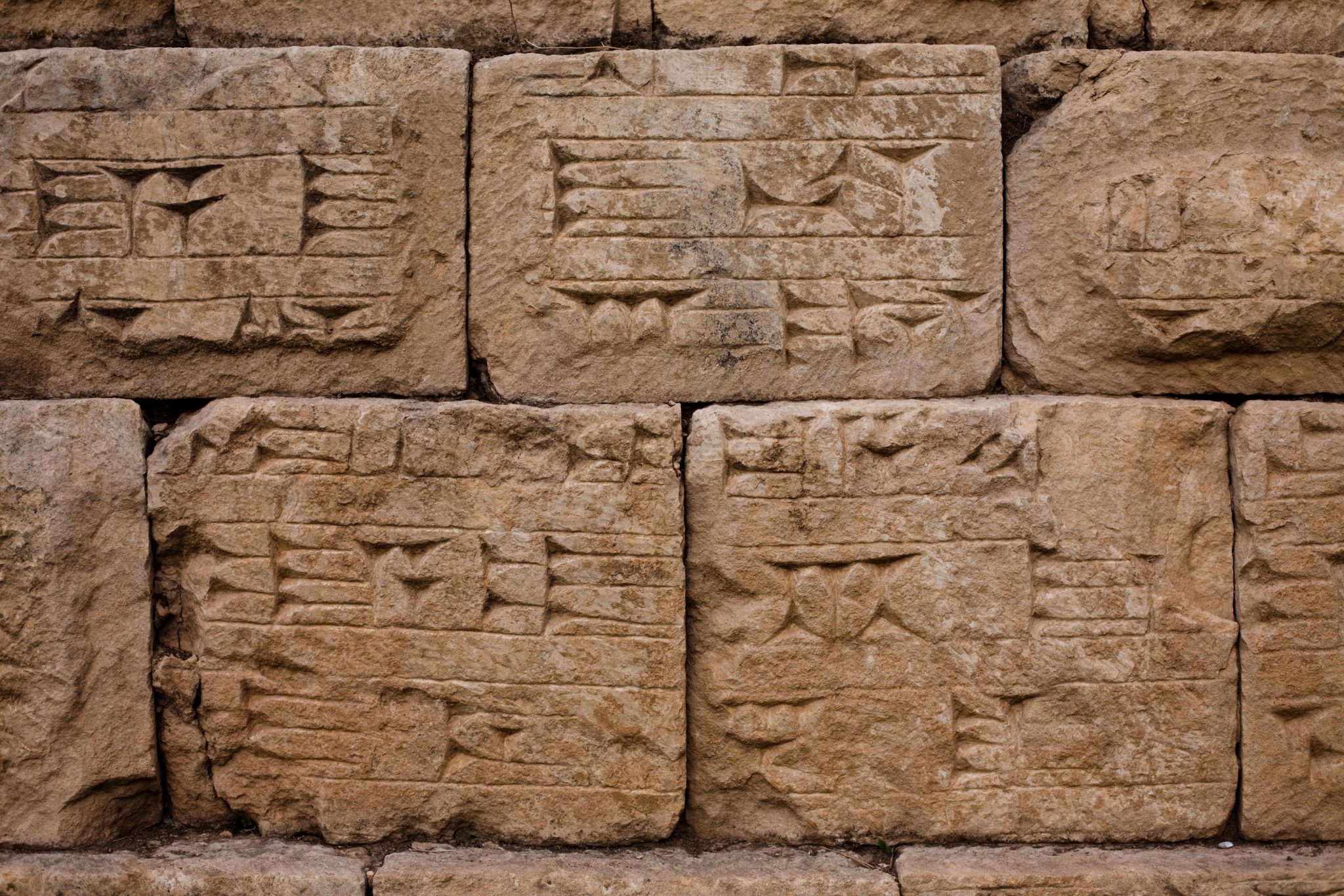
Cuneiform and the Amarna Letters
Cuneiform is considered the single most significant legacy of the ancient Sumerians of Mesopotamia. It was developed c. 3500-3000 BCE, is considered the first written language created, and was used for well over 1000 years. The oldest-dated cuneiform tablets mostly contain records of business transactions. However, over the centuries, cuneiform tables covered various different topics such…
-
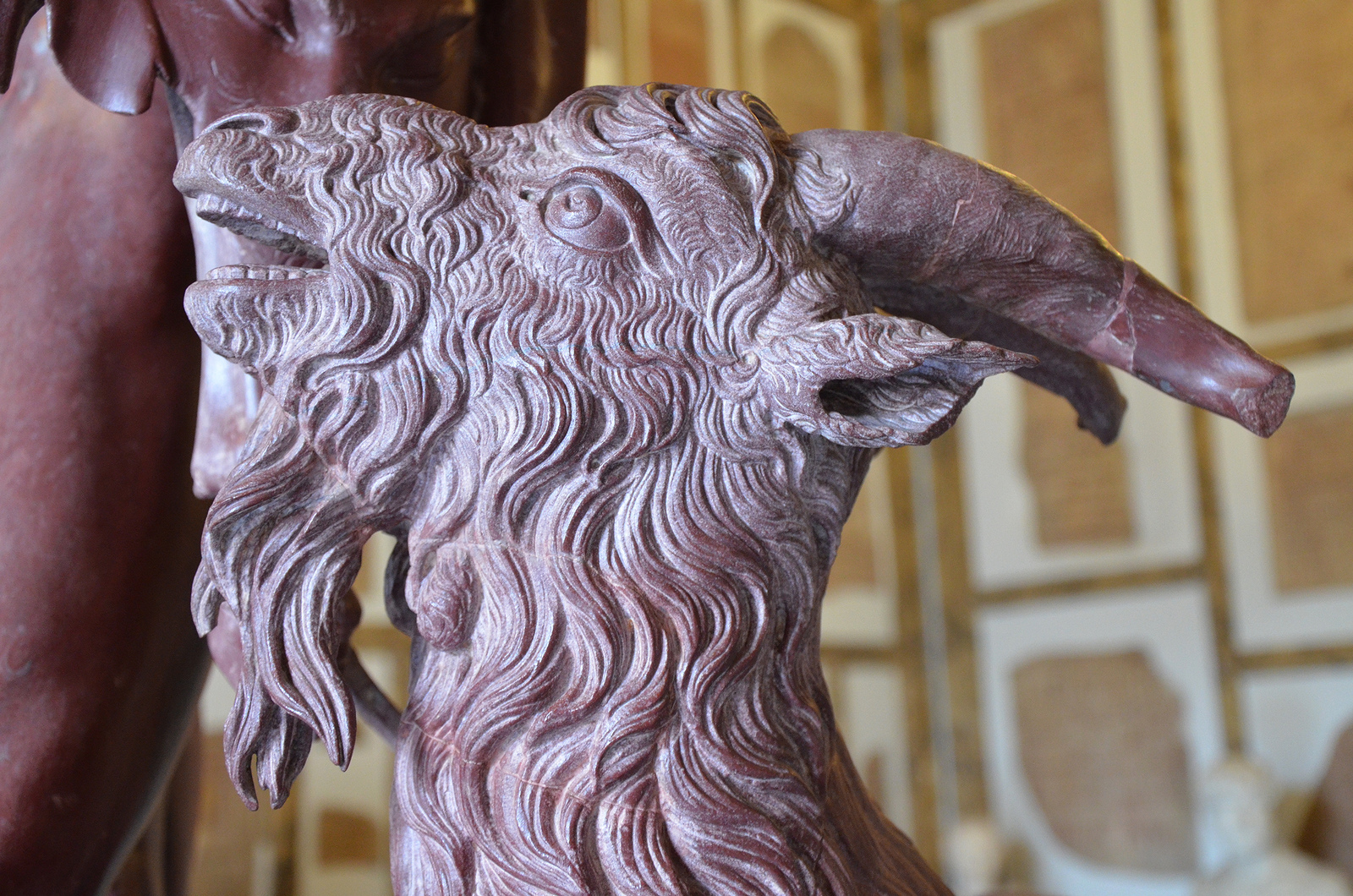
Art and sculptures from Hadrian’s Villa: Statue of a satyr in red marble
This week’s sculpture from Hadrian’s Villa is a red-marble statue of a satyr, the so-called “Fauno rosso” (red faun).
-
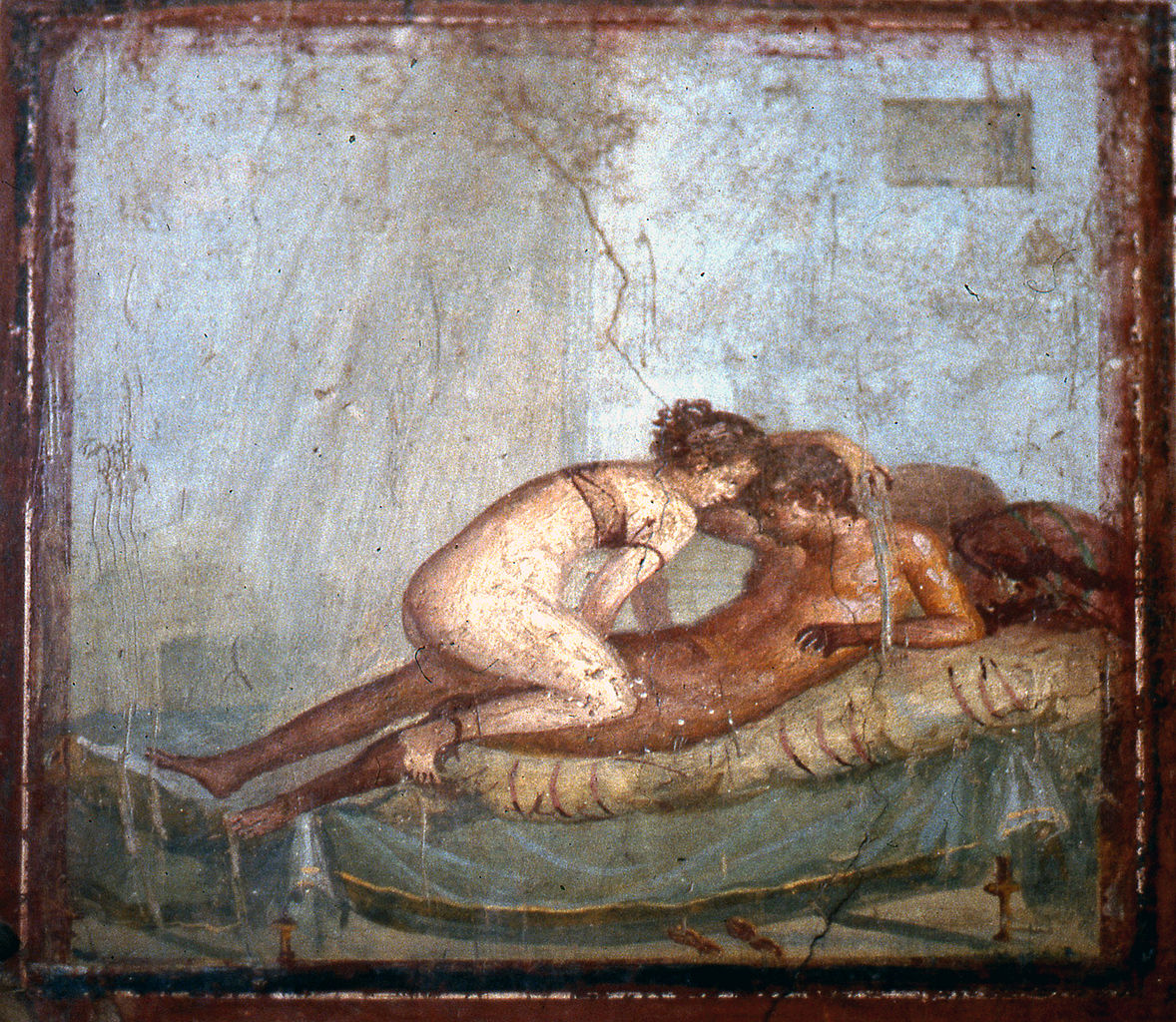
Erotic Images from Ancient Times
Ancient art and archaeological remains have provided archaeologists and historians today with clues to how the ancients practiced their sexuality and their overall attitude toward sex. To the causal observer, it seems the ancients were more open about their sexuality then we are today. In ancient Rome there were artworks in living rooms or studies…
-
Ancient Greek Temples of the Mediterranean
Here is another image post for you all to enjoy, today’s topic is the Greek temples! Greek temples (naos – meaning dwelling place in reference to the belief that the god dwelt in that place, or at least temporarily visited during rituals) were places of formal worship. Each Greek community had its own sacred sites…
-
My Top 10 Favourite Posts from AHetc Contributors
Hi everyone, I am Jade Koekoe, blog editor of AHetc. As an end of year treat I thought I would share with everyone my 10 favourite blog posts of 2015. 10 Hidden Ancient Treasures in Caria I love learning from people who have visited a place before me, this is why Carole Raddato‘s 10 Hidden Ancient Treasure in…
-
Art and Sculptures from Hadrian’s Villa: The Lansdowne Antinous
This week’s sculpture from Hadrian’s Villa is a marble head of Antinous depicted as the god Dionysos, the closest Greek equivalent to the Egyptian god Osiris. It was unearthed in 1769 during excavations undertook by the art dealer and archaeologist Gavin Hamilton who secured it for Lord Lansdowne. The latter was an avid collector of…
-
Art of Pompeii
Here is another image post for you all to enjoy, today’s topic is the Art of Pompeii! Most people have heard of the city of Pompeii and the natural disaster that preserved it so well under a deep layer of ash. This city has provided an invaluable insight to the Roman world and many claim…
-
Mesopotamian Reliefs
This post is part of a series of image posts Ancient History et cetera will be putting together each month. Todays post is all about ancient Mesopotamian Relief! Mesopotamia (from the Greek, meaning ‘between two rivers’) was an ancient region in the eastern Mediterranean. Surrounded in the northeast by the Zagros Mountains and in the…
-
The Nerva-Antonines in Florence
The Galleria degli Uffizi in Florence is one of the oldest and most famous art museums in the world. In addition to Renaissance masterpieces including works from Botticelli, Michelangelo and Leonardo da Vinci, the Uffizi houses one of the world’s most important collections of ancient Roman and Greek statues. The Medicis’ interest in ancient art started…