All posts filed under: Uncategorized

Gods, Superstition, and Magic

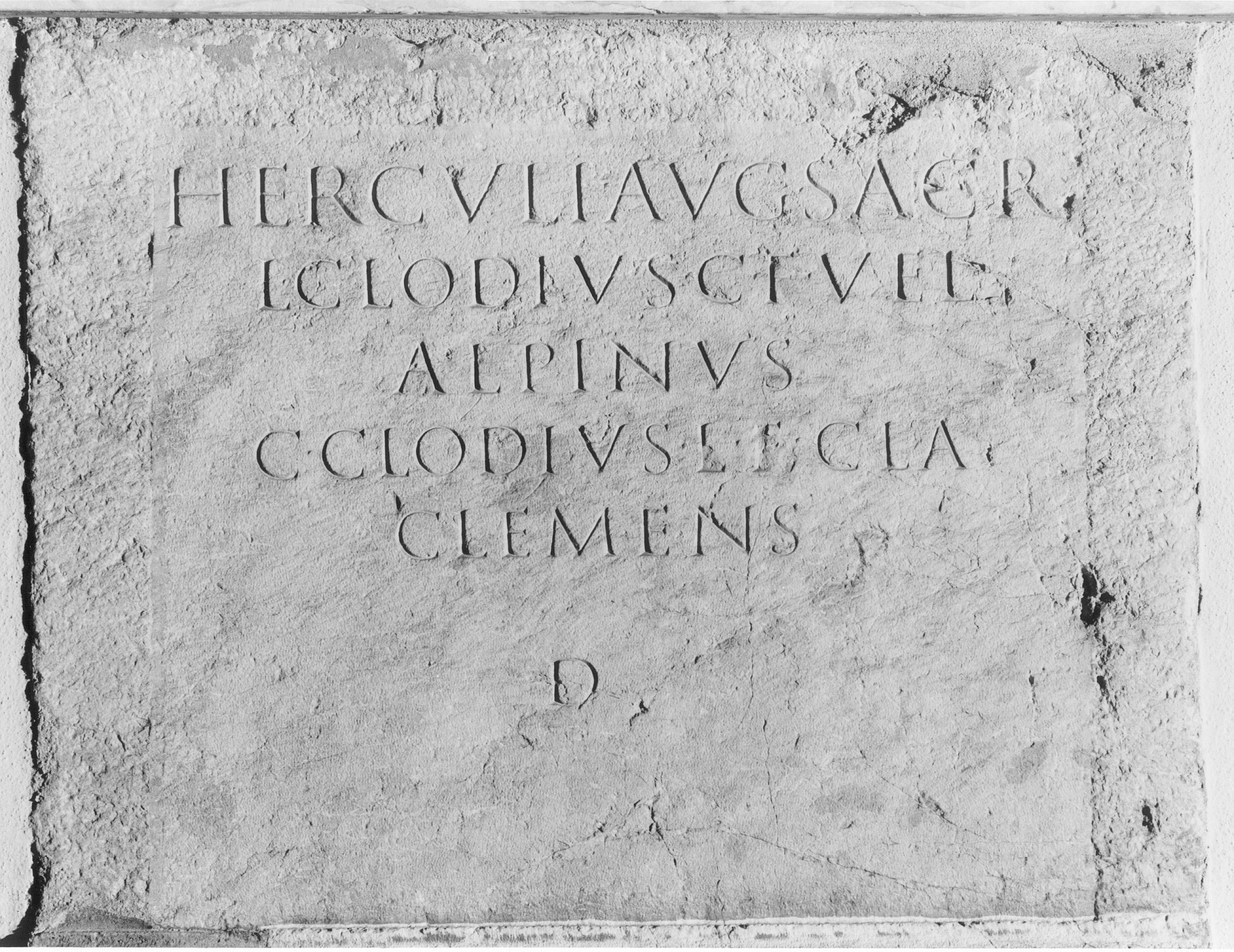
Thanks to our partnership agreement with the EAGLE Portal, Ancient History Encyclopedia (AHE) will be republishing select EAGLE stories, on a periodic basis, which illuminate special topics pertaining everyday life and culture in ancient Rome. We hope that you enjoy these ancient vignettes, and we also encourage you to explore EAGLE’s massive epigraphic database. In antiquity people believed that divinities were omnipresent. Greek and Roman gods and goddesses, as well as local and pre-Roman divinities were invoked on many altars and in various dedications. The fact that dedications to them were inscribed on stone altars, points to their ‘Romanization’, as this was a typically Roman way of worshiping deities. Some pre-Roman sites of cult activity have been discovered in the northern Adriatic and eastern Alpine regions, where various votive objects were ritually deposited, and such places are also known to exist in the Emona (Ljubljana) area, along the river Ljubljanica.
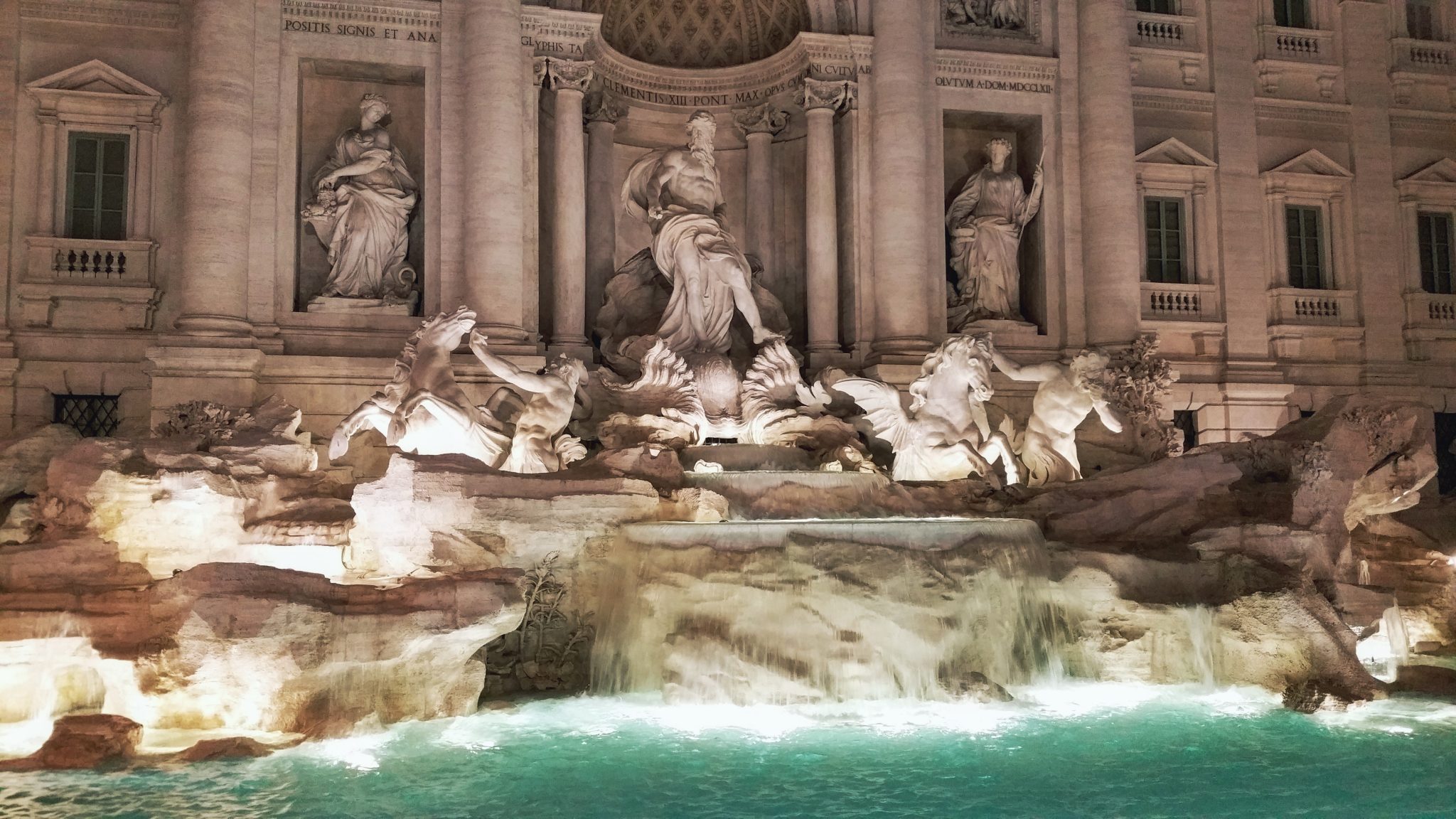
Our Rome Visit in Photos

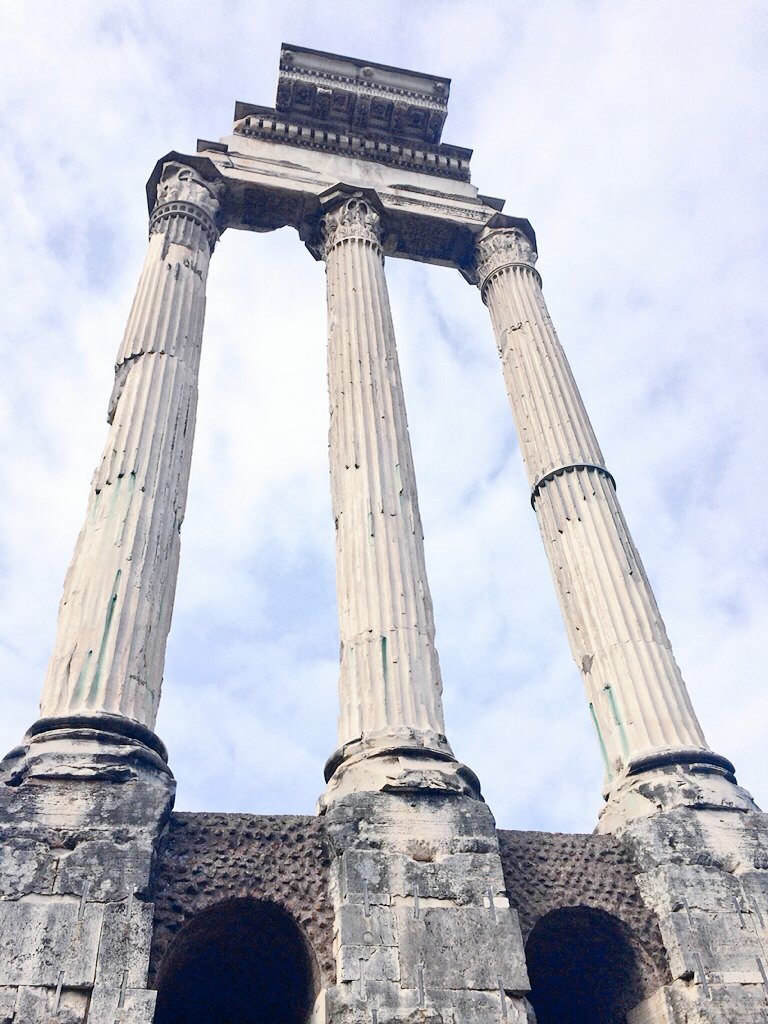
In late January 2016, Jan (CEO) and James (Communications Director) went to Rome to present at the EAGLE 2016 Conference at La Sapienza University. The conference was about Latin epigraphy and the Europeana project, and our presentations were about how academics, historians, and archaeologists could reach a wider audience. But when in Rome… one has to see the city! We could not help being pulled in by the Eternal City, drawn to wander around and explore its ancient heritage. When it comes to history, Rome is like the mother lode… very few cities in the world (if any) have such a concentration of historical sites and buildings!

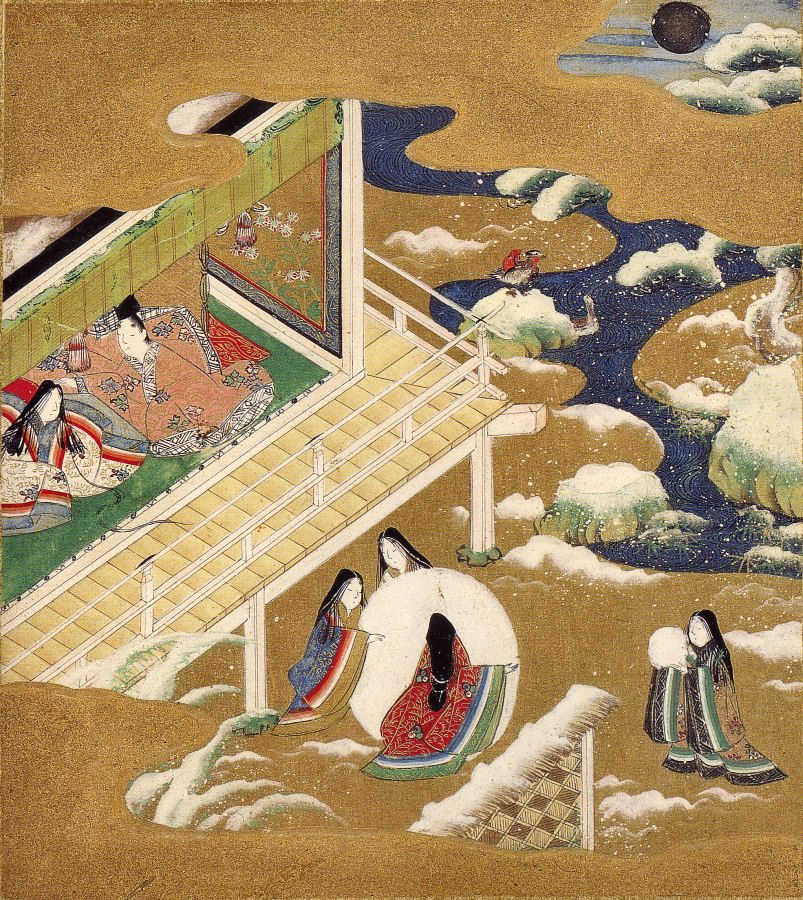
Women Writers in Ancient Japan

The immense cultural achievements of women writers in ancient Japan — Murasaki Shikibu (c. 973 or 978-c. 1014 or 1031 CE), Sei Shonagon (c. 966-c. 1017 or 1025 CE), and Izumi Shikibu (c. 976-c. 1040 CE) — facilitated the first flowering of classical Japanese literature. Women wrote Japan’s and perhaps Asia’s first autobiographical narratives in diaries and memoirs, as well as miscellaneous writings composed of poems, lists, observations, and personal essays during the Heian era (794-1185 CE). For this reason, the Japanese can uniquely claim to have a literary golden age dominated by women. In this exclusive interview, James Blake Wiener of Ancient History Encyclopedia (AHE) speaks to Professor Lynne K. Miyake of Pomona College about the importance of these women writers and what enabled their literary brilliance.

AHE Museum Listings — March 2016

Back by popular demand, Ancient History Encyclopedia will once again share news, on a monthly basis, about select museum exhibitions and events of interest to our global audience via AHetc. Exhibitions are arranged in alphabetical order by geographical location and region within this post: the Americas, the United Kingdom, Europe/Middle East, and East Asia/Oceania. Here’s a taste of what’s on show at major museums around the world in March 2016:

Travelling in Greece: Why it’s time to go back

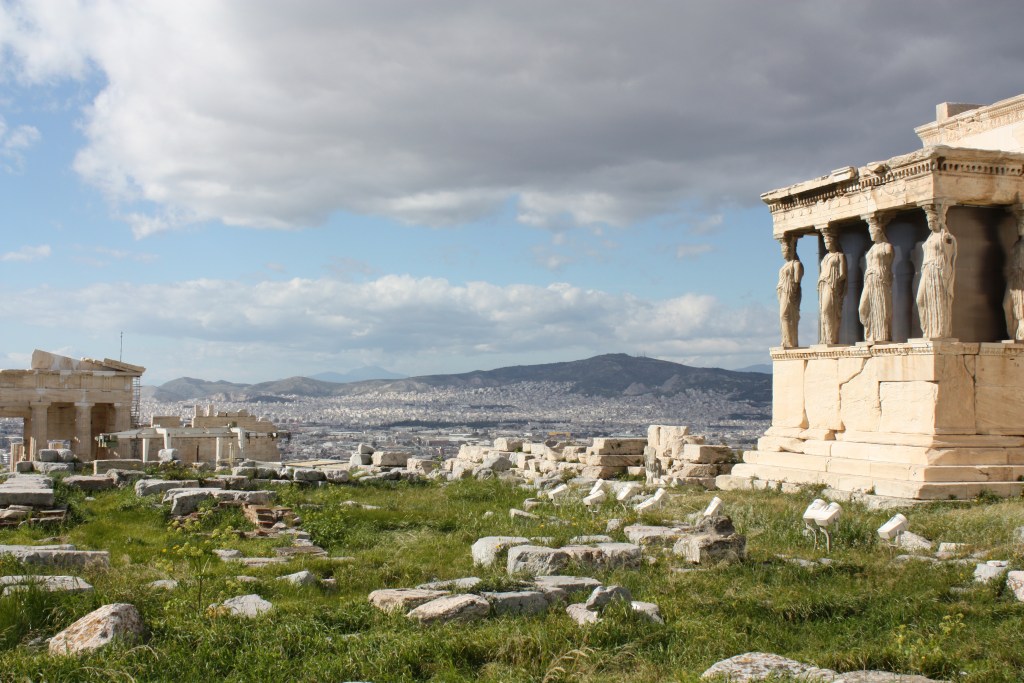
I’ll be honest, every time I look at the photo above I long to visit Greece again. It’s not just the awe-inspiring scenery, amazing food, or ancient history. It’s the way of life. Slow, calm, relaxed, and beautiful. Yes, Greece is going through some tough economic times right now, but that shouldn’t stop anyone from visiting. The USD goes a long way in Greece.

Our Ancient Cyprus Travel Guide

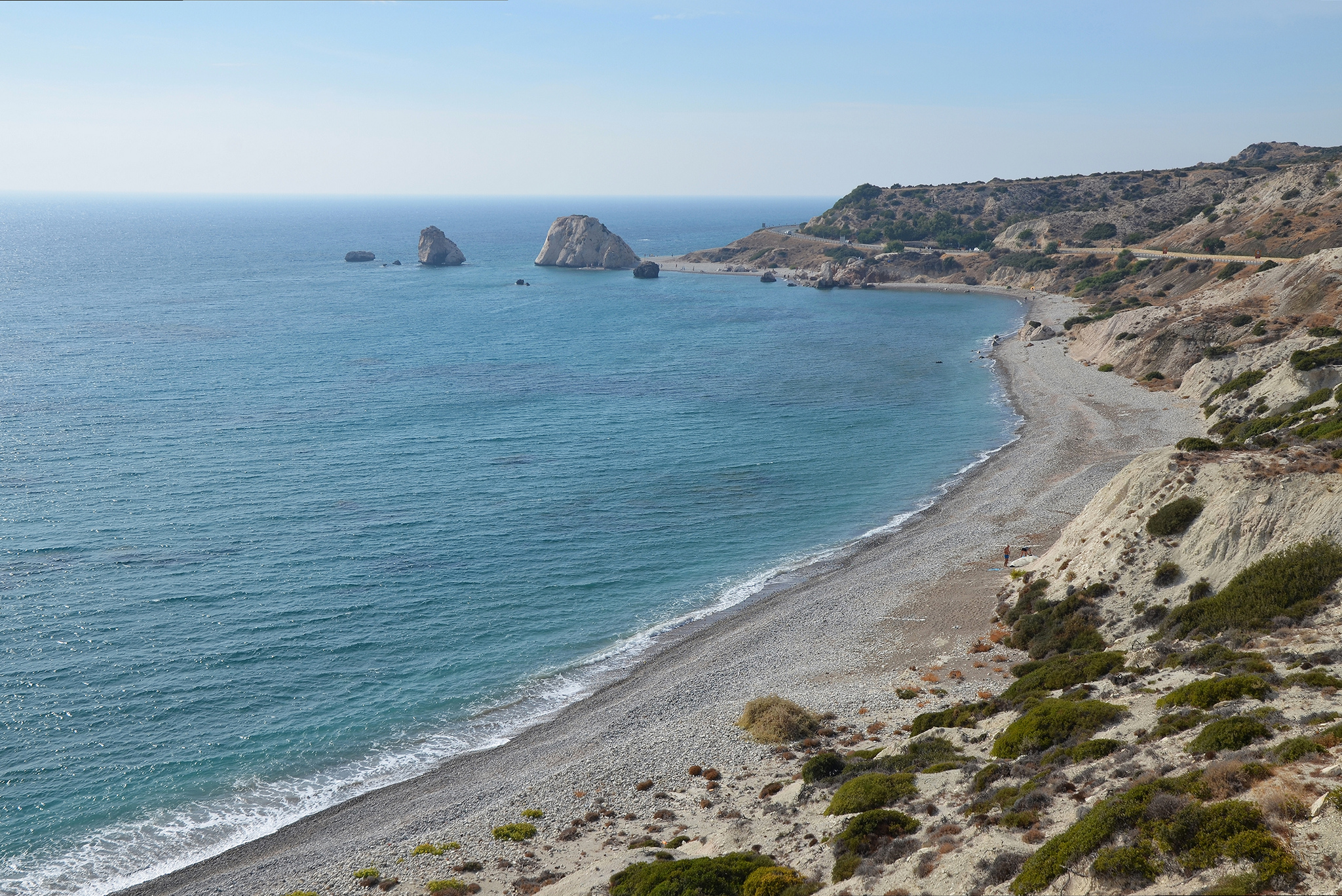
Lying at the crossroads of the eastern Mediterranean, the island of Cyprus has long been a meeting point for many of the world’s great civilizations. Situated where Europe, Asia and Africa meet, its location shaped its history of bringing civilizations together. Many powers conquered the island, and Cyprus was ruled in turn by the Hittites, the Egyptians, the Persians and the Greeks until it was absorbed by the Romans. Cyprus is also known as the “Island of Love”. According to mythology Aphrodite, the ancient Greek goddess of love and beauty, was born from the foam of the sea on the south-western coast of Cyprus.

The Changing Faces of Apollo

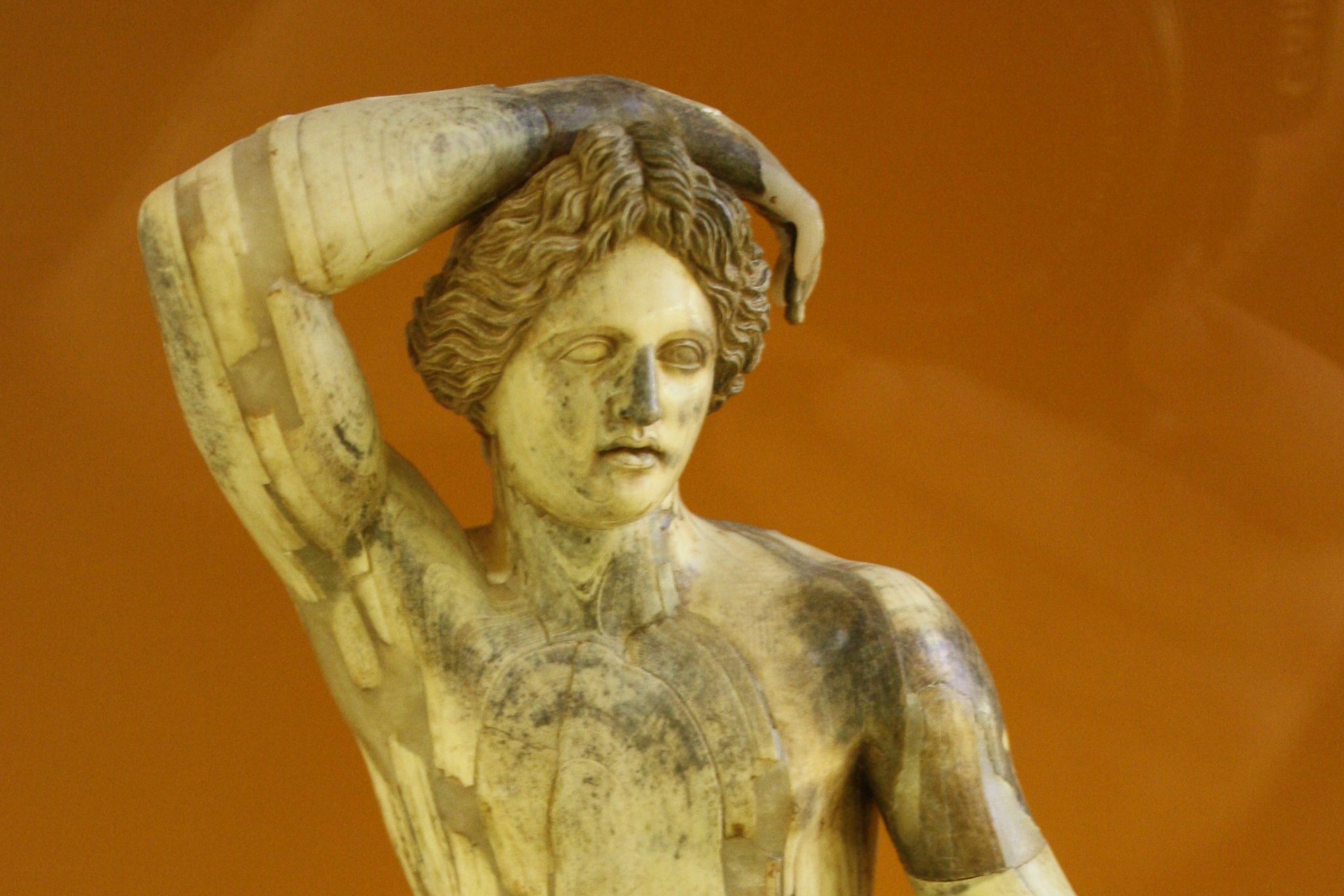
Apollo was considered an epitome of youth and beauty, source of life and healing, patron of the civilized arts, and as bright and powerful as the sun itself. He was, arguably, the most loved of all the Greek gods. Although he was associated with many positive aspects of the human condition such as music, poetry, and medicine, the god also had his darker side as the bringer of plague and divine retribution. Most famously as the remorseless slayer of Niobe’s six sons as punishment for her boasting and as the flayer of Marsyas after his presumptuous claim to be more musically gifted than Apollo himself. Objects traditionally associated with the god include: a silver bow, a Kithara or a lyre, a laurel branch, the omphalos of Delphi, and a palm tree. These can be variously seen in the many depictions of Apollo from Archaic, Classical and Hellenistic Greece and through to Roman times. Greek Apollo

A Visit to Rome’s Centrale Montemartini Museum

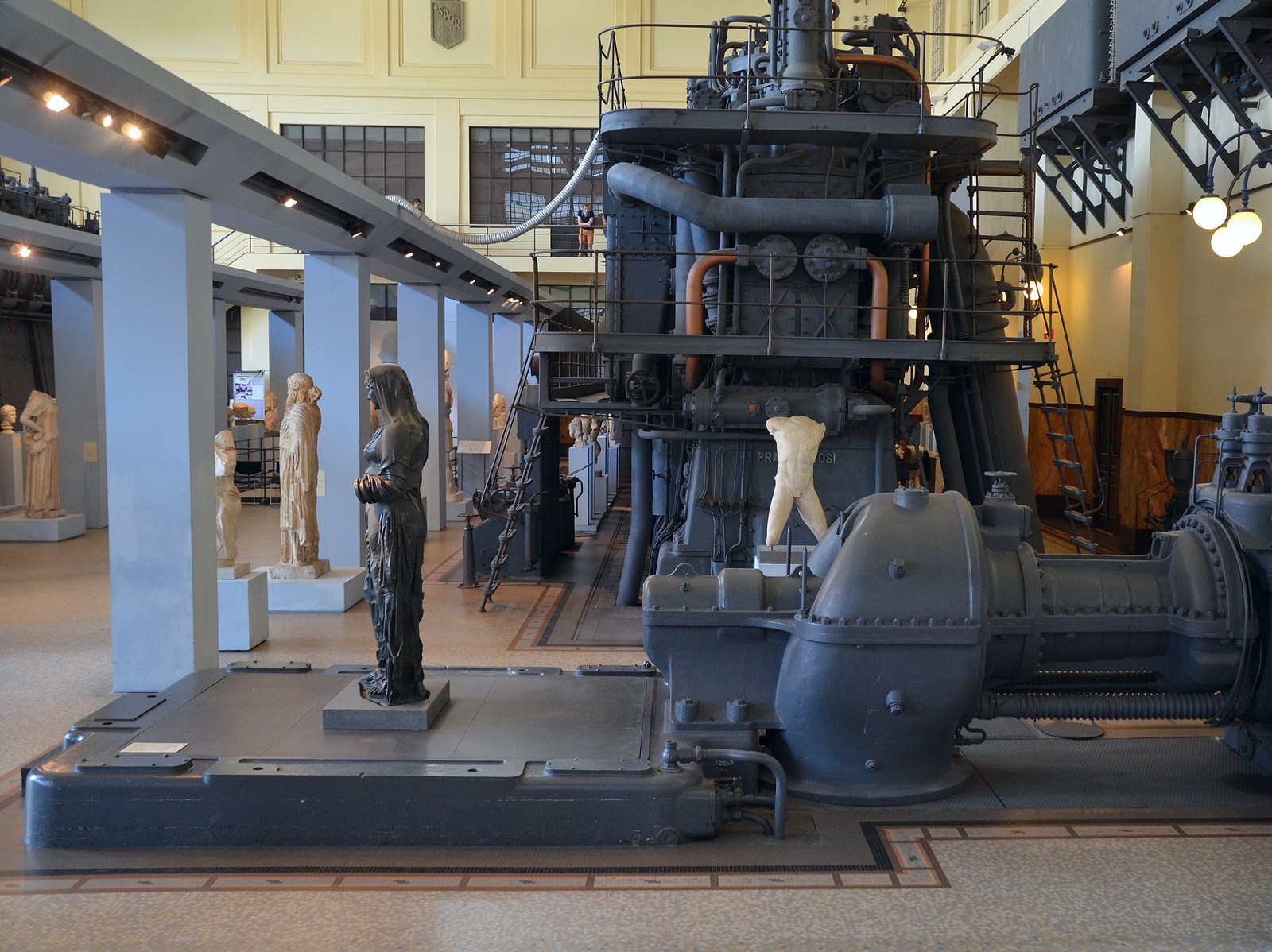
During a recent trip to Rome, I paid a long overdue visit to the Centrale Montemartini, an annexe of the Capitoline Museums located on the Via Ostiense just beyond Porta San Paolo. Centrale Montemartini was Rome’s first electrical power station when it opened in 1912, and was later converted into a museum of ancient Roman art in the late 1990s. Like the Tate Modern in London, Centrale Montemartini places art in an industrial setting but, unlike the Tate, the imposing machinery has not been moved out. The engines’ grey mass provides a stark contrast to the white marble and offers a unique backdrop for classical art. Centrale Montemartini has a collection of about four hundred sculptures, reliefs and mosaics dating from the Republican to the late Imperial era. The works of art, exhibited in chronological order, are part of an outstanding collection of classical sculptures from the excavations carried out in Rome between the end of the 19th century and the beginning of the 20th. The masterpieces were moved here during the reorganisation of the Capitoline …

The Obelisk of Antinous

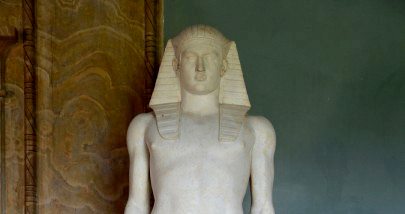
While Hadrian was visiting the province of Egypt in late 130 AD, his favorite Antinous drowned mysteriously in the Nile River. This tragic event led to the creation of a new divinity: Osirantinous, or Antinous as a manifestation of Osiris, the god who died and was reborn. One of our best primary sources for information about the new deity Osirantinous and the founding of Antinopolis, the new city created by Hadrian near the spot of Antinous’ death, is the Obelisk of Antinous, found in Rome outside Porta Maggiore at the end of the 16th century. The Aswan pink granite obelisk, which now stands in the Pincian Hill Gardens, was commissioned by Hadrian after 130 AD to honour the deceased Antinous.