All posts filed under: Uncategorized

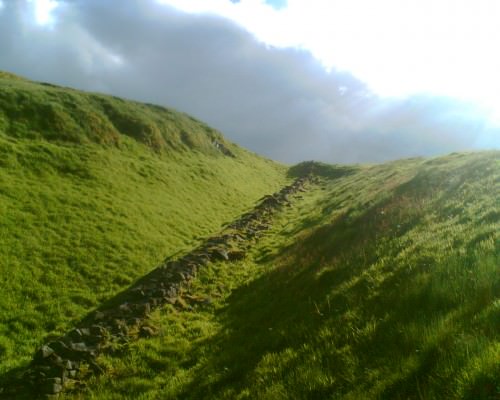
Object in Focus: Antonine Wall

In an effort to share more of our favourite ancient objects from around the world, each month Ancient History Encyclopedia staff are going to take a closer look at some really amazing objects or buildings. Today’s Object in Focus is the Antonine Wall.

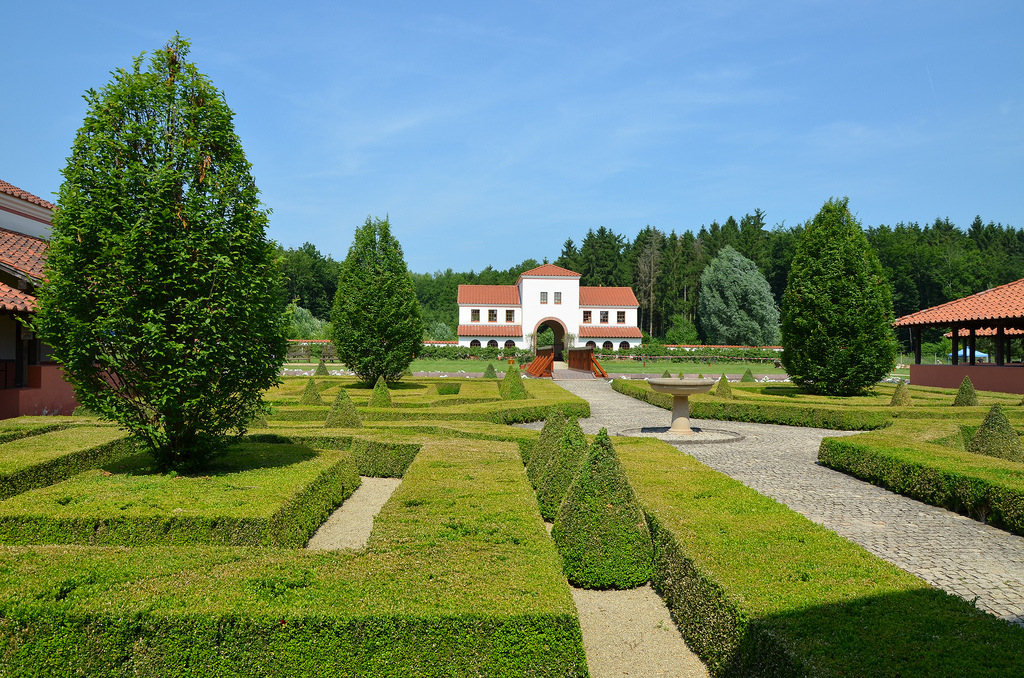
Roman Villa Borg

Ruins of a grand Roman countryside villa (villa rustica) were discovered by a local school teacher at the end of the 19th century outside the village of Borg in the municipality of Perl (Germany). The villa consisted of three wings covering an area of more than 7.5 hectares. The complex was excavated in the late 1980s and a plan to reconstruct an authentic representation of the buildings as they originally appeared in the 2nd and 3rd centuries AD began in 1994. The project was completed in 2008 although further excavation work is still undergoing.

gladiator

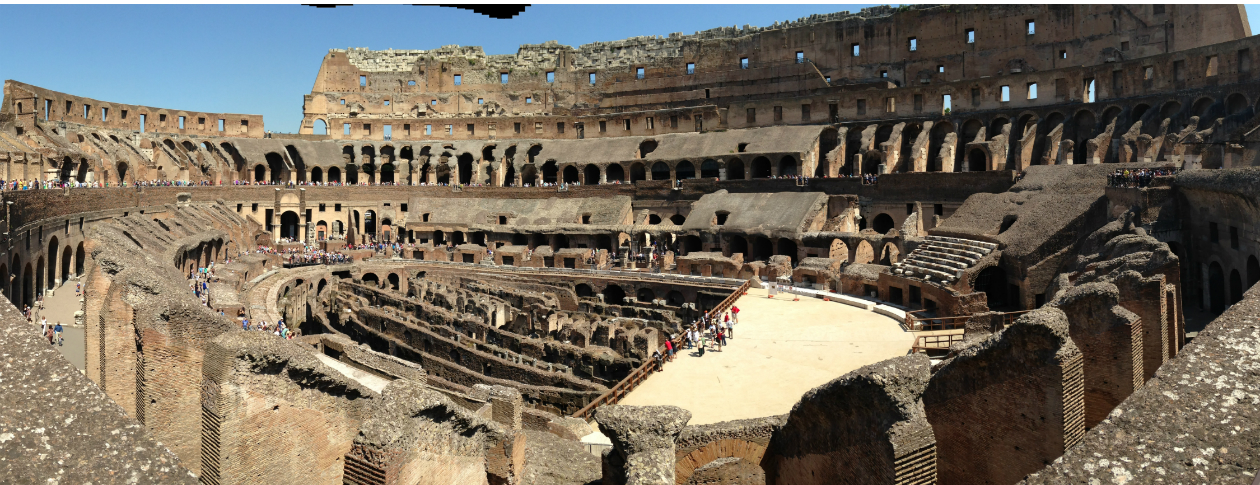
Roman Gladiator: 11 Facts You May Not Know

About two thousand years ago, fifty thousand people filled the Colosseum in Rome to participate in one of the most fascinating and violent events to ever take place in the ancient world. Gladiator fights were the phenomenon of their day – a celebration of courage, endurance, bravery, and violence against a backdrop of fame, fortune, and social scrutiny. Today, over 6 million people flock every year to admire the Colosseum, but what took place within those ancient walls has long been a matter of both scholarly debate and general interest.

May 2017 Museum Listings

Every month, Ancient History Encyclopedia will share news about select museum exhibitions and events of interest to our global audience via AHetc. Exhibitions are arranged in alphabetical order by geographical location and region within this post: the Americas, United Kingdom, Europe/Middle East, and East Asia/Oceania. Here is a taste of what is on show at major museums around the world in May 2017:

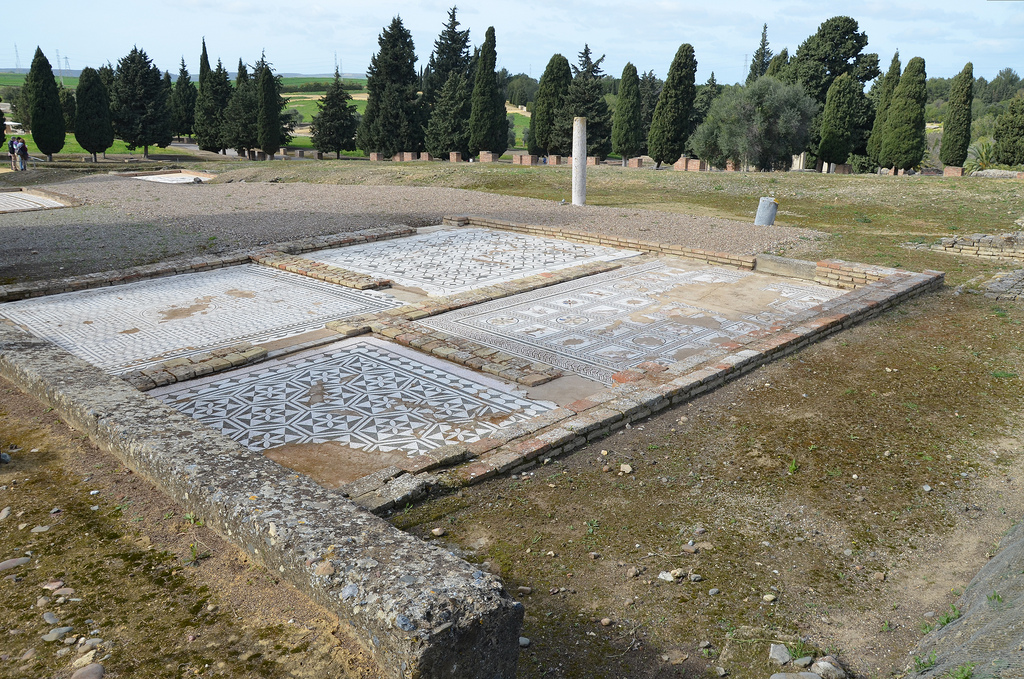
Italica: Roman city in Santiponce

Italica is a well-preserved Roman city located in modern-day Santiponce, 9 kilometres north of Seville in Spain. The city was founded in 206 BC during the Second Punic War (218-202) when the Roman commander Publius Cornelius Scipio settled his Italian veterans on this site following a victory at the Battle of Ilipa. Although the nearby town of Hispalis (Seville) would always remain a larger city, Italica became an important centre of Roman culture and was awarded the title of colonia. The name Italica reflected the veterans’ Italian origins. Coordinates: 37° 26′ 38″ N, 6° 2′ 48″ W

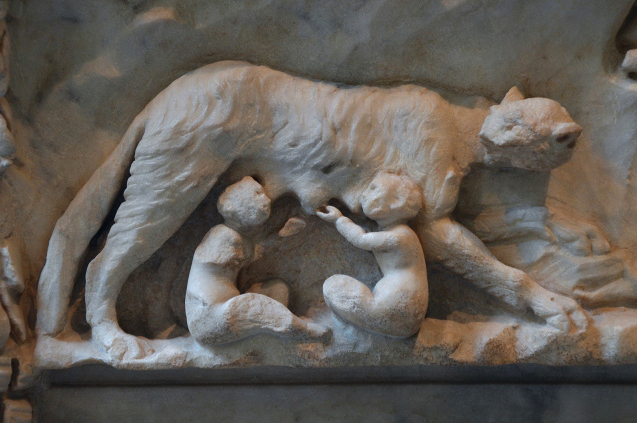
Happy Birthday Rome!

Felix dies natalis, Roma! (Happy birthday, Rome!) This week on the 21st of April is the traditional date given for the founding of Rome. According to Roman mythology, the founders were Romulus and Remus, twin brothers and supposed sons of the god Mars and the priestess Rhea Silvia. The twins were then abandoned by their parents as babies because of a prophecy that they would overthrow their great-uncle Amulius, but were saved by a she-wolf who nursed them. Romulus killed his brother after a vicious quarrel and went on to establish a city which he named after himself.

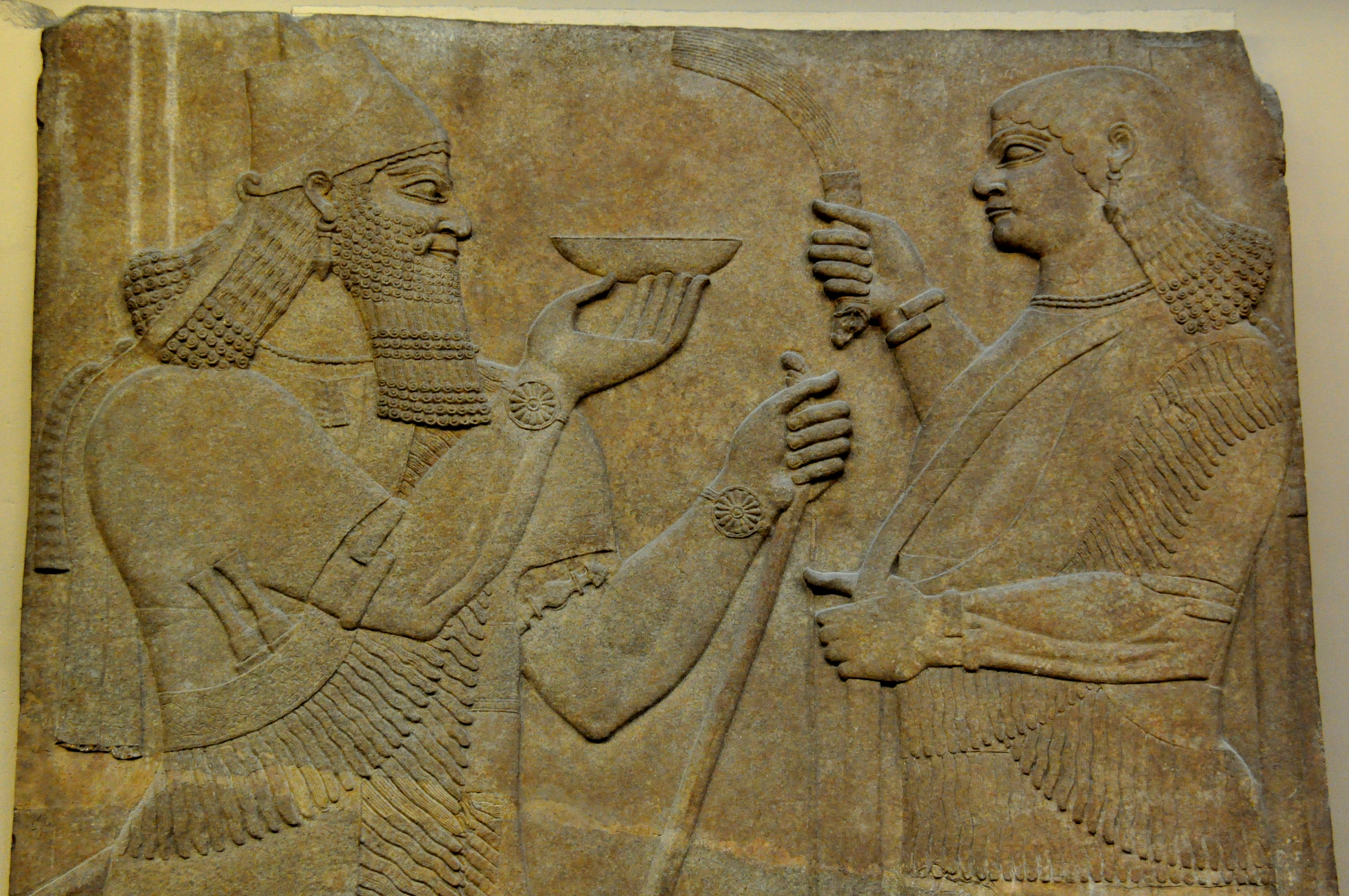
Wall Reliefs: Ashurnasirpal II at the North-West Palace

“(Property of) the palace of Assurnasirpal (II), vice-regent of Assur, chosen of Enlil and Ninurta, beloved of Anu and Dagan, destructive weapon of the great gods, strong king, king of the universe, king of Assyria, son of Tukulti-Ninurta (II), great king, strong king, king of the universe,…” This is how Ashurnasirpal II, a harsh king, described himself at the beginning of his “Standard Inscription”, which was carved horizontally onto the North-West Palace’s wall reliefs at Nimrud. A real terror of the Middle East, Ashurnasirpal II decisively crushed any revolt, massacred defeated rebels, and even burned children and women after an uprising; heartless and merciless!

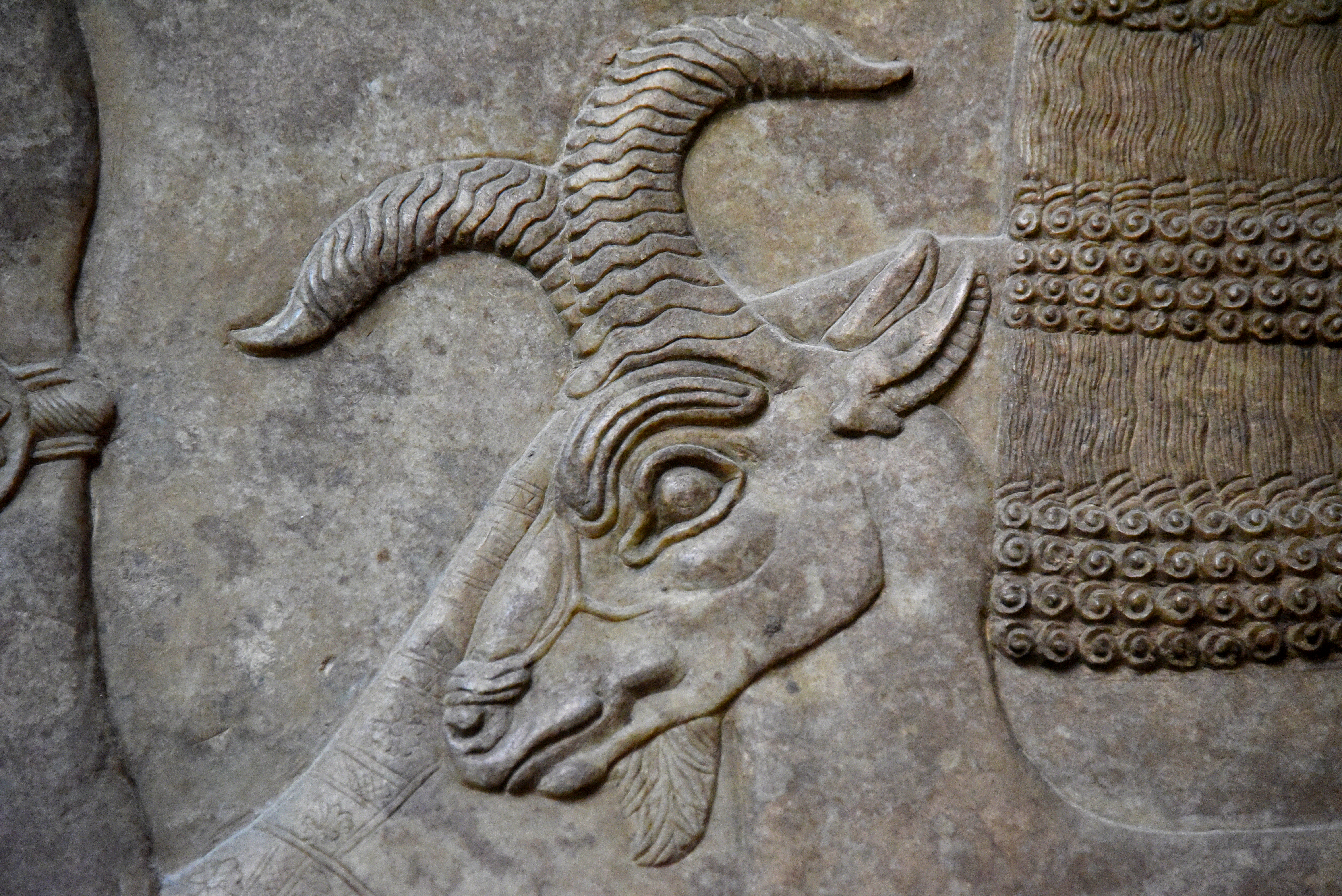
Wall Reliefs: Assyrian Apkallus from Nimrud holding a Goat and Deer

When you enter Room 7 of the British Museum, after passing through two colossal lamassus, you are taken through time to the North-West Palace of the Assyrian King Ashurnasirpal II (883-859 BCE). This is the imperial palace of the King in Nimrud (ancient Kalhu or Biblical Calah; Mesopotamia, modern-day Iraq), the capital city at the heart of the Assyrian Empire. Room 7 is a long hall “decorated” with alabaster-bas wall reliefs from that palace. After being neglected for more than 2500 years, British archaeologist Sir Henry Layard and his workmen unearthed the remains of the North-West Palace in 1845. Layard shipped many reliefs on the Apprentice and these large and heavy slabs reached the British Museum in January 1849. I will publish a series of articles about these reliefs, addressing their finer details, which are not easily recognised.

Museum Listings April 2017

Every month, Ancient History Encyclopedia will share news about select museum exhibitions and events of interest to our global audience via AHetc. Exhibitions are arranged in alphabetical order by geographical location and region within this post: the Americas, United Kingdom, Europe/Middle East, and East Asia/Oceania. Here is a taste of what is on show at major museums around the world in April 2017:

Maya city of Tulum

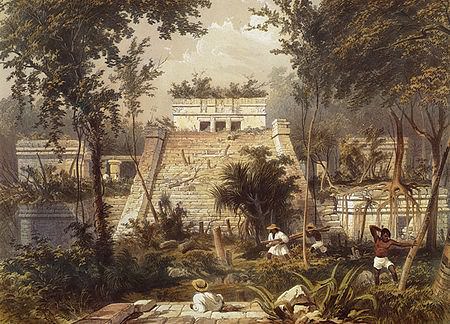
It’s a long walk from the parking lot through the jungle paths under the slow gaze of iguanas beneath the trees or perched on walls. Brightly coloured birds in the branches overhead look down and ruffle their wings as, somewhere up ahead, monkeys yell to each other in the undergrowth. You pass through the ticket booth and step through an archway in a stone wall into the ancient past. The sunlight, after the shade of the path, is almost blinding but what actually dazzles is the bright city rising from the plain before you: Tulum.