All posts filed under: Uncategorized

Museum Exhibitions January 2017

Every month, Ancient History Encyclopedia will share news about select museum exhibitions and events of interest to our global audience via AHetc. Exhibitions are arranged in alphabetical order by geographical location and region within this post: the Americas, United Kingdom, Europe/Middle East, and East Asia/Oceania. Here is a taste of what is on show at major museums around the world in January 2017:

100 objects

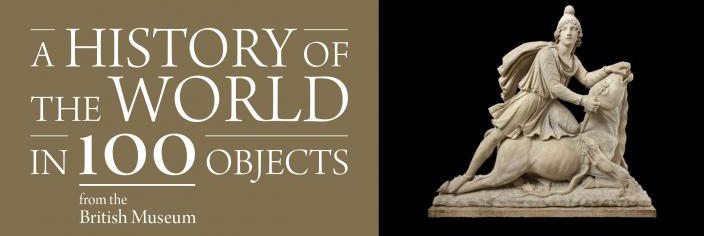
Exhibition: A History of the World in 100 Objects

When I heard the British Museum’s exhibition A History of the World in 100 Objects was coming to Canberra, Australia I could not stop smiling. Since its arrival, I have visited three times and plan more visits in the near future. In this post, I’m going to take you on a short tour of the exhibition, showing off my favourite objects.

5 Key Sites Of The Hittite Empire

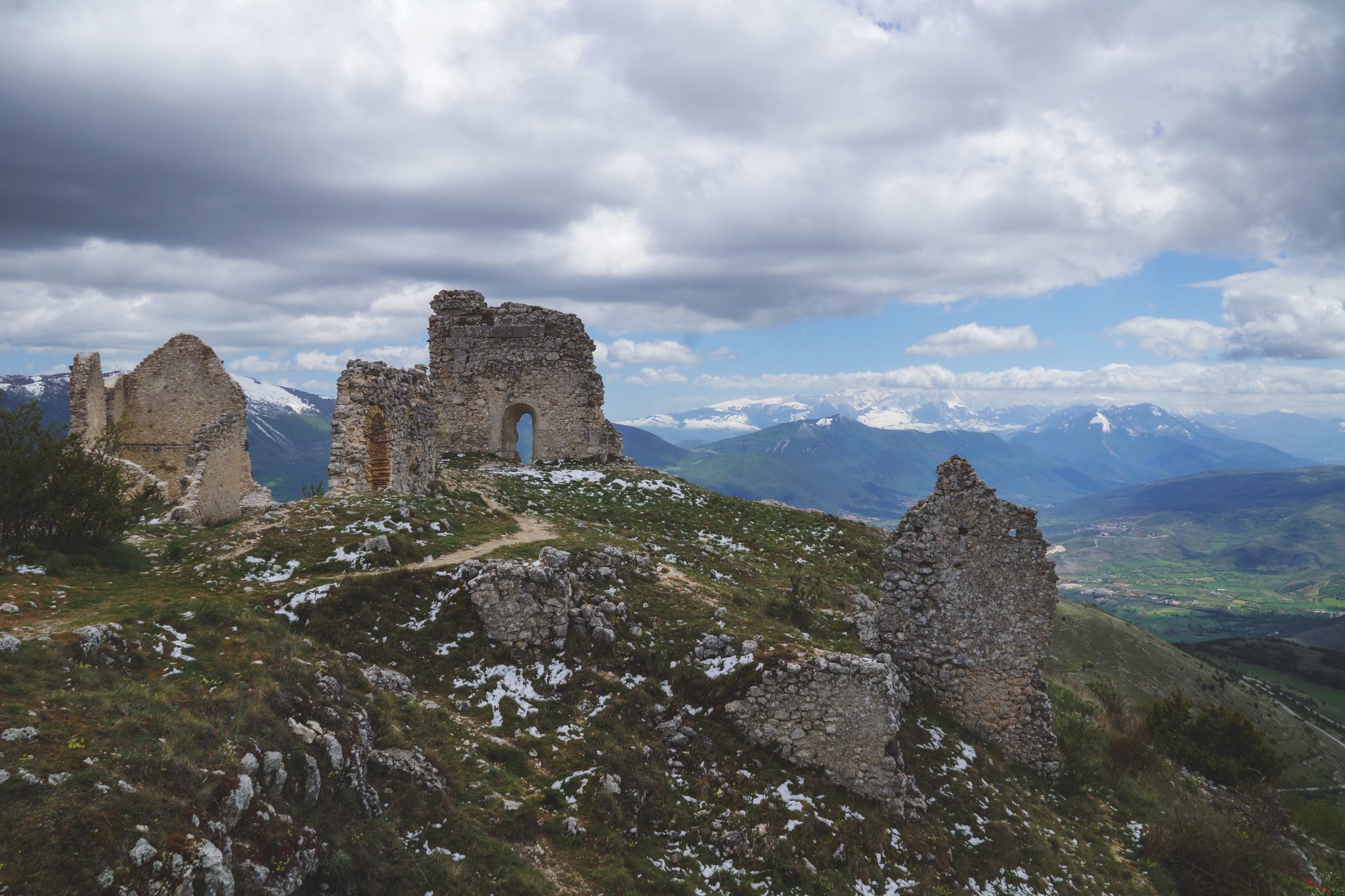
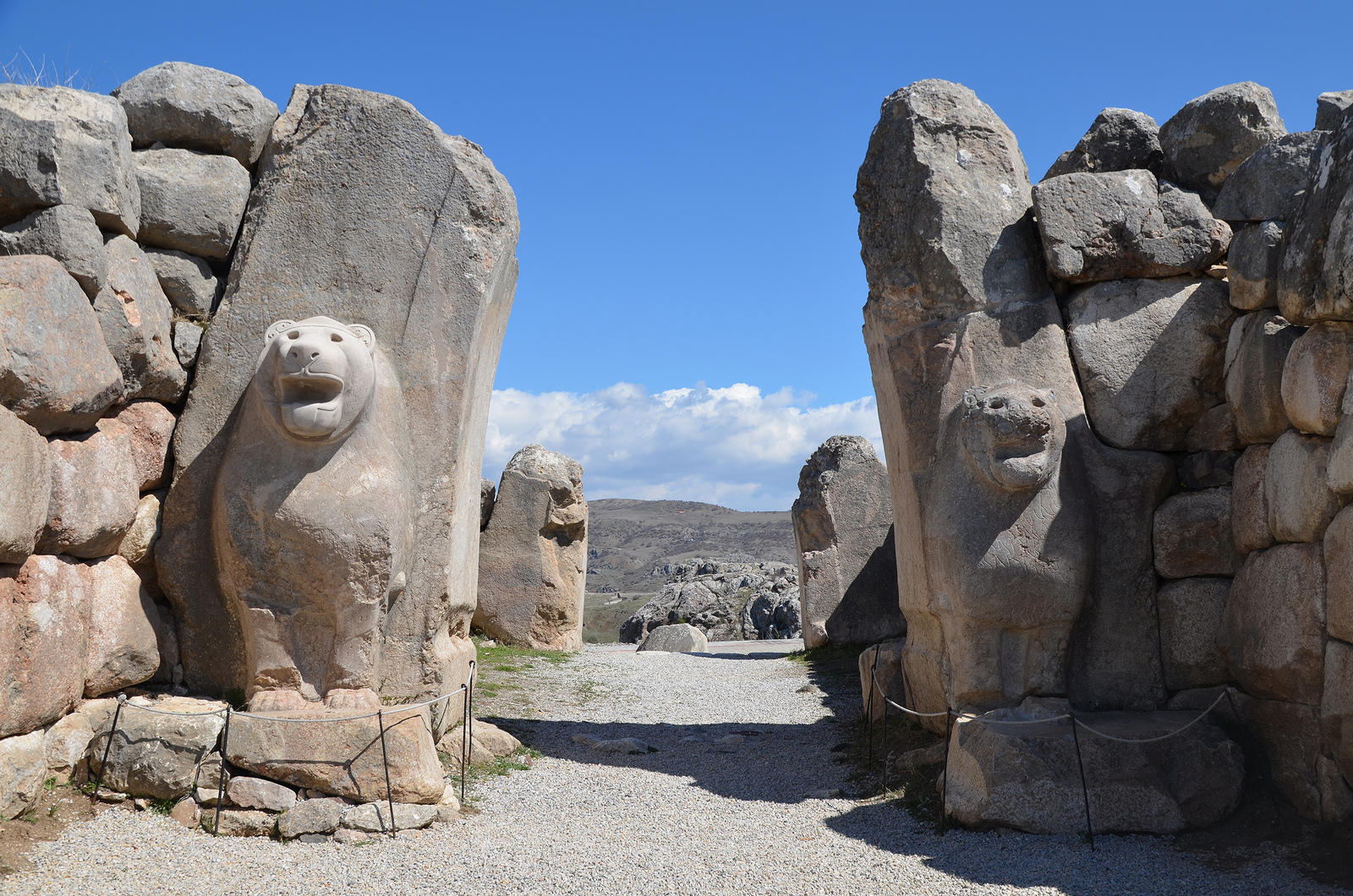
Although mentioned several times in the Biblical texts, the actual existence of the Hittites was largely forgotten until the late 19th century. With the discovery of Hattusa in 1834, the city that was for many years the capital of the Hittite Empire, the Hittites were finally recognized as one of the Great Superpowers of the ancient Middle East in the Late Bronze Age.

solar observatory

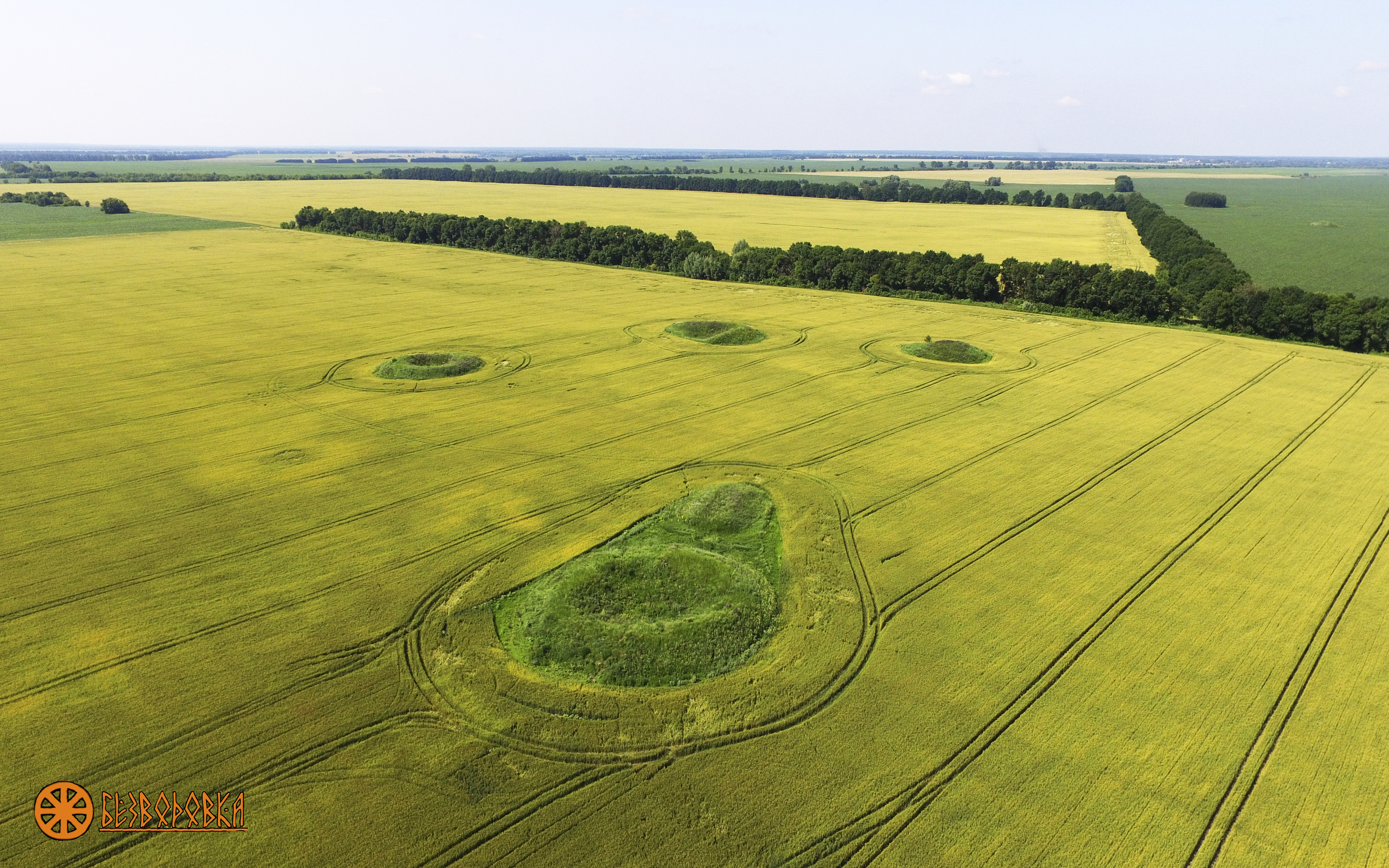
Solar Observatory in Ukraine

Bezvodovka is a solar observatory. It is an ancient Bronze Age architectural monument of land architecture, science and spirituality spanning nearly 20 square kilometres. The research in this blog post is unique and exploratory because it contradicts the accepted interpretation of the site. Current mainstream interpretations of these are burial mounds of nomadic tribes. Scholars have long studied the mounds at Bezvodovka and seem to feel they have them easily defined. New research, however, suggests that this site could be far more intriguing and amazing than the mainstream interpretation. In the Chernihiv region of Ukraine, near the city of Ichnia, at Bezvodovka plateau, there are a group of ancient mounds. Some of them were destroyed by people and machinery while the others that remain have been described by scholars as mounds of nomadic tribes from the 1st and 2nd centuries BCE. However, new knowledge has allowed us to unite the scattered mounds into a single complex of nearly 20 square kilometres. Aerial photography records and computer applications have made it possible to also determine the purpose of the mounds.

Saturnalia

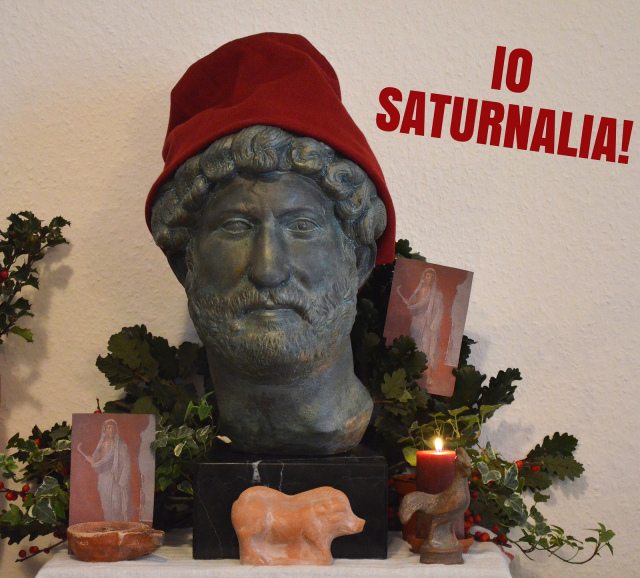
Io, Saturnalia!

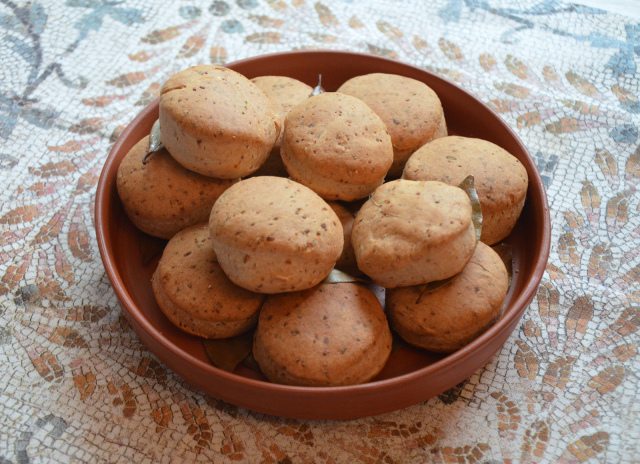
Happy Saturnalia to all! December 17, marks the beginning of the Saturnalia, a festival held in honour of Saturn that lasted for between 3 and 7 days. It was celebrated in Rome for the first time in 497 BC when the Temple of Saturn in the Roman Forum was dedicated. The poet Catullus called it “the best of days” – Saturnalibus, optimo dierum!. The holiday began with a sacrifice at the Temple of Saturn. After the rituals, the celebrants shouted ‘Io, Saturnalia’ (Macrobius I.10.18). It was followed by several days of feasting and fun. “It is now the month of December, when the greatest part of the city is in a bustle. Loose reins are given to public dissipation; everywhere you may hear the sound of great preparations, as if there were some real difference between the days devoted to Saturn and those for transacting business. … Were you here, I would willingly confer with you as to the plan of our conduct; whether we should eve in our usual way, or, to avoid singularity, …

The Late Iron Age and Roman Ireland Project

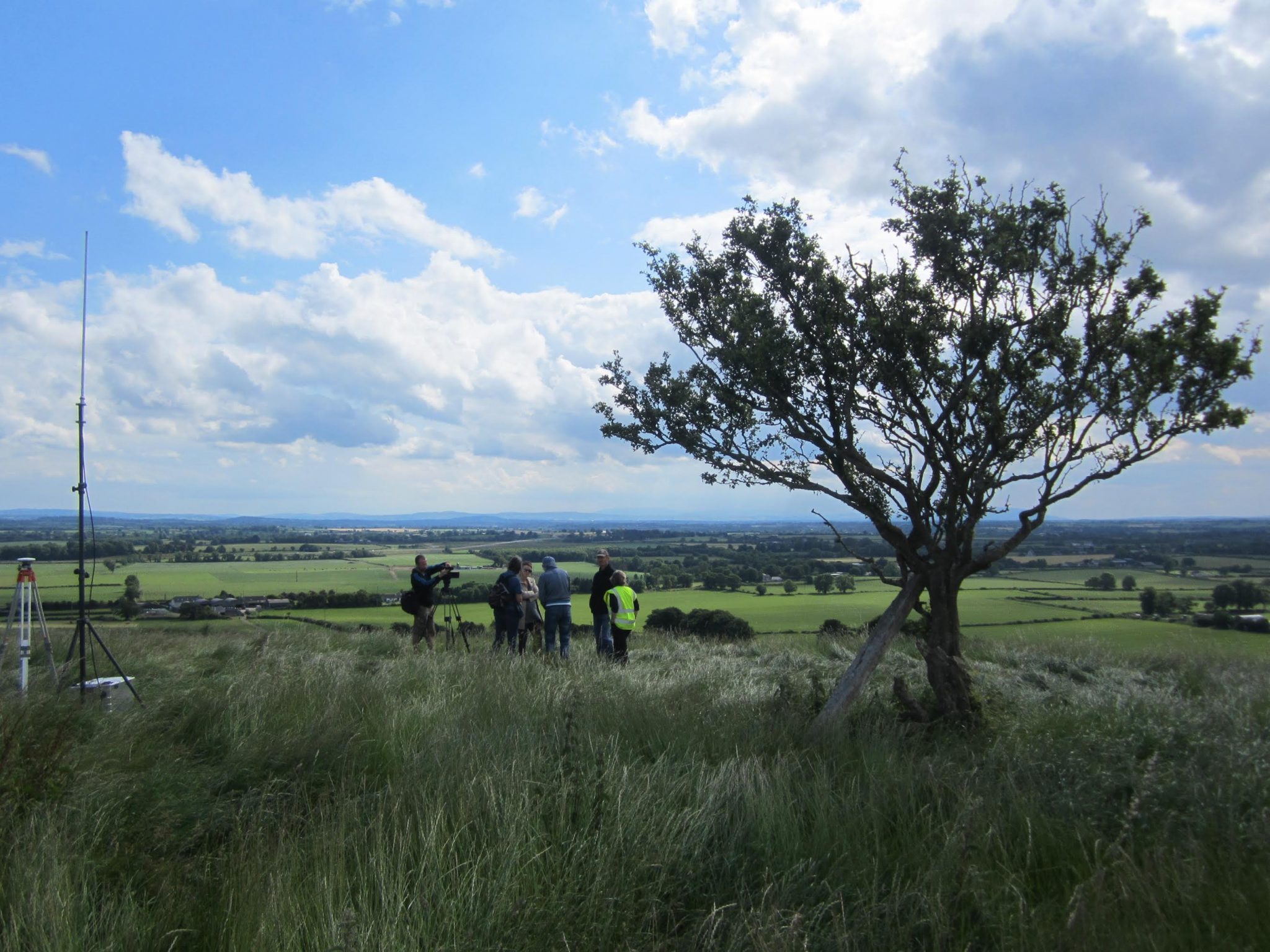
In 2012, Ancient History Encyclopedia (AHE) profiled the work of the Late Iron Age and Roman Ireland Project. The central aim of this project was to characterize the environment, settlement patterns, social structures, and ritual practices of the people who lived and died in Ireland during the first five centuries CE. It also surveyed the nature of Ireland’s interactions with the Roman Empire — especially with Roman Britain — in order to reconstruct a more holistic archaeological narrative for the later Irish Iron Age. In this exclusive interview, James Blake Wiener of Ancient History Encyclopedia (AHE) speaks again to Dr. Jacqueline Cahill Wilson about the findings of this unprecedented archaeological project.

Museum Exhibitions December 2016

Every month, Ancient History Encyclopedia will share news about select museum exhibitions and events of interest to our global audience via AHetc. Exhibitions are arranged in alphabetical order by geographical location and region within this post: the Americas, United Kingdom, Europe/Middle East, and East Asia/Oceania. Here is a taste of what is on show at major museums around the world in December 2016:

10 Things You Didn’t Know About Sparta

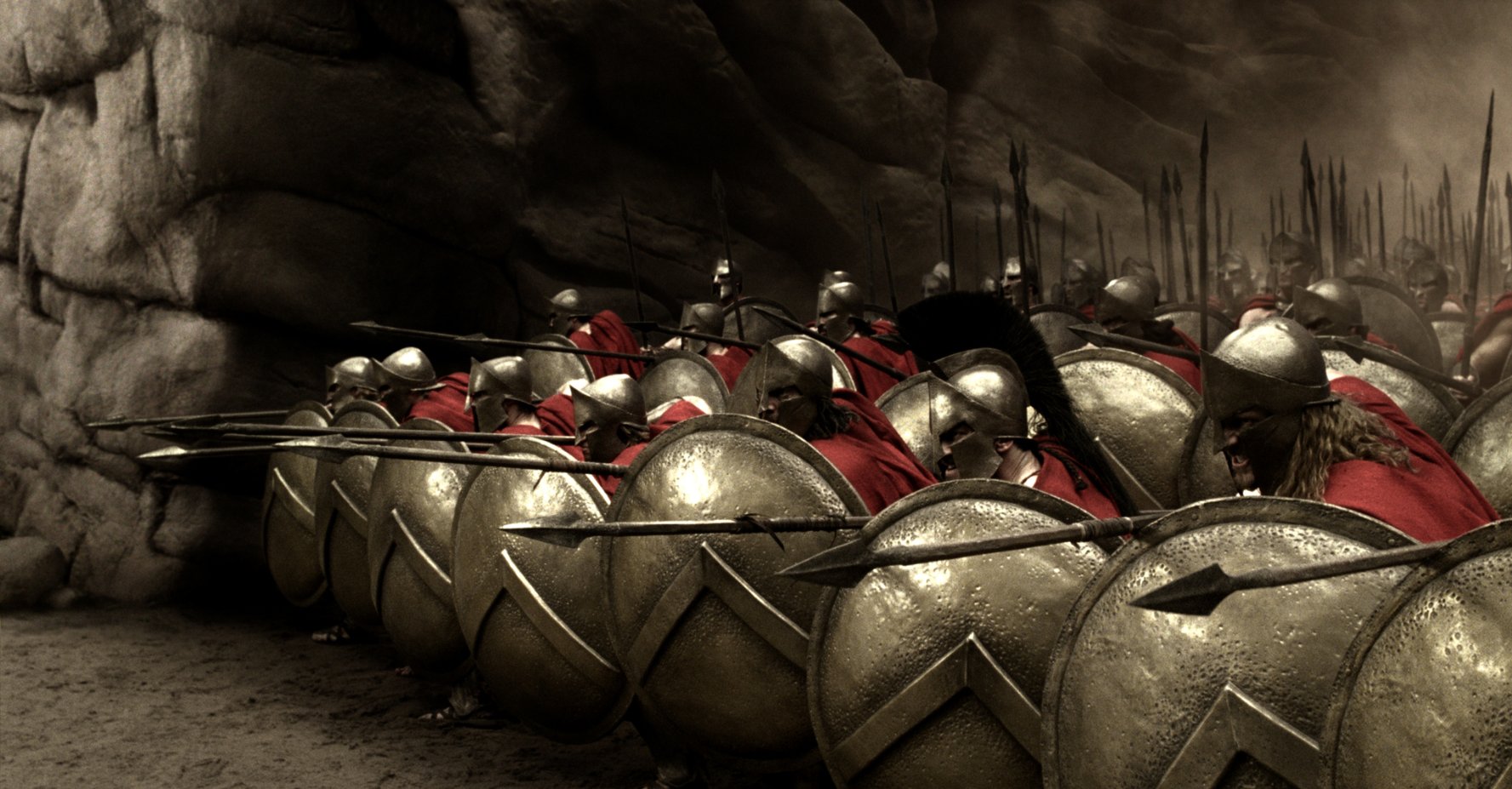
Sparta was one of the most important cities in ancient Greece, and the stories of its heroic warriors continue to be retold through modern films and stories. However, the popular image of Sparta propagates a version of Sparta, our version of Sparta, and this is often quite removed from the ancient sources and idealised. As such, this post includes some interesting facts (and theories) about ancient Sparta that you might not know, enjoy!

Ancient Indian Flavors

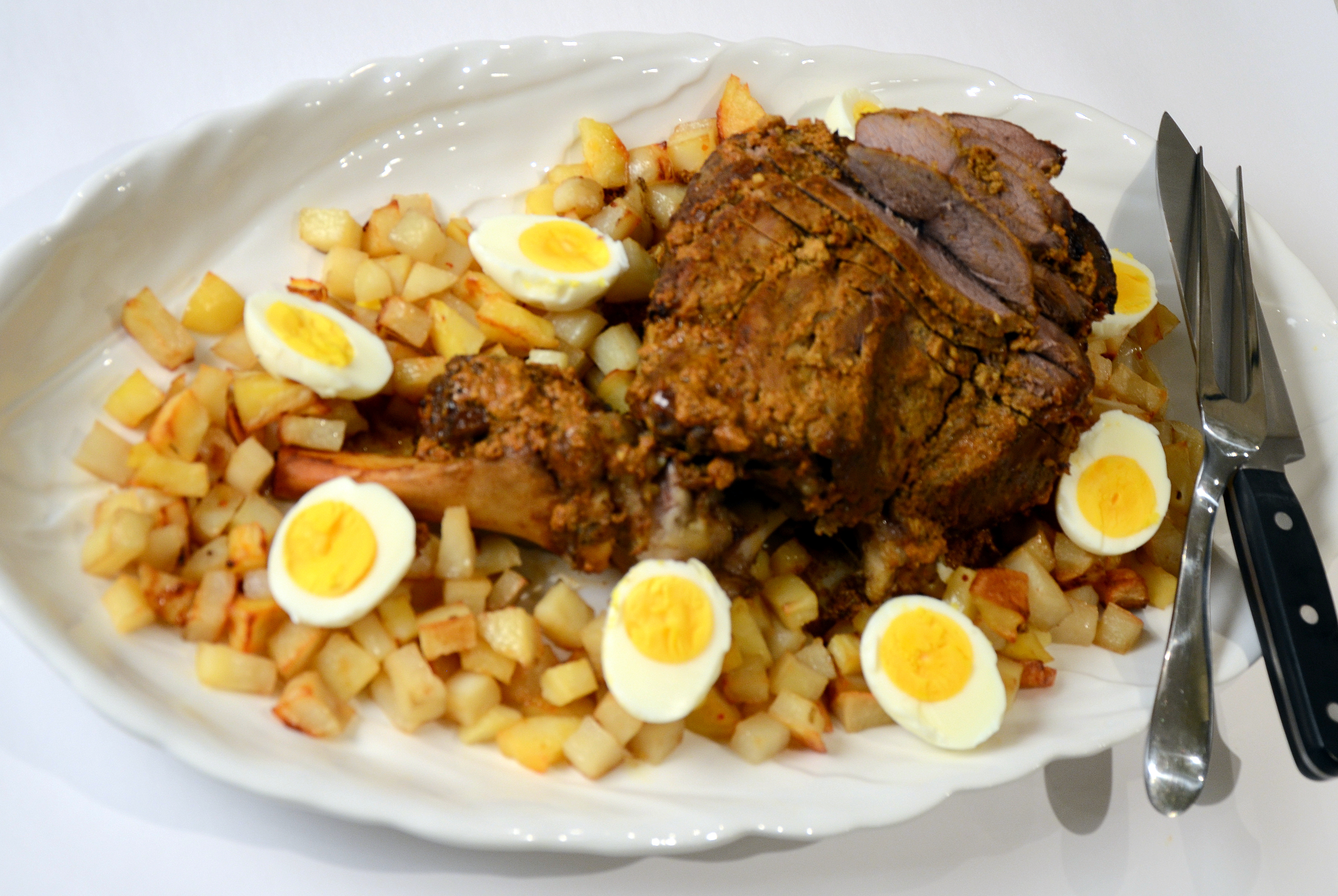
The flavors and aromas of ancient Persia and India converge in Parsi cuisine. In this exclusive interview, Niloufer Mavalvala, author of The Art of Parsi Cooking: Reviving an Ancient Cuisine, introduces us to the culture and the tastes of the Parsis. JW: Niloufer, thanks for speaking with me about your new title. For our readers who do not know anything about the Parsis, could you share a bit of little history and explain the importance of their journey from what is present-day Iran to India and Pakistan? NM: Prophet Zarathushtra Spitama lived in ancient Persia over 2,000 years ago, and the main keystones of his religion are “good thoughts, good words, good deeds.” After the Arabs invaded Iran in the seventh century CE, many Zoroastrians fled religious persecution and sought refuge in India. The Indians referred to the newcomers as “Parsis” or “people from Pars,” implying that they were “Persian.” As part of the asylum agreement, the “Parsis” agreed to adopt the local language, dress and customs, thereby developing a unique cuisine that blended their traditional dishes with …