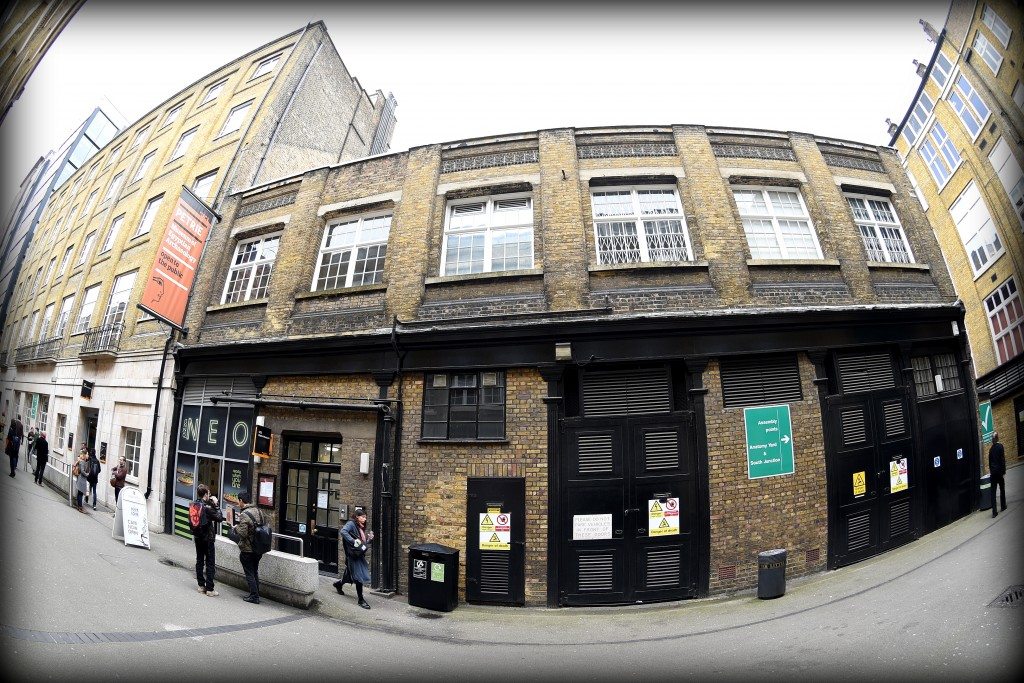
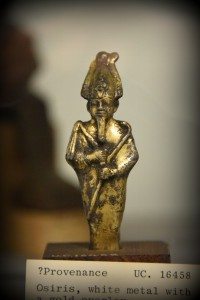
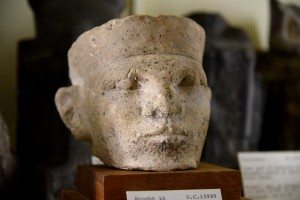
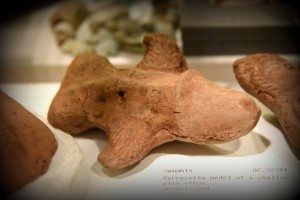
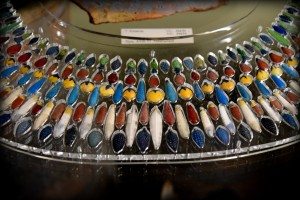
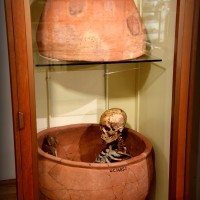
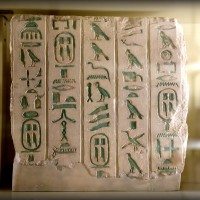
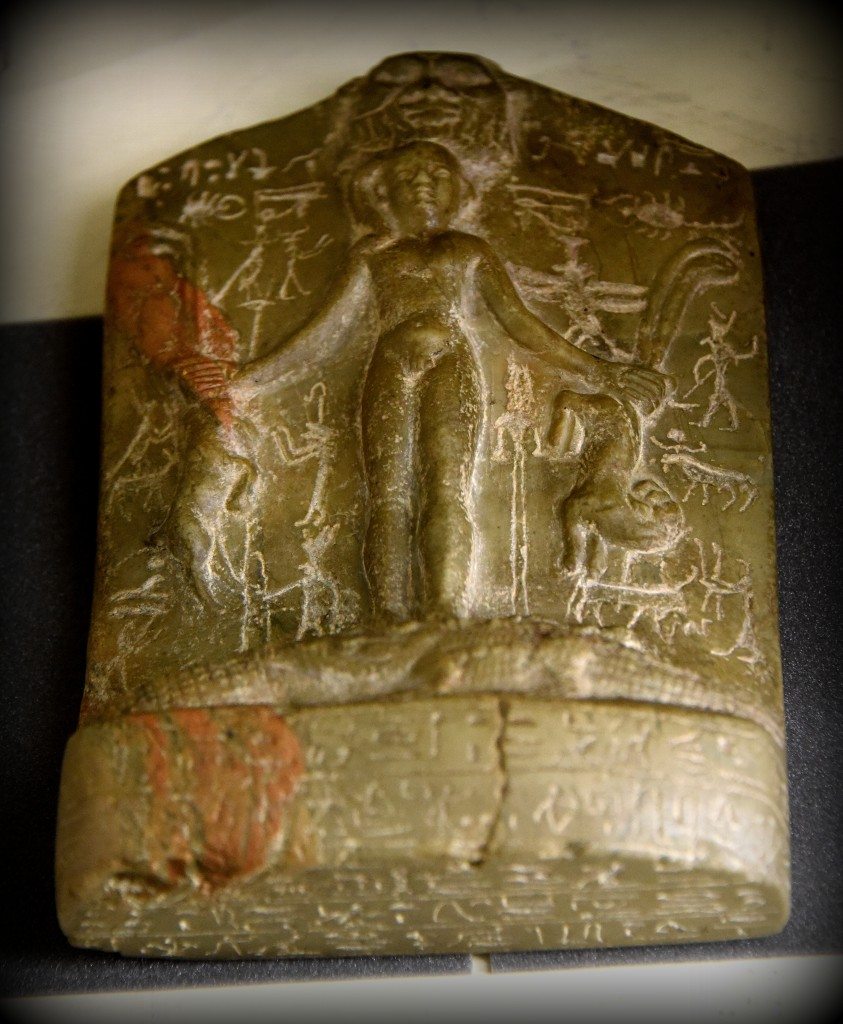
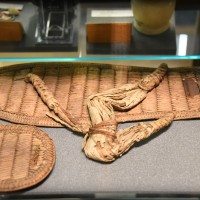
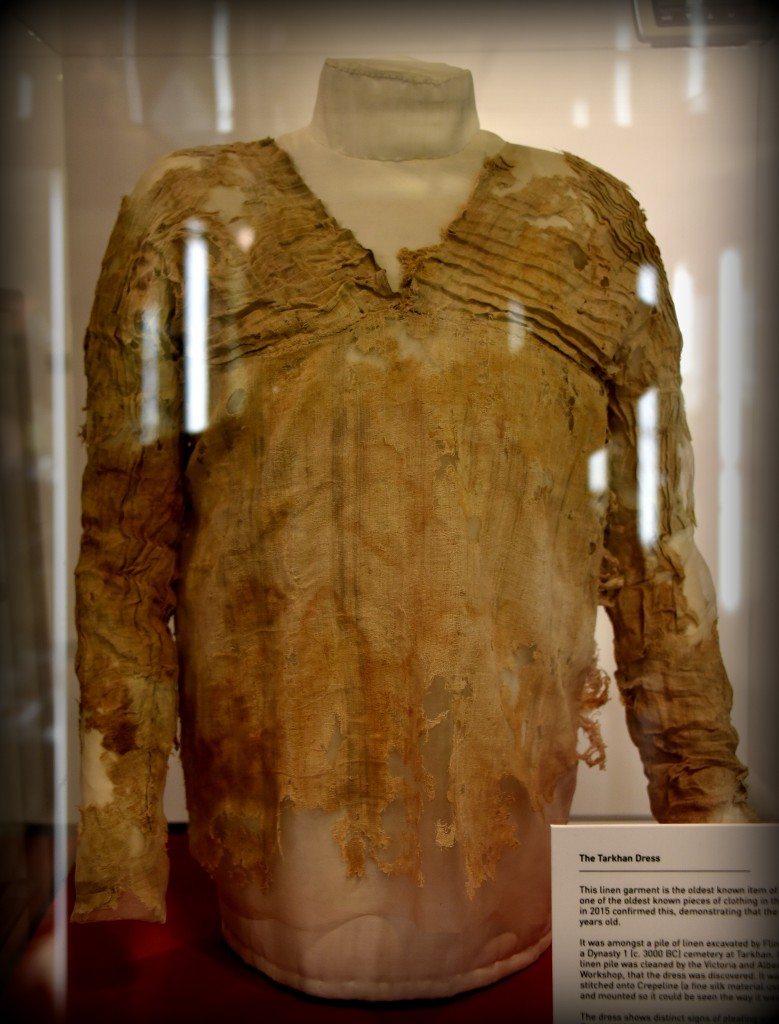
During my last visit to London, I resided in a hotel at Gower Street of Bloomsbury. By chance, I discovered a hidden gem within the heart of University College London while surfing Google. It was located just few minutes away from me: the Petrie Museum of Egyptian Archaeology. The Museum lies at Malet Place, hidden away from the main streets.
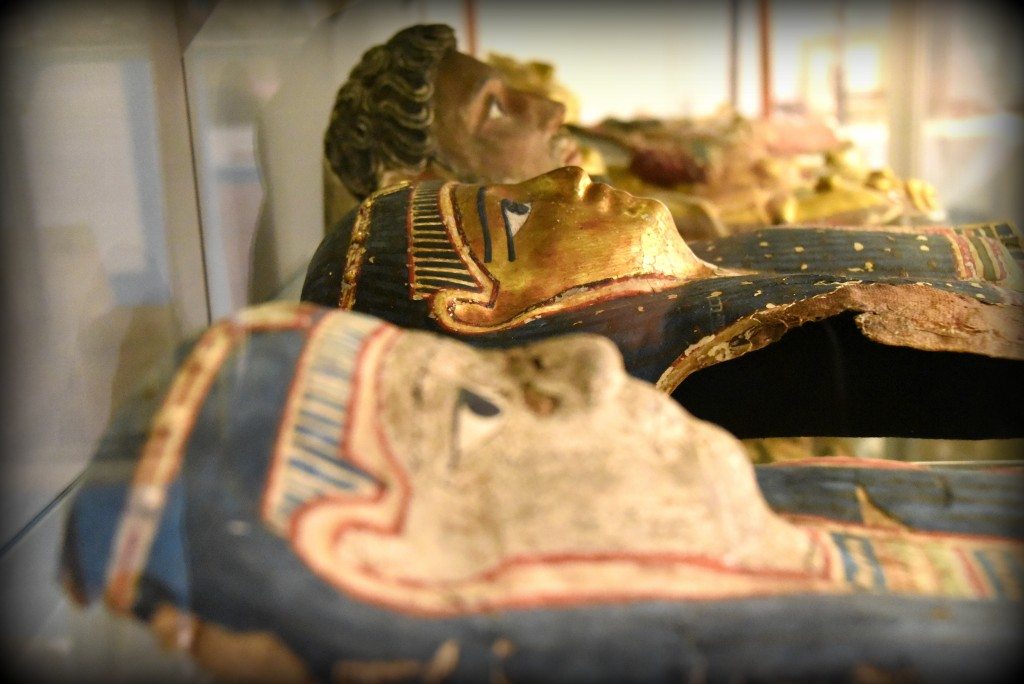
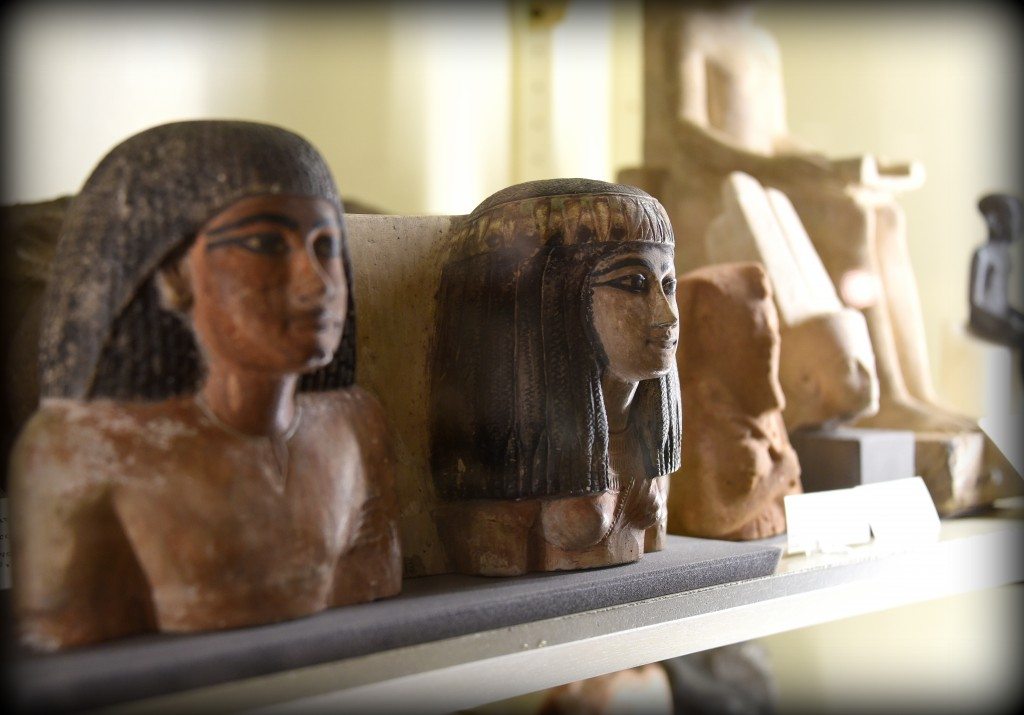
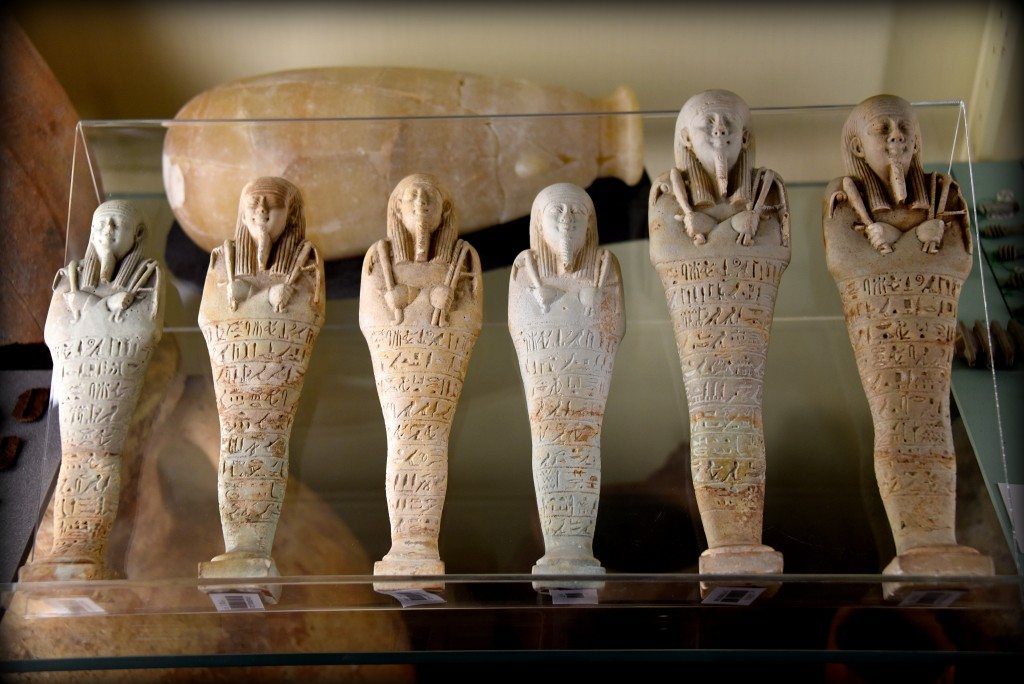
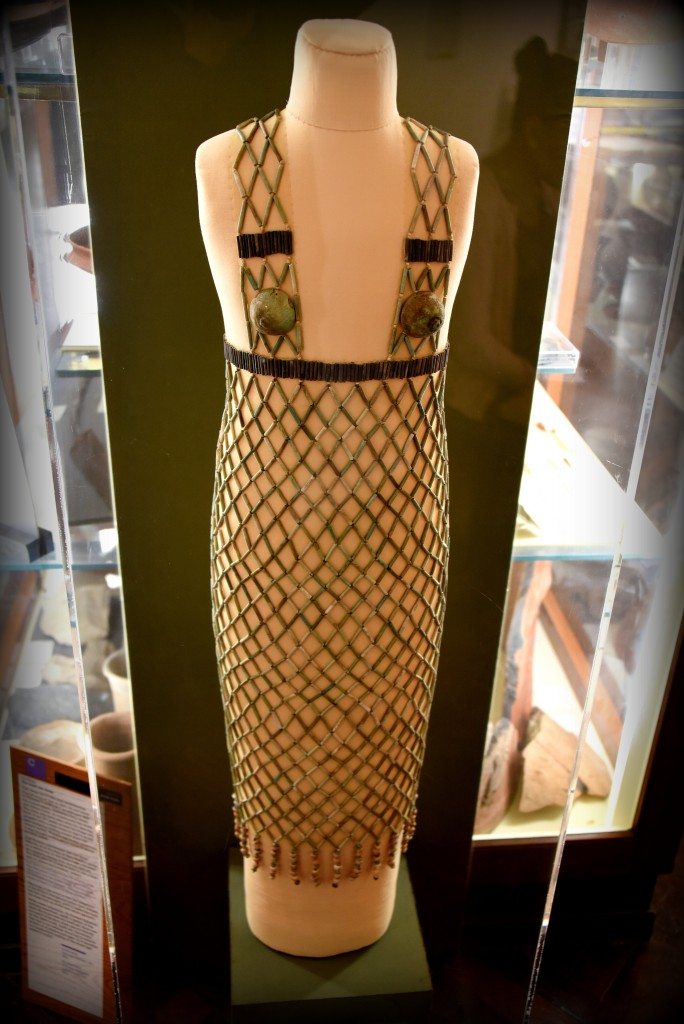
The Museum’s building and façade do not convey any message to the public that this is one of the most important museums in the world, housing more than 80,000 ancient Egyptian objects and artifacts! Actually, it ranks fourth, after the Cairo Museum, the British Museum, and the Egyptian Museum of Berlin in terms of the number of quality of ancient Egyptian objects. I emailed the Museum, requesting permission to take no-flash photos of the objects. Ms. Maria Ragan, the manager of the Museum, kindly replied and granted me permission. OK, let’s go!
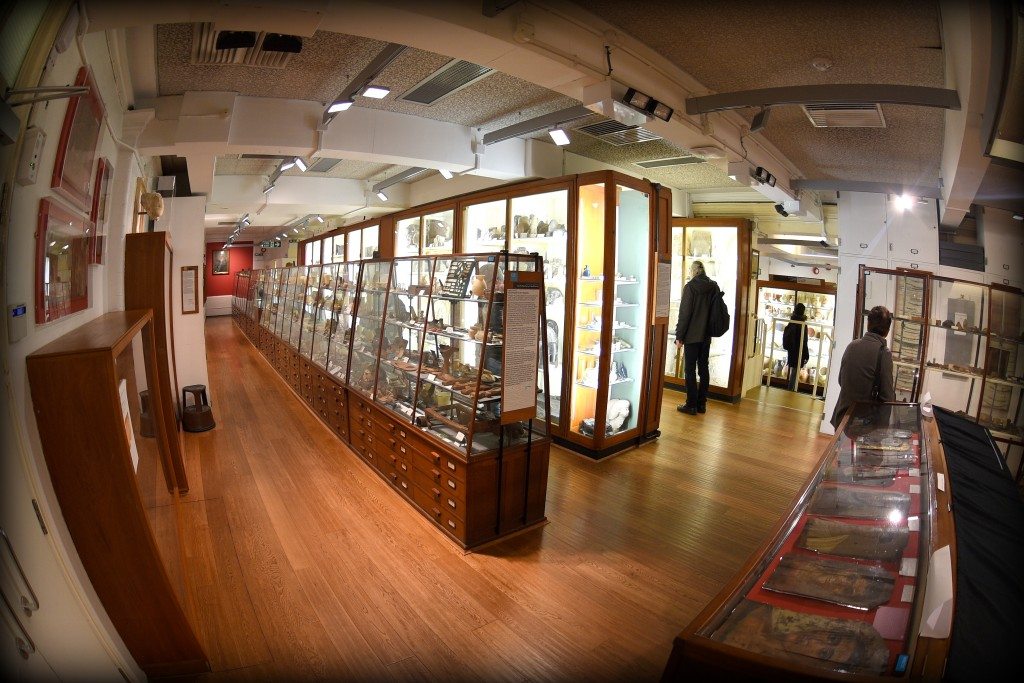
Once you ascend to the upper floor, you will face the information desk. The staff are very friendly, cooperative, and helpful. The information desk employee will give you information about the galleries of the Museum and how to proceed.
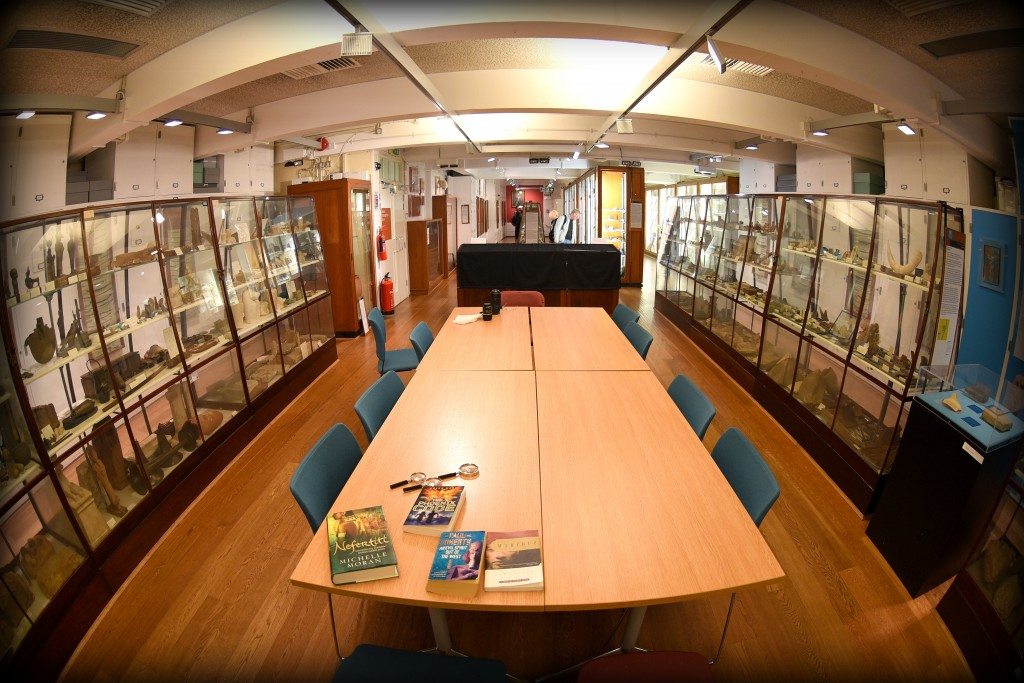
I really enjoyed the friendly environment of this “small” museum.
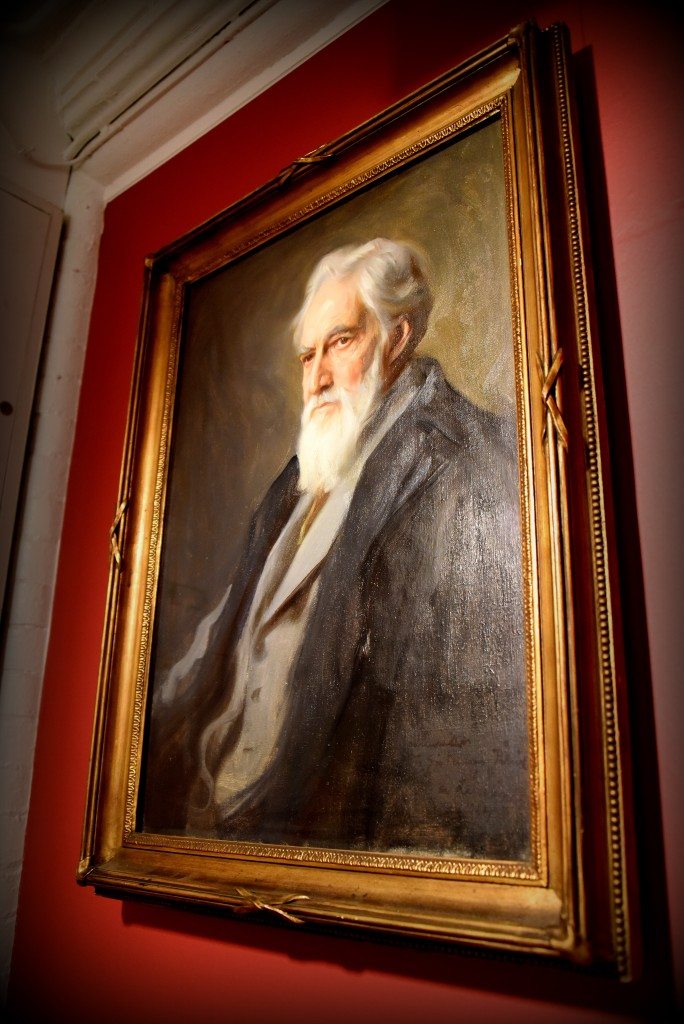
In the year 1892, the Department of Egyptian Archaeology and Philosophy was established at the University College London (UCL). Meanwhile, the museum was established as a teaching resource for that Department. The writer Amelia Edwards (1831-1892) left her legacy by donating a large number of Egyptian artifacts to the museum. Gradually, the museum’s content expanded enormously, thanks to the great work and effort of Professor William Flinders Petrie (1853-1942). Petrie excavated several important ancient Egyptian sites, such as Hawara, Amarna, and Meydum. In 1913, Petrie sold his personal collection of Egyptian artifacts to UCL. This had greatly expanded the museum’s content and made it one of the largest collection of Egyptian objects outside Egypt at that time. Gradually, the museum’s collections were arranged in galleries; however, it was not open to the public. Only students and academics were able to access the collections.
During World War II, the museum was evacuated and its contents were transferred to a safe place outside London. During the 1950s, the museum’s objects were transferred back and kept temporarily in a former stable building, where it remains today. The museum is open to the public from Tuesday to Saturday, 1 to 5 PM. Entrance is free.
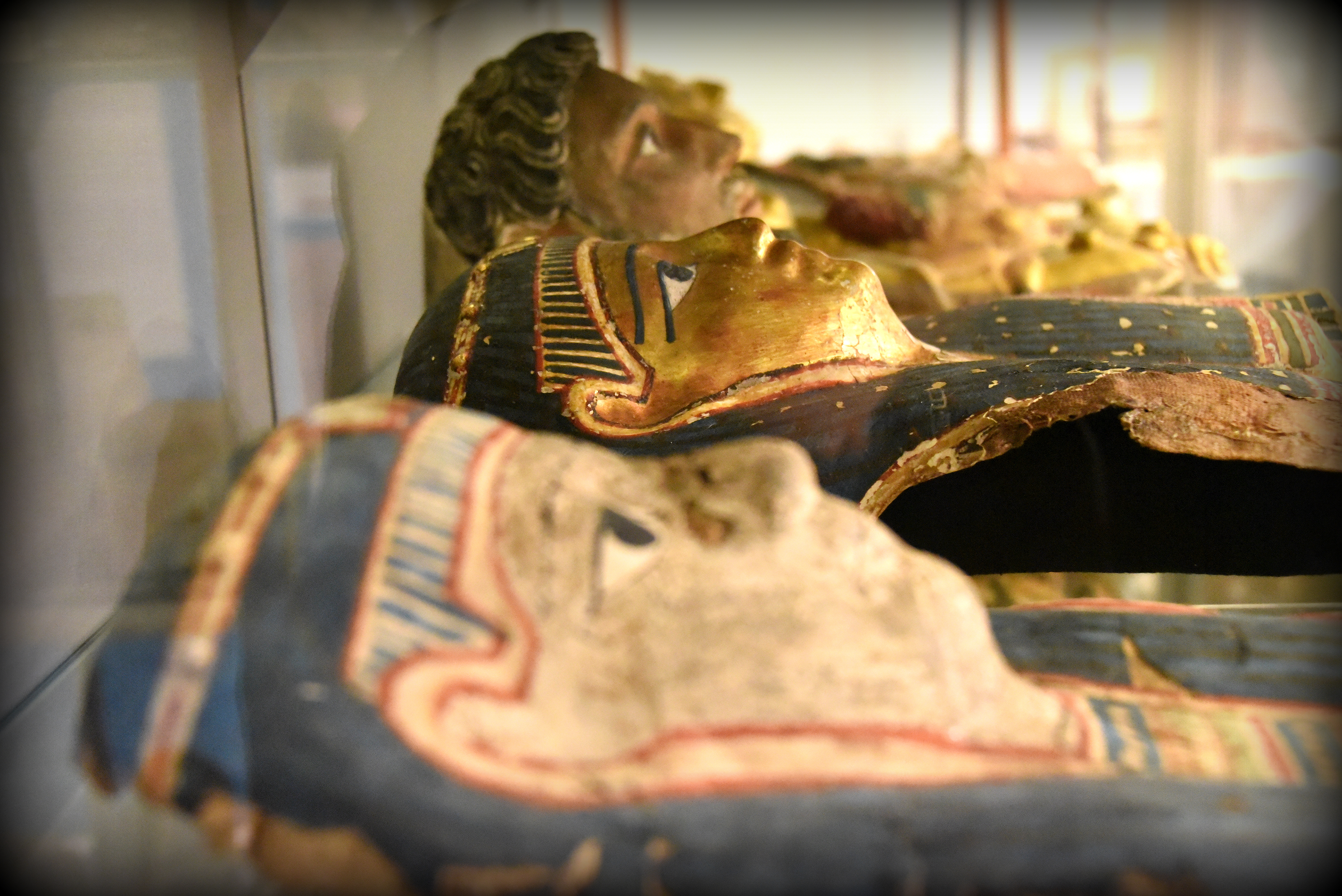
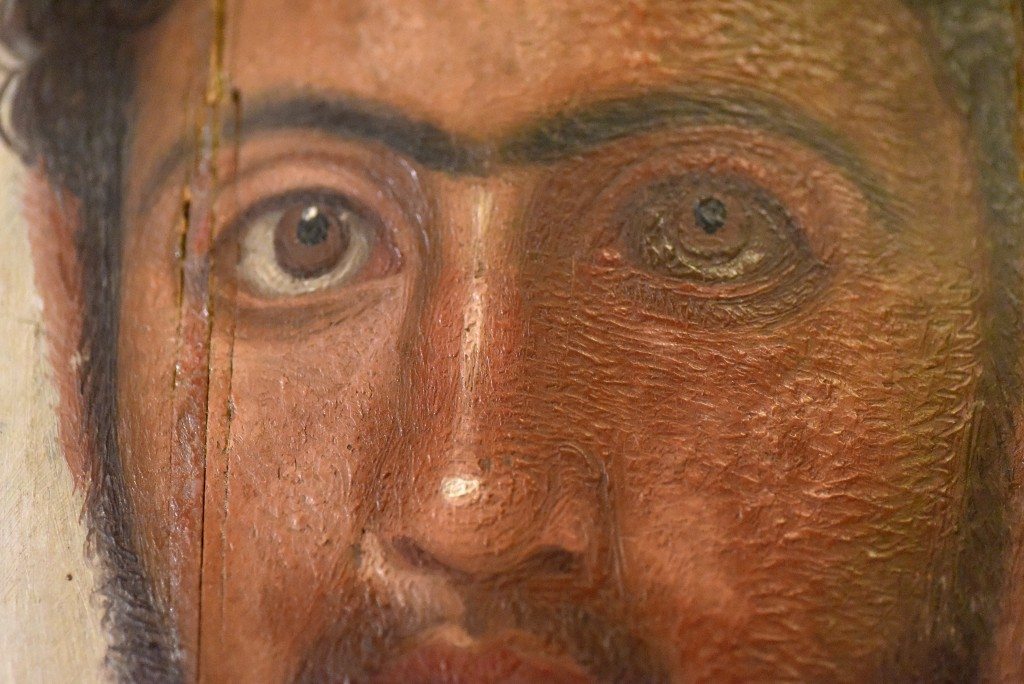
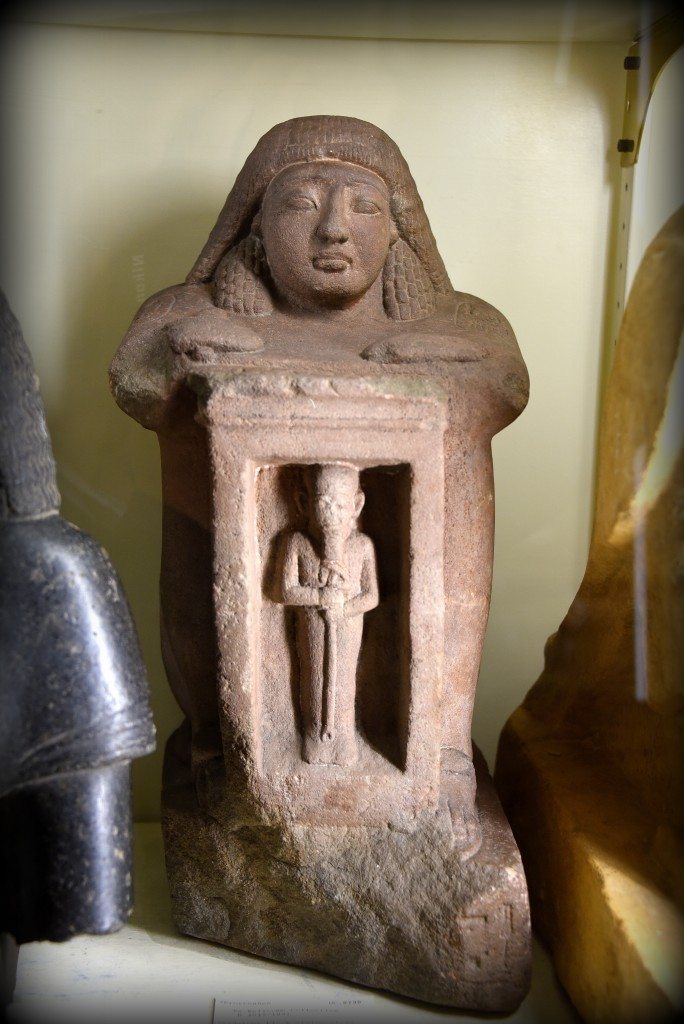
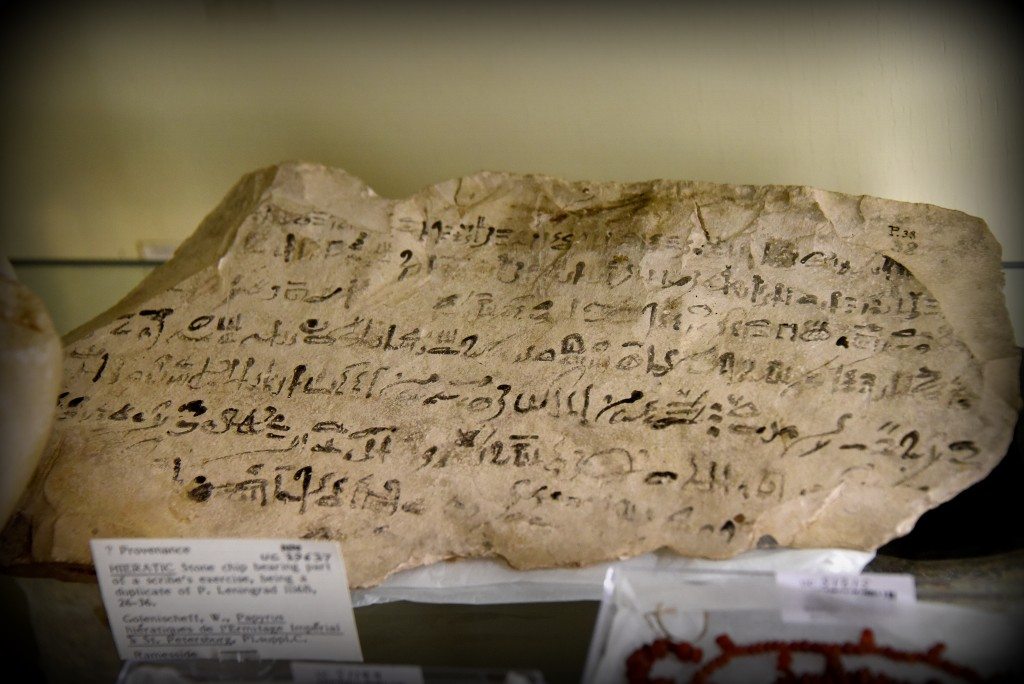
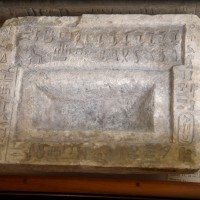
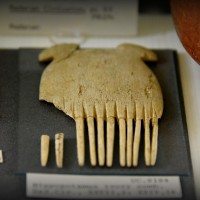
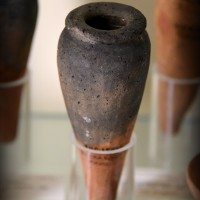
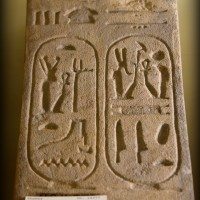
As I shot more than 10,000 photos over two days, I had difficulty choosing what pictures to post on this article. It is impossible to cover all of the wonderful objects of this museum within this article. However, I have posted a large number of the museum’s images on the Ancient History Encyclopedia website, as illustrations; for instance, you will find all of the collection of Hawara mummy portraits there. I really enjoyed the friendly environment of this “small” museum. If you are in London or are visiting London, don’t forget to visit the Petrie Museum of Egyptian Archaeology! It is just 10-15 minutes walking from the British Museum. You may also read “The Petrie Museum of Egyptian Archaeology, Characters and Collection” by Alice Stevenson; you can also download the book’s PDF for free from that link!
I sincerely thank all the staff and management of the Petrie Museum of Egyptian Archaeology; without their kind help and cooperation, this article would have not been published. A special gratitude goes to the late Professor Petrie. Without his enormous work and effort, the world would not have enjoyed seeing these ancient Egyptian artifacts.