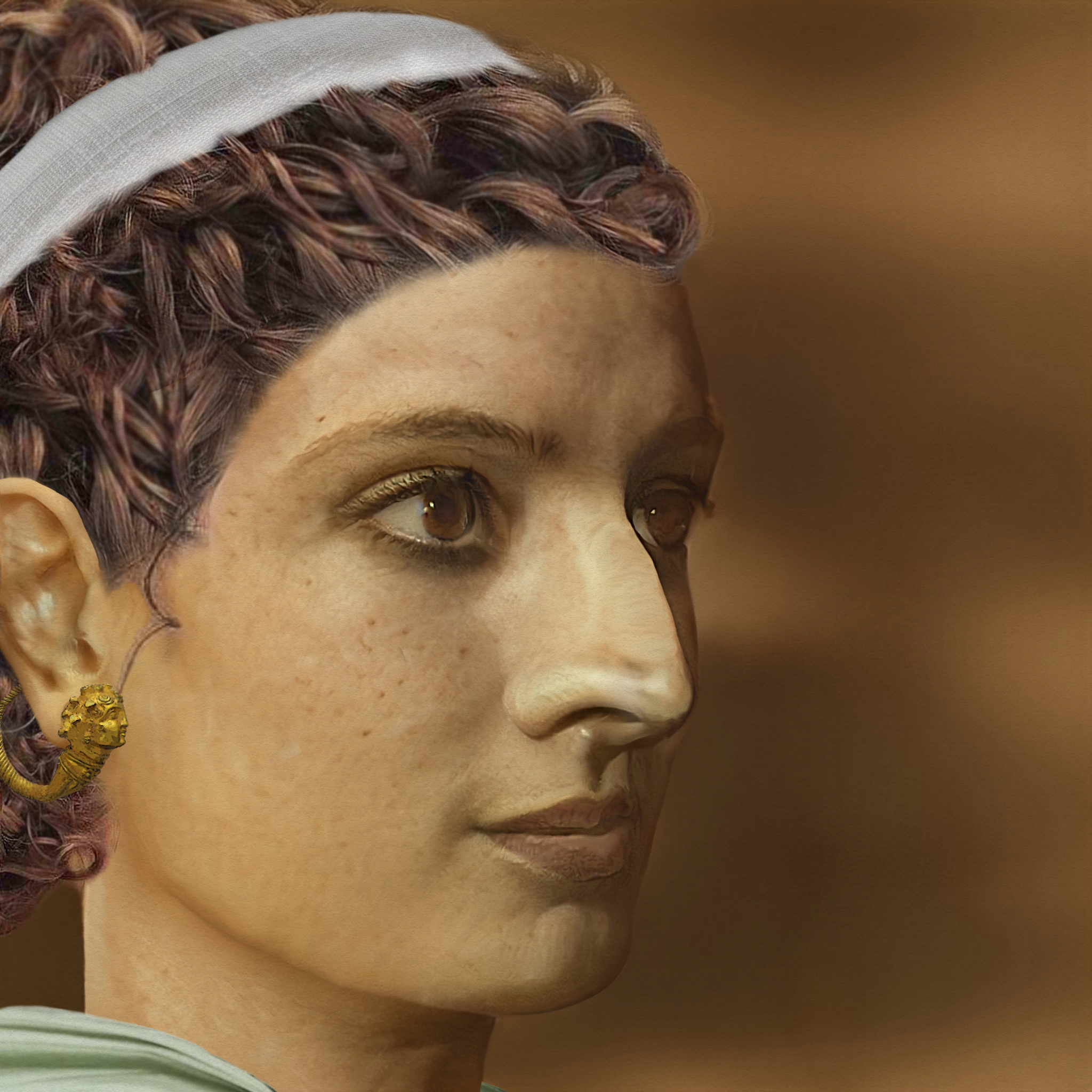
Cleopatra VII was the last ruler of Egypt before its annexation by Rome. Her romantic involvement with both Julius Caesar and Marc Antony, as well as her intelligence, political acumen, and supposed beauty, have captured the popular imagination for millennia. It is unsurprising then, that whenever World History Encyclopedia posts about Cleopatra on its social media channels, we see high engagement in the comment section.
Instead of fascination, most of the engagement stems from discussions about which nation may claim her as their own. Some Greek person will invariably comment: “She wasn’t actually Egyptian, she was Greek.” To that, a Macedonian person will claim that “she wasn’t Greek, she was Macedonian.” Consequently, both will be accused of colonialist attitudes by an Egyptian person. Let’s not even talk about the precise shade of her skin colour! In essence, these are discussions about who owns Cleopatra nowadays.
It’s Complicated
As always with things in history, it’s not that simple. Cleopatra was certainly of Macedonian Greek descent. She may or may not have had some Egyptian heritage (this is still debated by scholars), but she grew up with Koine Greek as her first language and was the very first Ptolemaic ruler to learn the Egyptian language. Ethnically and culturally, she certainly was rather Greek.
Nevertheless, she was head of state of Egypt and styled herself around an Egyptian pharaonic identity. She presented as Egyptian to the world, representing her country and its best interests. I would argue that in the undemocratic ancient times in question, the despotic monarch of a country is in fact the country. Could anyone be more representative of Egypt than its queen? If there were passports at the time, she certainly would have had an Egyptian one.
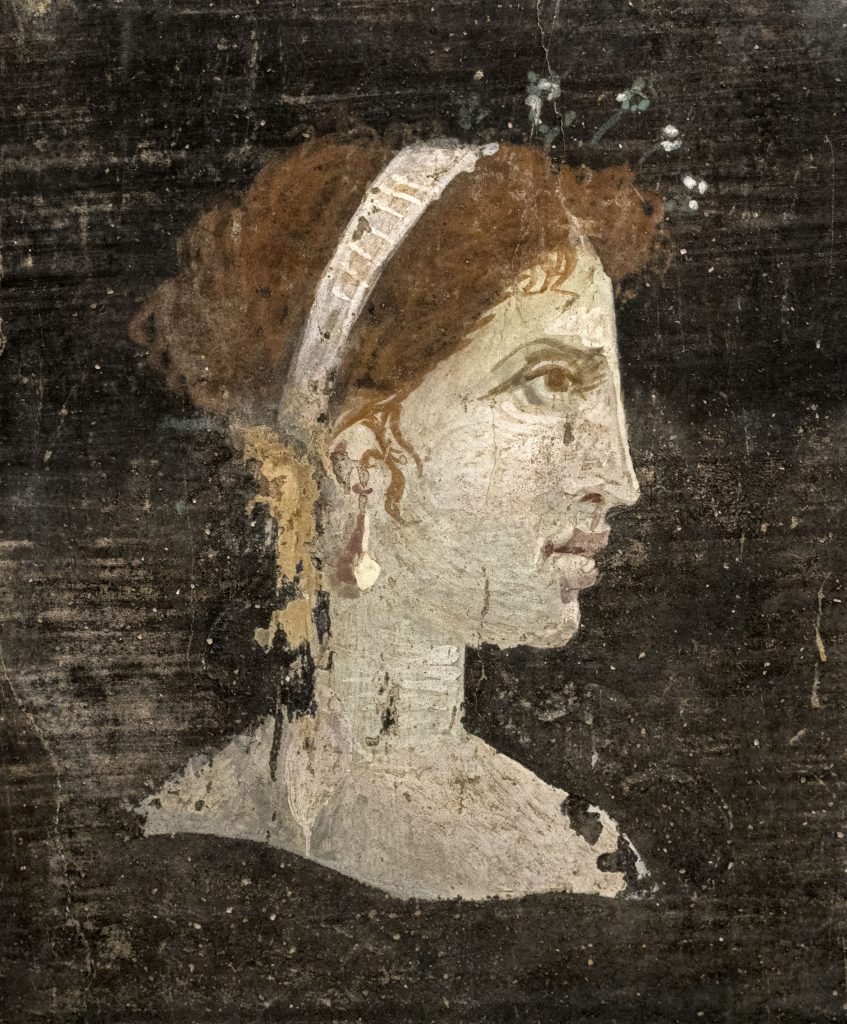
A posthumous portrait of Cleopatra VII. The portrait dates to the 1st century CE and was found at Herculaneum, preserved from the eruption of Mount Vesuvius. It is housed at the National Archaeological Museum of Naples.
Modern Comparisons
Saying that Cleopatra was not Egyptian is a bit like saying Donald Trump is not American but German with some Scottish ancestry mixed in. As this isn’t being said about the President of the United States, why should it apply to a long-dead queen?
A person can be more than one thing. People may have the passport of one country, identify culturally as being part of another, while having yet a different ethnic background.
Trump is undeniably American, but he has German roots – as Germany’s chancellor Friedrich Merz made clear during his state visit by presenting the president with a gold-framed facsimile of his grandfather’s birth certificate. Trump is the head of state of one country, with roots in two others.
Cleopatra’s Mixed Identity
Equally, Cleopatra was Egyptian, grew up in a culturally, ethnically and linguistically Greek family with roots in the ancient region of Macedonia (which straddles the border between the modern-day countries Greece and North Macedonia). None of these modern nations have exclusive ownership of Cleopatra. She is unfortunately no longer around to tell us how she would like to be identified, so here’s an idea: How about sharing?
We teach our children to share, to get along better with their peers. As adults, we all know that sharing is how we are able to cooperate and thrive together. Whether we discuss Cleopatra or any other historical personality, we should remember that.