All posts filed under: Uncategorized

The Art of Ancient Dion

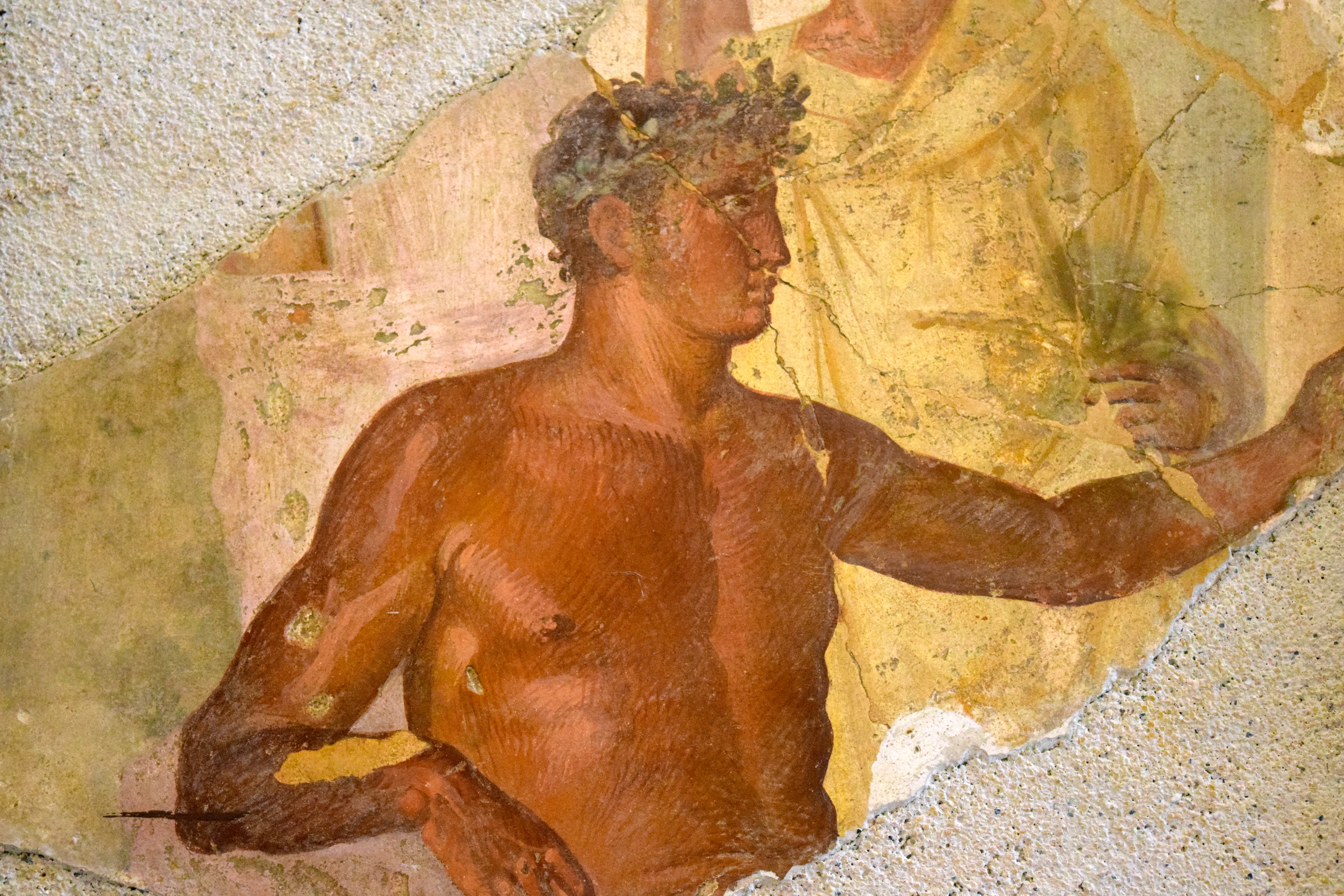
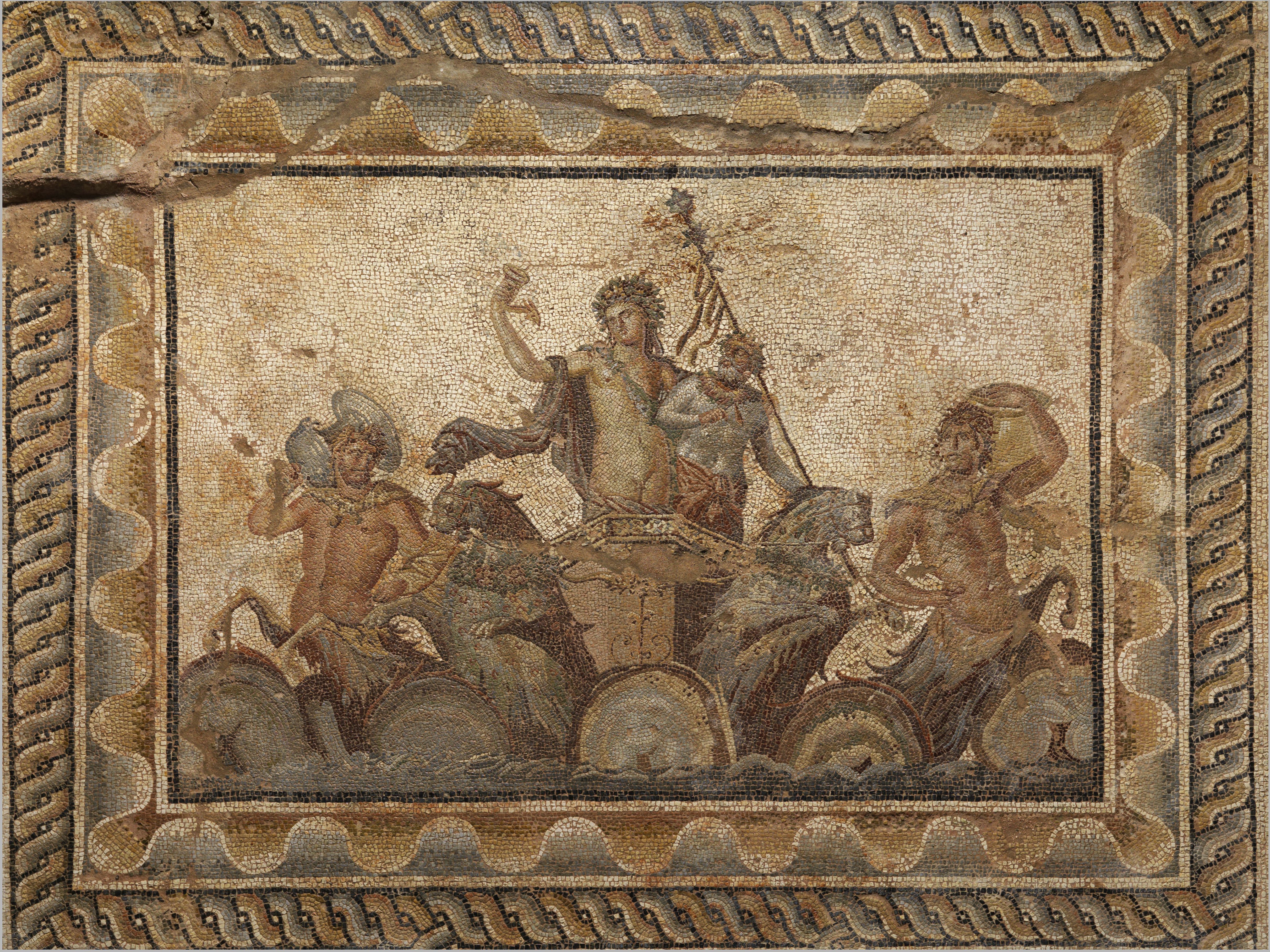
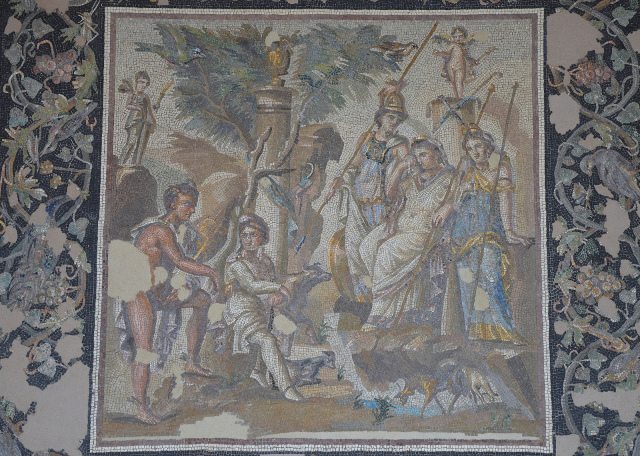
Enjoying a privileged and bucolic position on the eastern slopes of Mount Olympus, the ancient Greek city of Dion prospered for thousands of years as a sacred center for the cult of Zeus and as the gateway to Macedonia. Gods and Mortals at Olympus: Ancient Dion, City of Zeus, now on show at the Onassis Cultural Center in New York, N.Y., examines the development and trajectory of Dion, from a small rural settlement to a thriving Roman colony, through the presentation of remarkable archaeological artifacts not seen outside of Greece. In this exclusive interview, James Blake Wiener of Ancient History Encyclopedia speaks to Dr. Dimitrios Pandermalis about this exhibition and Dion’s importance in the wider Greco-Roman world.
The 115 AD Earthquake in Antioch

Exactly 1900 years ago¹, Hadrian survived a violent and devastating earthquake while wintering in Antioch during Trajan’s campaign in the east. Hadrian had been in Syria since January 114 AD as imperial legate (envoy to the emperor), and as such, had taken up residence in Antiochia ad Orontem (Antioch on the Orontes). The city served as headquarters for the Parthian wars. Trajan had returned from a campaign in Armenia when disaster struck in the morning of December 13th of 115 AD. The earthquake in the Orontes valley, of an estimated magnitude of 7.5 on the Moment Magnitude scale (MMS), almost totally destroyed Antioch, Daphne and four other ancient cities including Apamea. It was felt all over the near East and the Eastern Mediterranean up to Rhodos and triggered a tsunami that hit the harbour city of Caesarea Maritima in Judea. Antioch on the Orontes was one of the most important cities of the Graeco-roman period. It was founded in 300 BC by Seleucus I, one of Alexander the Great’s generals, and became the Seleucids’ capital …

Roman Glass from the Archaeological Museum of Pavia

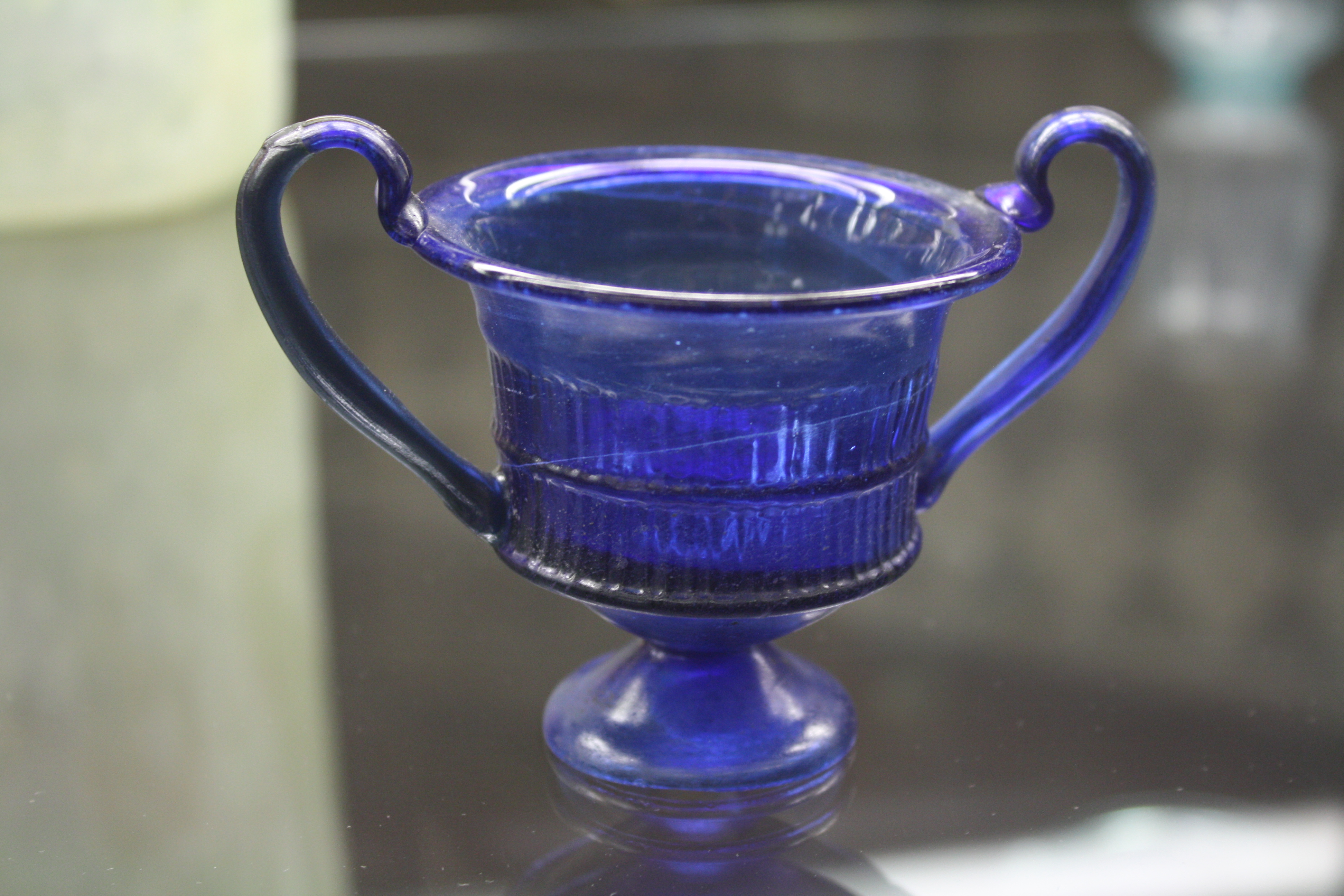
Roman glassware includes some of the finest pieces of art ever produced in antiquity and the very best were valued higher than wares made with precious metals. However, plain glass vessels such as cups, bowls, plates, and bottles were also used as everyday containers, in particular, for storing and serving food, drinks, and perfumes. The Romans also used glass for its decorative qualities and could be incorporated in mosaics and decorative panels in both walls and furniture. The material was also used for windows, to create jewellery, mirrors, game pieces, magnifying glasses, sculpture and, in the form of powder, even as a medicine and toothpaste. The sheer quantity of Roman glass would not be matched until the boom in Venetian glass in the 15th century CE. Below are some examples from the collection in the Archaeological Museum of the Museo Civico in Pavia, Italy. All images copyright of Mark Cartwright. These cups, bottles, and perfume containers all date to the 1st and 2nd century CE. Cups

May 2016 Museum Listings

Back by popular demand, Ancient History Encyclopedia will once again share news, on a monthly basis, about select museum exhibitions and events of interest to our global audience via AHetc. Exhibitions are arranged in alphabetical order by geographical location and region within this post: the Americas, United Kingdom, Europe/Middle East, and East Asia/Oceania. Here is a taste of what is on show at major museums around the world in May 2016:

Sicily: Culture and Conquest

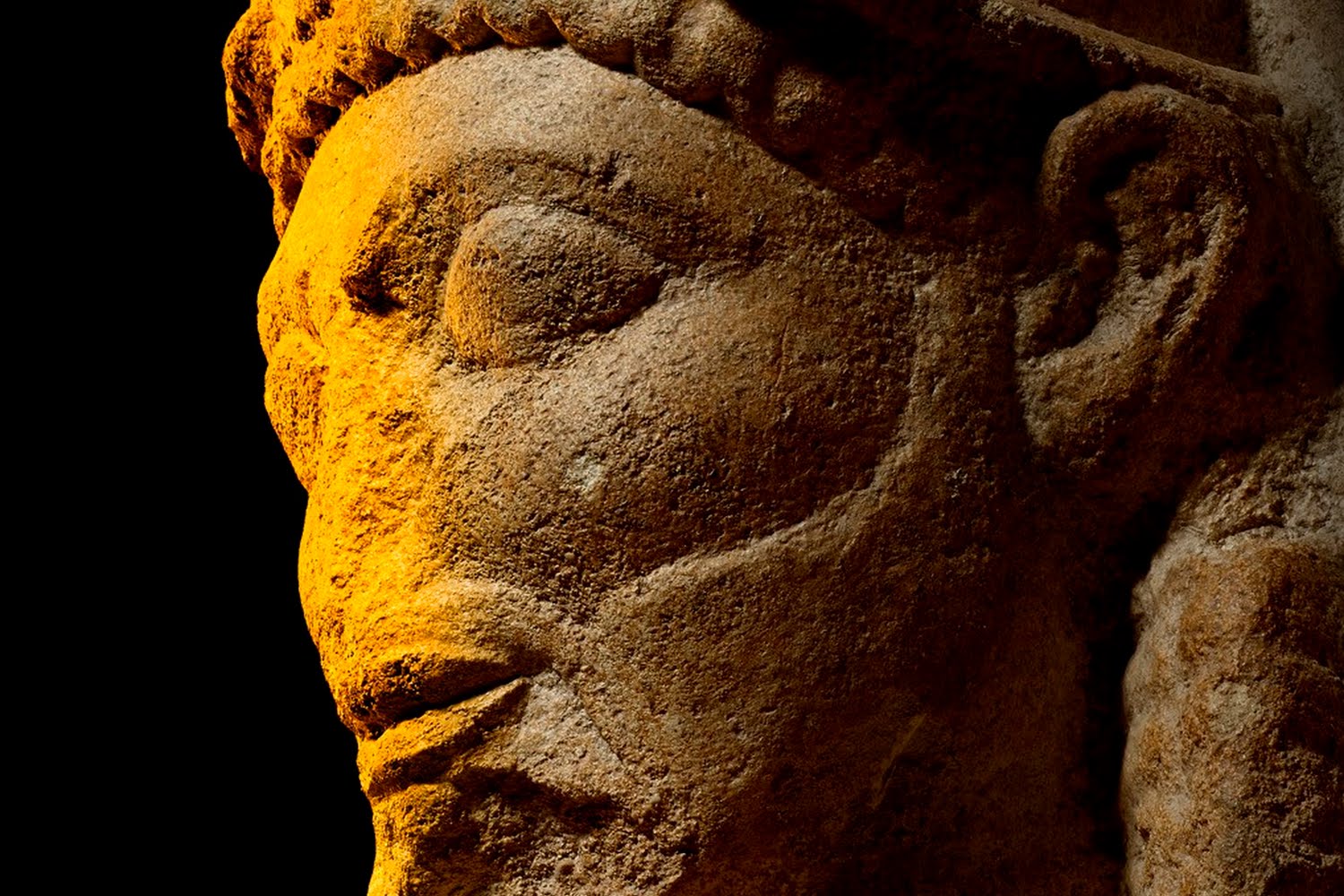
There I stood, the slopes of Mt. Etna rising before me, the glorious Sicilian coastline reflecting the brilliant blue sky. I hadn’t taken a trip to Sicily, but was rather at the British Museum’s latest exhibition, Sicily: Culture and Conquest, gazing into one of the many photographic vistas that adorn the walls. When I first entered the exhibit, two objects immediately caught my attention. On the left, a terracotta pot dating to 650-600 BCE. Its importance? It is the earliest known depiction of what is now the official symbol of Sicily, the triskelion (three legs in a circle). The influence of Greek culture on Sicily is still felt to this day it seems. The other object was a wonderfully ornate ivory casket. Made by Muslim craftsman, it bears a long Arabic supplication, but also Christian iconography (two haloed saints holding crosses). The casket was most likely made as a gift for the Cathedral of Bari, and demonstrates Norman Sicily’s multicultural exchange and religious co-existence. These two objects sum up the story of this exhibition, which …

Sumer: A Digital Board Game with an Ancient Twist

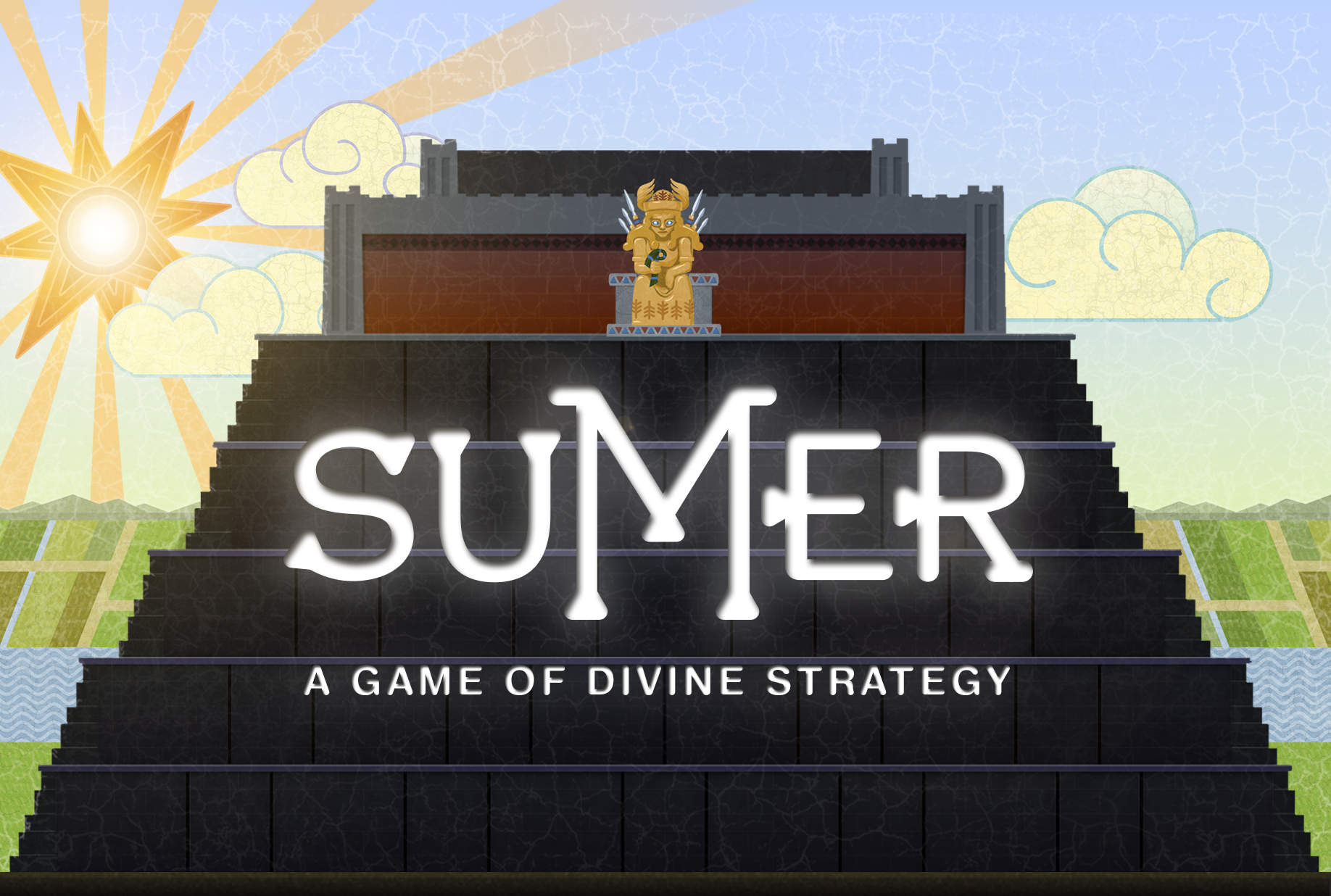
Sumer is a digital board game inspired by M.U.L.E. and the Epic of Gilgamesh. Race across the Ziggurat in ancient Sumer to harvest barley, herd goats, and sacrifice to the great goddess Inanna. Sumer draws on modern Eurogame design elements like worker placement, territory control, and auctions. Its unique innovation is to place these into an action video game. In this exclusive interview, Jan van der Crabben, CEO and Founder of Ancient History Encyclopedia (AHE), sat down with developers of Sumer at Game Developer’s Conference 2016 in San Francisco as they walk us through their accomplishments.

Egyptian Throne

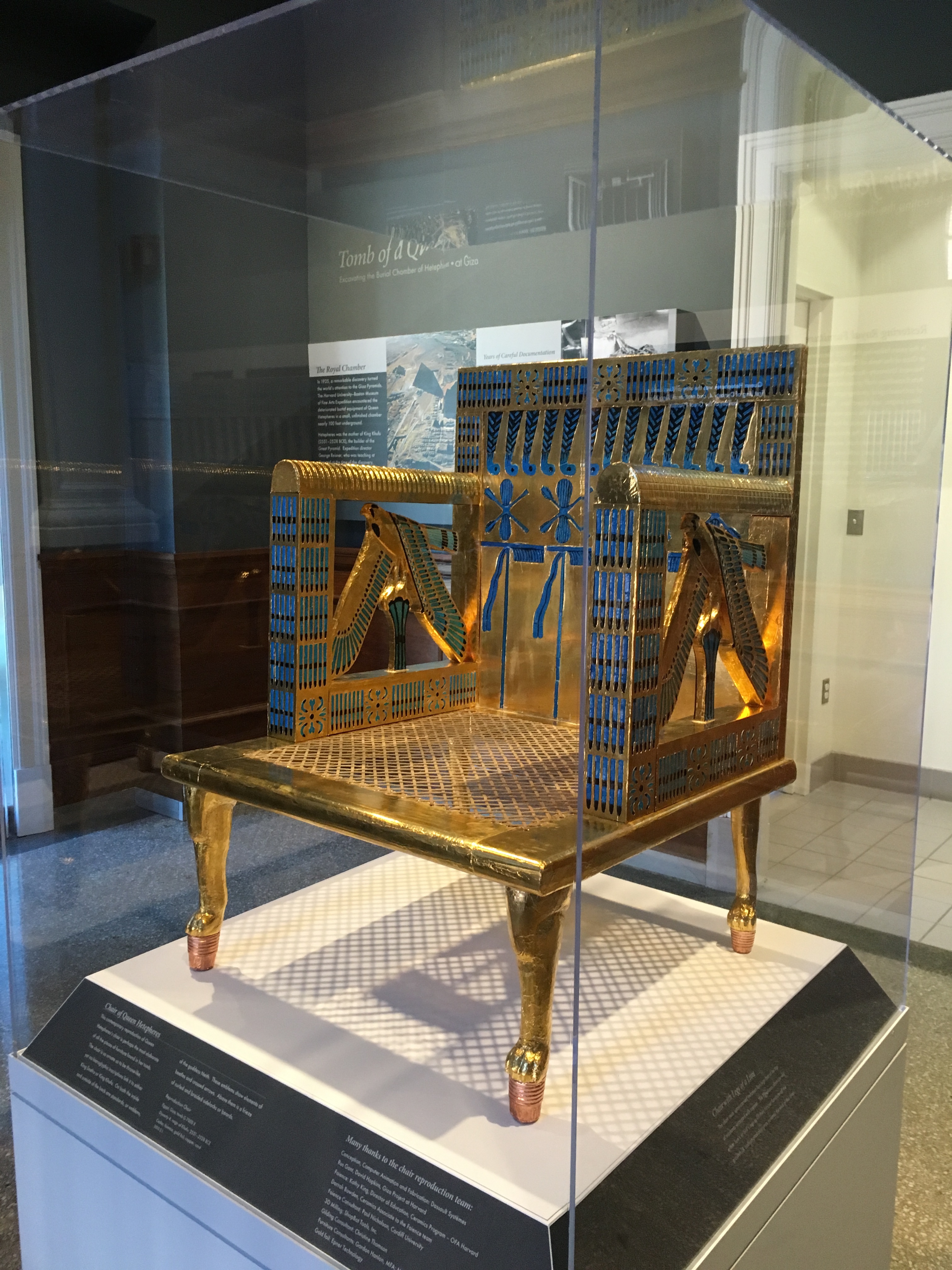
Recreating an Egyptian Throne Fit For a Queen

When you think of ancient civilizations, what comes to mind? Perhaps you imagine massive pyramids, majestic statues, or vast reliefs carved from stone. This is no coincidence – after all, they are what we see in both museums and ruins today. Stone and other materials such as bone are durable, allowing them to last to the present day and become embedded in the public consciousness at sites such as the Parthenon and the Roman Forum. But what about all of the objects that have been lost to time?

3D Scanning the Ancient World

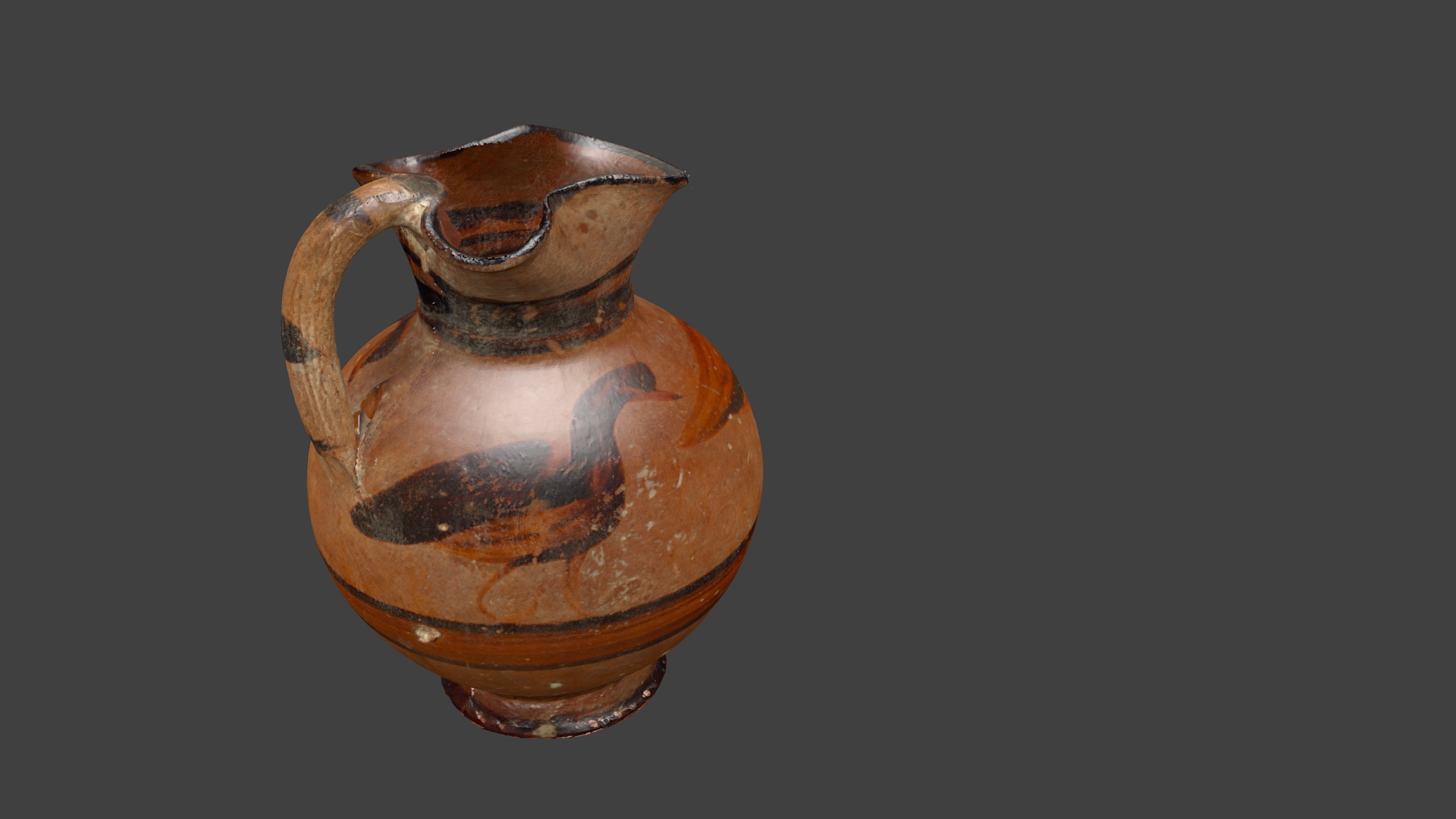
In recent years, there has been a flurry of new technologies emerging at a price which makes them (just about) affordable, notably 3D scanners and printers, and such technologies have attracted attention in the news of late for their employment in the digital recreation of artefacts and archaeological sites destroyed by IS. Indeed, 3D printing is a wonderful tool for bringing the past to life: Museum3D, for example, uses its 3D prints to engage museum visitors with low-vision and Alzheimer’s. However, as this post will show, 3D scanning is just as important to public history. There are many methods to creating a 3D model. One of the most popular methods for amateurs is photogrammetry, where all you need is a good camera and a modern computer. Thankfully, museums the world over have been engaging with such technologies, and have also been pretty generous in making their scans freely available: for example, the Smithsonian hosts some online via AutoDesk, while the British Museum has a collection freely available for download from Sketchfab, either to admire on a screen, or …

Visiting the Petrie Museum of Egyptian Archaeology, London

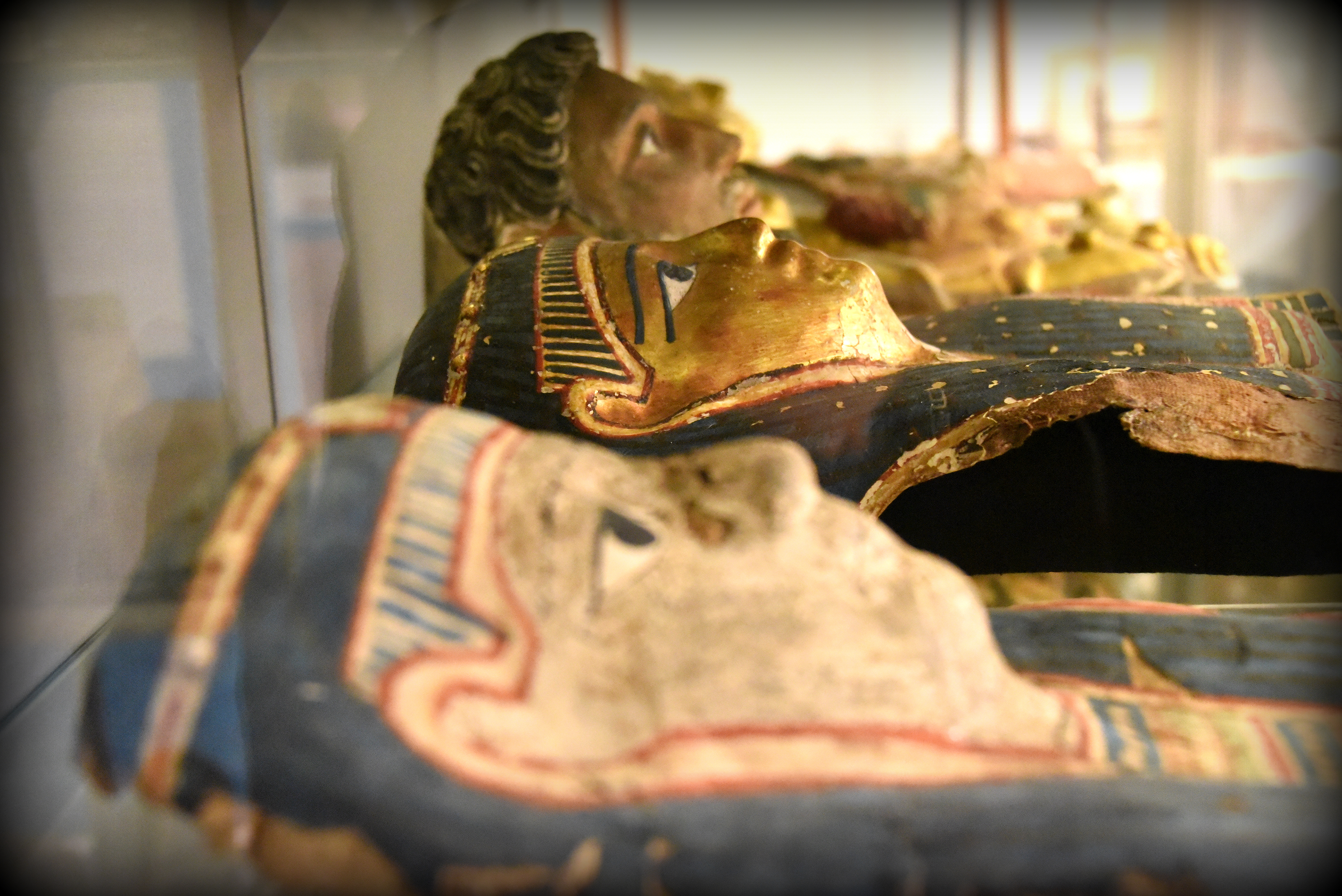
During my last visit to London, I resided in a hotel at Gower Street of Bloomsbury. By chance, I discovered a hidden gem within the heart of University College London while surfing Google. It was located just few minutes away from me: the Petrie Museum of Egyptian Archaeology. The Museum lies at Malet Place, hidden away from the main streets. The Museum’s building and façade do not convey any message to the public that this is one of the most important museums in the world, housing more than 80,000 ancient Egyptian objects and artifacts! Actually, it ranks fourth, after the Cairo Museum, the British Museum, and the Egyptian Museum of Berlin in terms of the number of quality of ancient Egyptian objects. I emailed the Museum, requesting permission to take no-flash photos of the objects. Ms. Maria Ragan, the manager of the Museum, kindly replied and granted me permission. OK, let’s go!