All posts filed under: Uncategorized

The Hellenistic World at the Metropolitan Museum of Art

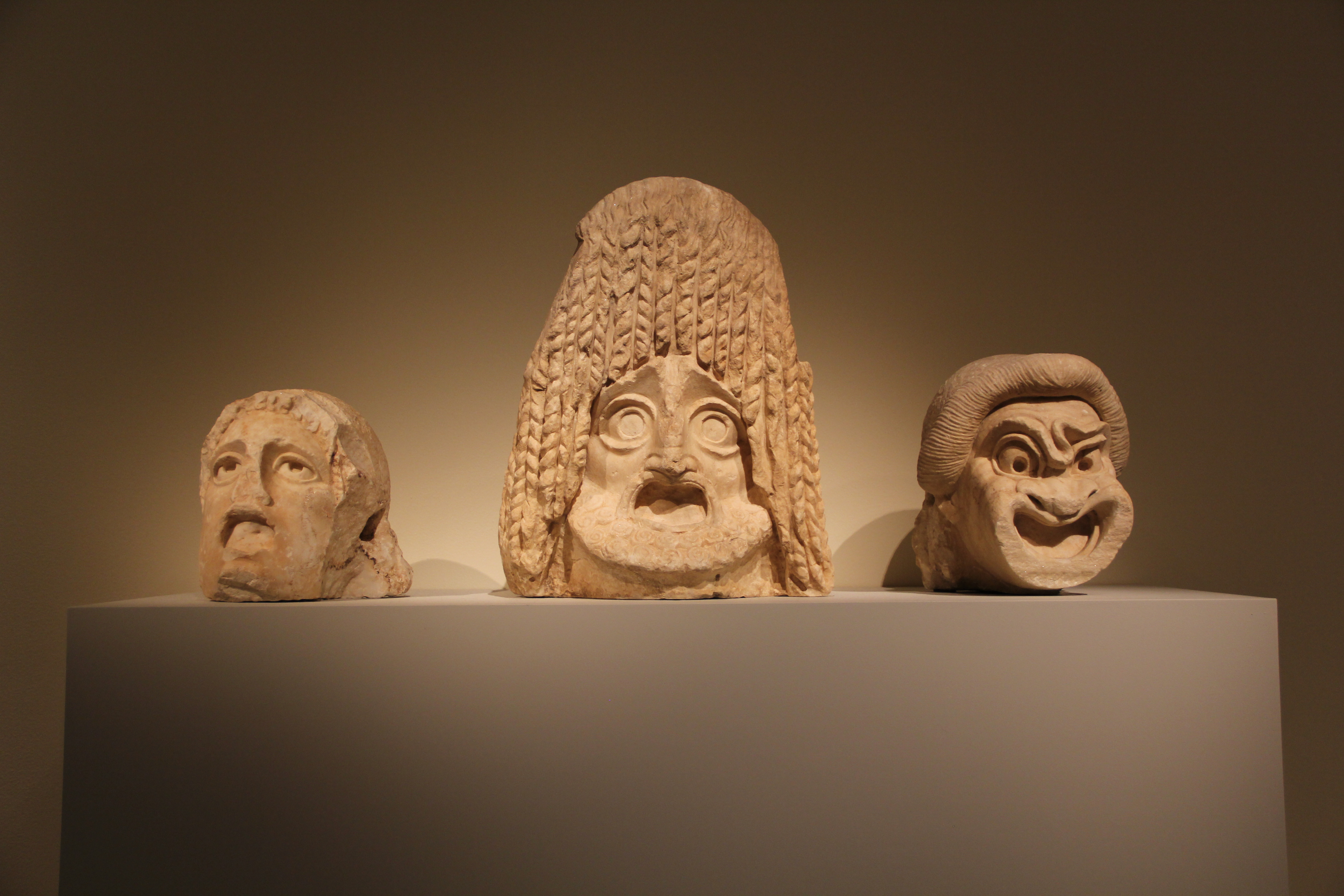
Stretching from the beaches of the Adriatic Sea to the banks of the Indus River, Alexander the Great’s empire was the largest the world had ever seen when he died in 323 BCE. His empire broke into several smaller kingdoms soon after, but his enduring legacy can be found in signs of Hellenistic cultural diffusion in ancient artifacts that survive today. The Metropolitan Museum of Art’s latest exhibition, Pergamon and the Hellenistic Kingdoms of the Ancient World, is a testament to this cultural interaction and the footprint Alexander left in history far beyond what his imagination could have conceived.
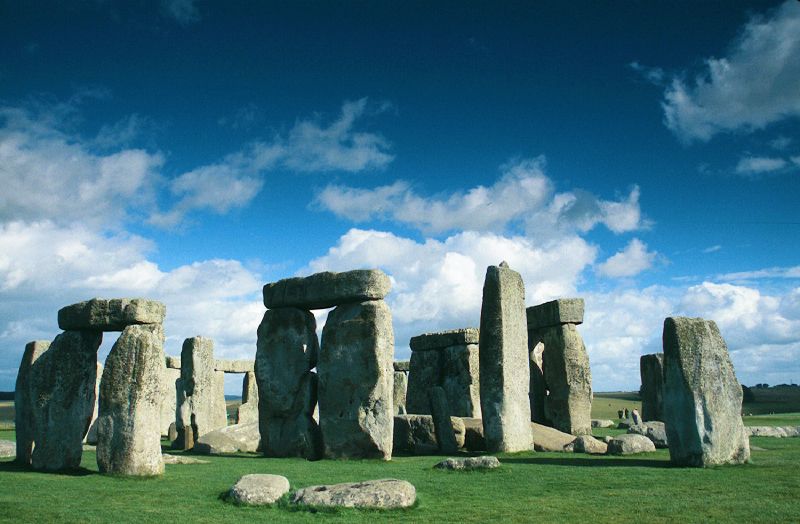
The Summer Solstice and its Celtic Traditions

In 2016, the Summer Solstice will be celebrated on the 20th of June in the Northern Hemisphere. The Summer Solstice occurs when the axial tilt of the earth is at its closest to the sun. It has more hours of daylight than any other time of the year, making it the longest day of the year. People across the world will mark the event in various ways. While different ancient cultures had different traditions, some of the most time-honoured and world-famous were those undertaken by the Celtic people. The Summer Solstice was one of eight sacred Celtic days where the Celts would take time to celebrate through a variety of customs. They used ‘Natural Time’ taking their lead from the Solstices and Equinoxes to determine the seasons. This is in contrast to the Gregorian calendar that has been adopted today.

The Grandeur of Roman Mosaics

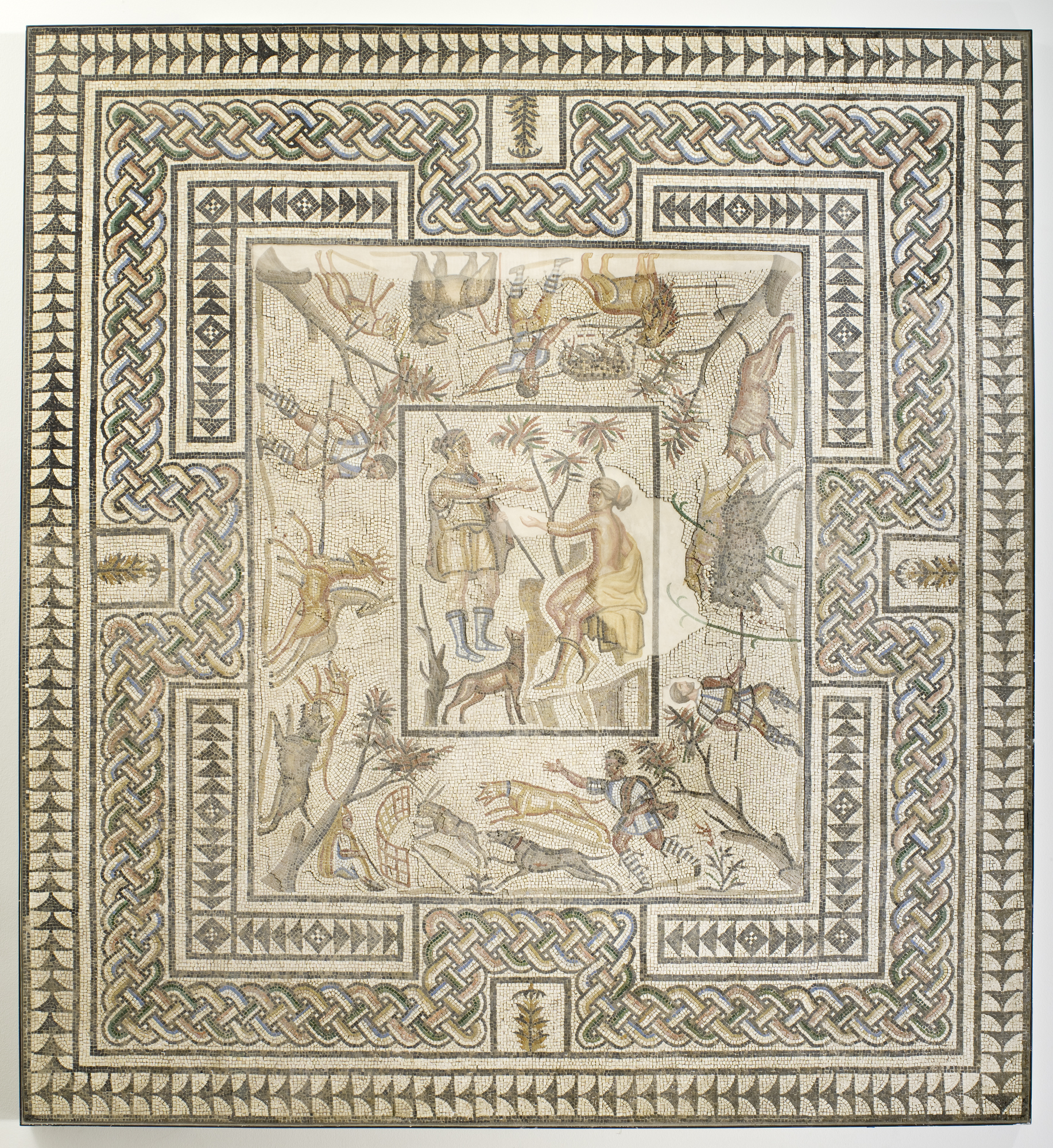
Roman mosaics decorated luxurious domestic and public buildings across the empire. Intricate patterns and figural compositions were created by setting tesserae — small pieces of stone or glass — into floors and walls. Scenes from mythology, daily life, nature, and spectacles in the arena enlivened interior spaces and reflected the cultural ambitions of wealthy patrons. Introduced by itinerant craftsmen, mosaic techniques and designs spread widely throughout Rome’s provinces, leading to the establishment of local workshops and a variety of regional styles. Drawn primarily from the Getty Museum’s collection, Roman Mosaics across the Empire  at the Getty Villa in Los Angeles, California, presents the artistry of mosaics as well as the contexts of their discovery across Rome’s ever growing empire — from its center in Italy to provinces in North Africa, southern France, and ancient Syria. In this exclusive interview, James Blake Wiener of Ancient History Encyclopedia speaks to Dr. Alexis Belis, assistant curator in the Department of Antiquities at the J. Paul Getty Museum, about the various kinds of mosaics found within the former Roman …

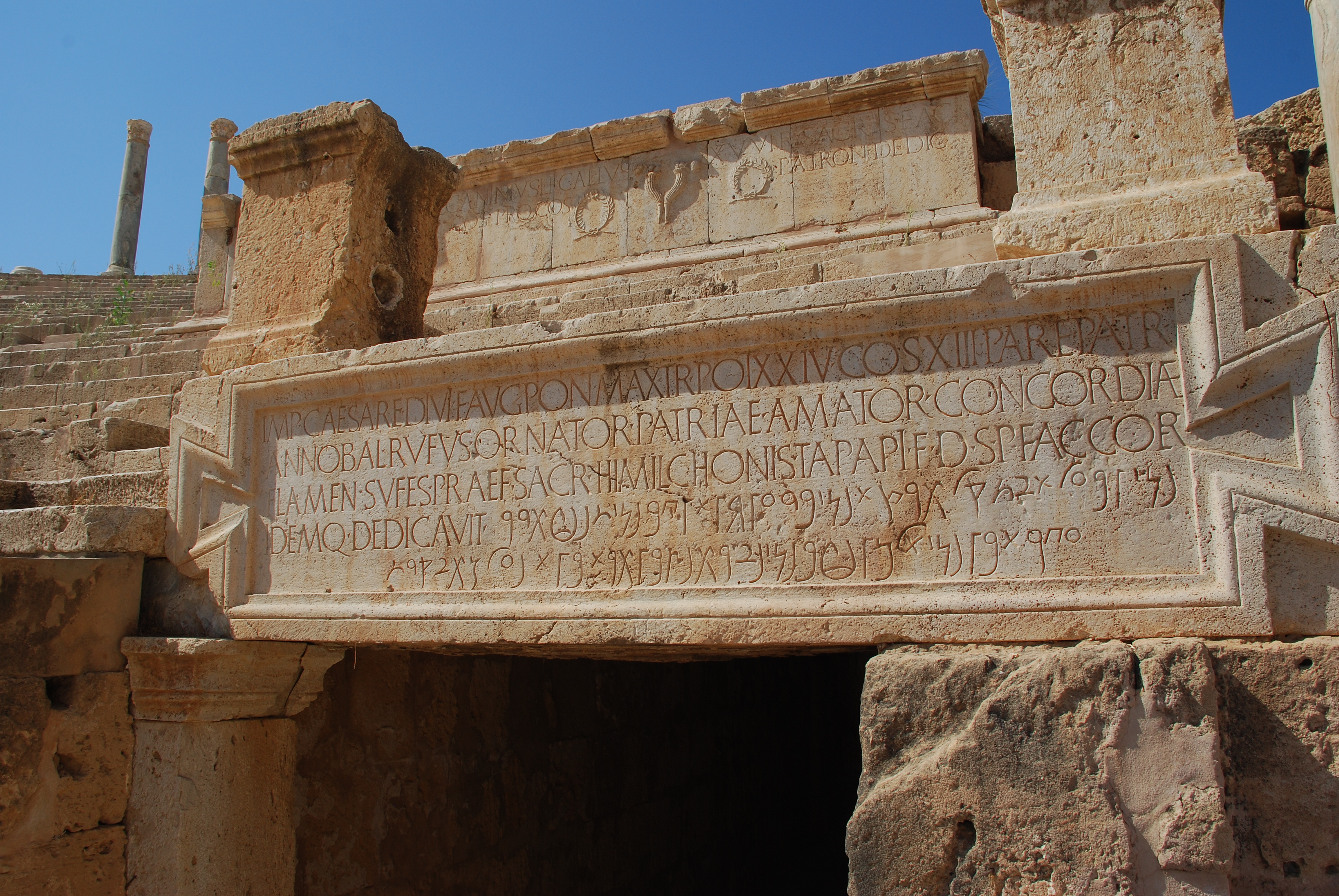
Inscription Theatre Leptis Magna Libya. By Papageizichta. https://upload.wikimedia.org/wikipedia/commons/2/2c/Inscription_Theatre_Leptis_Magna_Libya.JPG

How Many Lives Could an Inscription Live?

Thanks to our partnership agreement with the EAGLE Portal, Ancient History Encyclopedia (AHE) will be republishing select EAGLE stories, on a periodic basis, which illuminate special topics pertaining everyday life and culture in ancient Rome. We hope that you enjoy these ancient vignettes, and we also encourage you to explore EAGLE’s massive epigraphic database. When we think of ancient inscriptions we instinctively associate them with the idea of a message engraved in stone meant to be delivered to eternity. In theory, it was so also in the mind of the ancient Romans, but, as we know, theory does not always match practice: evidences from the whole of the Roman empire show that inscriptions suffered in antiquity a surprisingly high mortality rate, in some instances even higher than that of the Romans themselves.

Sword of Oss

Rijksmuseum van Oudheden

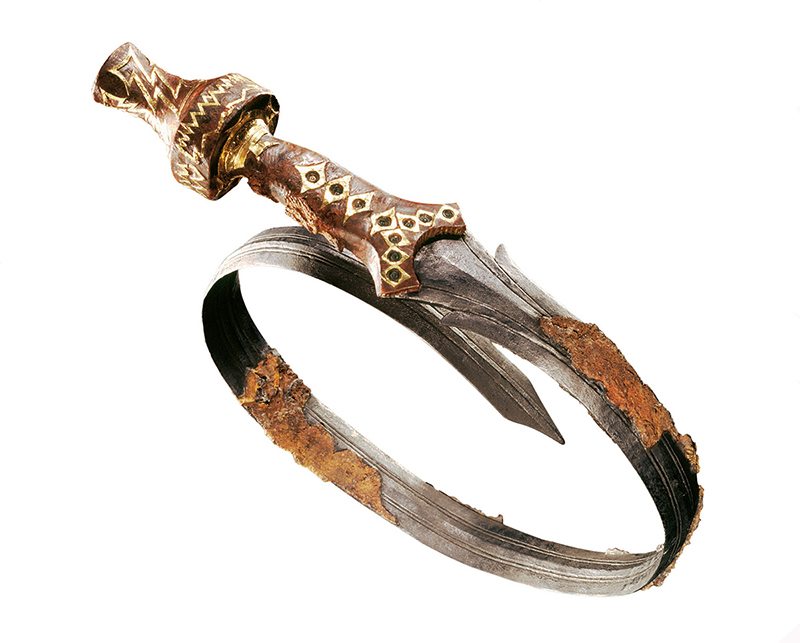
Leiden, Netherlands is not exactly the first place that comes into mind when you think about ancient history. Even if you are in the city, you would most likely walk past the Rijksmuseum van Oudheden (National Museum of Antiquities) without noticing it. Hidden in an unremarkable building in the historic city center, it’s nothing like entering the magnificent building of the Louvre or the British Museum. Yet, judging the book by its cover would be a huge mistake. Once inside, right in the middle of the entrance hall, you are greeted with an actual Egyptian temple, built c. 2000 years ago, originally dedicated to Isis and later used as a Christian church, transported to the museum stone by stone from Taffeh, Egypt.

June 2016 Museum Listings

Back by popular demand, Ancient History Encyclopedia will once again share news, on a monthly basis, about select museum exhibitions and events of interest to our global audience via AHetc. Exhibitions are arranged in alphabetical order by geographical location and region within this post: the Americas, United Kingdom, Europe/Middle East, and East Asia/Oceania. Here is a taste of what is on show at major museums around the world in June 2016:

Crossing the Rubicon

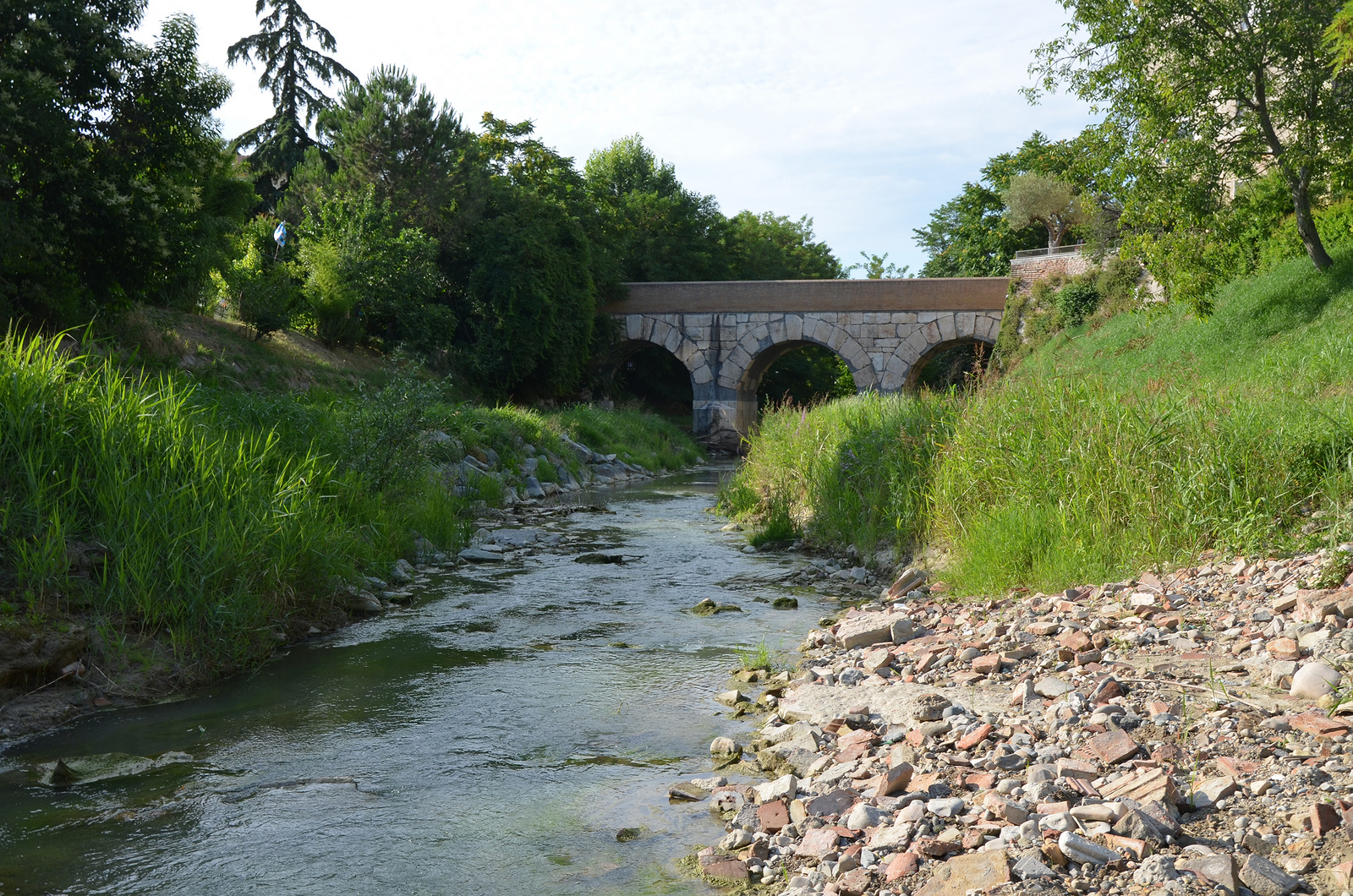
On 10th January in 49 BC, Julius Caesar and his troops famously crossed the Rubicon, the river marking the boundary between the province of Cisalpine Gaul and Italy. Taking the 13th Legion over this forbidden frontier constituted an act of treason and triggered civil war in Rome. According to the historian Suetonius, Caesar uttered the famous phrase ālea iacta est (“the die is cast”).

Destinations Rich in History and Culture

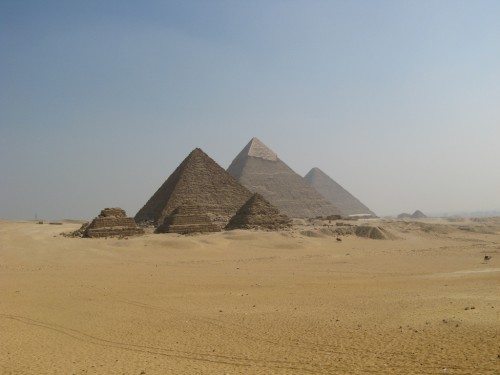
The world contains numerous cultures, traditions, cuisines and languages that make excellent destinations for any history buff.  The featured countries’ rich history and heritage evoke images of the days gone by and lure hundreds of tourists to taste their interesting cultures. Get a Taste of Italian Culture Known for its rich art and architecture, Italy has inspired the architecture of many Western nations. Be it Michelangelo’s statue of David or Leonardo da Vinci’s eternal portrait of the Mona Lisa, these artworks are beyond excellence and people from across the world still stand in large queues to glimpse these masterpieces. Some of the world’s famous structures like the Leaning Tower of Pisa, Colosseum and Sistine Chapel call Italy their home. It’s not just the art and architecture that attracts thousands of tourists to this beautiful country — it’s also a love for traditional Italian music and dance. Hordes of music lovers, singers, and musicians gather from different corners of the world to be part of country’s rich heritage. You will be amazed to know that today’s world-famous opera has …

Paleolithic Caves in Iraqi Kurdistan

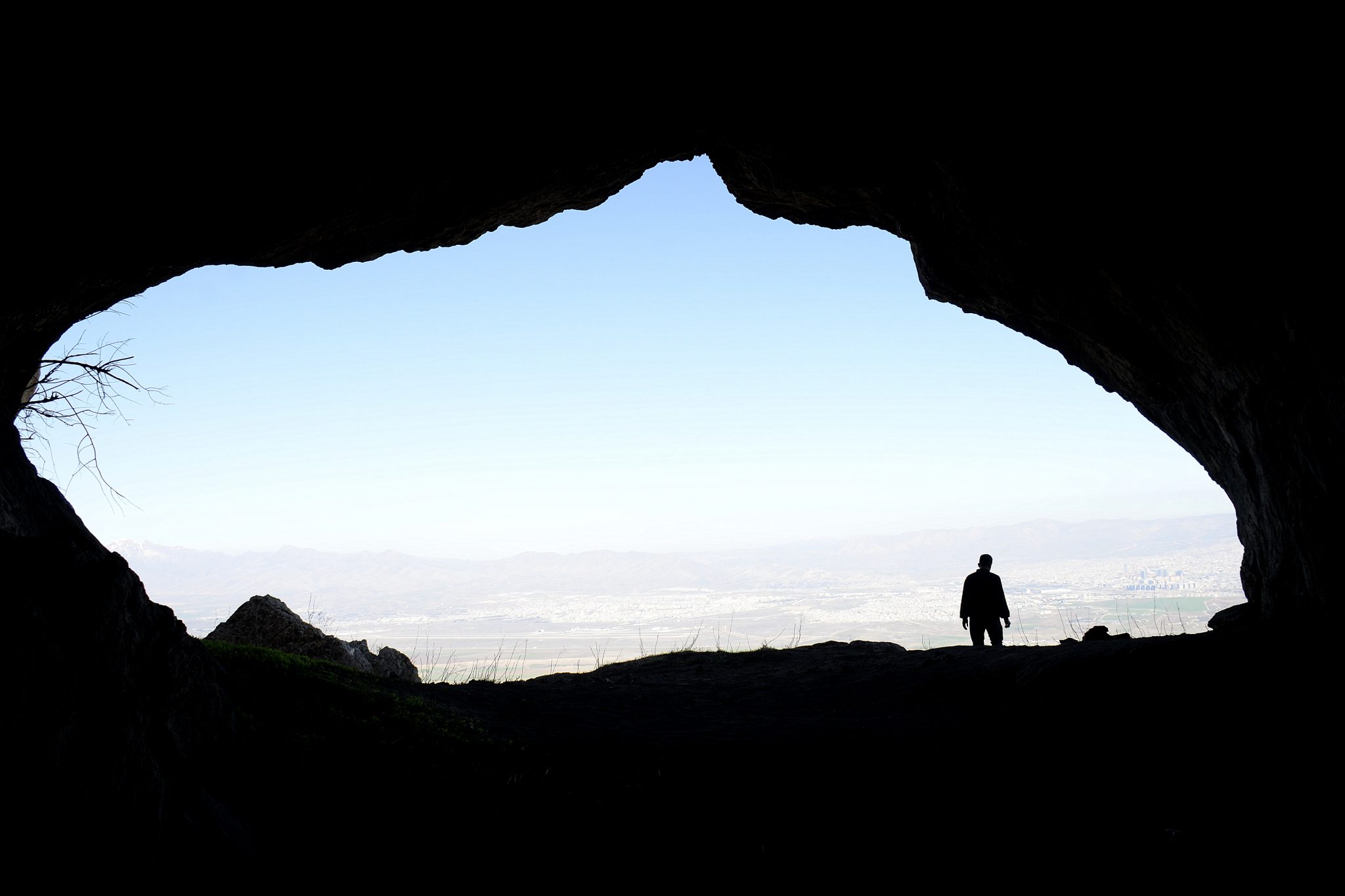
There are two Paleolithic caves in Iraqi Kurdistan (the northeast area of the Republic of Iraq): Hazar Merd and Shanidar. Iraq, the cradle of civilization, has become a dangerous destination for tourists. Instead of discussing their deep archaeological details, I will you take on a cyber-tour to see these caves. Hazar Merd Group of Caves Hazar Merd Cave (Kurdish: هه زار ميرد ; Arabic: هزار مرد) is located in the area where I live. Each and every day, when I go to work at 8 AM, I see the mountain which houses the cave. It is located within the Governorate of Sulaymaniyah. It lies 13 km (35°29’39.22″N;  45°18’37.66″E) to the west of modern-day Sulaymaniyah city, Kurdistan Region, Iraq. It is not a single cave, but rather a collection of adjacent caves of various sizes within a cliff of a small mountain. The usual destination for tourists is two caves; the largest cave (see the image below) and an adjacent cave to the left of it (Ashkawty Tarik in Kurdish, “the Dark Cave”), where most of the excavation …