All posts filed under: Uncategorized

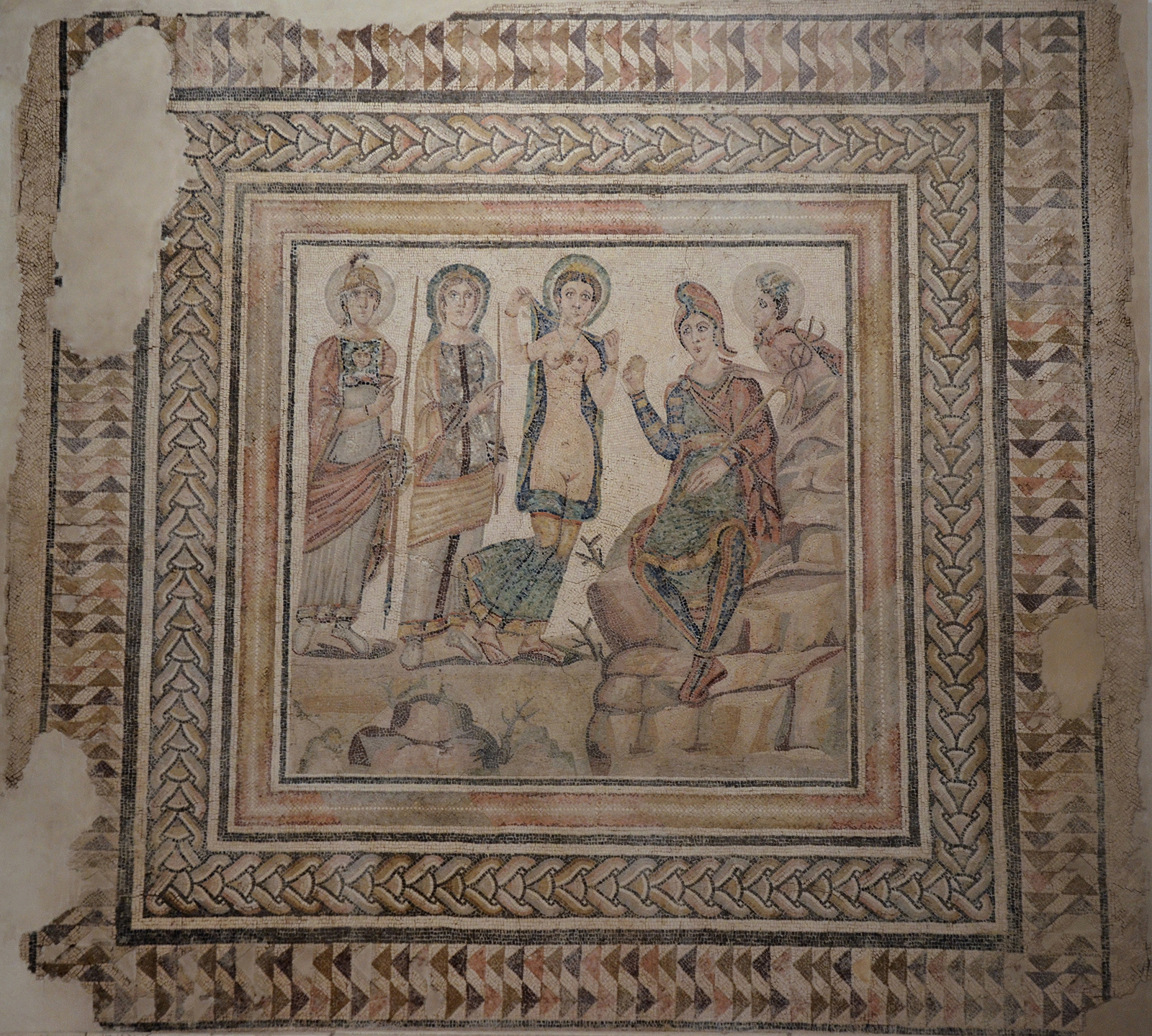
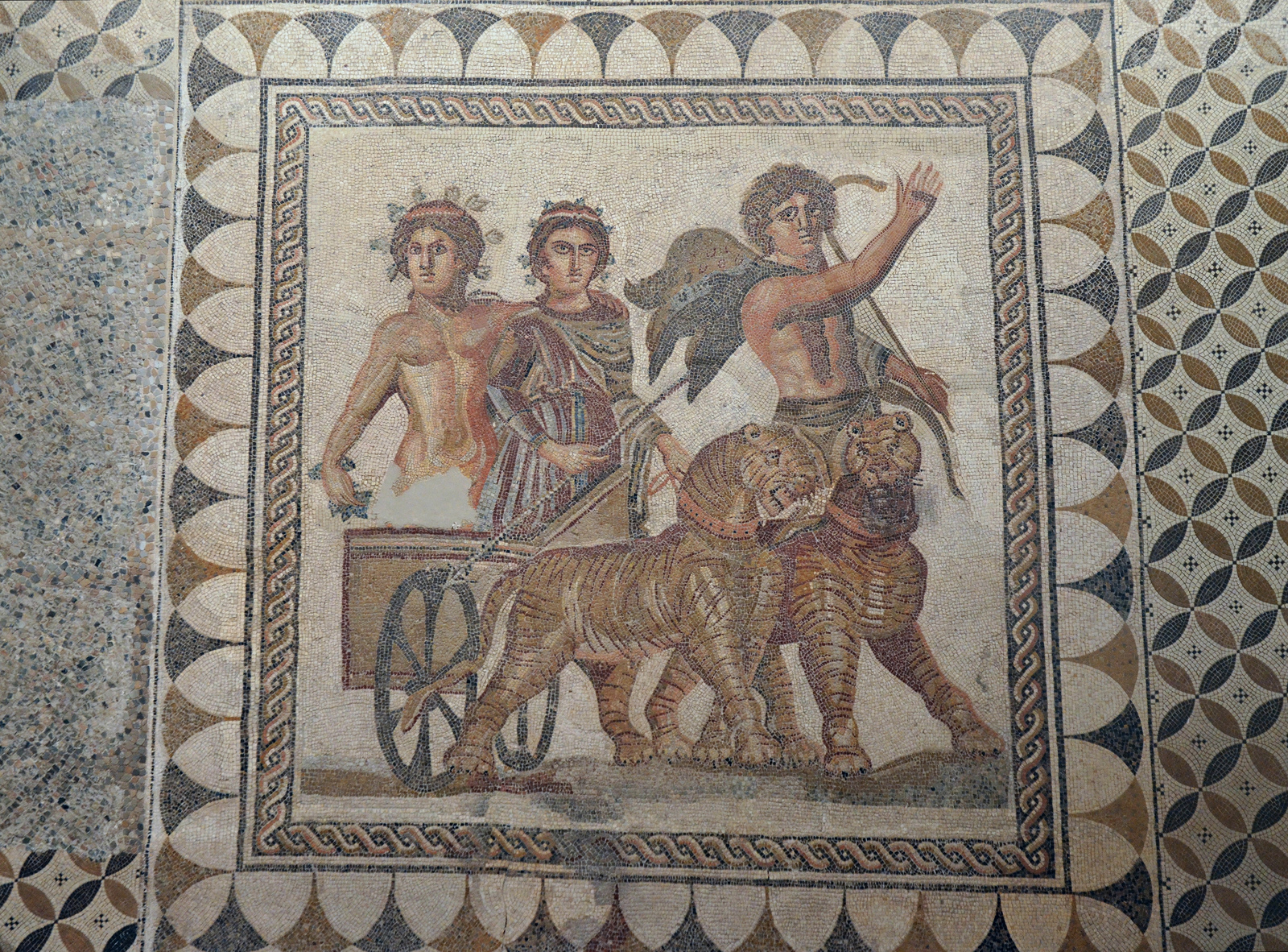
Mosaics of Spain’s Roman Baetica Route: Lebrija Palace

On a recent trip to southern Spain, I travelled along the Roman Baetica Route and visited many of the archaeological sites and museums that Andalusia has to offer. Among the plethora of ancient treasures to be found in the region, I was particularly impressed by the incredible mosaics I came across. This installment of the series will focus on the Lebrija Palace in Seville. The Roman Baetica Route is an ancient Roman road that passes through fourteen cities of the provinces of Seville, Cadiz, and Córdoba, which correspond to modern-day Andalusia. It runs through the most southern part of the Roman province of Hispania and includes territories also crossed by the Via Augusta. The route connected Hispalis (Seville) with Corduba (Córdoba) and Gades (Cádiz). The word Baetica comes from Baetis, the ancient name for the river Guadalquivir.

August 2016 Museum Listings

By popular demand, Ancient History Encyclopedia will share news, on a monthly basis, about select museum exhibitions and events of interest to our global audience via AHetc. Exhibitions are arranged in alphabetical order by geographical location and region within this post: the Americas, United Kingdom, Europe/Middle East, and East Asia/Oceania. Here is a taste of what is on show at major museums around the world in August 2016:

“For the Most Beautiful”–A New Novel

Boldly imagined and exquisitely written, For the Most Beautiful, a debut novel by classicist Emily Hauser, chronicles the defeat of Troy through the eyes of female characters almost entirely disregarded in Homer’s Iliad — Briseis, princess of Pedasus, and Krisayis, daughter of the High Priest of Troy. In this Ancient History Encyclopedia (AHE) exclusive, James Blake Wiener interviews Emily Hauser, asking questions as to the difficulties she faced in writing her first novel, and why ancient Troy lingers so vividly in the western imagination.

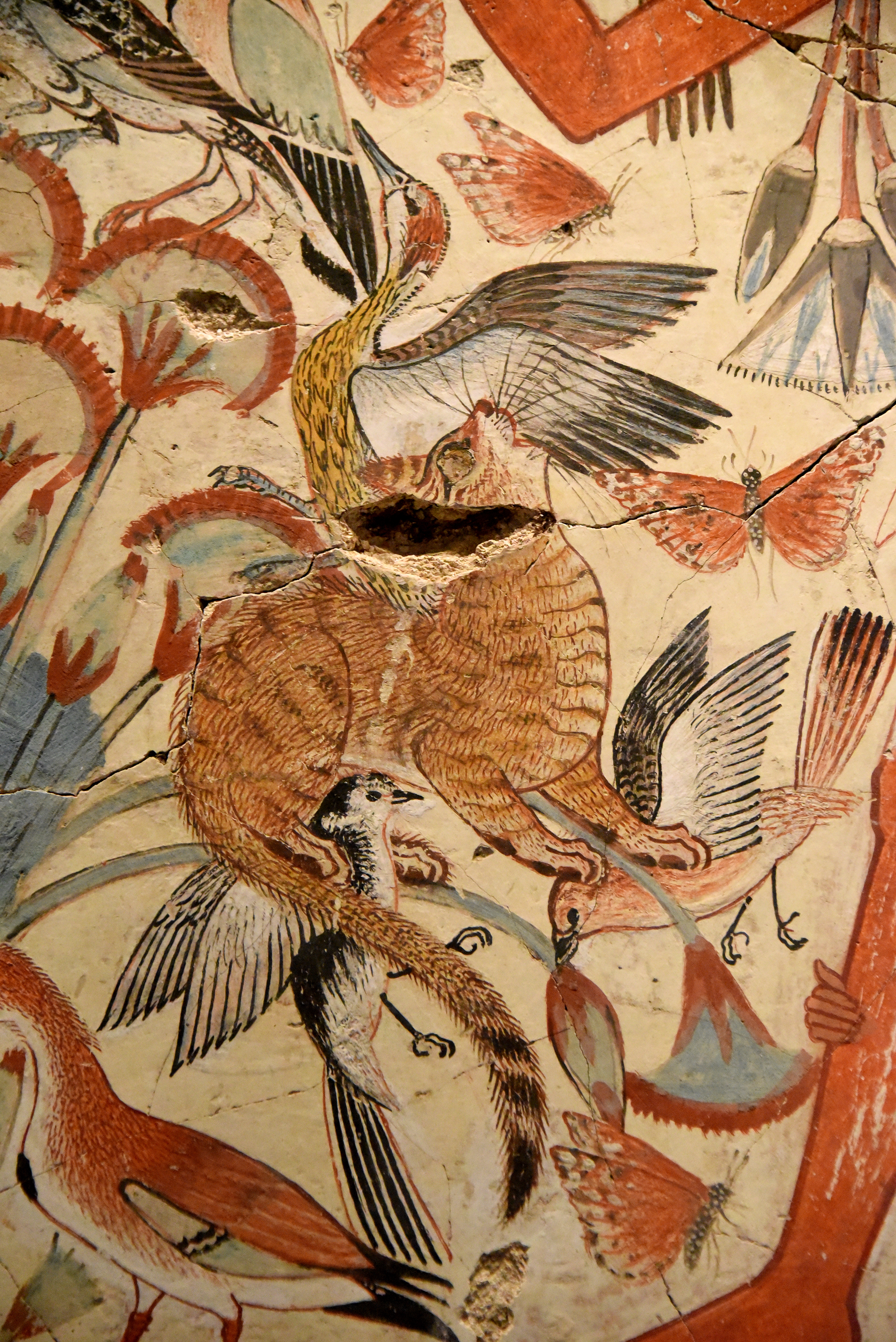
The Egyptian Tomb-Chapel Scenes of Nebamun at the British Museum

In 1821 ten paintings were purchased from Mr. Henry Salt (1780-1827) and arrived at the British Museum. The eleventh painting was acquired in 1823. Each painting appeared to have been mounted with a slightly different support material. Finger marks and hand prints on the backs of many of the paintings suggest that the paintings were laid face down onto a surface and that a thickened slurry-mix of plaster was applied to the back of the mud straw. All these paintings have undergone extensive conservation. In 1835, the paintings were put on display to the public within the “Egyptian Saloon” (now the Egyptian Sculpture Gallery) at the British Museum. They were then given the inventory display numbers (nos. 169-70, 171-81). However, at the beginning of the 20th century they were given their current inventory numbers of EA37976-86. There is little indication that they originally came from the same tomb-chapel.

Mosaics of Spain’s Roman Baetica Route: Carmona and Éjica

On a recent trip to southern Spain, I travelled along the Roman Baetica Route and visited many of the archaeological sites and museums that Andalusia has to offer. Among the plethora of ancient treasures to be found in the region, I was particularly impressed by the incredible mosaics I came across. This installment of the series will focus on Carmona and Éjica. The Roman Baetica Route is an ancient Roman road that passes through fourteen cities of the provinces of Seville, Cadiz, and Córdoba, which correspond to modern-day Andalusia. It runs through the most southern part of the Roman province of Hispania and includes territories also crossed by the Via Augusta. The route connected Hispalis (Seville) with Corduba (Córdoba) and Gades (Cádiz). The word Baetica comes from Baetis, the ancient name for the river Guadalquivir.  
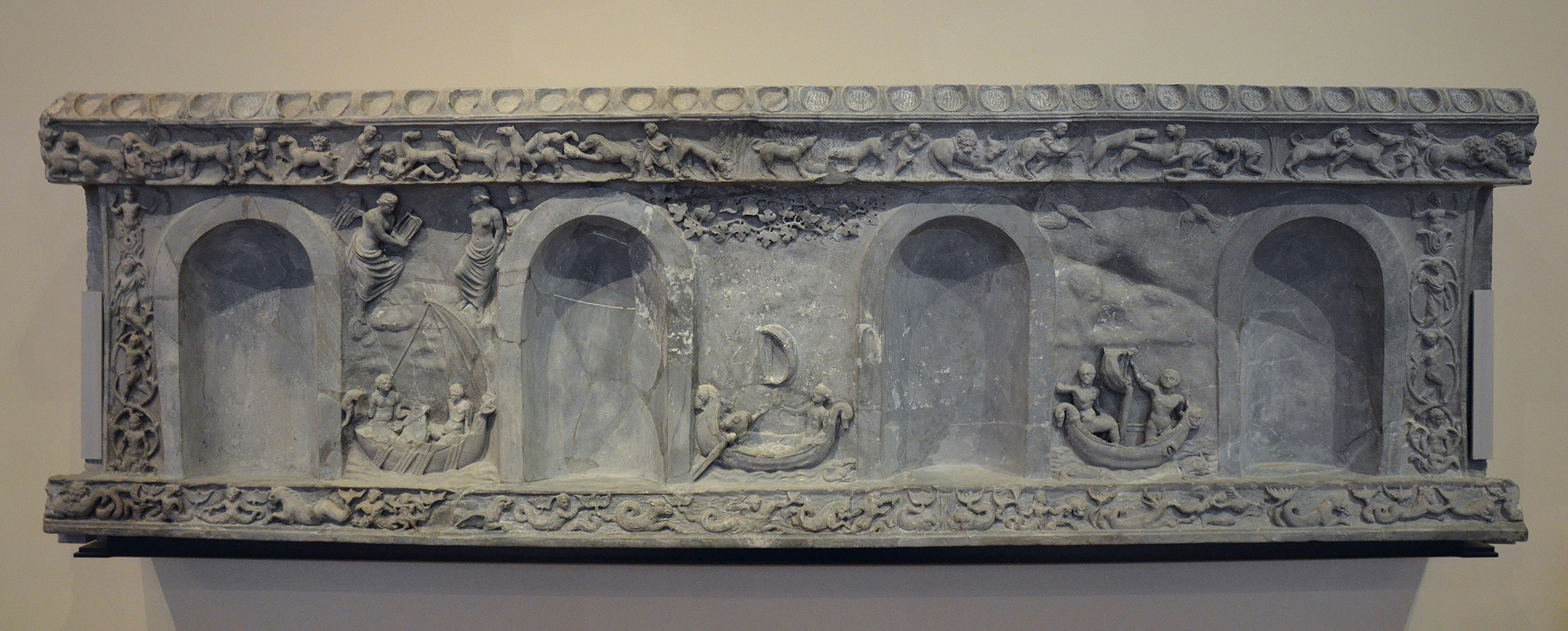
Art and Sculptures from Hadrian’s Villa: The Lansdowne Relief

This month’s sculpture from Hadrian’s Villa is a dark grey limestone relief decorated with mythological scenes. The Lansdowne Relief was unearthed in 1769 during excavations undertaken by the art dealer and archaeologist Gavin Hamilton, who sold it to Lord Lansdowne. The latter was an avid collector of antiquities who owned a fine collection of classical sculptures until most of it was sold and dispersed in 1930 (including the Lansdowne Antinous, the Lansdowne Amazon and the Lansdowne Hercules).

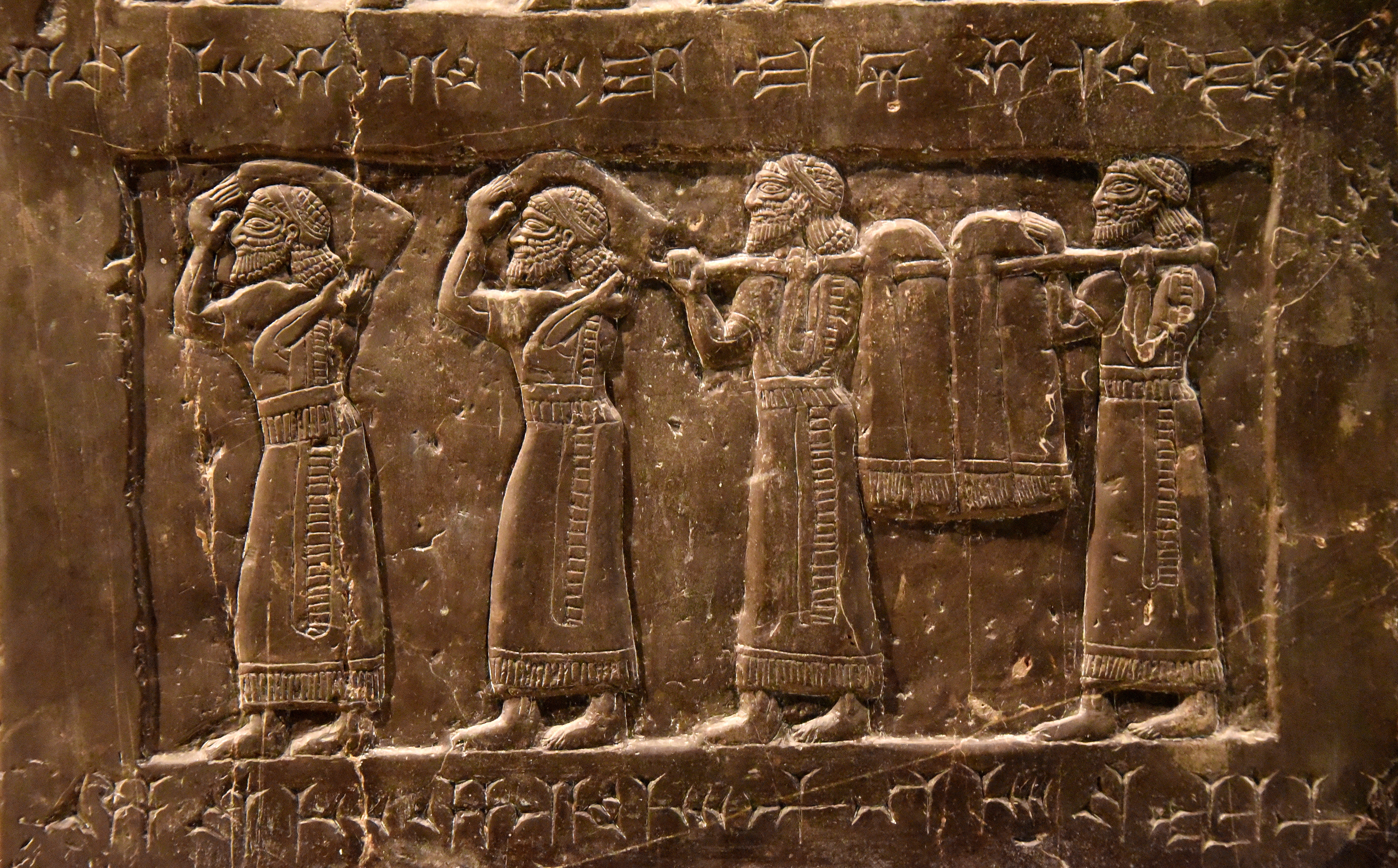
The Black Obelisk of Shalmaneser III at the British Museum

I was attending an event at the Royal College of Physicians of London in early March 2016, and I had a plenty of time to spare. One of my targets was, of course, the British Museum. Two years ago, Jan van der Crabben (founder and CEO of the Ancient History Encyclopedia) asked me to draft a blog article about the Black Obelisk of Shalmaneser III, but I lacked detailed and high-quality images of all aspects of the obelisk. Nowadays, I’m equipped with a Nikon D750 full-frame camera and incredible lenses. So let’s spend some time looking at the obelisk and enjoy its wonderful artistic scenes. The obelisk lies at the heart of Room 6 of the Ground Floor. The overall surrounding lighting is unfortunately scarce, but who cares, my camera can overcome this very easily! Remember, no “flash” photography is allowed.

Egyptian Relations with Canaan

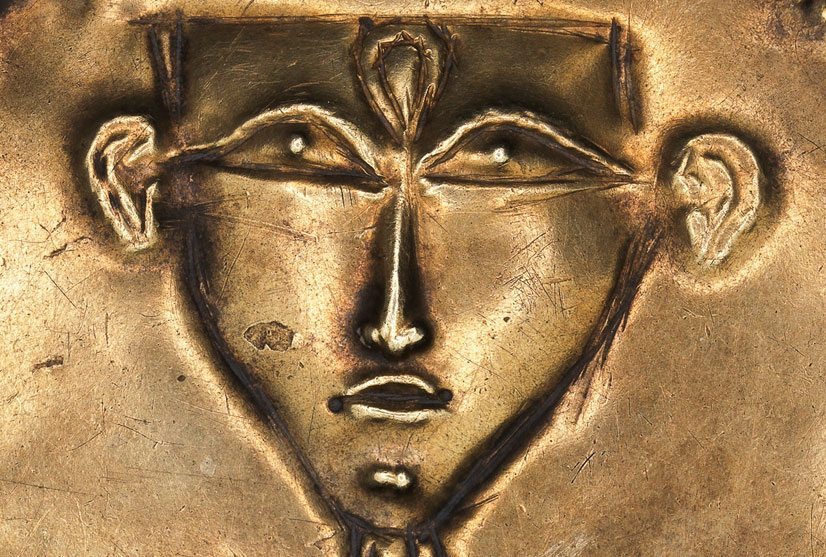
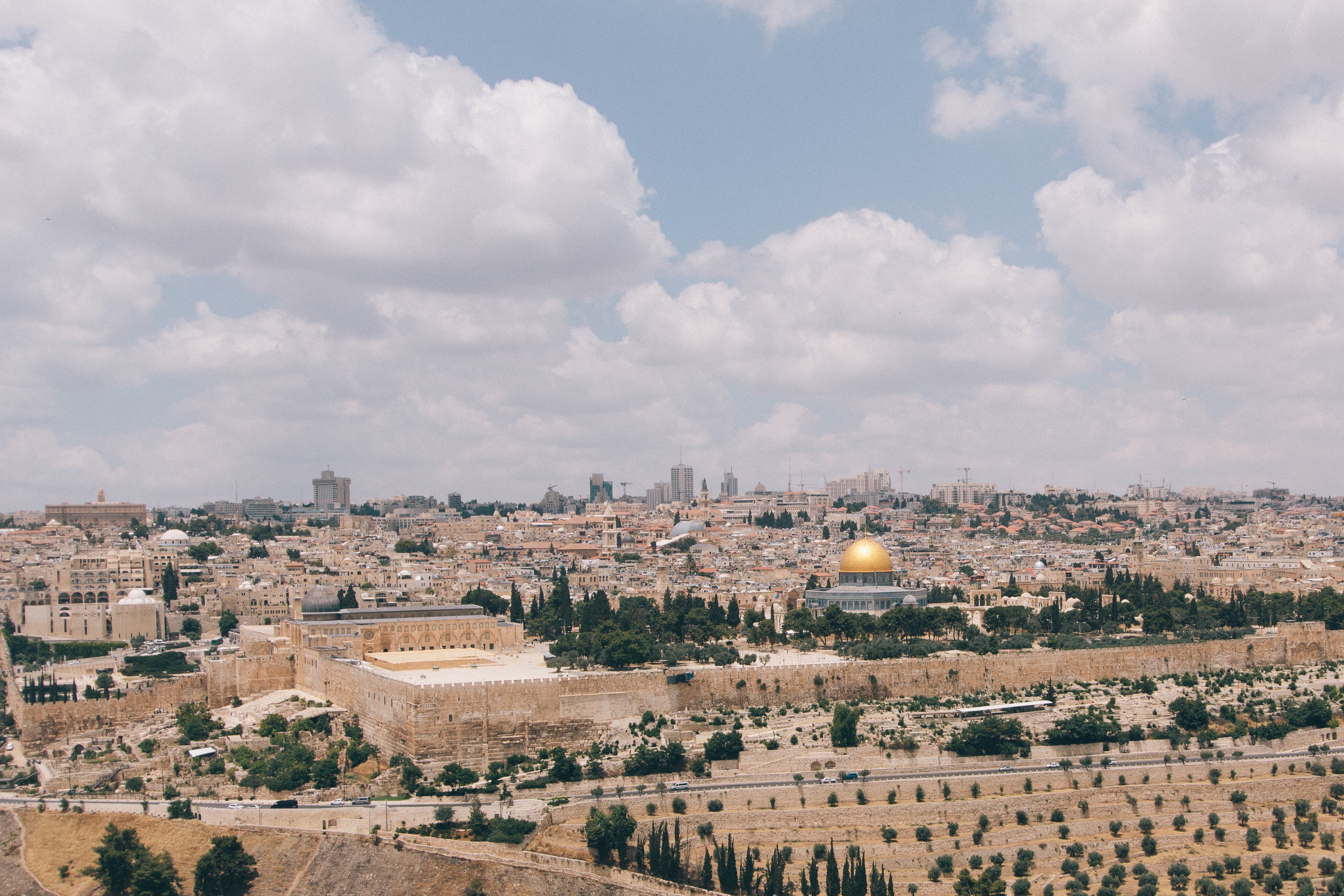
The Israel Museum in Jerusalem is giving the public an unprecedented opportunity to explore ancient Egyptian relations with Canaan during the second millennium BCE in Pharaoh in Canaan: The Untold Story. This exhibition presents more than 680 objects, which reflect the rich cross-fertilization of ritual practices and aesthetic vocabularies between these two distinct cultures. In this exclusive interview, James Blake Wiener of Ancient History Encyclopedia (AHE) discusses the exhibition and the countless ties that bound ancient Egypt to Canaan with Dr. Eran Arie, Curator of Iron Age and Persian Period Archaeology at the Israel Museum.

July 2016 Museum Listings

By popular demand, Ancient History Encyclopedia will share news, on a monthly basis, about select museum exhibitions and events of interest to our global audience via AHetc. Exhibitions are arranged in alphabetical order by geographical location and region within this post: the Americas, United Kingdom, Europe/Middle East, and East Asia/Oceania. Here is a taste of what is on show at major museums around the world in July 2016:

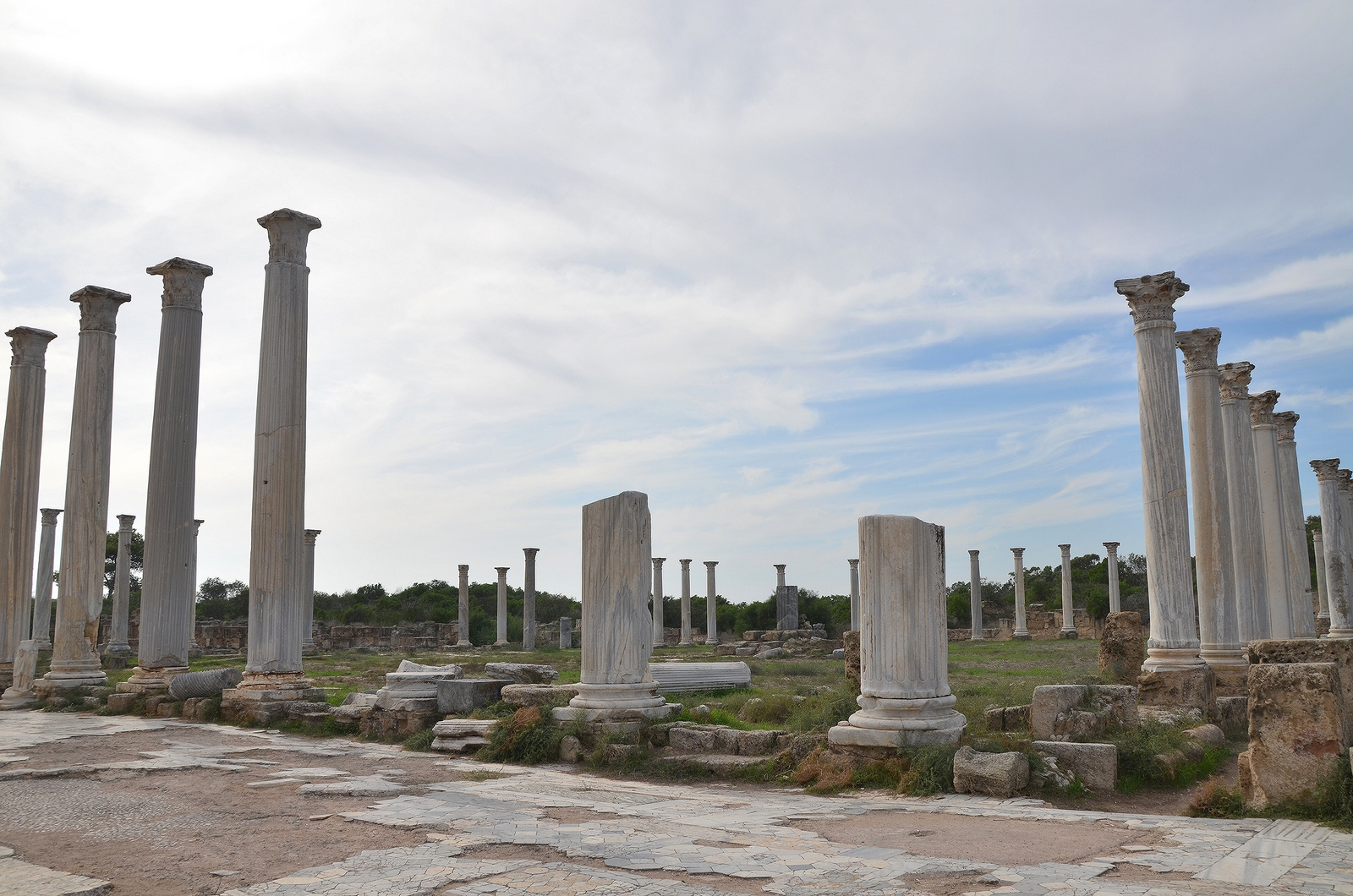
Wandering Along the Colonnade of the Gymnasium of Salamis, Cyprus

Once a thriving port city on the island of Cyprus, the legendary birthplace of Aphrodite, Salamis offers a tantalizing glimpse into the vast history of the island. The ruins of the ancient city occupy an extensive area (one square mile) extending along the sea shore against the backdrop of sand dunes and a forest of acacias. According to ancient Greek tradition, Salamis was founded after the Trojan War by the archer Teukros, son of King Telamon, who came from the island of Salamis. Half-brother to the hero Ajax, Teukros was unable to return home from the war after failing to prevent his half-brother’ suicide, leading him to flee to Cyprus where he founded Salamis. After its legendary beginnings, Salamis later became one of the most important cities on the island and the seat of a powerful kingdom. Archaeologists believe that Salamis was first established by newcomers from the nearby site of Enkomi following the earthquake of 1075 BC. The city was subsequently controlled by the Persians until the arrival of Alexander the Great into Asia Minor. …